54
King Voharika Tissa
Kingdom of Anuradhapura
214 AC - 236 AC
214 AC - 236 AC

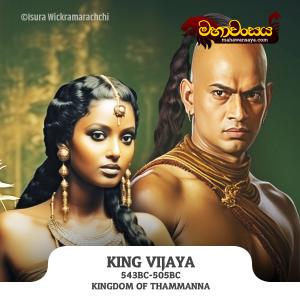
King Vijaya
543 BC-505 BC
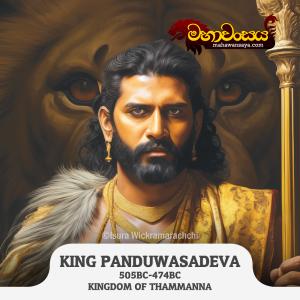
King Panduvasdeva
504 BC-474 BC
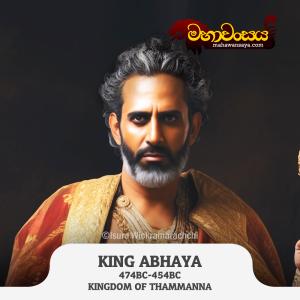
King Abhaya
474 BC-454 BC
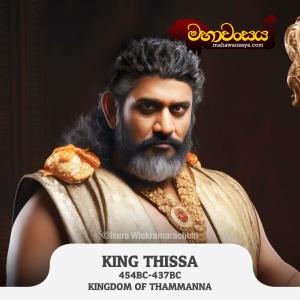
King Tissa
454 BC-437 BC
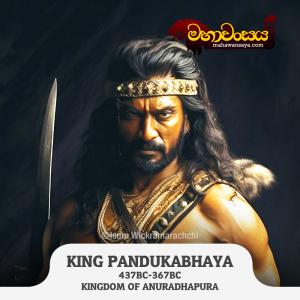
King Pandukabhaya
437 BC-367 BC
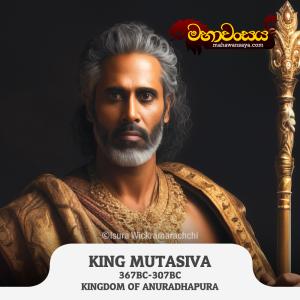
King Mutasiva
367 BC-307 BC
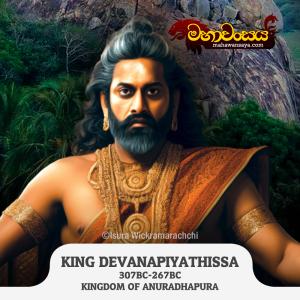
King Devanampiya Tissa
307 BC-267 BC
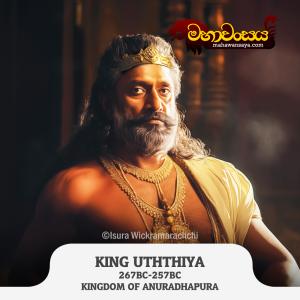
King Uttiya
267 BC-257 BC
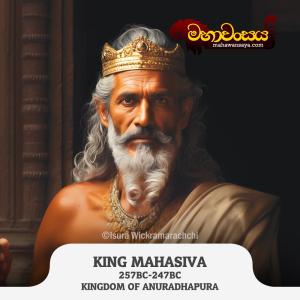
King Mahasiva
257 BC-247 BC
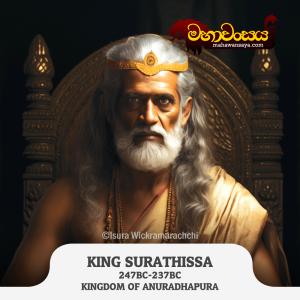
King Suratissa
247 BC-237 BC
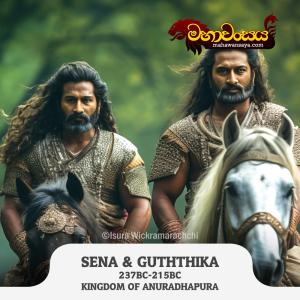
Sena and Guttika
237 BC-215 BC
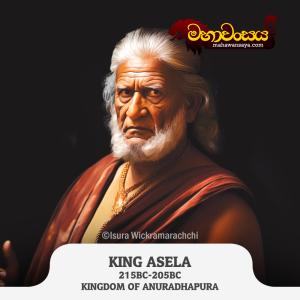
King Asela
215 BC-205 BC
King Elara
205 BC-161 BC
King Dutugemunu
161 BC-137 BC
King Saddha Tissa
137 BC-119 BC
King Thulatthana
119 BC-119 BC
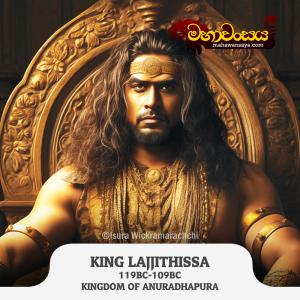
King Lajjithissa
119 BC-109 BC
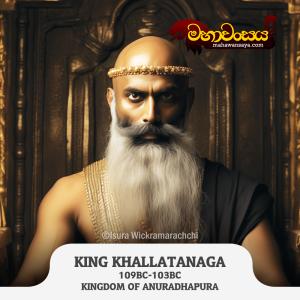
King Khallata Naga
109 BC-103 BC
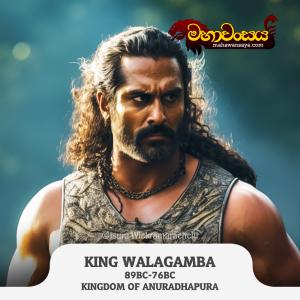
King Walagamba
89 BC-76 BC
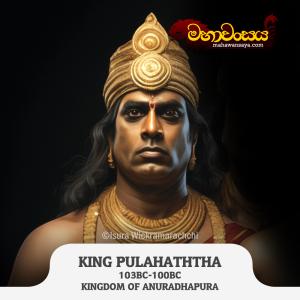
King Pulahaththa
103 BC-100 BC
King Bhahiya
100 BC-98 BC
King Panayamara
98 BC-91 BC
King Piliyamara
91 BC-91 BC
King Dathiya
91 BC-89 BC
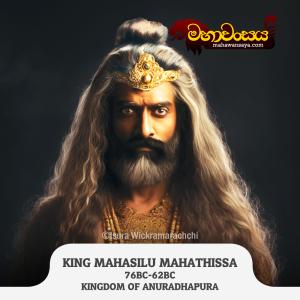
King Mahachulikamahathissa
76 BC-62 BC
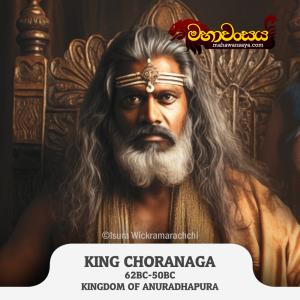
King Choranaga
62 BC-50 BC
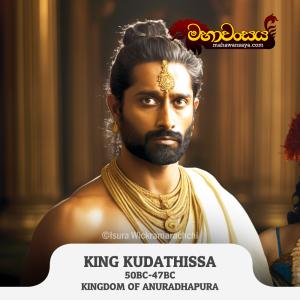
King Kuda Thissa
50 BC-47 BC
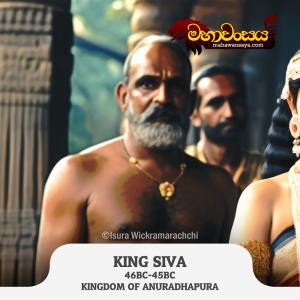
King Siva I
47 BC-45 BC
King Vatuka
45 BC-44 BC
King Darubhatika Tissa
44 BC-43 BC
King Neeliya
43 BC-43 BC
Queen Anula
43 BC-42 BC
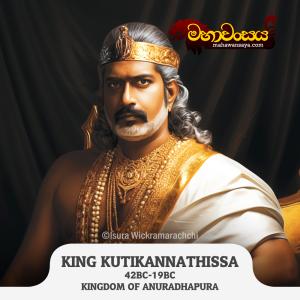
King Kutikanna Tissa
42 BC-19 BC
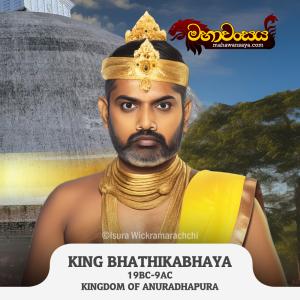
King Bhathikabhaya
19 BC-9 AC
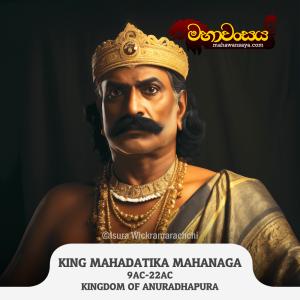
King Mahadatika Mahanaga
9 AC-22 AC
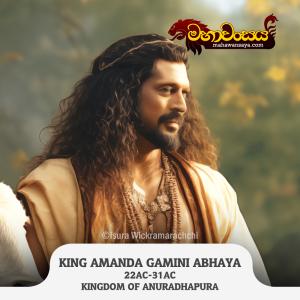
King Amandagamani Abhaya
22 AC-31 AC
King Kanirajanu Tissa
31 AC-34 AC
King Chulabhaya
34 AC-35 AC
Queen Seevali
35 AC-35 AC
King Ilanaga
39 AC-44 AC
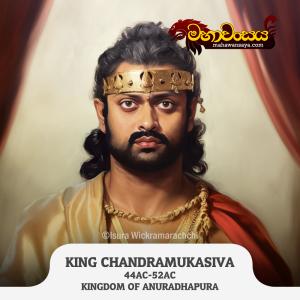
King Chandra Mukha Siva
44 AC-52 AC
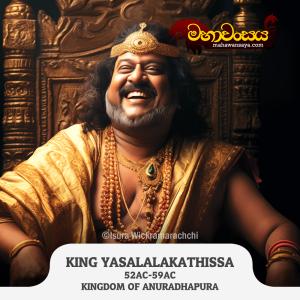
King Yassalalaka Thissa
52 AC-59 AC
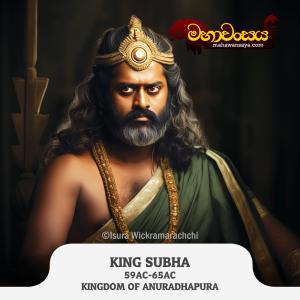
King Subha
59 AC-65 AC
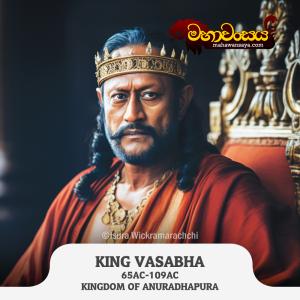
King Vasabha
65 AC-109 AC
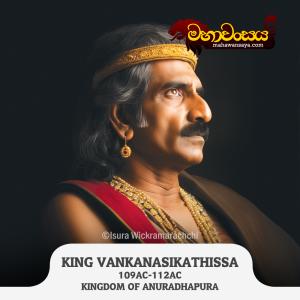
King Vankanasika Tissa
109 AC-112 AC
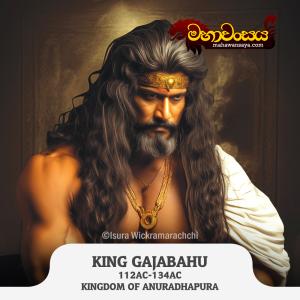
King Gajabahu I
112 AC-134 AC
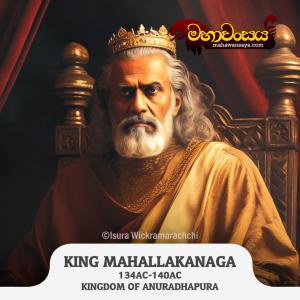
King Mahallaka Naga
134 AC-140 AC
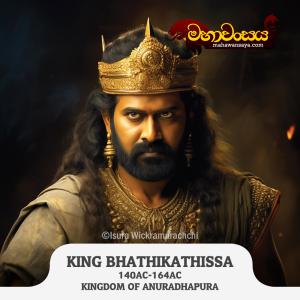
King Bhathika Thissa
140 AC-164 AC
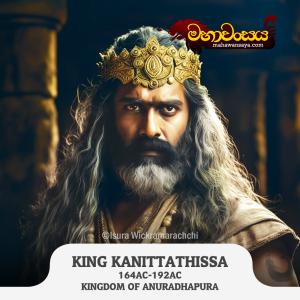
King Kanitta Tissa
164 AC-192 AC
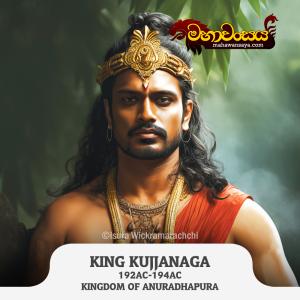
King Kujjanaga
192 AC-194 AC
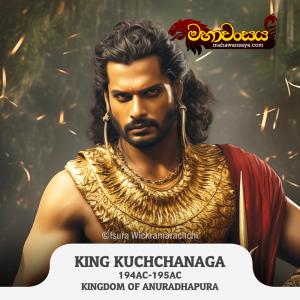
King Kudda Naga
194 AC-195 AC
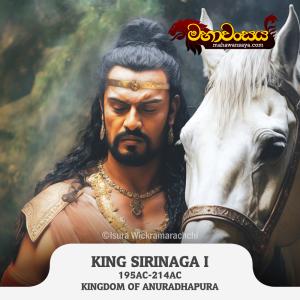
King Sirinaga I
195 AC-214 AC
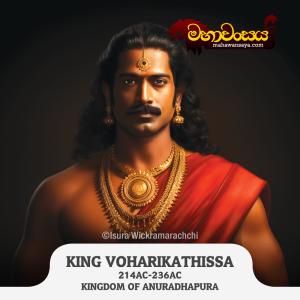
King Voharika Tissa
214 AC-236 AC
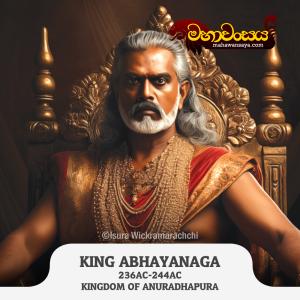
King Abhaya Naga
236 AC-244 AC
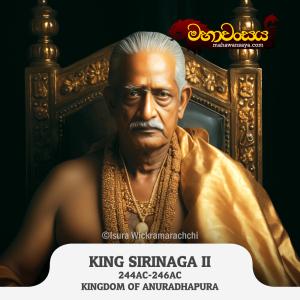
King Sirinaga II
244 AC-246 AC
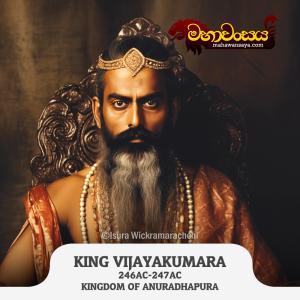
King Vijaya Kumara
246 AC-247 AC
King Sangha Tissa I
247 AC-251 AC
King Siri Sangha Bodhi I
251 AC-253 AC
King Gotabhaya
253 AC-266 AC
King Jetta Tissa I
266 AC-276 AC
King Mahasen
276 AC-303 AC
King Kithsirimewan
303 AC-331 AC
King Jetta Tissa II
331 AC-340 AC
King Buddhadasa
340 AC-368 AC
King Upatissa I
368 AC-410 AC
King Mahanama
410 AC-432 AC
King Soththisena
432 AC-432 AC
King Jaththagahaka Janthu
432 AC-433 AC
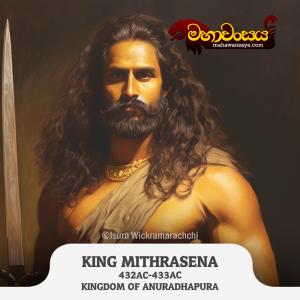
King Miththasena
432 AC-433 AC
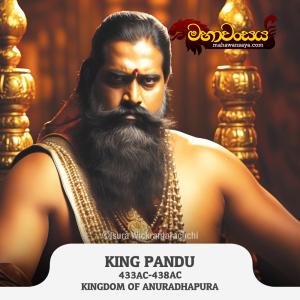
King Pandu
433 AC-438 AC
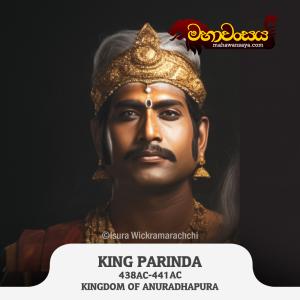
King Parinda
438 AC-441 AC
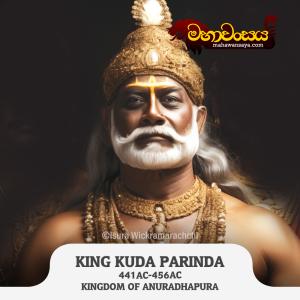
King Kuda Parinda
441 AC-456 AC
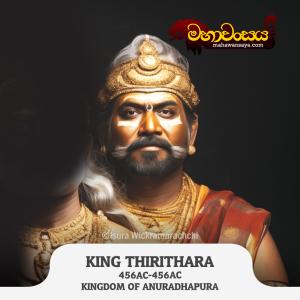
King Thirithara
456 AC-456 AC
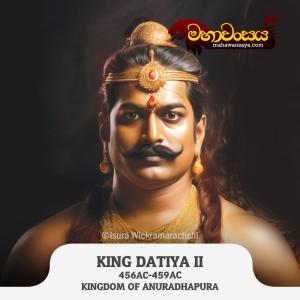
King Datiya II
456 AC-459 AC
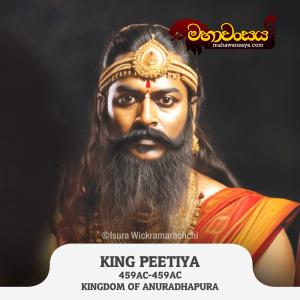
King Peetiya
459 AC-459 AC
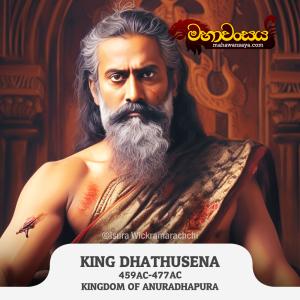
King Dhathusena
459 AC-477 AC
King Kassapa I
477 AC-495 AC
King Mugalan I
495 AC-512 AC
King Kumaradasa
512 AC-520 AC
King Kiththisena
520 AC-521 AC
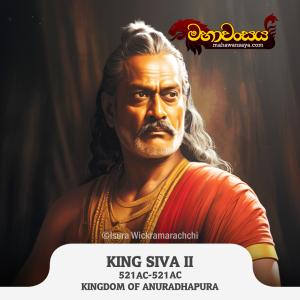
King Siva II
521 AC-521 AC
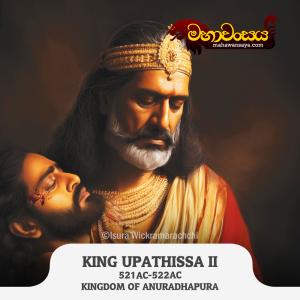
King Upatissa II
521 AC-522 AC
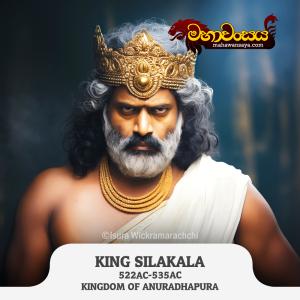
King Silakala
522 AC-535 AC
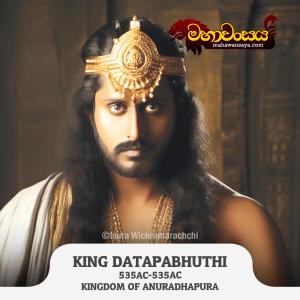
King Datappabhuthi
535 AC-535 AC
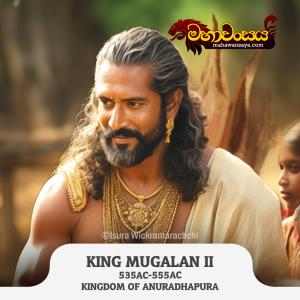
King Mugalan II
535 AC-555 AC
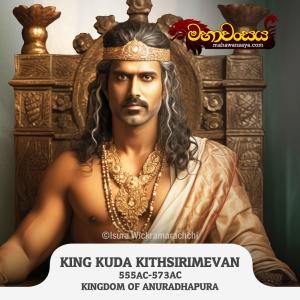
King Kiththisirimegha
555 AC-573 AC
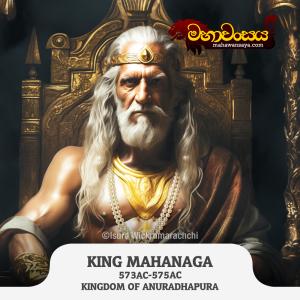
King Mahanaga
573 AC-575 AC
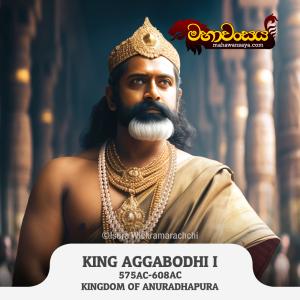
King Aggabodhi I
575 AC-608 AC
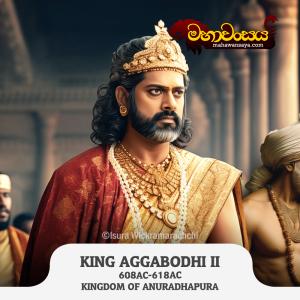
King Aggabodhi II
608 AC-618 AC
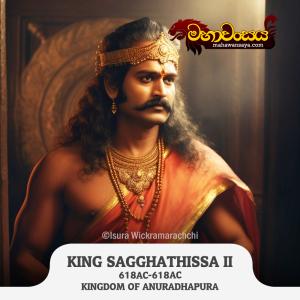
King Sangha Tissa II
618 AC-618 AC
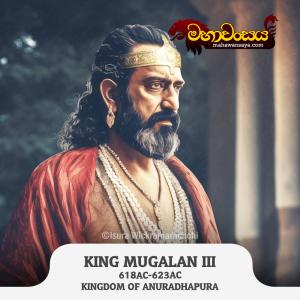
King Mugalan III
618 AC-623 AC
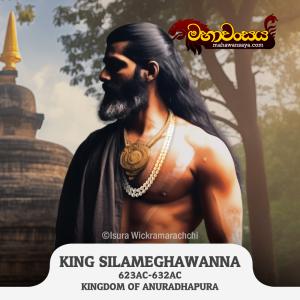
King Silameghavanna
623 AC-632 AC
King Aggabodhi III
633 AC-643 AC
King Jetta Tissa III
633 AC-633 AC
King Datopathissa i
643 AC-650 AC
King Kassapa II
650 AC-659 AC
King Dappula I
659 AC-659 AC
King Datopathissa II
659 AC-667 AC
King Aggabodhi IV
667 AC-683 AC
King Daththa
683 AC-684 AC
King Haththadata
684 AC-684 AC
King Manavamma
684 AC-718 AC
King Aggabodhi V
718 AC-724 AC
King Kassapa III
724 AC-730 AC
King Mahinda I
730 AC-733 AC
King Aggabodhi VI
733 AC-772 AC
King Aggabodhi VII
772 AC-777 AC
King Mahinda II
777 AC-797 AC
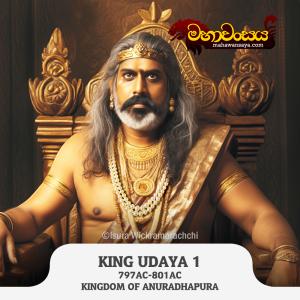
King Udaya I
797 AC-801 AC
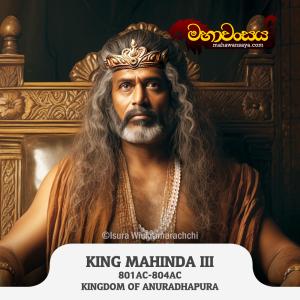
King Mahinda III
801 AC-804 AC
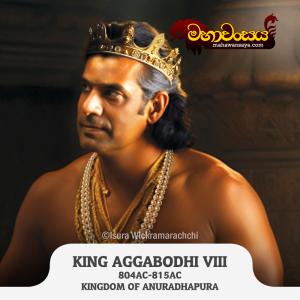
King Aggabodhi VIII
804 AC-815 AC
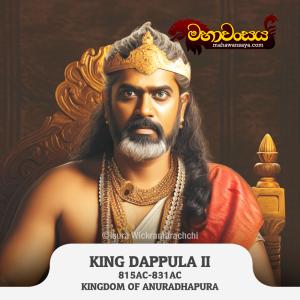
King Dappula II
815 AC-831 AC
King Aggabodhi IX
831 AC-833 AC
King Sena I
833 AC-853 AC
King Sena II
853 AC-887 AC
King Udaya II
887 AC-898 AC
King Kassapa IV
898 AC-914 AC
King Kassapa V
914 AC-923 AC
King Dappula III
923 AC-923 AC
King Dappula IV
923 AC-935 AC
King Udaya III
935 AC-938 AC
King Sena III
938 AC-946 AC
King Udaya IV
946 AC-954 AC
King Sena IV
954 AC-956 AC
King Mahinda IV
956 AC-972 AC
King Sena V
972 AC-982 AC
King Mahinda V
982 AC-1017 AC
Rajendra Chola I
1017 AC-1044 AC
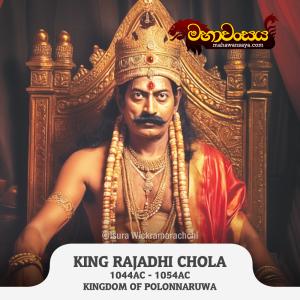
Rajadhiraja Chola
1044 AC-1054 AC
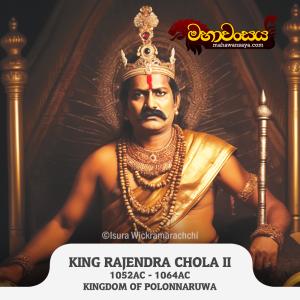
Rajendra Chola II
1052 AC-1064 AC
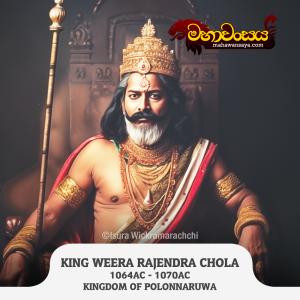
Virarajendra Chola
1064 AC-1070 AC
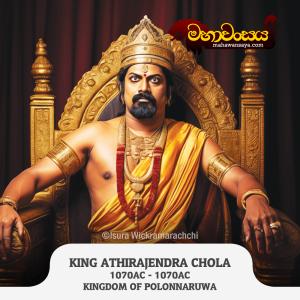
Athirajendra Chola
1070 AC-1070 AC
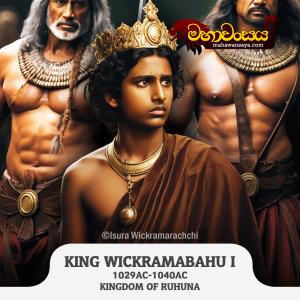
King Wickramabahu I
1029 AC-1040 AC
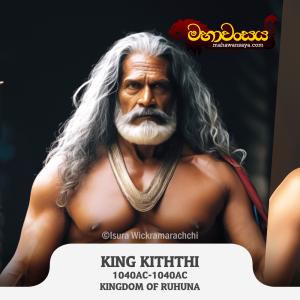
King General Keerthi
1040 AC-1040 AC
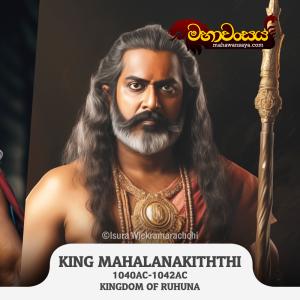
King Mahalana Kiththi
1040 AC-1042 AC
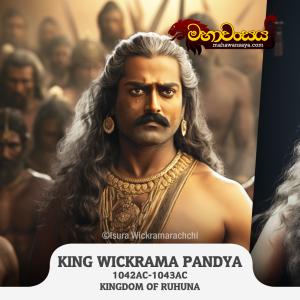
King Wickrama Pandu
1042 AC-1043 AC
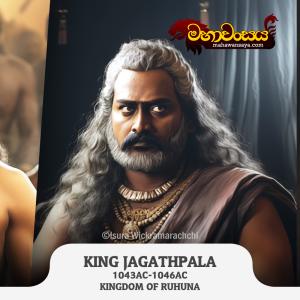
King Jagathpala
1043 AC-1046 AC
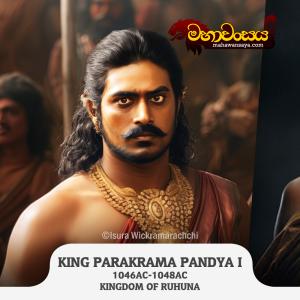
King Parakrama Pandu
1046 AC-1048 AC
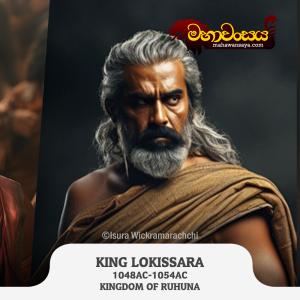
King Lokissara
1048 AC-1054 AC
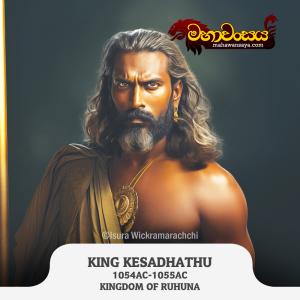
King Kesadhathu
1054 AC-1055 AC
King Vijayabahu I
1055 AC-1110 AC
King Jayabahu I
1110 AC-1111 AC
King Wickramabahu II
1111 AC-1132 AC
King Gajabahu II
1032 AC-1053 AC
King Parakramabahu I
1053 AC-1086 AC
King Vijayabahu II
1186 AC-1187 AC
King Mahinda VI
1187 AC-1187 AC
King Nissanka Malla
1187 AC-1196 AC
King Weerabahu I
1196 AC-1196 AC
King Wickramabahu III
1196 AC-1196 AC
King Chodaganga
1196 AC-1197 AC
Queen Leelawathie
1197 AC-1200 AC
King Sahasamalla
1200 AC-1202 AC
Queen Kalyanawathie
1202 AC-1208 AC
King Dharmasoka
1208 AC-1209 AC
King Anikanga
1209 AC-1209 AC
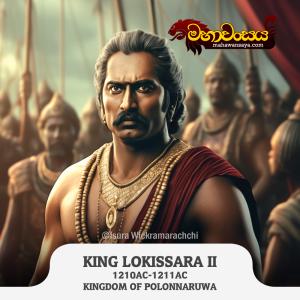
King Lokissara ii
1210 AC-1211 AC
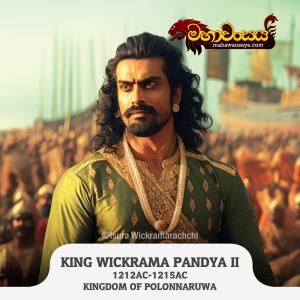
King Parakrama Pandu II
1212 AC-1215 AC
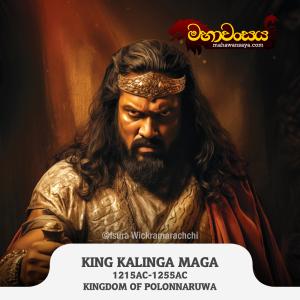
King Kalinga Magha
1215 AC-1255 AC
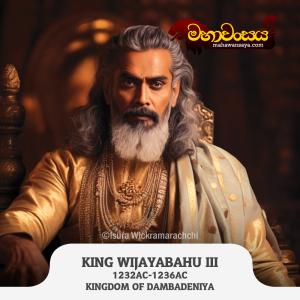
King Vijayabahu III
1232 AC-1236 AC
King Parakramabahu II
1236 AC-1272 AC
King Vijayabahu IV
1272 AC-1274 AC
King Buvanekabahu I
1274 AC-1286 AC
King Parakramabahu III
1287 AC-1293 AC
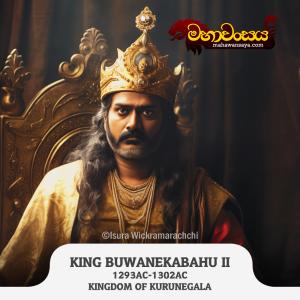
King Buvanekabahu II
1293 AC-1302 AC
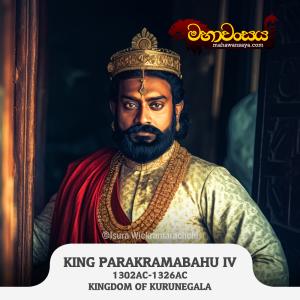
King Parakramabahu IV
1302 AC-1326 AC
-208.jpg)
King Buvanekabahu III (Vanni B
1326 AC-1335 AC
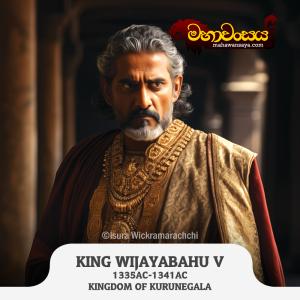
King Vijayabahu V
1335 AC-1341 AC
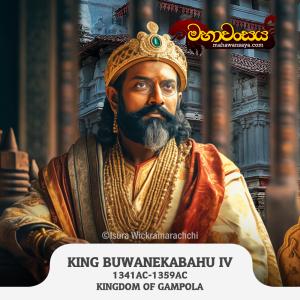
King Buvanekabahu IV
1341 AC-1359 AC
King Parakramabahu V
1344 AC-1359 AC
King Wickramabahu IV
1359 AC-1371 AC
King Buvanekabahu V
1371 AC-1407 AC
-544.jpg)
King Kumara Alakeshwara (Alake
1391 AC-1391 AC
King Weera Alakesvara
1397 AC-1411 AC
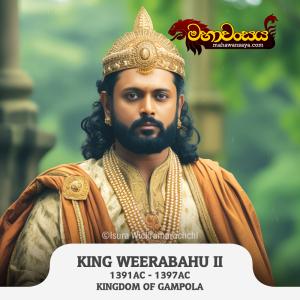
King Weerabahu II
1391 AC-1397 AC
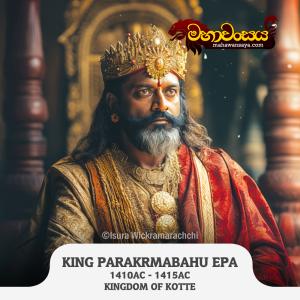
King Parakramabahu Epa
1410 AC-1415 AC
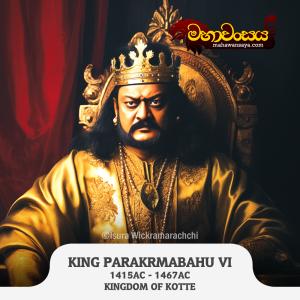
King Parakramabahu VI
1415 AC-1467 AC
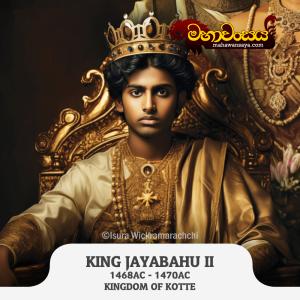
King Jayabahu II
1468 AC-1470 AC
King Buvanekabahu VI
1470 AC-1478 AC
King Panditha Parakramabahu VI
1478 AC-1484 AC
King Weera Parakramabahu VIII
1484 AC-1508 AC
King Darma Parakramabahu IX
1508 AC-1513 AC
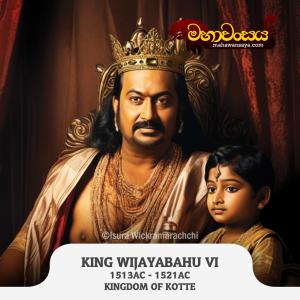
King Vijayabahu VI
1513 AC-1521 AC
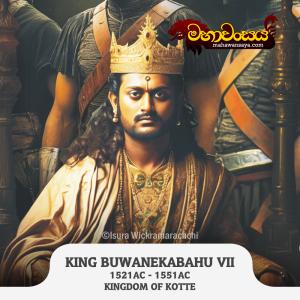
King Buvanekabahu VII
1521 AC-1551 AC
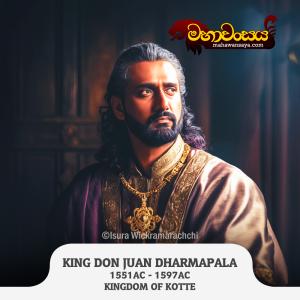
King Don Juwan Dharmapala
1551 AC-1597 AC
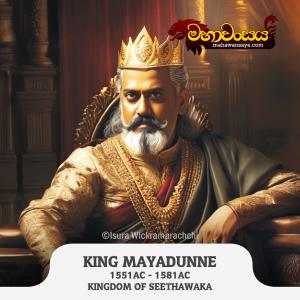
King Mayadunne
1551 AC-1581 AC
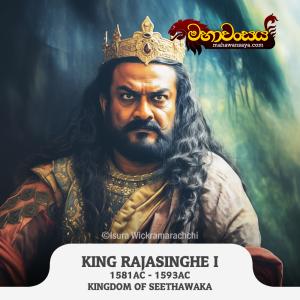
King Rajasinha I
1581 AC-1593 AC
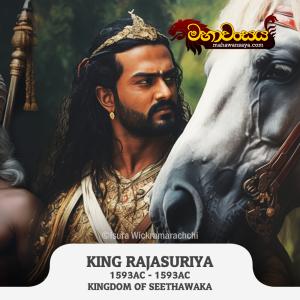
King Rajasooriya
1593 AC-1593 AC
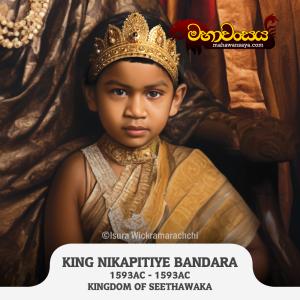
King Nikapitiye Bandara
1593 AC-1593 AC
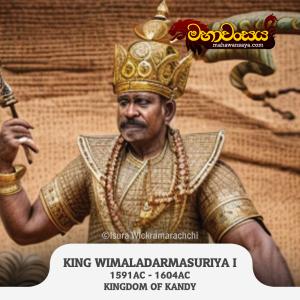
King Wimaladharmasuriya I
1591 AC-1604 AC
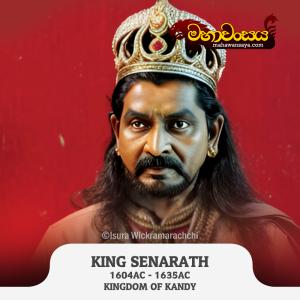
King Senarat
1604 AC-1635 AC
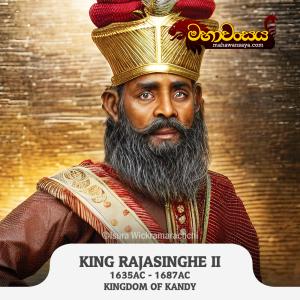
King Rajasinha II
1635 AC-1687 AC
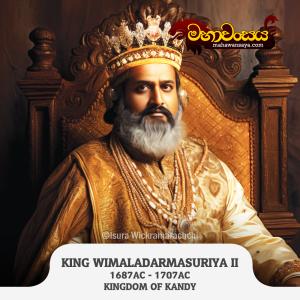
King Wimaladharmasuriya II
1687 AC-1707 AC
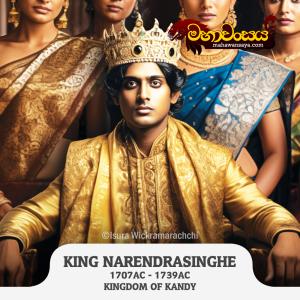
King Sri Weera Parakrama Naren
1707 AC-1739 AC
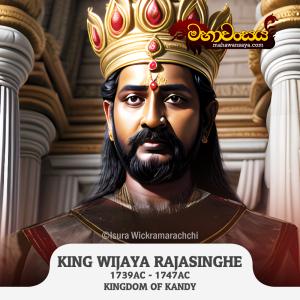
King Sri Wijaya Rajasingha
1739 AC-1747 AC
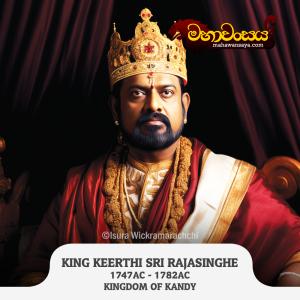
King Keerthi Sri Rajasingha
1747 AC-1782 AC
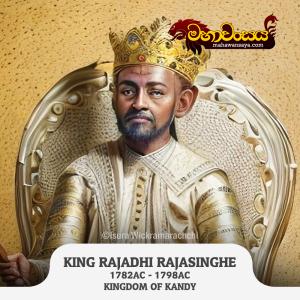
King Rajadhi Rajasinha
1782 AC-1798 AC
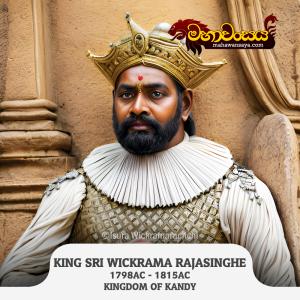
King Sri Wikrama Rajasinha
1798 AC-1815 AC

Pedro Lopes de Sousa
1594 AC-1594 AC
Joao da Silveira
1518 AC-1518 AC
Lopo de Brito
1518 AC-1522 AC
Fernao Gomes de Lemos
1522 AC-1524 AC
Joao Henriques
1551 AC-1552 AC
Diogo de Melo Coutinho
1552 AC-1552 AC
Duarte de Eca
1552 AC-1553 AC
Fernao Carvalho
1553 AC-1555 AC

Willem Jacobszoon Coster
1640 AC-1640 AC
Jan Thyszoon Payart
1640 AC-1646 AC
According to the Mahavamsa, after King Sirinaga, the throne was succeeded by his son, Prince Voharika Tissa. However, the Dipavamsa presents a different version of this story. It states that King Sirinaga had two sons — Abhaya and Tissa. Among them, Prince Abhaya, being the elder son, ascended the throne after his father’s death. Later, his brother Tissa became king.
From these accounts, it is clear that there was some confusion or contradiction in the early sources regarding the order in which these two kings reigned. The Mahavamsa Tika too confirms this, saying:
“It should have been said that after the demise of Abhaya, King Mall Tissa ruled Lanka for eight years, yet it is said instead, ‘After Sirinaga’s passing...’ etc.”
Commenting on this, Professor Senarath Paranavitana noted that the Mahavamsa’s order — placing Voharika Tissa before Abhaya Naga — must have been based on an ancient and trustworthy source now lost to us. He further points out that the detailed description in the Mahavamsa of the intrigues by which Abhaya Naga deprived Prince Voharika Tissa of the throne also supports this chronology. Therefore, it is more appropriate to follow the Mahavamsa’s version.
The title “Vohara” (or “Voharika”) Tissa was given to this King Tissa because he established a system of law free from violence and cruelty — a Hinsha-mukta Vyavahara, or “righteous judicial code.” The Mahavamsa describes him as an expert in Dharmavyavahara, that is, in just and lawful conduct. This term is of special importance when studying the history of legal systems in Lanka.
In a Brahmi inscription dating to the first century A.D., the term vohara (or vohara) is used to refer to a person named Naka, meaning “one who practices law.” This term is comparable to the modern Sinhala vyavahara, meaning “jurisprudence” or “legal proceedings.” Hence, “Voharika Tissa” literally means “King Tissa the jurist.”
The Mahavamsa describes the deeds of King Voharika Tissa in thirteen stanzas, and the Dipavamsa in six. Their accounts do not greatly differ. Both begin with references to offerings made to the Thera Deva of Kambugama and the Thera Mahatissa of Anurarama. A notable act was a great almsgiving held at the port of Muchelapattana.
The Mahavamsa Tika elaborates that this offering took place near the great port of Mahatota (modern Mannar), where a large ship made of metal was stationed to serve as the venue for the almsgiving. Mahatota, known in chronicles as Mahatittha, was the principal port of ancient Sri Lanka, situated near present-day Mannar.
The name “Muchela” may correspond to the Sinhala Musali, or it may be a Prakrit adaptation of the Sinhala village name Musali. During the reigns of Kings Vasabha and Kanitthatissa, inscriptions found in monasteries in the region now known as Wilpattu refer to a city called Magana, which Ptolemy also mentions as a port town. This city lay near where the present Malwathu Oya (mistakenly referred to in some texts as Modaragam Aru) meets the sea.
In the Kokila Sandeshaya, composed during the Kotte period, the messenger bird, after crossing Modaragam Aru, sees “Musaliya Mudadura” — the mouth of the Musali River. Since the word Mudadura means “river mouth” or “place where a river meets the sea,” it is clear that Muchelapattana was located near the mouth of the Kal Aru, within this same region. On later maps, an area named Musali is indeed marked below the mouth of the Malwathu Oya. Thus, the city of Magana and the Musali river mouth were close to each other, and it appears that King Voharika Tissa’s ship used for almsgiving was stationed in this region, south of Mannar.
Among the king’s other religious works were the construction of boundary walls around the monasteries of Mirisaveti, Puttabhaga, Isurumuni, and Tissa Vihara in Nagadipa (modern Jaffna Peninsula).
During this period, Aryavamsa sermons had become popular, and the king also organized great almsgiving ceremonies at the places where these sermons were delivered. Two notable acts deserve special mention here:
First, the king spent three lakhs from the royal treasury to free monks who had fallen into debt. The reason why monks had become indebted is not explained.
Second, he suppressed the Vaitulya doctrine — a heretical sect — and re-established purity of the faith. This event is described in more detail in the Nikaya Sangrahaya, Saddharmaratnakaraya, and Rajarathnakaraya.
According to these accounts, monks of the Abhayagiri sect, led by a teacher named Dhammaruchi, introduced the Vaitulya Pitaka and claimed it to be the authentic teaching of the Buddha. The Theravada monks, upon comparing it with the Dhamma and Vinaya, declared it a false doctrine. Hearing this, King Voharika Tissa ordered his minister Kapila, learned in all sciences, to investigate. The Vaitulya texts were condemned and burned, and the monks who had accepted them were punished. Thus, the Buddha’s dispensation flourished once more.
The Dipavamsa refers to this movement as Vitandavada, while the Mahavamsa calls it Vaitulya-vada. This doctrine was in fact a form of Mahayana Buddhism that had arisen in India.
According to Buddhaghosa’s commentary on the Kathavatthu, the Mahayanists believed that the Buddha did not actually live in the human world, but resided in the Tusita heaven and sent forth an emanation to earth; that his teachings were delivered by the Venerable Ananda, and so on. Such ideas appear in Saddharmapundarika Sutra and Prajnaparamita Sutra, where the word Vaitulya is also used. Thus, Vaitulya-vada refers to the Mahayana doctrine, and this is the first historical reference to it in Sri Lanka, during the reign of King Voharika Tissa.
Although no definite inscriptions survive from his reign, a rock inscription found at Bowattegala in Ruhuna is thought to belong to him. It begins with the words “…ka Tissa Maharaja.” The initial letters before “ka” are damaged, but if reconstructed as “Vohari,” the name would read “Voharika Tissa Maharaja.”
The inscription records a donation made by Naka, son of the chief minister of Abhayagiri, and thus likely dates from the reign of the same king mentioned above. This suggests that during King Voharika Tissa’s reign, Ruhuna was under the administration of an Abhayagiri minister. Some scholars, however, believe it could belong to the time of King Bhathika Tissa.
King Voharika Tissa was a man devoted to law and righteousness. His brother, Prince Abhaya Naga, however, was not such a person. He developed a secret illicit relationship with the queen. When the king learned of this, the frightened prince fled to Bhallatthitha — a place believed to have been near the coast. Because of this act, the peaceful and righteous atmosphere that had prevailed in the country began to deteriorate.
Thus ended the reign of King Voharika Tissa — a just ruler who had banished violence from his kingdom — after two years.