5
King Pandukabhaya
Kingdom of Anuradhapura
437 BC - 367 BC
437 BC - 367 BC

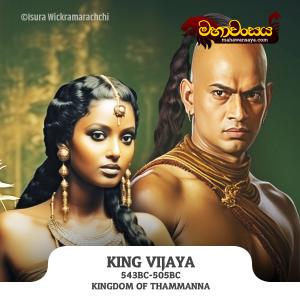
King Vijaya
543 BC-505 BC
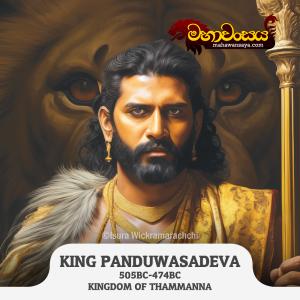
King Panduvasdeva
504 BC-474 BC
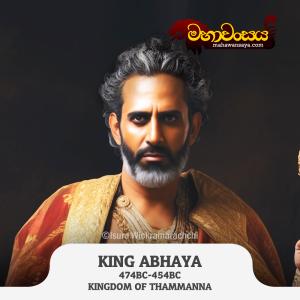
King Abhaya
474 BC-454 BC
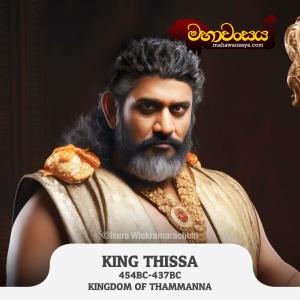
King Tissa
454 BC-437 BC
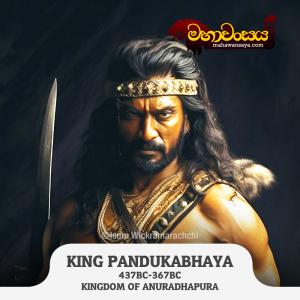
King Pandukabhaya
437 BC-367 BC
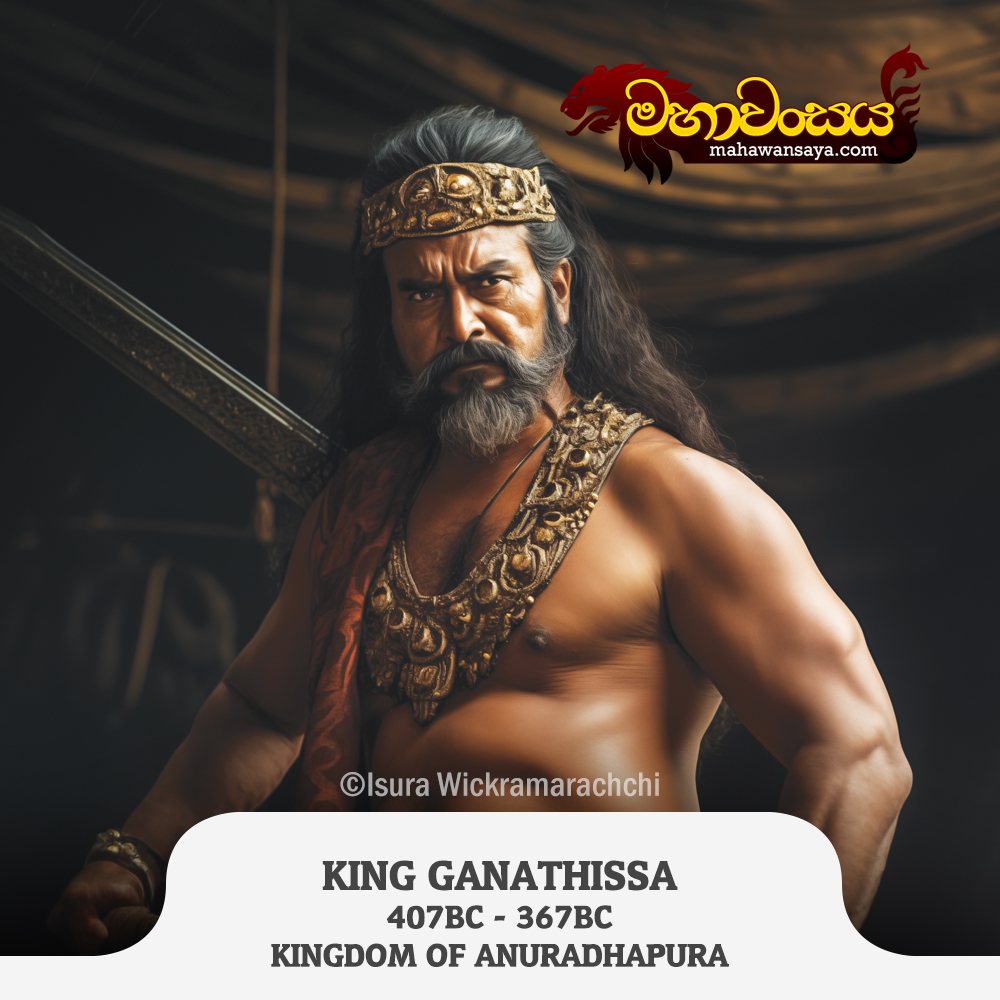
King Ganathissa
407 BC-367 BC
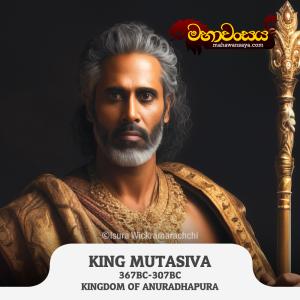
King Mutasiva
367 BC-307 BC
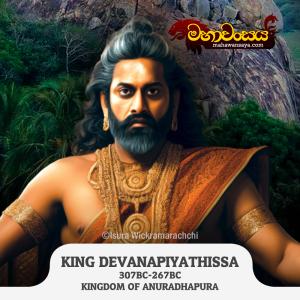
King Devanampiya Tissa
307 BC-267 BC
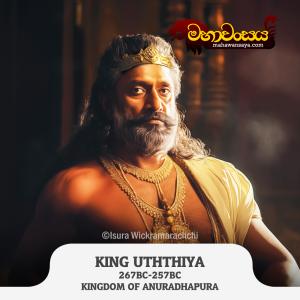
King Uttiya
267 BC-257 BC
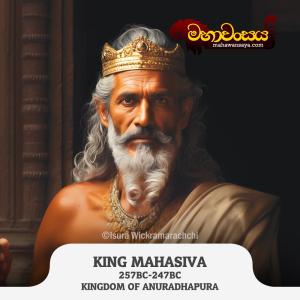
King Mahasiva
257 BC-247 BC
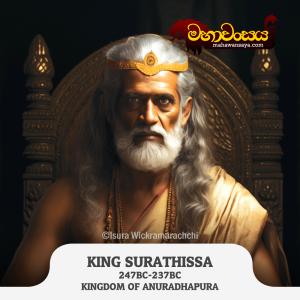
King Suratissa
247 BC-237 BC
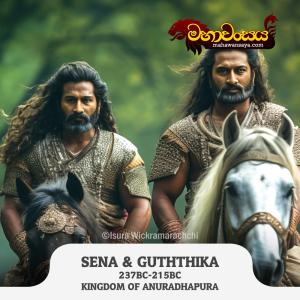
Sena and Guttika
237 BC-215 BC
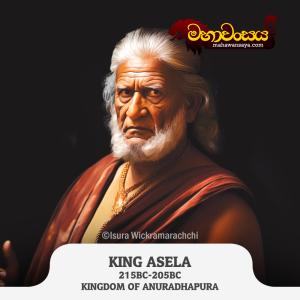
King Asela
215 BC-205 BC
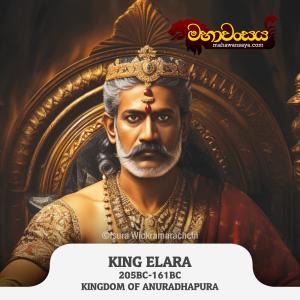
King Elara
205 BC-161 BC
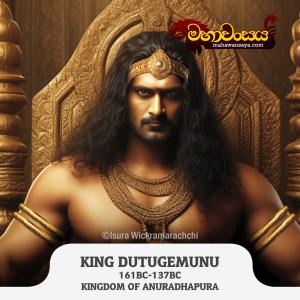
King Dutugemunu
161 BC-137 BC
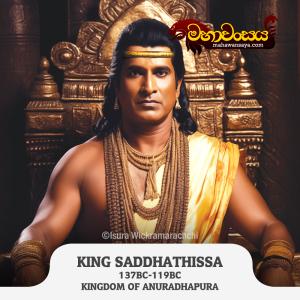
King Saddha Tissa
137 BC-119 BC
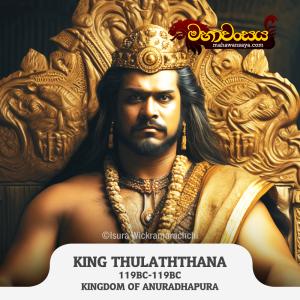
King Thulatthana
119 BC-119 BC
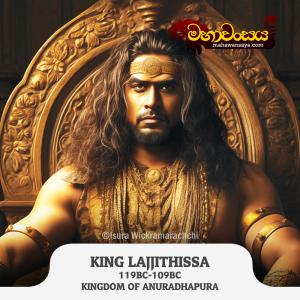
King Lajjithissa
119 BC-109 BC
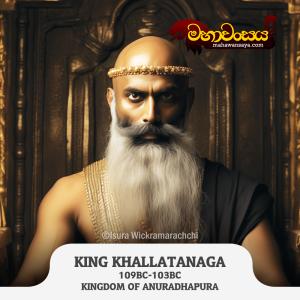
King Khallata Naga
109 BC-103 BC
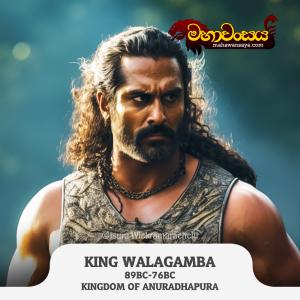
King Walagamba
89 BC-76 BC
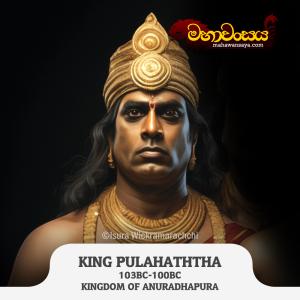
King Pulahaththa
103 BC-100 BC
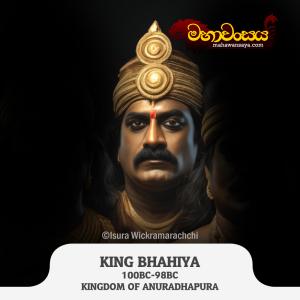
King Bhahiya
100 BC-98 BC
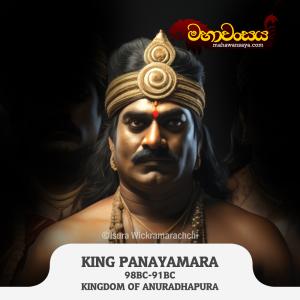
King Panayamara
98 BC-91 BC
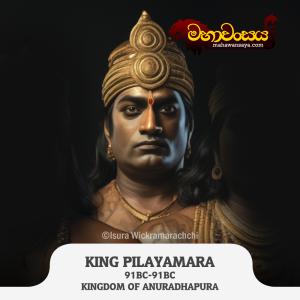
King Piliyamara
91 BC-91 BC
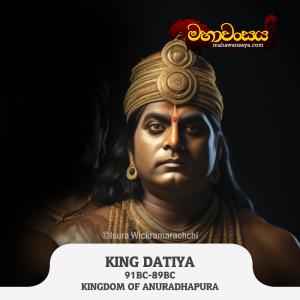
King Dathiya
91 BC-89 BC
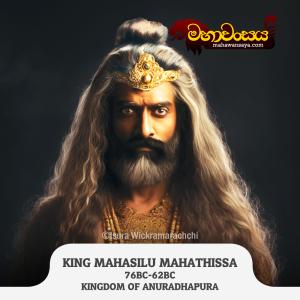
King Mahachulikamahathissa
76 BC-62 BC
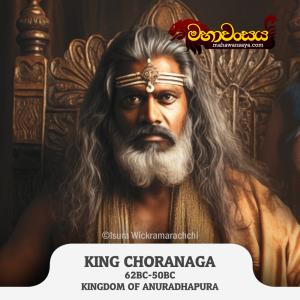
King Choranaga
62 BC-50 BC
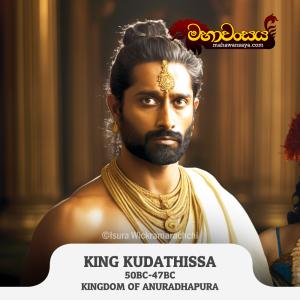
King Kuda Thissa
50 BC-47 BC
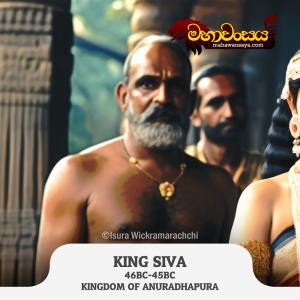
King Siva I
47 BC-45 BC
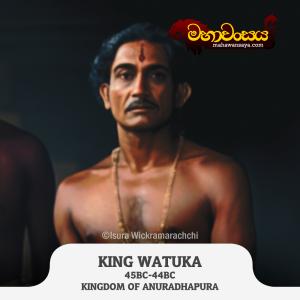
King Vatuka
45 BC-44 BC
King Darubhatika Tissa
44 BC-43 BC
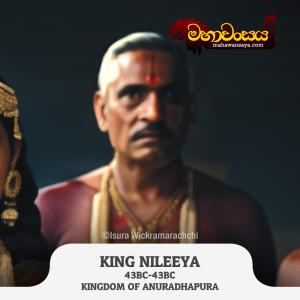
King Neeliya
43 BC-43 BC
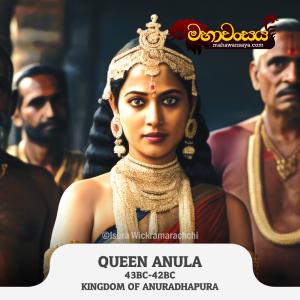
Queen Anula
43 BC-42 BC
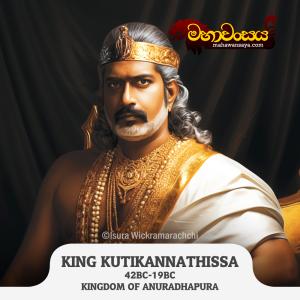
King Kutikanna Tissa
42 BC-19 BC
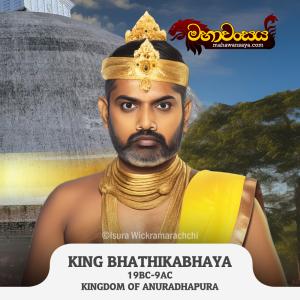
King Bhathikabhaya
19 BC-9 AC
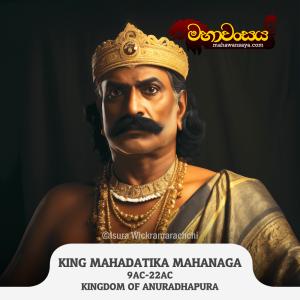
King Mahadatika Mahanaga
9 AC-22 AC
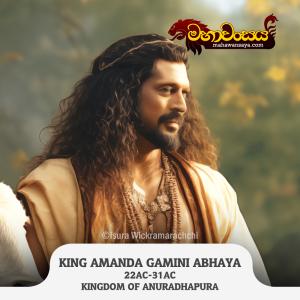
King Amandagamani Abhaya
22 AC-31 AC
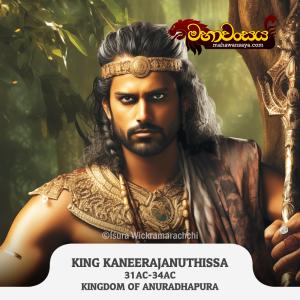
King Kanirajanu Tissa
31 AC-34 AC
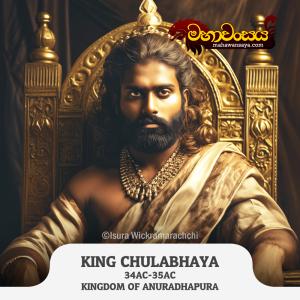
King Chulabhaya
34 AC-35 AC
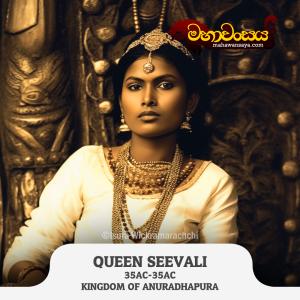
Queen Seevali
35 AC-35 AC
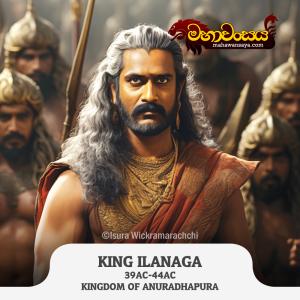
King Ilanaga
39 AC-44 AC
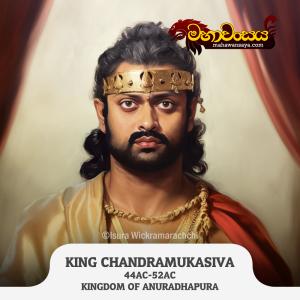
King Chandra Mukha Siva
44 AC-52 AC
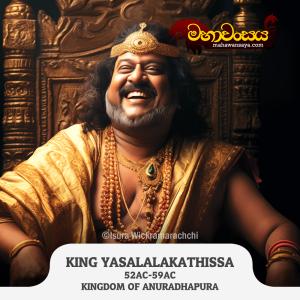
King Yassalalaka Thissa
52 AC-59 AC
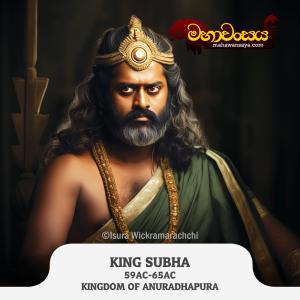
King Subha
59 AC-65 AC
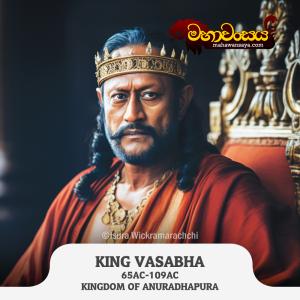
King Vasabha
65 AC-109 AC
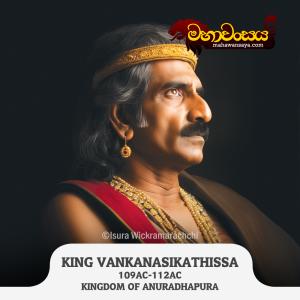
King Vankanasika Tissa
109 AC-112 AC
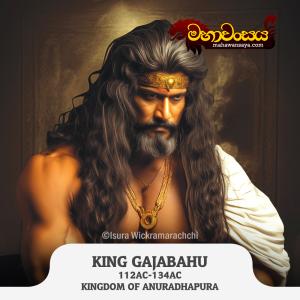
King Gajabahu I
112 AC-134 AC
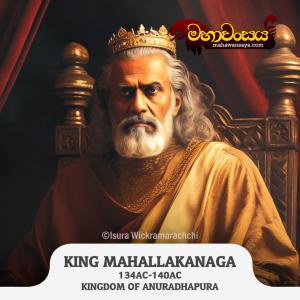
King Mahallaka Naga
134 AC-140 AC
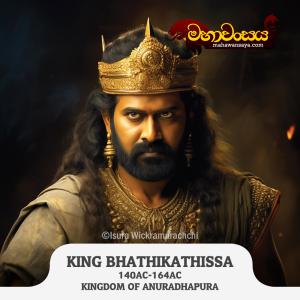
King Bhathika Thissa
140 AC-164 AC
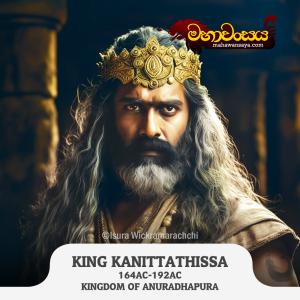
King Kanitta Tissa
164 AC-192 AC
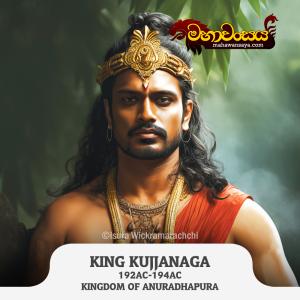
King Kujjanaga
192 AC-194 AC
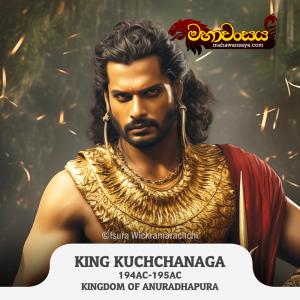
King Kudda Naga
194 AC-195 AC
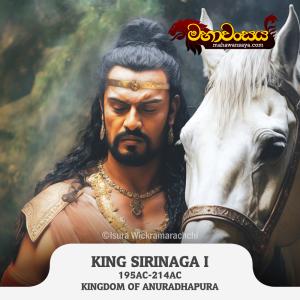
King Sirinaga I
195 AC-214 AC
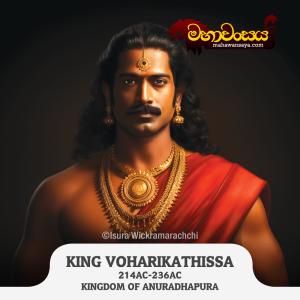
King Voharika Tissa
214 AC-236 AC
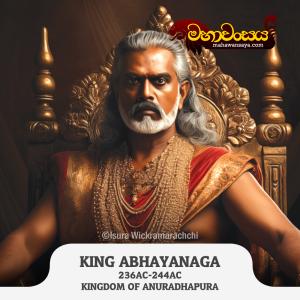
King Abhaya Naga
236 AC-244 AC
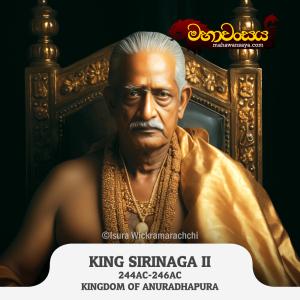
King Sirinaga II
244 AC-246 AC
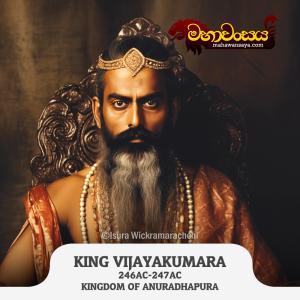
King Vijaya Kumara
246 AC-247 AC
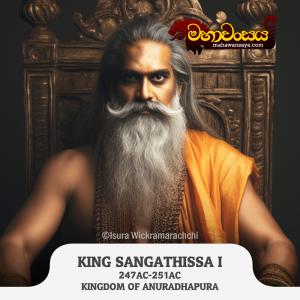
King Sangha Tissa I
247 AC-251 AC
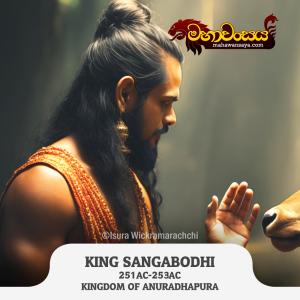
King Siri Sangha Bodhi I
251 AC-253 AC
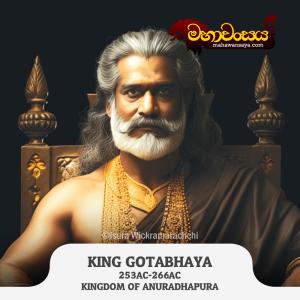
King Gotabhaya
253 AC-266 AC
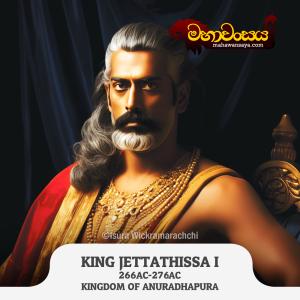
King Jetta Tissa I
266 AC-276 AC
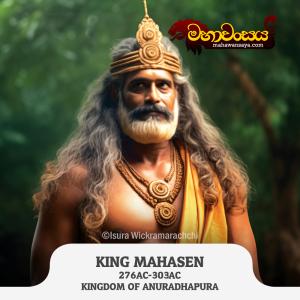
King Mahasen
276 AC-303 AC
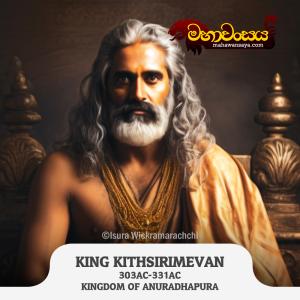
King Kithsirimewan
303 AC-331 AC
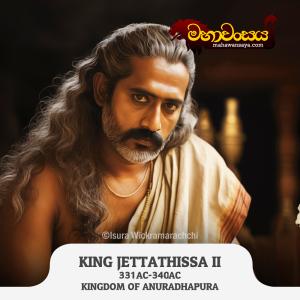
King Jetta Tissa II
331 AC-340 AC
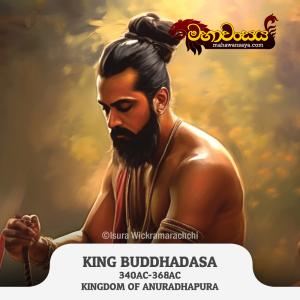
King Buddhadasa
340 AC-368 AC
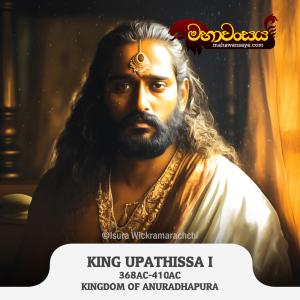
King Upatissa I
368 AC-410 AC
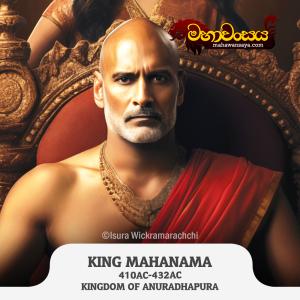
King Mahanama
410 AC-432 AC
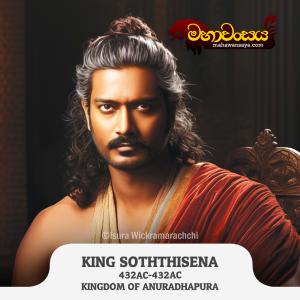
King Soththisena
432 AC-432 AC
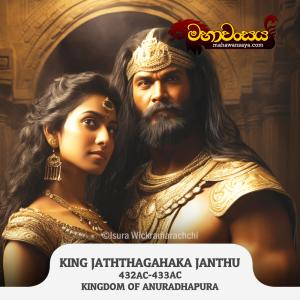
King Jaththagahaka Janthu
432 AC-433 AC
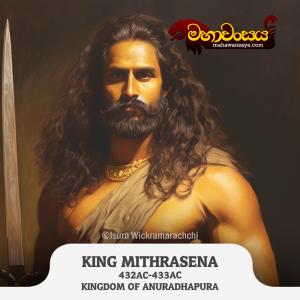
King Miththasena
432 AC-433 AC
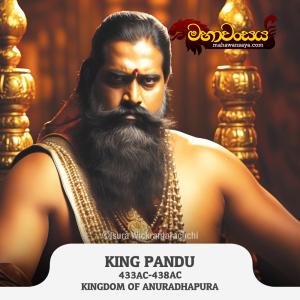
King Pandu
433 AC-438 AC
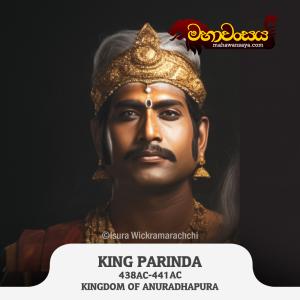
King Parinda
438 AC-441 AC
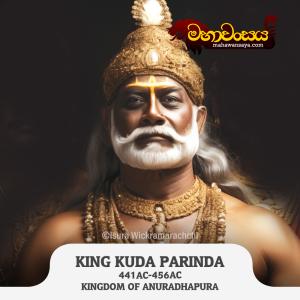
King Kuda Parinda
441 AC-456 AC
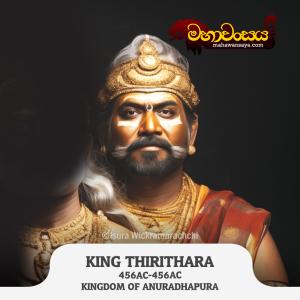
King Thirithara
456 AC-456 AC
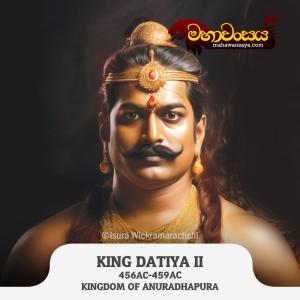
King Datiya II
456 AC-459 AC
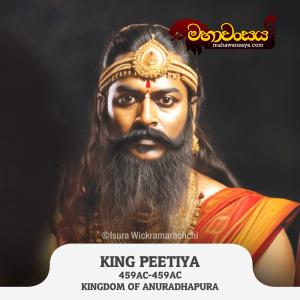
King Peetiya
459 AC-459 AC
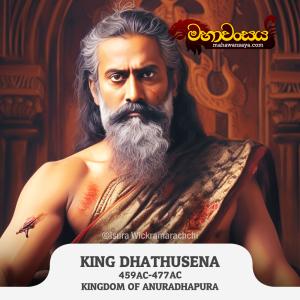
King Dhathusena
459 AC-477 AC
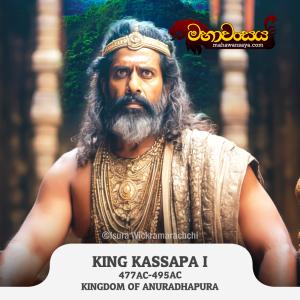
King Kassapa I
477 AC-495 AC
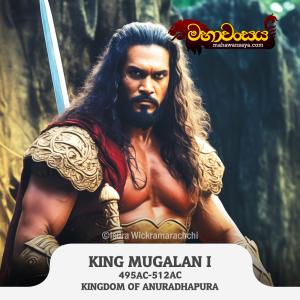
King Mugalan I
495 AC-512 AC
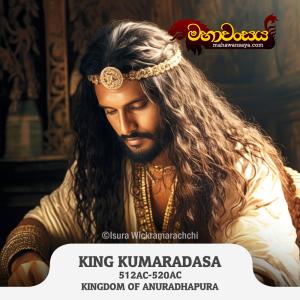
King Kumaradasa
512 AC-520 AC
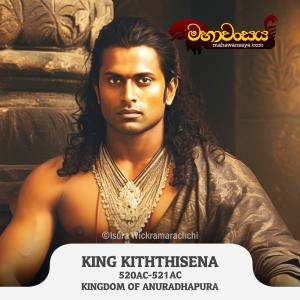
King Kiththisena
520 AC-521 AC
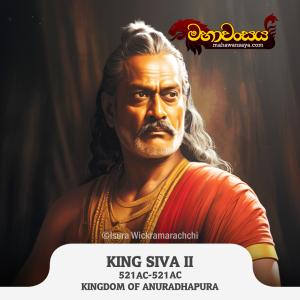
King Siva II
521 AC-521 AC
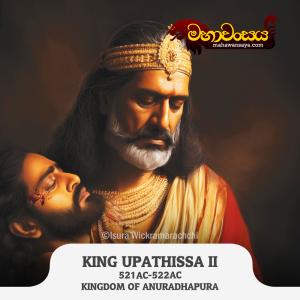
King Upatissa II
521 AC-522 AC
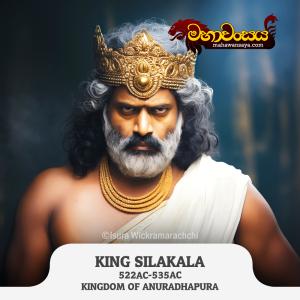
King Silakala
522 AC-535 AC
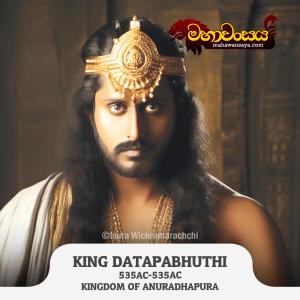
King Datappabhuthi
535 AC-535 AC
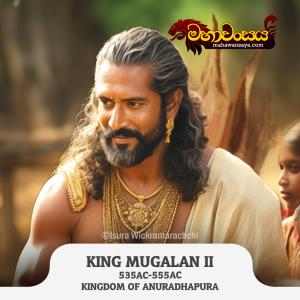
King Mugalan II
535 AC-555 AC
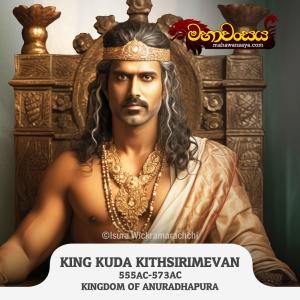
King Kiththisirimegha
555 AC-573 AC
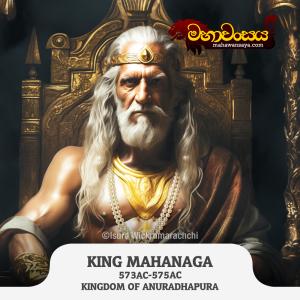
King Mahanaga
573 AC-575 AC
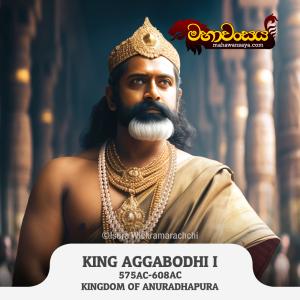
King Aggabodhi I
575 AC-608 AC
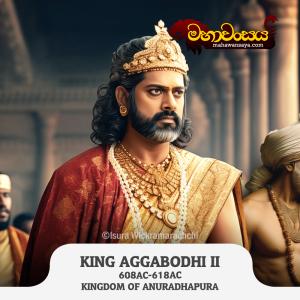
King Aggabodhi II
608 AC-618 AC
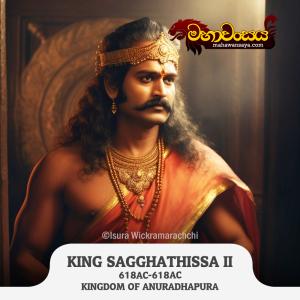
King Sangha Tissa II
618 AC-618 AC
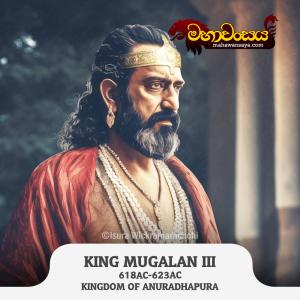
King Mugalan III
618 AC-623 AC
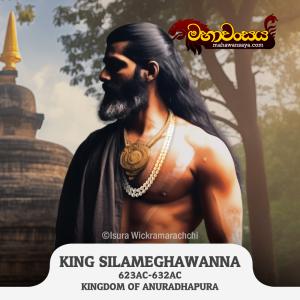
King Silameghavanna
623 AC-632 AC
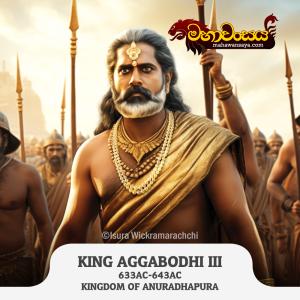
King Aggabodhi III
633 AC-643 AC
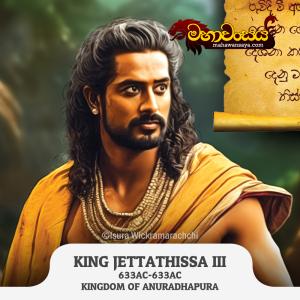
King Jetta Tissa III
633 AC-633 AC
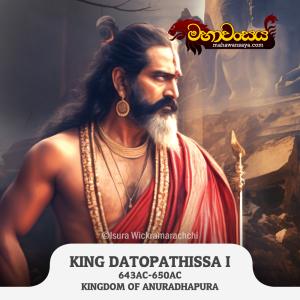
King Datopathissa i
643 AC-650 AC
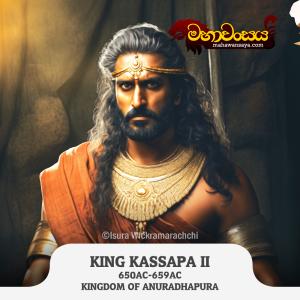
King Kassapa II
650 AC-659 AC
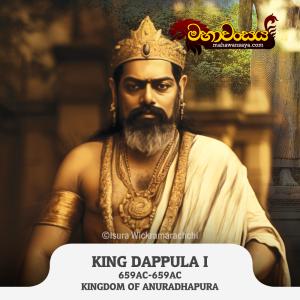
King Dappula I
659 AC-659 AC
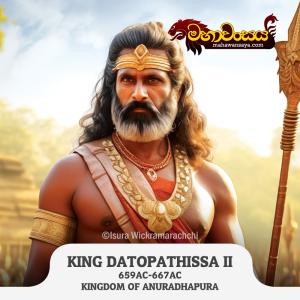
King Datopathissa II
659 AC-667 AC
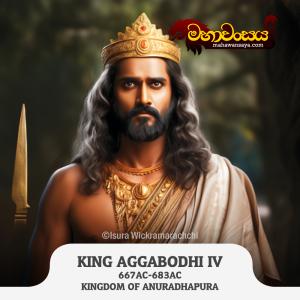
King Aggabodhi IV
667 AC-683 AC
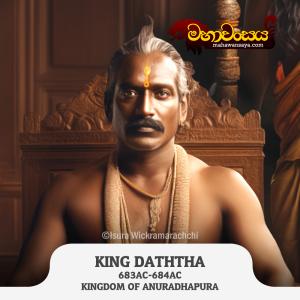
King Daththa
683 AC-684 AC
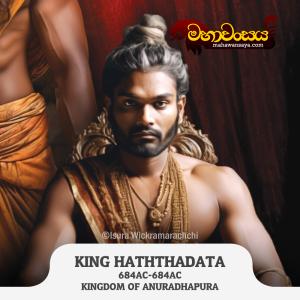
King Haththadata
684 AC-684 AC
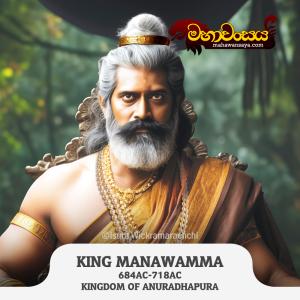
King Manavamma
684 AC-718 AC
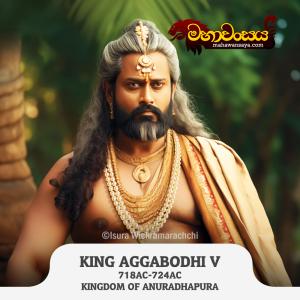
King Aggabodhi V
718 AC-724 AC
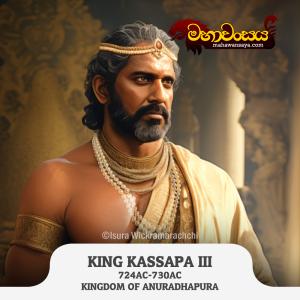
King Kassapa III
724 AC-730 AC
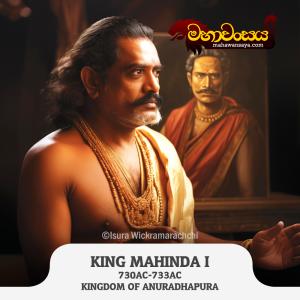
King Mahinda I
730 AC-733 AC
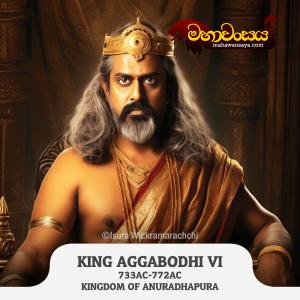
King Aggabodhi VI
733 AC-772 AC
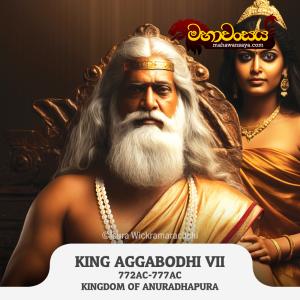
King Aggabodhi VII
772 AC-777 AC
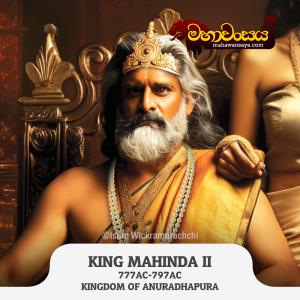
King Mahinda II
777 AC-797 AC
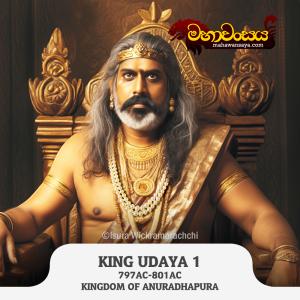
King Udaya I
797 AC-801 AC
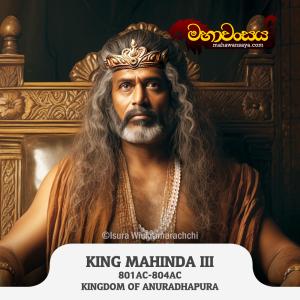
King Mahinda III
801 AC-804 AC
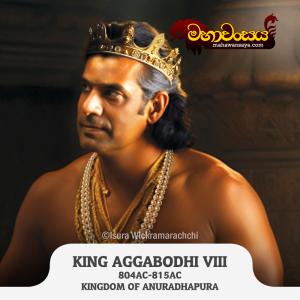
King Aggabodhi VIII
804 AC-815 AC
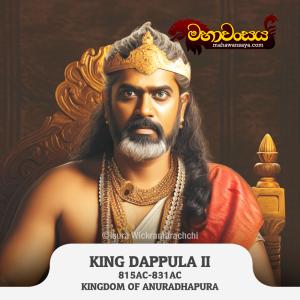
King Dappula II
815 AC-831 AC
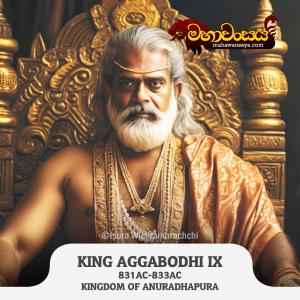
King Aggabodhi IX
831 AC-833 AC
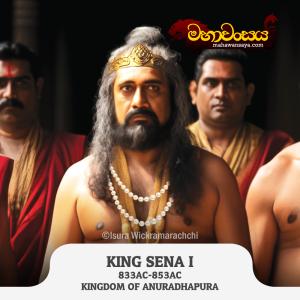
King Sena I
833 AC-853 AC
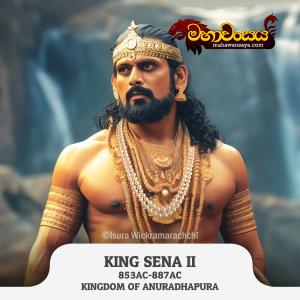
King Sena II
853 AC-887 AC
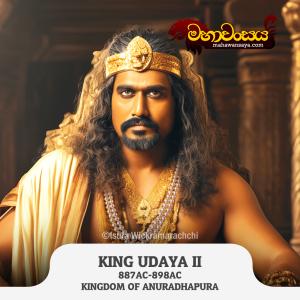
King Udaya II
887 AC-898 AC
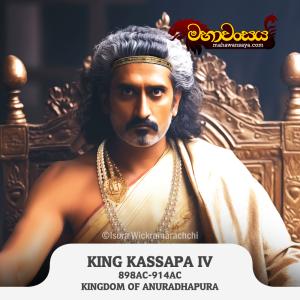
King Kassapa IV
898 AC-914 AC
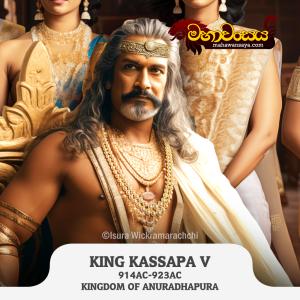
King Kassapa V
914 AC-923 AC
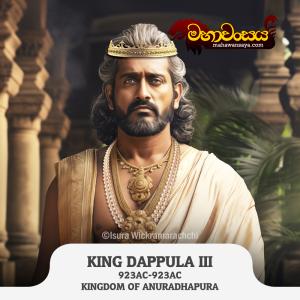
King Dappula III
923 AC-923 AC
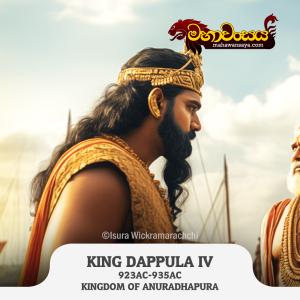
King Dappula IV
923 AC-935 AC
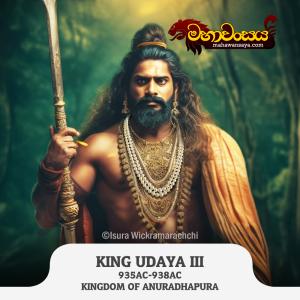
King Udaya III
935 AC-938 AC
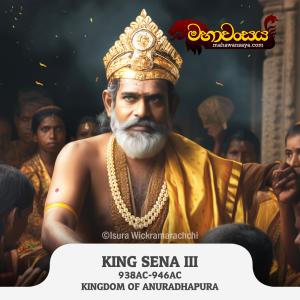
King Sena III
938 AC-946 AC
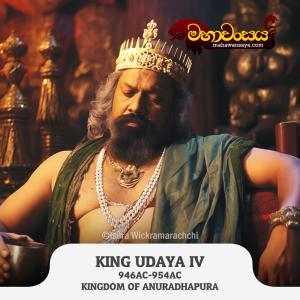
King Udaya IV
946 AC-954 AC
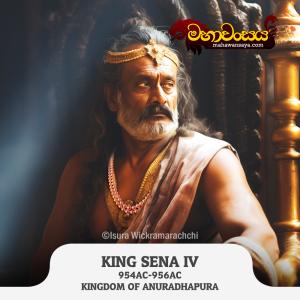
King Sena IV
954 AC-956 AC
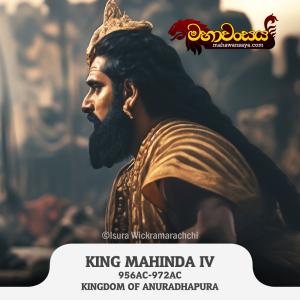
King Mahinda IV
956 AC-972 AC
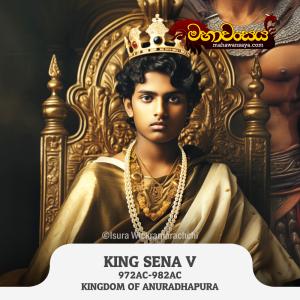
King Sena V
972 AC-982 AC
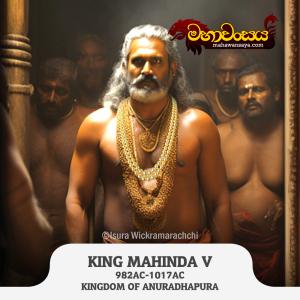
King Mahinda V
982 AC-1017 AC
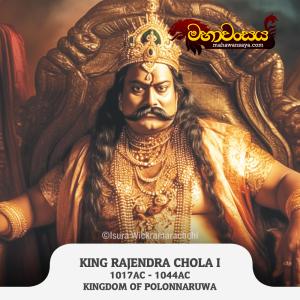
Rajendra Chola I
1017 AC-1044 AC
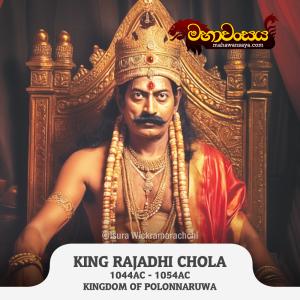
Rajadhiraja Chola
1044 AC-1054 AC
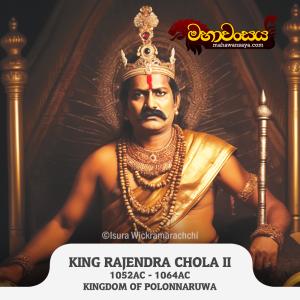
Rajendra Chola II
1052 AC-1064 AC
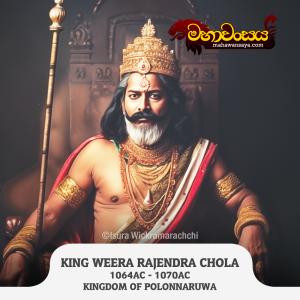
Virarajendra Chola
1064 AC-1070 AC
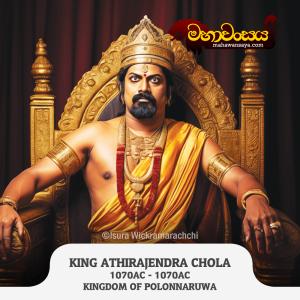
Athirajendra Chola
1070 AC-1070 AC
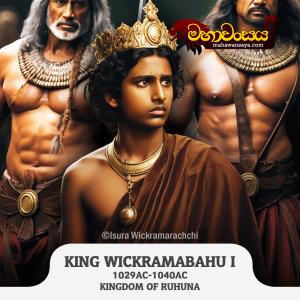
King Wickramabahu I
1029 AC-1040 AC
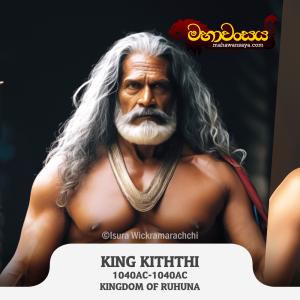
King General Keerthi
1040 AC-1040 AC
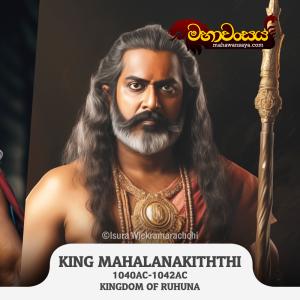
King Mahalana Kiththi
1040 AC-1042 AC
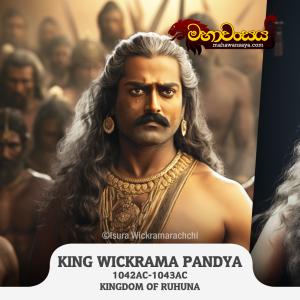
King Wickrama Pandu
1042 AC-1043 AC
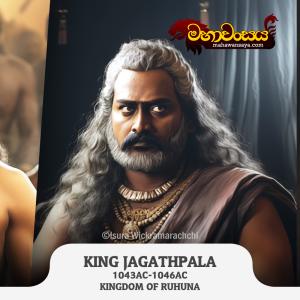
King Jagathpala
1043 AC-1046 AC
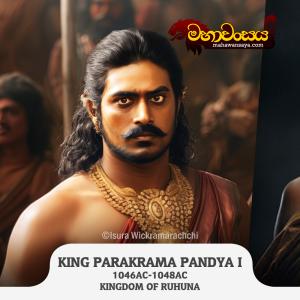
King Parakrama Pandu
1046 AC-1048 AC
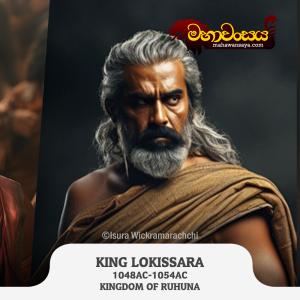
King Lokissara
1048 AC-1054 AC
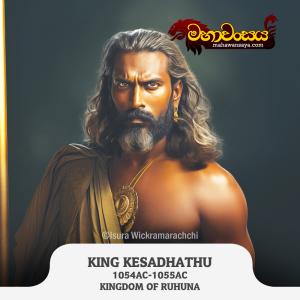
King Kesadhathu
1054 AC-1055 AC
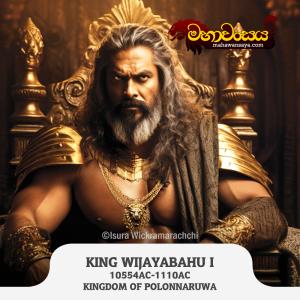
King Vijayabahu I
1055 AC-1110 AC
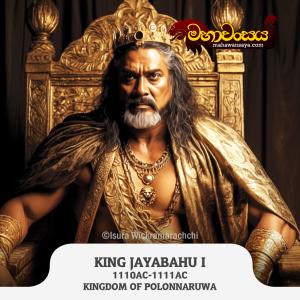
King Jayabahu I
1110 AC-1111 AC
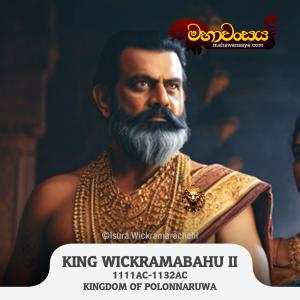
King Wickramabahu II
1111 AC-1132 AC
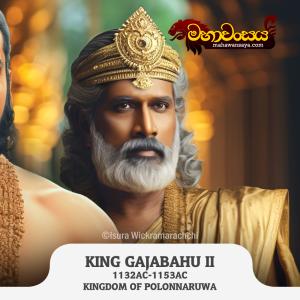
King Gajabahu II
1032 AC-1053 AC
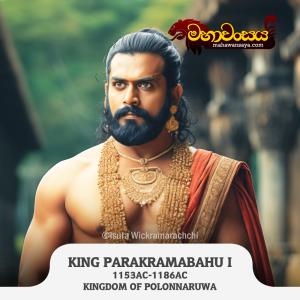
King Parakramabahu I
1053 AC-1086 AC
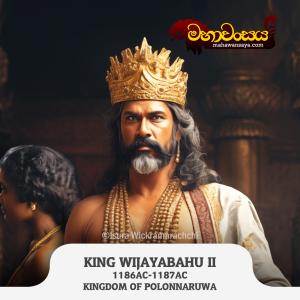
King Vijayabahu II
1186 AC-1187 AC
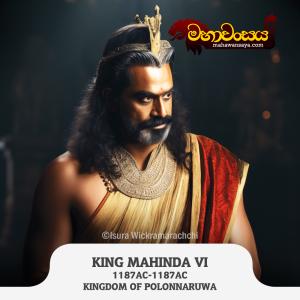
King Mahinda VI
1187 AC-1187 AC
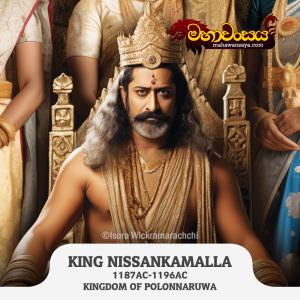
King Nissanka Malla
1187 AC-1196 AC
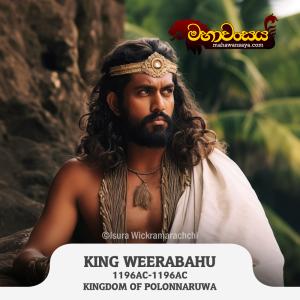
King Weerabahu I
1196 AC-1196 AC
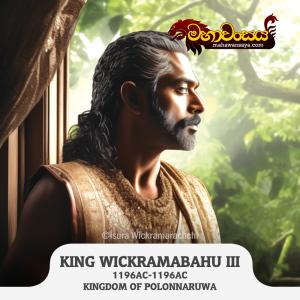
King Wickramabahu III
1196 AC-1196 AC
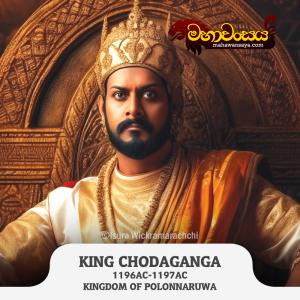
King Chodaganga
1196 AC-1197 AC
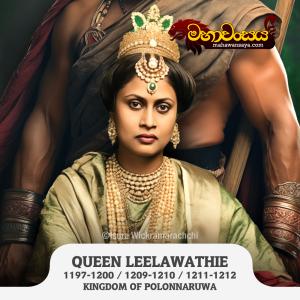
Queen Leelawathie
1197 AC-1200 AC
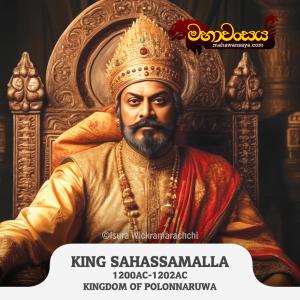
King Sahasamalla
1200 AC-1202 AC
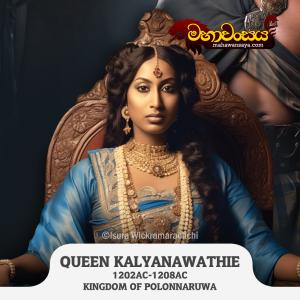
Queen Kalyanawathie
1202 AC-1208 AC
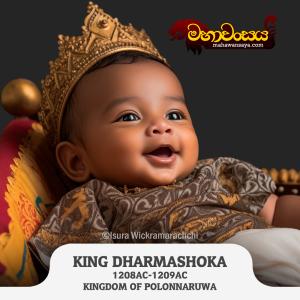
King Dharmasoka
1208 AC-1209 AC
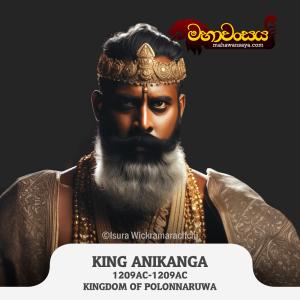
King Anikanga
1209 AC-1209 AC
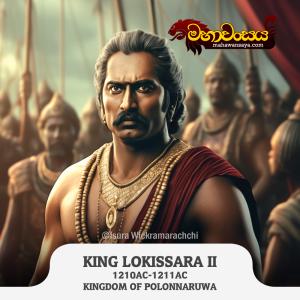
King Lokissara ii
1210 AC-1211 AC
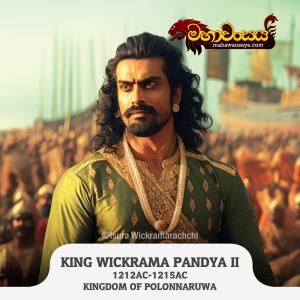
King Parakrama Pandu II
1212 AC-1215 AC
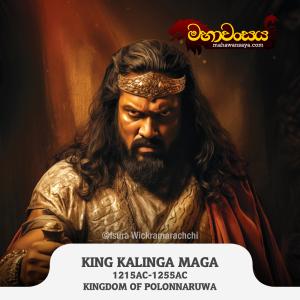
King Kalinga Magha
1215 AC-1255 AC
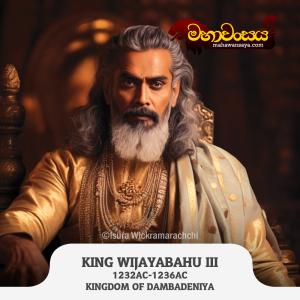
King Vijayabahu III
1232 AC-1236 AC
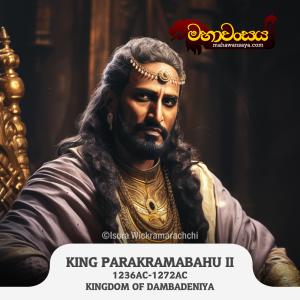
King Parakramabahu II
1236 AC-1272 AC
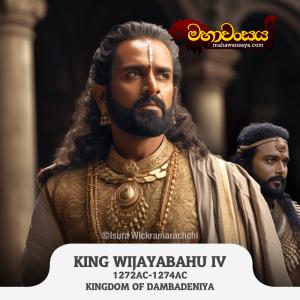
King Vijayabahu IV
1272 AC-1274 AC
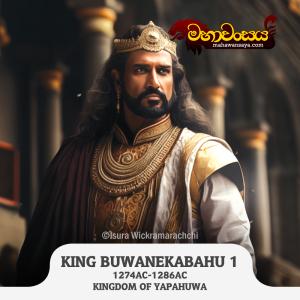
King Buvanekabahu I
1274 AC-1286 AC
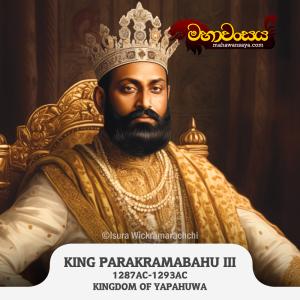
King Parakramabahu III
1287 AC-1293 AC
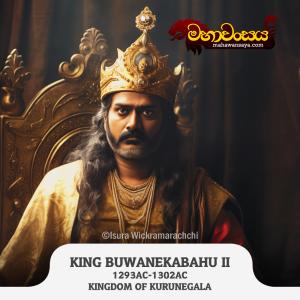
King Buvanekabahu II
1293 AC-1302 AC
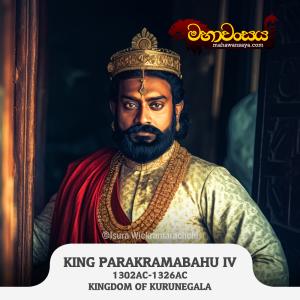
King Parakramabahu IV
1302 AC-1326 AC
-208.jpg)
King Buvanekabahu III (Vanni B
1326 AC-1335 AC
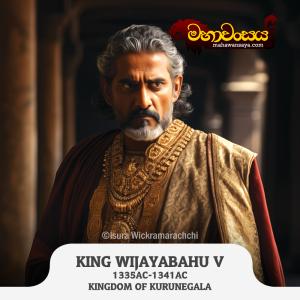
King Vijayabahu V
1335 AC-1341 AC
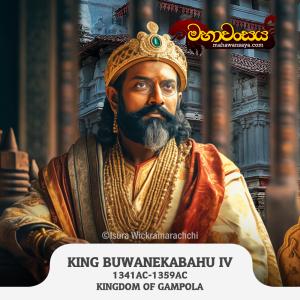
King Buvanekabahu IV
1341 AC-1359 AC
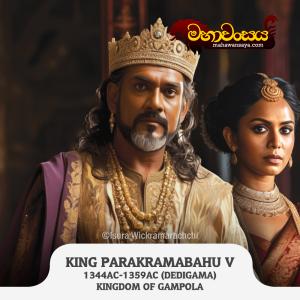
King Parakramabahu V
1344 AC-1359 AC
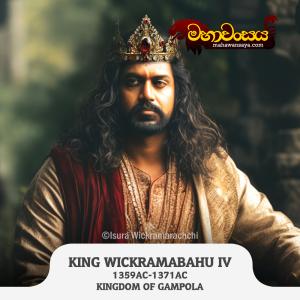
King Wickramabahu IV
1359 AC-1371 AC
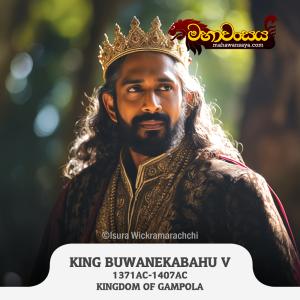
King Buvanekabahu V
1371 AC-1407 AC
-544.jpg)
King Kumara Alakeshwara (Alake
1391 AC-1391 AC
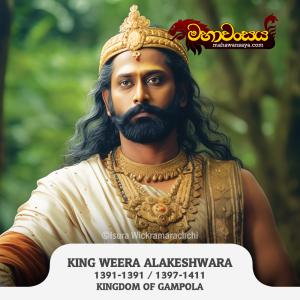
King Weera Alakesvara
1397 AC-1411 AC
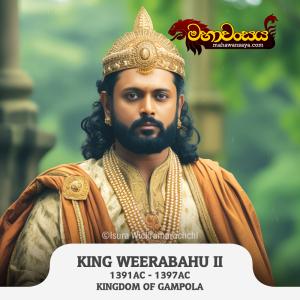
King Weerabahu II
1391 AC-1397 AC
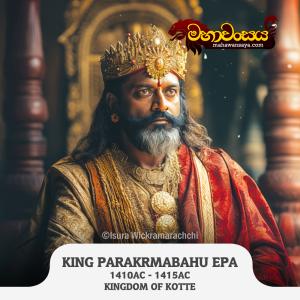
King Parakramabahu Epa
1410 AC-1415 AC
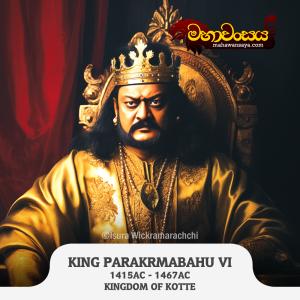
King Parakramabahu VI
1415 AC-1467 AC
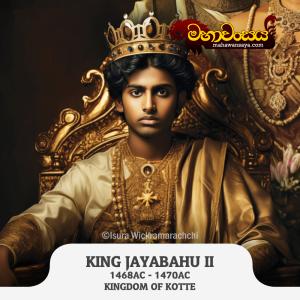
King Jayabahu II
1468 AC-1470 AC
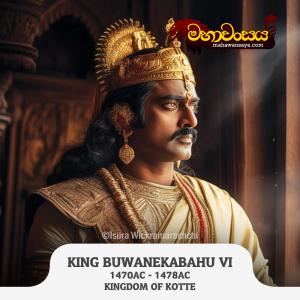
King Buvanekabahu VI
1470 AC-1478 AC
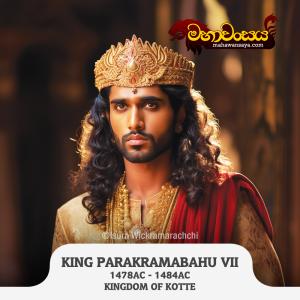
King Panditha Parakramabahu VI
1478 AC-1484 AC
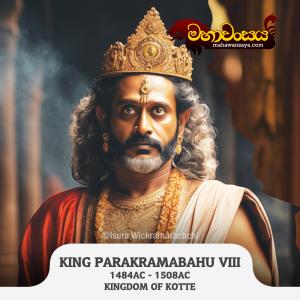
King Weera Parakramabahu VIII
1484 AC-1508 AC
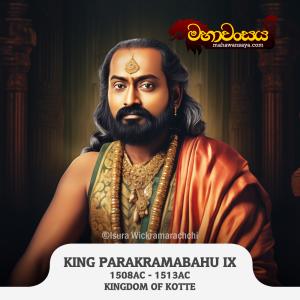
King Darma Parakramabahu IX
1508 AC-1513 AC
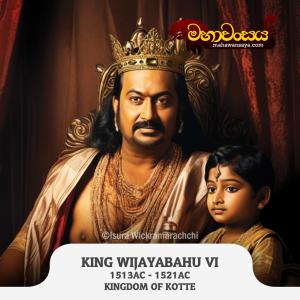
King Vijayabahu VI
1513 AC-1521 AC
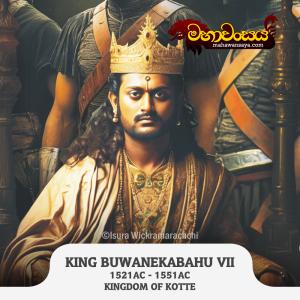
King Buvanekabahu VII
1521 AC-1551 AC
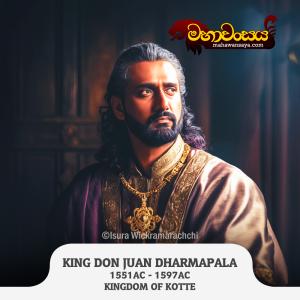
King Don Juwan Dharmapala
1551 AC-1597 AC
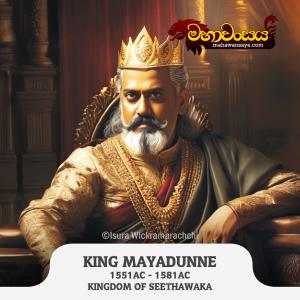
King Mayadunne
1551 AC-1581 AC
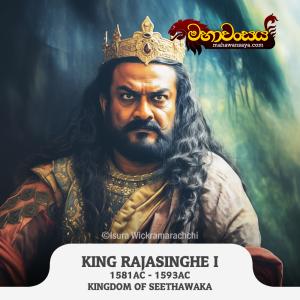
King Rajasinha I
1581 AC-1593 AC
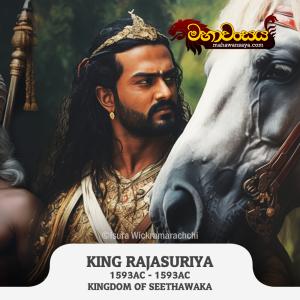
King Rajasooriya
1593 AC-1593 AC
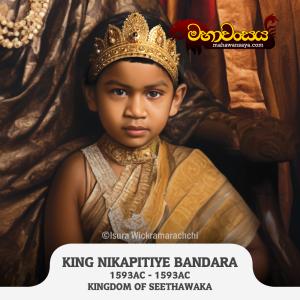
King Nikapitiye Bandara
1593 AC-1593 AC
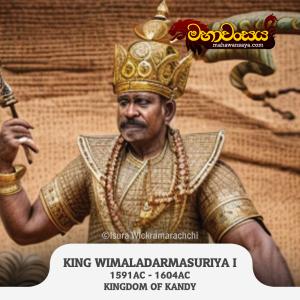
King Wimaladharmasuriya I
1591 AC-1604 AC
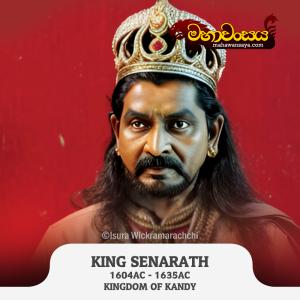
King Senarat
1604 AC-1635 AC
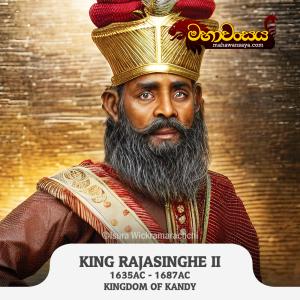
King Rajasinha II
1635 AC-1687 AC
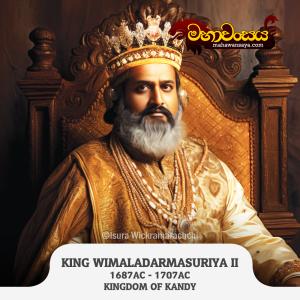
King Wimaladharmasuriya II
1687 AC-1707 AC
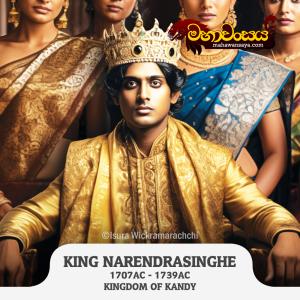
King Sri Weera Parakrama Naren
1707 AC-1739 AC
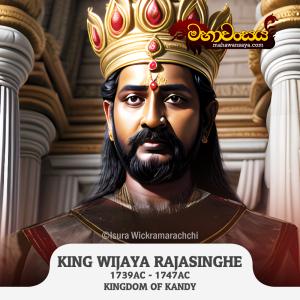
King Sri Wijaya Rajasingha
1739 AC-1747 AC
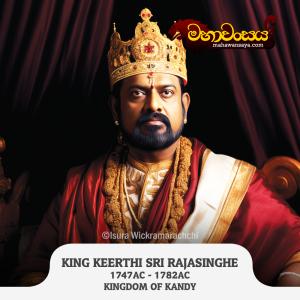
King Keerthi Sri Rajasingha
1747 AC-1782 AC
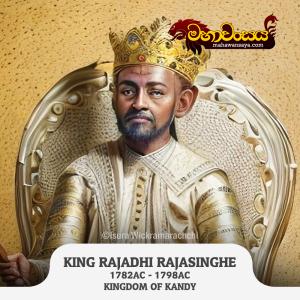
King Rajadhi Rajasinha
1782 AC-1798 AC
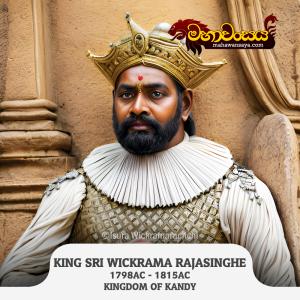
King Sri Wikrama Rajasinha
1798 AC-1815 AC

Pedro Lopes de Sousa
1594 AC-1594 AC
Joao da Silveira
1518 AC-1518 AC
Lopo de Brito
1518 AC-1522 AC
Fernao Gomes de Lemos
1522 AC-1524 AC
Joao Henriques
1551 AC-1552 AC
Diogo de Melo Coutinho
1552 AC-1552 AC
Duarte de Eca
1552 AC-1553 AC
Fernao Carvalho
1553 AC-1555 AC

Willem Jacobszoon Coster
1640 AC-1640 AC
Jan Thyszoon Payart
1640 AC-1646 AC
The manner in which Prince Pandukabhaya was born amid various obstacles has been explained earlier. His upbringing, education, and acquisition of the kingdom are recorded in the sources in a way that can be heard with great curiosity. These events remain vivid in the memory of both beginners and experienced students of history because of the narrative appeal they contain. It may be for this reason that ancient historical chronicles incorporated facts in the form of stories. Like other such accounts, the story of Pandukabhaya too has been presented in an engaging manner.
The slave woman who had been entrusted with Prince Pandukabhaya by Ummada Chitra set out for Doramadala village, carrying the basket in which the child was hidden. On the way, the uncles who had gone hunting noticed this journey, became suspicious, and prepared to examine the basket. At this moment, through the stratagem of Chittaraja and Kalavela, the slave woman was able to protect the prince. By this time, those two had died and had been reborn as yakkhas. As the princes were about to examine the basket, their attention was drawn to Chittaraja, who appeared in the guise of an ascetic. At that very moment, the slave woman seized the basket and fled, gaining refuge in the house of a village headman.
When the prince reached the age of seven, the uncles came to know that he was still alive. Learning that the prince went to a pond to play in the water with cowherd boys, they sent spies to kill the cowherd children. Because the prince had the habit of hiding in the hollow of a tree by the water, he once again concealed himself there and escaped death.
However, five years later, upon learning again that the prince was alive, the uncles lay in wait to kill him. When the prince went with the cowherd boys to a grassland, he came carrying fire for their needs, but when the fire was handed to the child of the village headman, he escaped death for the fourth time. The prince reached the age of sixteen. Thereafter, for the purpose of learning arts and sciences, he was sent south to Pandulagama to a Brahmin renowned by that very name, who had reached the pinnacle of learning in medicine and scholarship. Knowing that the prince would become king in the future, the Brahmin Pandula taught him all the necessary arts and sciences. During this period, the prince received all the wealth he needed from his mother.
After completing his education, the Brahmin Pandula handed over to him his own son, Prince Chanda, together with the necessary wealth, gave him instructions on organizing an army, and sent him forth for conquest. Having declared who he was, the prince went with about five hundred followers and established a camp at a city called Pana near Kasagala. This later became the final camping ground used by King Dutugemunu when he came with his army to liberate Anuradhapura. From the account of Pandukabhaya, it is evident that even before King Dutugemunu, the Kasagala region was a victorious battlefield and a settlement not lacking in heroic men.
After obtaining a further seven hundred followers and the necessary provisions, the prince set out for a region called Girikandaparvata. The Brahmin Pandula had earlier instructed him that when he received the royal consecration, he should make as his chief queen any woman who plucked leaves that turned golden, and that he should appoint his son Chanda as his chief priest.
At that time, the Girikanda region was ruled by one of Pandukabhaya’s uncles named Siva, also known as Girikandasiva. His daughter Pali met Prince Pandukabhaya on the way as she was carrying rice to her father who was engaged in farming. Pali served food to the prince from a golden bowl and, to serve the rest of the group, plucked some leaves from a nearby banyan tree. Those leaves turned golden. Remembering the words of the Brahmin Pandula, the prince placed her on his chariot and fled.
When her father Girikandasiva learned of this, he became enraged and pursued the prince with his men to capture him. Fighting near a place called Kalahagala, the prince routed them. He then defeated the five brothers of the princess who had come to fight him at Lohitavahakhandaya, crossed the Mahaveli River, and went to Dolaparvata, where he resided for four years.
There, the uncles assembled and came to battle, setting up camp near Dhumarakkhapabbata. After Pandukabhaya drove them back across the river, the king Abhaya intended to hand over the territory beyond the river to the prince and sent him a letter to that effect. As mentioned earlier, when the other brothers learned of this, they prepared to kill King Abhaya, and thus he renounced the throne. The uncles entrusted the kingdom to Prince Tissa and continued their efforts to destroy Prince Pandukabhaya.
Learning that a yakkhini named Chetiya, disguised as a mare, was roaming near Dhumarakkhapabbata, Pandukabhaya pursued her and captured her at Kachchakatittha. Terrified by fear of death, the mare-yakkhini begged for mercy and promised to grant him the kingship.
After residing for four years at Dhumarakkhapabbata, the prince went to Aritthapabbata and lived there for seven years. Once again, the uncles came and surrounded the mountain. The cunning prince feigned a desire for peace and suddenly attacked, killing all his enemies. Because a large number of severed heads lay there looking like a heap of pumpkins, the place came to be called Labujagama.
Having won all battles, Prince Pandukabhaya did not go to Upatissagama but entered Anuradhagrama, where his grandfather had lived. He built the city and crowned himself there. He appointed Prince Chanda, the Brahmin, as chief priest, granted his uncle Abhaya the office of night king, and gave appropriate positions to all other supporters. He also built four city gates and a reservoir, thereby expanding the city.
He showed equal honor to the yakkha generals Chittaraja and Kalavela, who had aided him from birth. He built shrines for them, and installed Chetiya, who had taken the form of a mare, within the royal pleasure garden. He offered annual sacrifices to them. He also established the cemetery, the execution ground, the western queen’s shrine, the Vessamuni banyan trees, the Vedidevitala shrine, the Yonasabha ground, the sacrificial hall, Sedol village, Joti hill, and hermitages for the Nigantha ascetics called Kumbhanda. He built the Sotthisala and the Sivikasala as well.
One very important event during the reign of King Pandukabhaya was the demarcation of village boundaries throughout the island in the tenth year after his consecration. Pandukabhaya ascended the throne after the country had been without a ruler for seventeen years. During this period, a king named Ganatissa is said in the Rajaratnakara to have reigned. He appears to have been Tissa, who was appointed after Prince Abhaya, the second son of King Panduvasudeva, renounced kingship.
The Dipavamsa also records this account very briefly but adds two additional details: the list of the uncles’ names and the description of the prince as a bandit during the time of fighting. In the Dipavamsa, the prince’s name is also given as Pakundaka.
The chronicles written after the Mahavamsa relied on these lineage histories as their sources, and therefore show little variation in their accounts. Some scholars like to compare this story with the marvelous tales found in works such as the Jataka Atthakatha, the Mahabharata, and the Harivamsa. Certain events in these works closely correspond to events in the story of Pandukabhaya.
As an example, in the Ghata Jataka, soothsayers foretold that the sons of Princess Devagha would kill her brothers Kamsa and Upakamsa. Therefore, she was confined to an upper chamber and guarded by maidservants. However, a prince named Upasagara from Uttara Madhura secretly associated with her, and she became pregnant. She bore one daughter and nine sons. Fearing that her sons would be killed, she brought in girls from outside and secretly sent away her nine sons. This story closely resembles the Ummada Chitra narrative.
Nevertheless, scholars accept that such stories are invariably based on genuine historical events. King Pandukabhaya was undoubtedly a historical person. He was born in this very land to native parents. Belonging to the Sakya lineage on both sides, he was the first king to be consecrated with the consent and support of the indigenous people. Moreover, he respected and supported the religious beliefs and aspirations of the local population.
Among the places associated with his campaigns—Kalahanagara, Labujagama, Kasapabbata, Dhumarakkhapabbata, and Aritthapabbata—several later became connected with other historical events. Kalahana and Labujagama are identified in a fourth-century inscription found near Ritigala as Labunakaraka. Kasapabbata is also noted as a strategic center in the campaigns of King Dutugemunu.
The Mahavamsa states that Pandukabhaya granted the Girikanda region to his uncle Siva, who resided there. By that time, the only uncles who remained alive were Giribandasiva, the father of Princess Pali, and King Abhaya, who consistently supported the prince. No further information is provided in the chronicles about his father Prince Dighabhaya or his mother Princess Ummada Chitra.
Although the exact location ruled by Girikandasiva is not certain, later evidence suggests it may have been the Girihadu region or the Tiriyaya area in the present-day Trincomalee district. It may be inferred that his paddy fields were located in the Yan Oya basin.
Anuradhagrama was made the capital of Lanka by King Pandukabhaya. Prior to this, it had been founded by Anuradha, a minister of King Vijaya. It is more appropriate to consider that Pandukabhaya expanded and developed the settlement created by Vijaya’s minister Anuradha, rather than founding a new city. When Pandukabhaya entered Anuradhapura after his victories, his grandfather Anuradha was residing there.
The Mahavamsa Tika explains that the city received the name Anuradha for three reasons: because two persons named Anuradha lived there, because it was built under the constellation Anura, and because of its auspicious nature. Situated at the center of the Malwathu Oya basin, this city remained the capital of the country for many centuries. City cleaners, refuse collectors, corpse removers, city guards, and other officials were appointed, ensuring orderly administration.
It is said that the city planner of the king was a Nigantha Brahmin’s son named Joti. The authority of King Pandukabhaya likely extended beyond the Mahaveli River to the region later known as Rohana, where several of his battles took place in the northern part. There is no doubt that he inherited the territory of his father, Dighagamini.
As stated earlier, one of the most significant events of Pandukabhaya’s reign was the demarcation of village boundaries throughout Lanka. This marked the beginning of an organized administrative system following the establishment of settlements and is of great historical importance. A systematic method of village administration would also have emerged. By appointing his maternal uncle Abhaya as night king, it is evident that provisions were made for proper nighttime governance of the city.
The origins of offices such as city guardian and cetiya guardian, mentioned in later Brahmi inscriptions, are also clarified by this. By enlarging a pond, he constructed the Abhaya Reservoir (Basawakkulama) near the city. King Pandukabhaya is honored as the first king to build a reservoir in Sri Lanka.
It is reasonable to say that the organization of a formal system of state administration, the establishment of health services and religious institutions, and the laying of the foundation of the irrigation system that enabled future development were achievements of King Pandukabhaya. The first Mauryan royal dynasty that began with him continued to rule Sri Lanka uninterruptedly for several centuries until King Yasalalaka Tissa.
Ascending the throne at the age of thirty-seven, King Pandukabhaya reigned at Anuradhapura for a remarkably long period of about seventy years.