155
King Kalinga Magha
Kingdom of Polonnaruwa
1215 AC - 1255 AC
1215 AC - 1255 AC

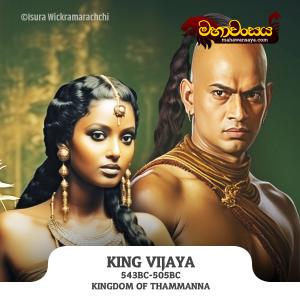
King Vijaya
543 BC-505 BC
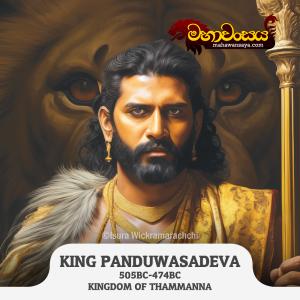
King Panduvasdeva
504 BC-474 BC
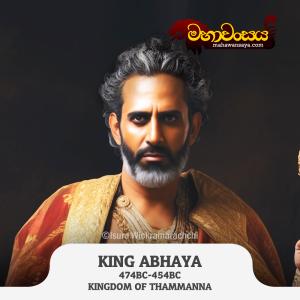
King Abhaya
474 BC-454 BC
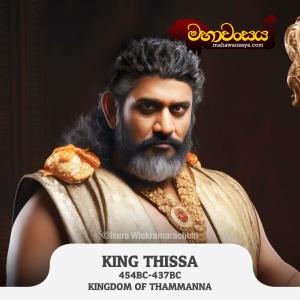
King Tissa
454 BC-437 BC
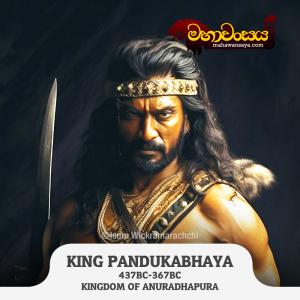
King Pandukabhaya
437 BC-367 BC
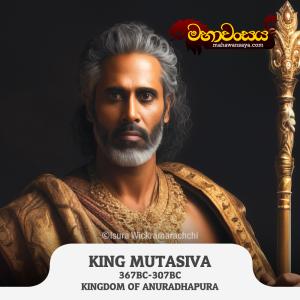
King Mutasiva
367 BC-307 BC
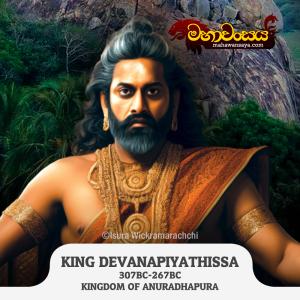
King Devanampiya Tissa
307 BC-267 BC
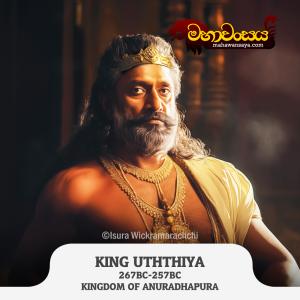
King Uttiya
267 BC-257 BC
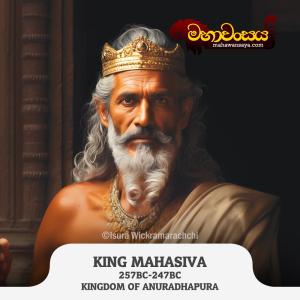
King Mahasiva
257 BC-247 BC
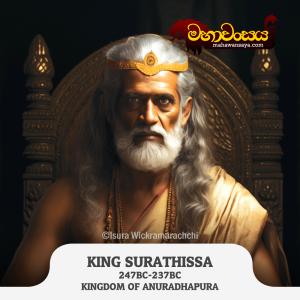
King Suratissa
247 BC-237 BC
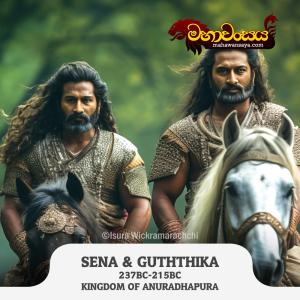
Sena and Guttika
237 BC-215 BC
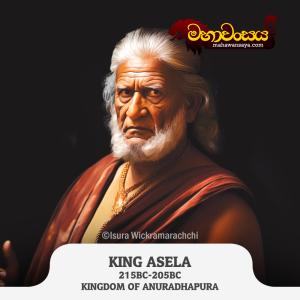
King Asela
215 BC-205 BC
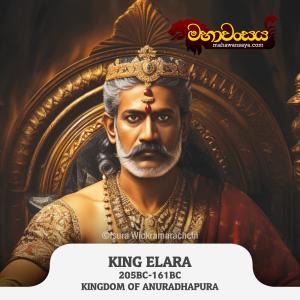
King Elara
205 BC-161 BC
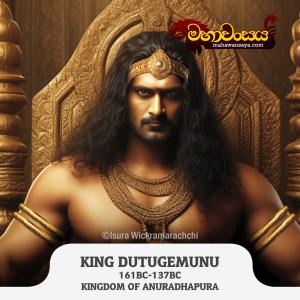
King Dutugemunu
161 BC-137 BC
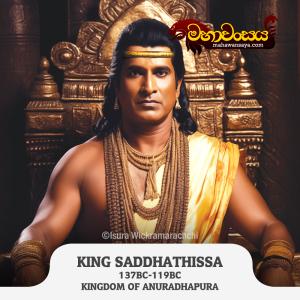
King Saddha Tissa
137 BC-119 BC
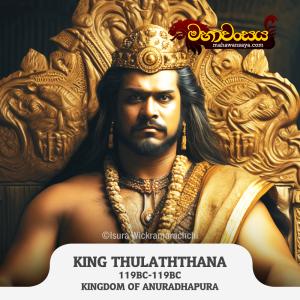
King Thulatthana
119 BC-119 BC
King Lajjithissa
119 BC-109 BC
King Khallata Naga
109 BC-103 BC
King Walagamba
89 BC-76 BC
King Pulahaththa
103 BC-100 BC
King Bhahiya
100 BC-98 BC
King Panayamara
98 BC-91 BC
King Piliyamara
91 BC-91 BC
King Dathiya
91 BC-89 BC
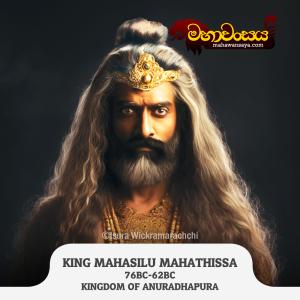
King Mahachulikamahathissa
76 BC-62 BC
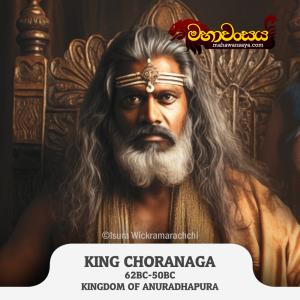
King Choranaga
62 BC-50 BC
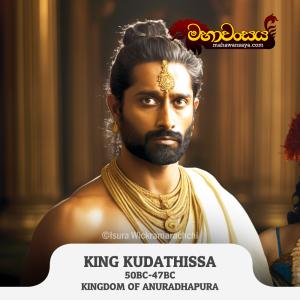
King Kuda Thissa
50 BC-47 BC
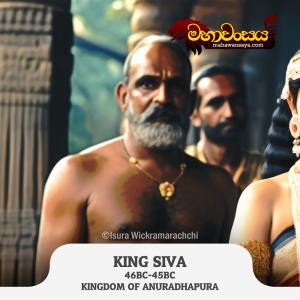
King Siva I
47 BC-45 BC
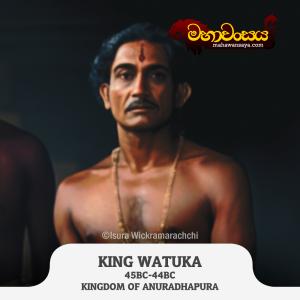
King Vatuka
45 BC-44 BC
King Darubhatika Tissa
44 BC-43 BC
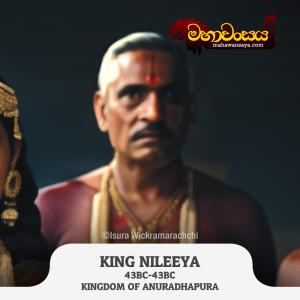
King Neeliya
43 BC-43 BC
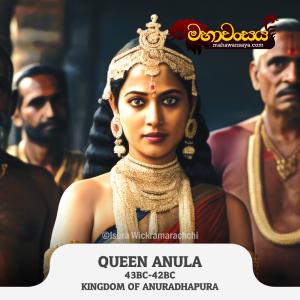
Queen Anula
43 BC-42 BC
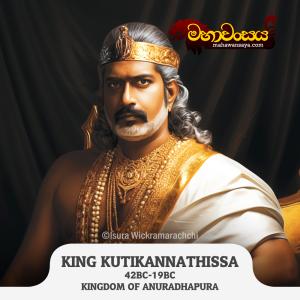
King Kutikanna Tissa
42 BC-19 BC
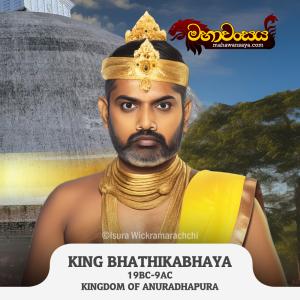
King Bhathikabhaya
19 BC-9 AC
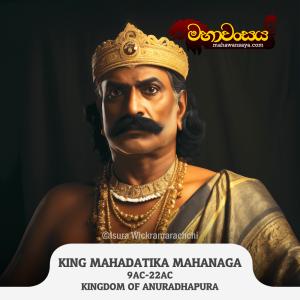
King Mahadatika Mahanaga
9 AC-22 AC
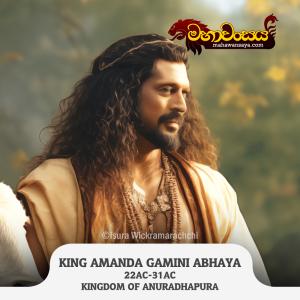
King Amandagamani Abhaya
22 AC-31 AC
King Kanirajanu Tissa
31 AC-34 AC
King Chulabhaya
34 AC-35 AC
Queen Seevali
35 AC-35 AC
King Ilanaga
39 AC-44 AC
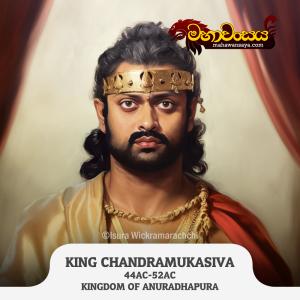
King Chandra Mukha Siva
44 AC-52 AC
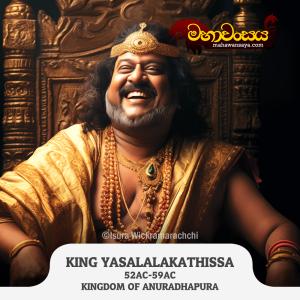
King Yassalalaka Thissa
52 AC-59 AC
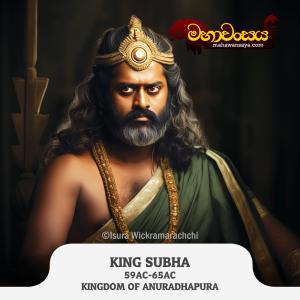
King Subha
59 AC-65 AC
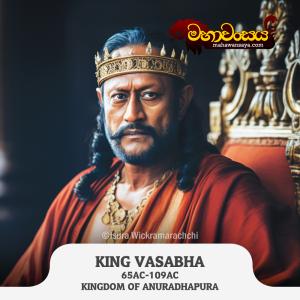
King Vasabha
65 AC-109 AC
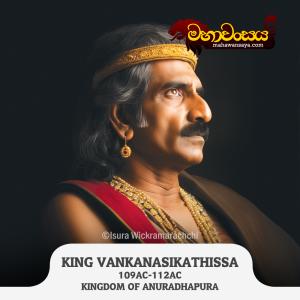
King Vankanasika Tissa
109 AC-112 AC
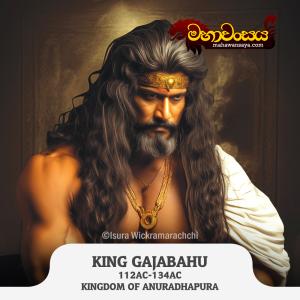
King Gajabahu I
112 AC-134 AC
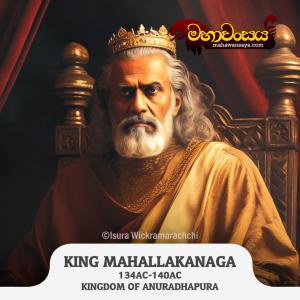
King Mahallaka Naga
134 AC-140 AC
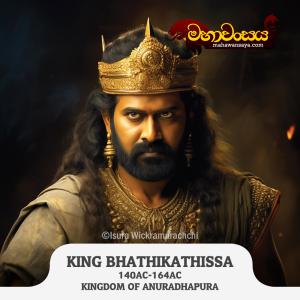
King Bhathika Thissa
140 AC-164 AC
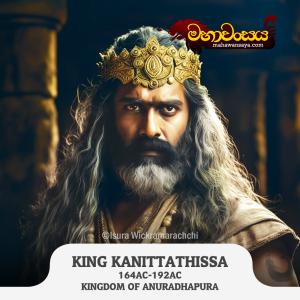
King Kanitta Tissa
164 AC-192 AC
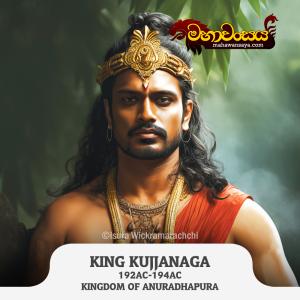
King Kujjanaga
192 AC-194 AC
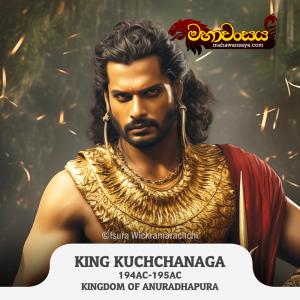
King Kudda Naga
194 AC-195 AC
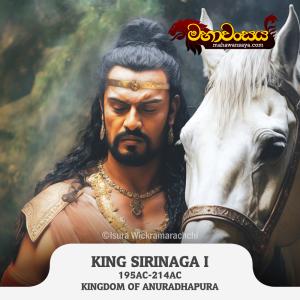
King Sirinaga I
195 AC-214 AC
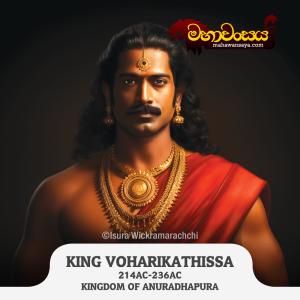
King Voharika Tissa
214 AC-236 AC
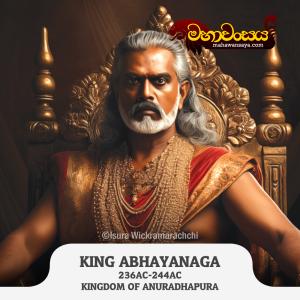
King Abhaya Naga
236 AC-244 AC
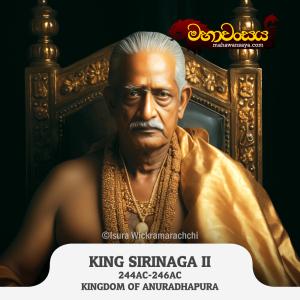
King Sirinaga II
244 AC-246 AC
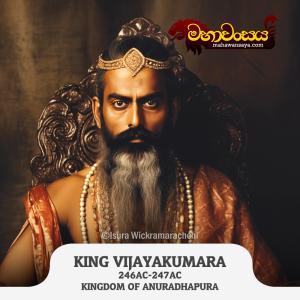
King Vijaya Kumara
246 AC-247 AC
King Sangha Tissa I
247 AC-251 AC
King Siri Sangha Bodhi I
251 AC-253 AC
King Gotabhaya
253 AC-266 AC
King Jetta Tissa I
266 AC-276 AC
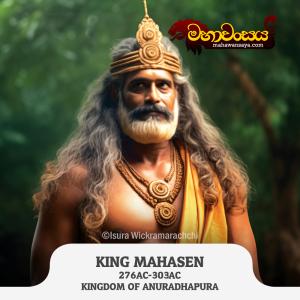
King Mahasen
276 AC-303 AC
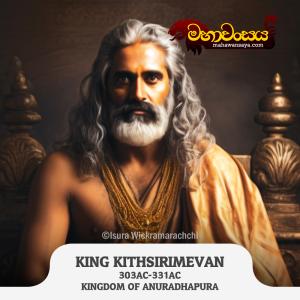
King Kithsirimewan
303 AC-331 AC
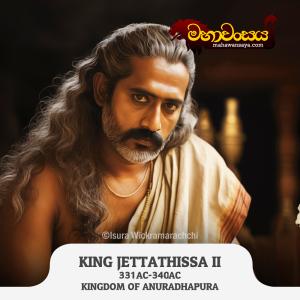
King Jetta Tissa II
331 AC-340 AC
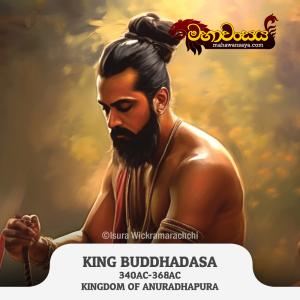
King Buddhadasa
340 AC-368 AC
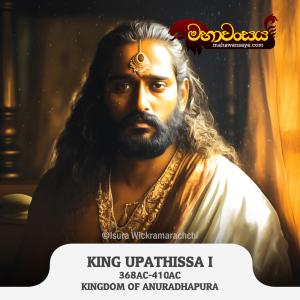
King Upatissa I
368 AC-410 AC
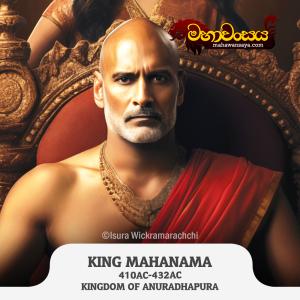
King Mahanama
410 AC-432 AC
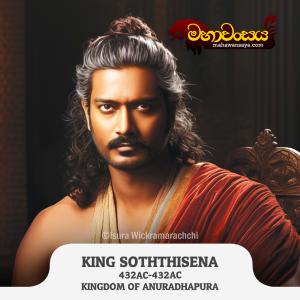
King Soththisena
432 AC-432 AC
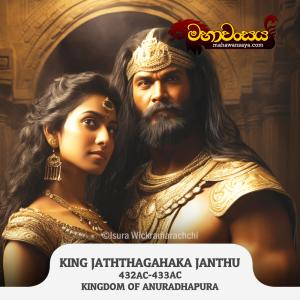
King Jaththagahaka Janthu
432 AC-433 AC
King Miththasena
432 AC-433 AC
King Pandu
433 AC-438 AC
King Parinda
438 AC-441 AC
King Kuda Parinda
441 AC-456 AC
King Thirithara
456 AC-456 AC
King Datiya II
456 AC-459 AC
King Peetiya
459 AC-459 AC
King Dhathusena
459 AC-477 AC
King Kassapa I
477 AC-495 AC
King Mugalan I
495 AC-512 AC
King Kumaradasa
512 AC-520 AC
King Kiththisena
520 AC-521 AC
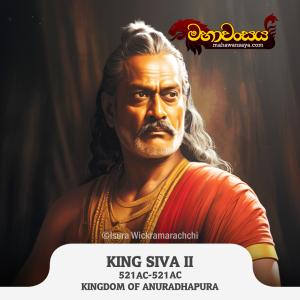
King Siva II
521 AC-521 AC
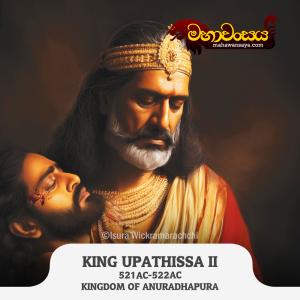
King Upatissa II
521 AC-522 AC
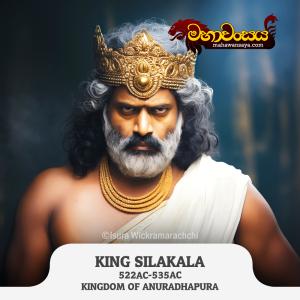
King Silakala
522 AC-535 AC
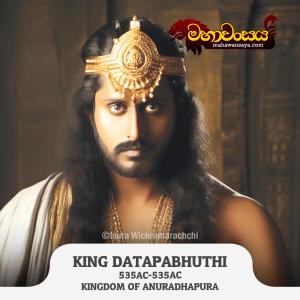
King Datappabhuthi
535 AC-535 AC
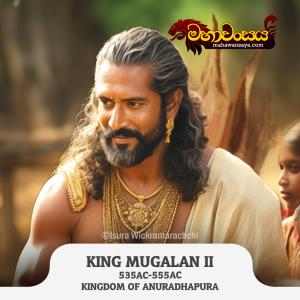
King Mugalan II
535 AC-555 AC
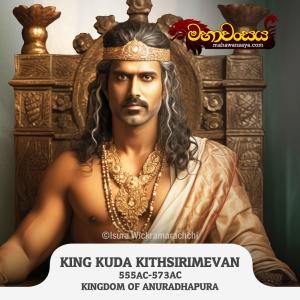
King Kiththisirimegha
555 AC-573 AC
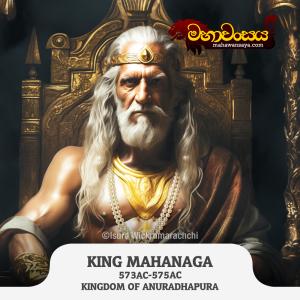
King Mahanaga
573 AC-575 AC
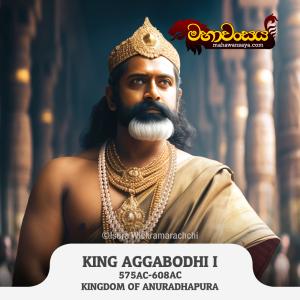
King Aggabodhi I
575 AC-608 AC
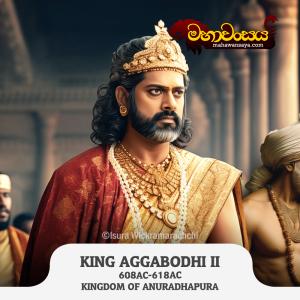
King Aggabodhi II
608 AC-618 AC
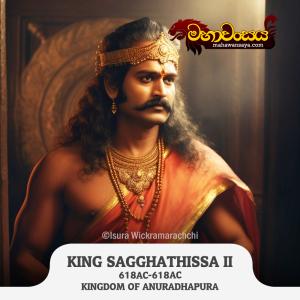
King Sangha Tissa II
618 AC-618 AC
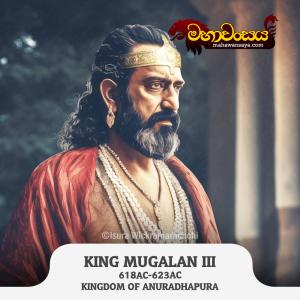
King Mugalan III
618 AC-623 AC
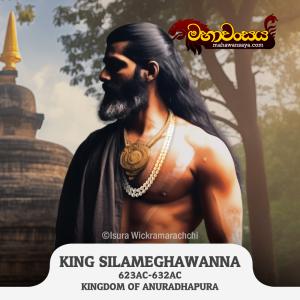
King Silameghavanna
623 AC-632 AC
King Aggabodhi III
633 AC-643 AC
King Jetta Tissa III
633 AC-633 AC
King Datopathissa i
643 AC-650 AC
King Kassapa II
650 AC-659 AC
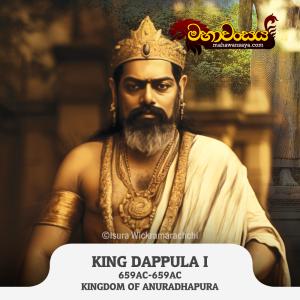
King Dappula I
659 AC-659 AC
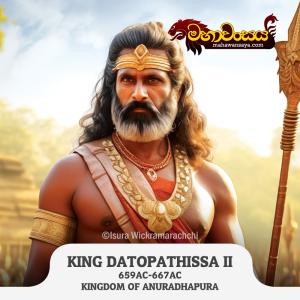
King Datopathissa II
659 AC-667 AC
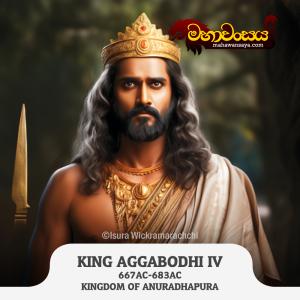
King Aggabodhi IV
667 AC-683 AC
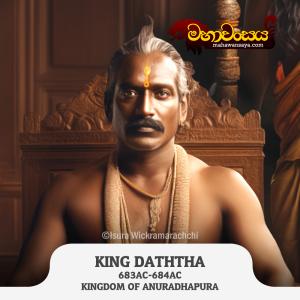
King Daththa
683 AC-684 AC
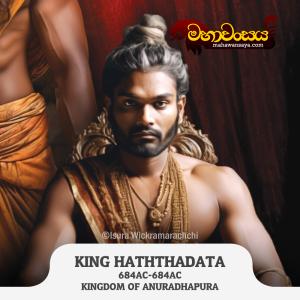
King Haththadata
684 AC-684 AC
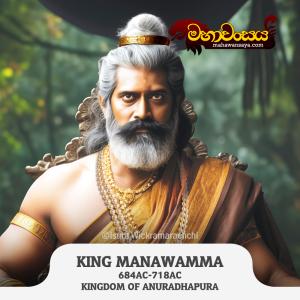
King Manavamma
684 AC-718 AC
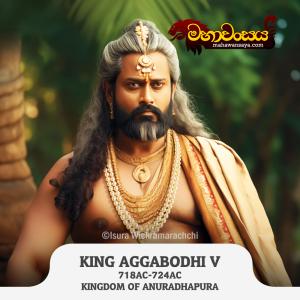
King Aggabodhi V
718 AC-724 AC
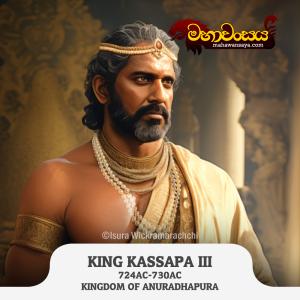
King Kassapa III
724 AC-730 AC
King Mahinda I
730 AC-733 AC
King Aggabodhi VI
733 AC-772 AC
King Aggabodhi VII
772 AC-777 AC
King Mahinda II
777 AC-797 AC
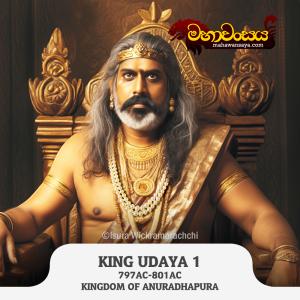
King Udaya I
797 AC-801 AC
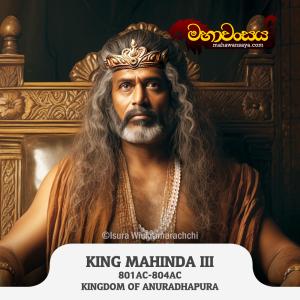
King Mahinda III
801 AC-804 AC
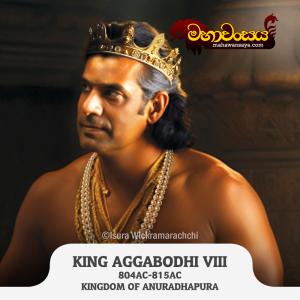
King Aggabodhi VIII
804 AC-815 AC
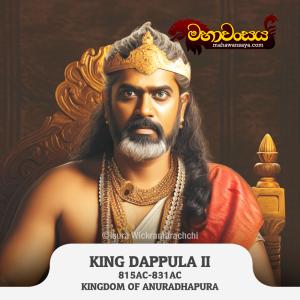
King Dappula II
815 AC-831 AC
King Aggabodhi IX
831 AC-833 AC
King Sena I
833 AC-853 AC
King Sena II
853 AC-887 AC
King Udaya II
887 AC-898 AC
King Kassapa IV
898 AC-914 AC
King Kassapa V
914 AC-923 AC
King Dappula III
923 AC-923 AC
King Dappula IV
923 AC-935 AC
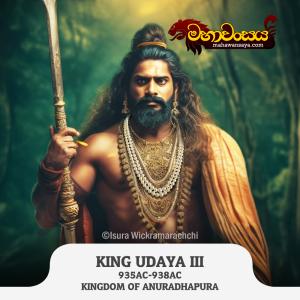
King Udaya III
935 AC-938 AC
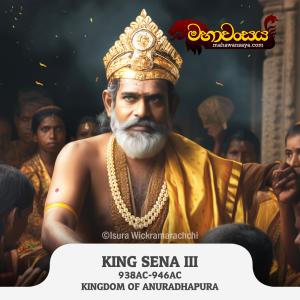
King Sena III
938 AC-946 AC
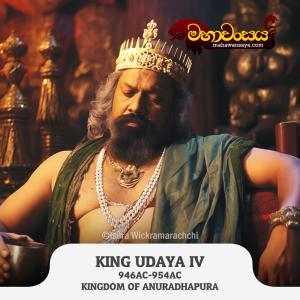
King Udaya IV
946 AC-954 AC
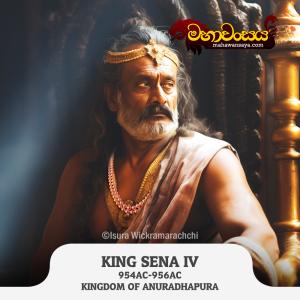
King Sena IV
954 AC-956 AC
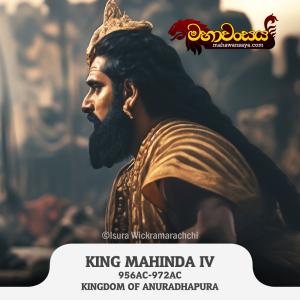
King Mahinda IV
956 AC-972 AC
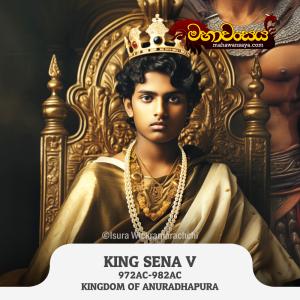
King Sena V
972 AC-982 AC
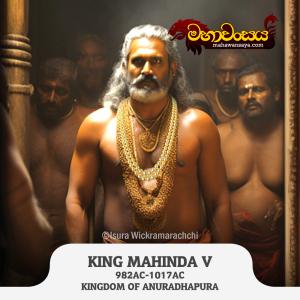
King Mahinda V
982 AC-1017 AC
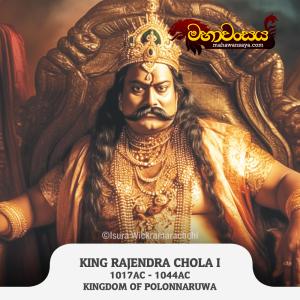
Rajendra Chola I
1017 AC-1044 AC
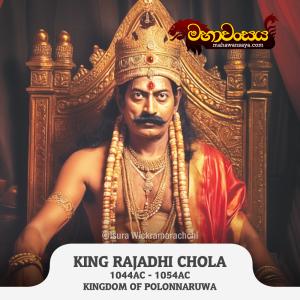
Rajadhiraja Chola
1044 AC-1054 AC
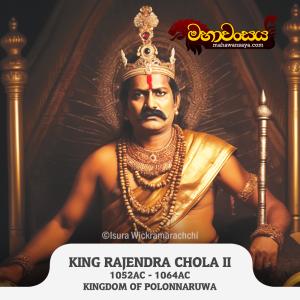
Rajendra Chola II
1052 AC-1064 AC
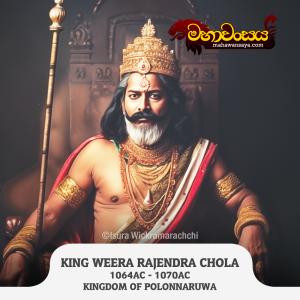
Virarajendra Chola
1064 AC-1070 AC
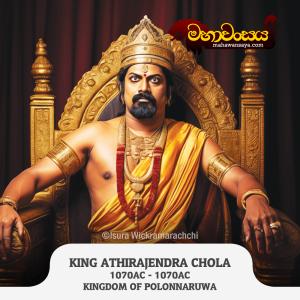
Athirajendra Chola
1070 AC-1070 AC
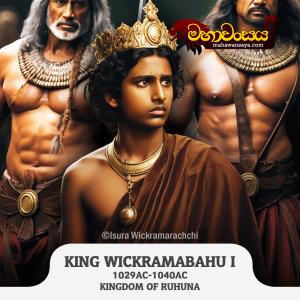
King Wickramabahu I
1029 AC-1040 AC
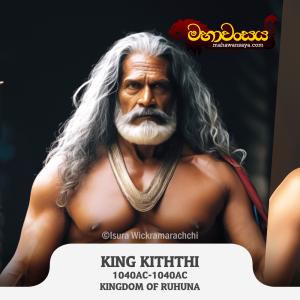
King General Keerthi
1040 AC-1040 AC
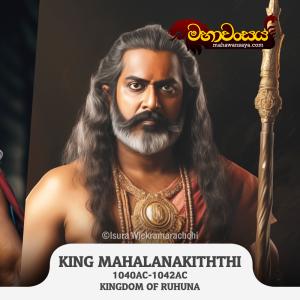
King Mahalana Kiththi
1040 AC-1042 AC
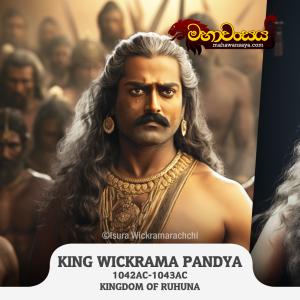
King Wickrama Pandu
1042 AC-1043 AC
King Jagathpala
1043 AC-1046 AC
King Parakrama Pandu
1046 AC-1048 AC
King Lokissara
1048 AC-1054 AC
King Kesadhathu
1054 AC-1055 AC
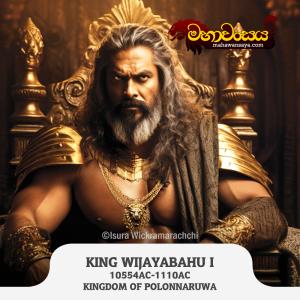
King Vijayabahu I
1055 AC-1110 AC
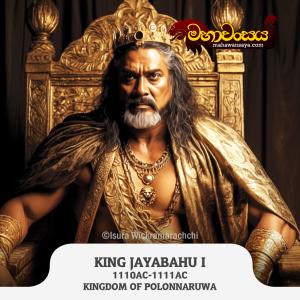
King Jayabahu I
1110 AC-1111 AC
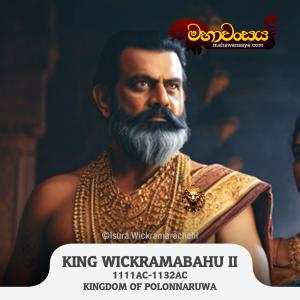
King Wickramabahu II
1111 AC-1132 AC
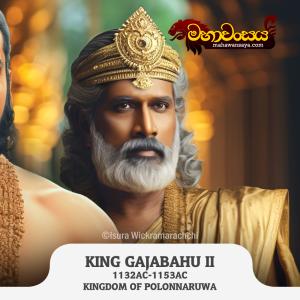
King Gajabahu II
1032 AC-1053 AC
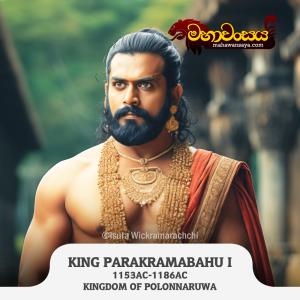
King Parakramabahu I
1053 AC-1086 AC
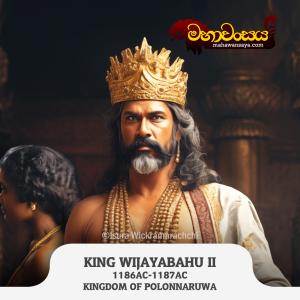
King Vijayabahu II
1186 AC-1187 AC
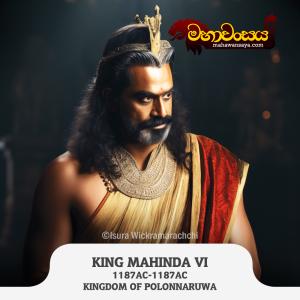
King Mahinda VI
1187 AC-1187 AC
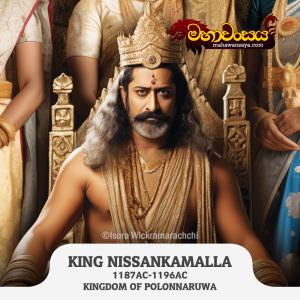
King Nissanka Malla
1187 AC-1196 AC
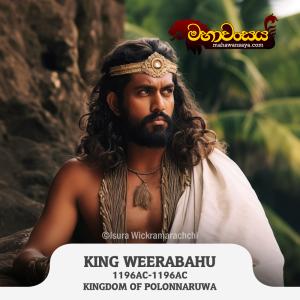
King Weerabahu I
1196 AC-1196 AC
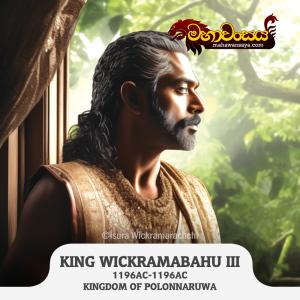
King Wickramabahu III
1196 AC-1196 AC
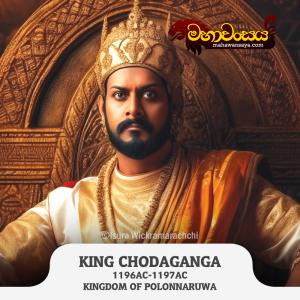
King Chodaganga
1196 AC-1197 AC
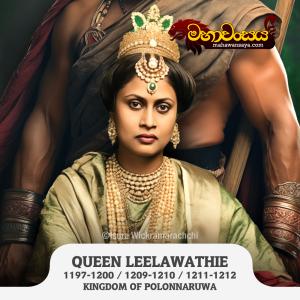
Queen Leelawathie
1197 AC-1200 AC
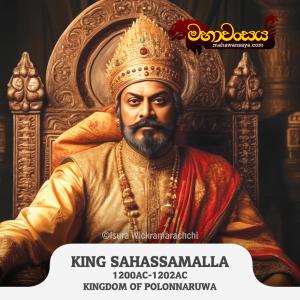
King Sahasamalla
1200 AC-1202 AC
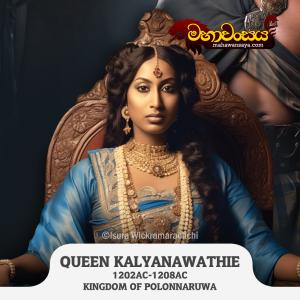
Queen Kalyanawathie
1202 AC-1208 AC
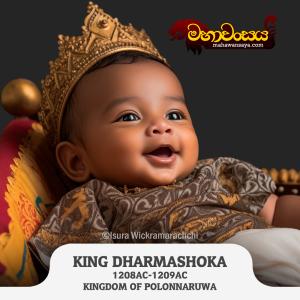
King Dharmasoka
1208 AC-1209 AC
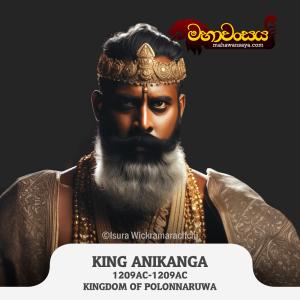
King Anikanga
1209 AC-1209 AC
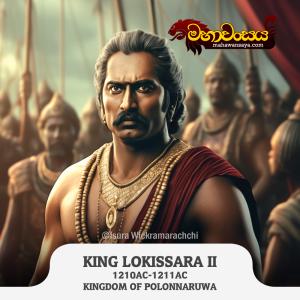
King Lokissara ii
1210 AC-1211 AC
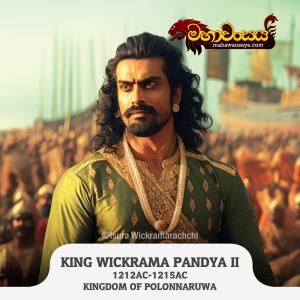
King Parakrama Pandu II
1212 AC-1215 AC
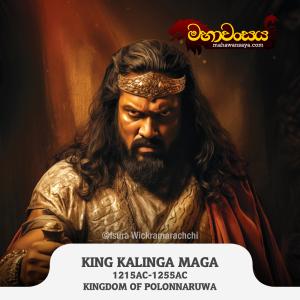
King Kalinga Magha
1215 AC-1255 AC
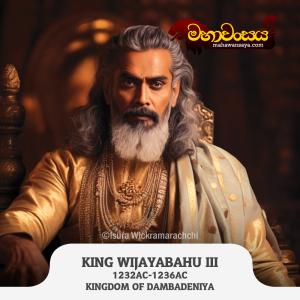
King Vijayabahu III
1232 AC-1236 AC
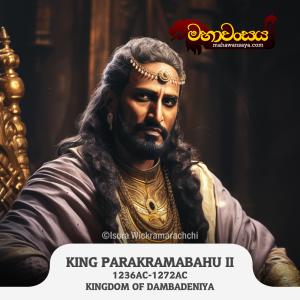
King Parakramabahu II
1236 AC-1272 AC
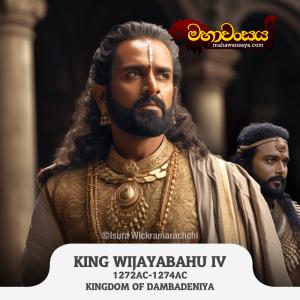
King Vijayabahu IV
1272 AC-1274 AC
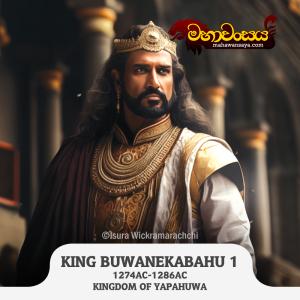
King Buvanekabahu I
1274 AC-1286 AC
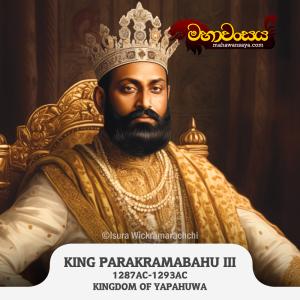
King Parakramabahu III
1287 AC-1293 AC
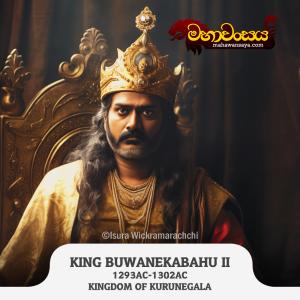
King Buvanekabahu II
1293 AC-1302 AC
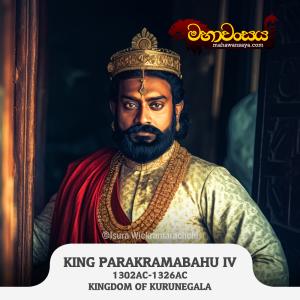
King Parakramabahu IV
1302 AC-1326 AC
-208.jpg)
King Buvanekabahu III (Vanni B
1326 AC-1335 AC
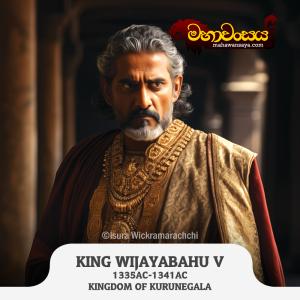
King Vijayabahu V
1335 AC-1341 AC
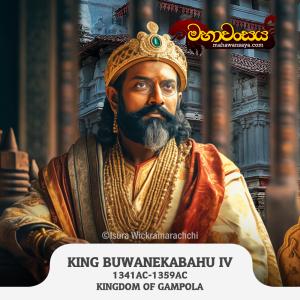
King Buvanekabahu IV
1341 AC-1359 AC
King Parakramabahu V
1344 AC-1359 AC
King Wickramabahu IV
1359 AC-1371 AC
King Buvanekabahu V
1371 AC-1407 AC
-544.jpg)
King Kumara Alakeshwara (Alake
1391 AC-1391 AC
King Weera Alakesvara
1397 AC-1411 AC
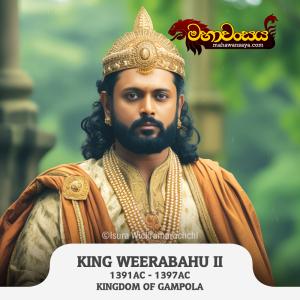
King Weerabahu II
1391 AC-1397 AC
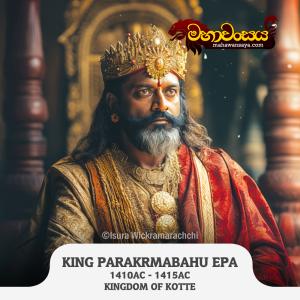
King Parakramabahu Epa
1410 AC-1415 AC
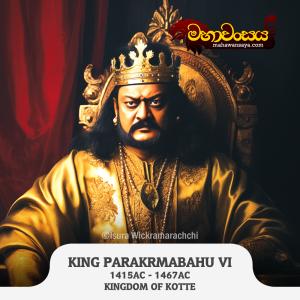
King Parakramabahu VI
1415 AC-1467 AC
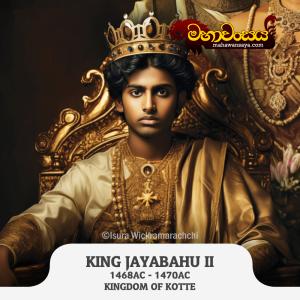
King Jayabahu II
1468 AC-1470 AC
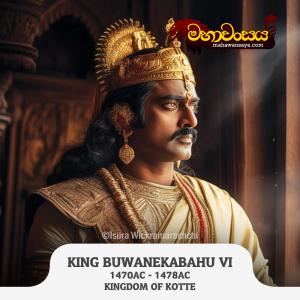
King Buvanekabahu VI
1470 AC-1478 AC
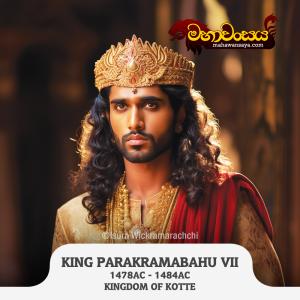
King Panditha Parakramabahu VI
1478 AC-1484 AC
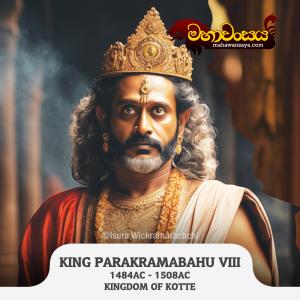
King Weera Parakramabahu VIII
1484 AC-1508 AC
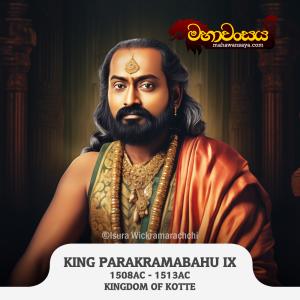
King Darma Parakramabahu IX
1508 AC-1513 AC
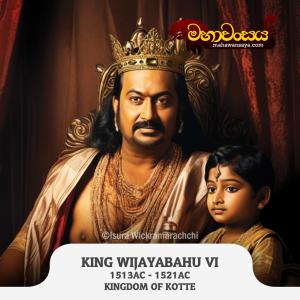
King Vijayabahu VI
1513 AC-1521 AC
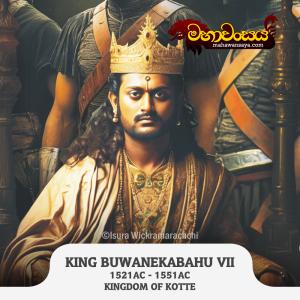
King Buvanekabahu VII
1521 AC-1551 AC
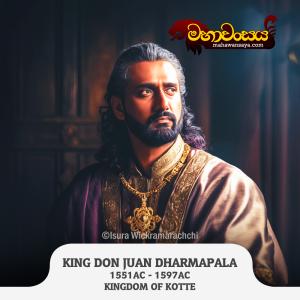
King Don Juwan Dharmapala
1551 AC-1597 AC
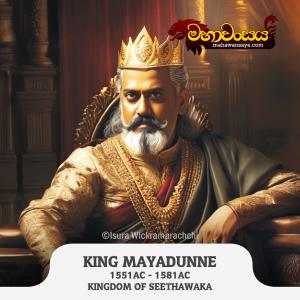
King Mayadunne
1551 AC-1581 AC
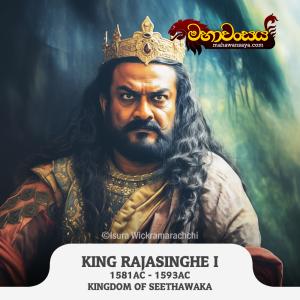
King Rajasinha I
1581 AC-1593 AC
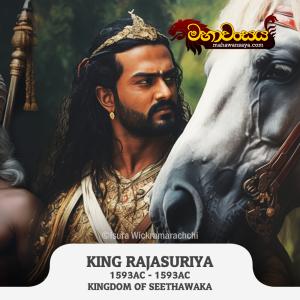
King Rajasooriya
1593 AC-1593 AC
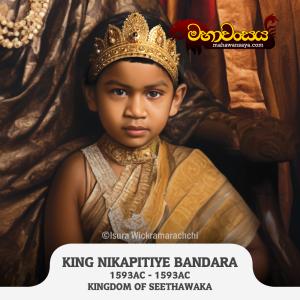
King Nikapitiye Bandara
1593 AC-1593 AC
King Wimaladharmasuriya I
1591 AC-1604 AC
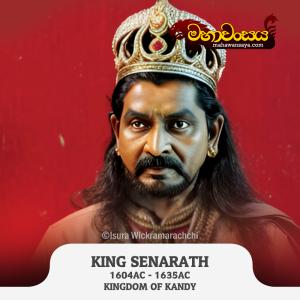
King Senarat
1604 AC-1635 AC
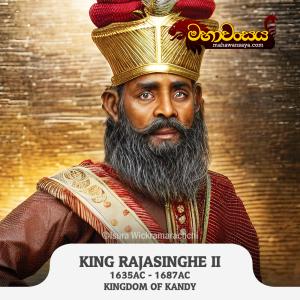
King Rajasinha II
1635 AC-1687 AC
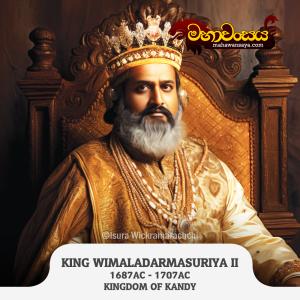
King Wimaladharmasuriya II
1687 AC-1707 AC
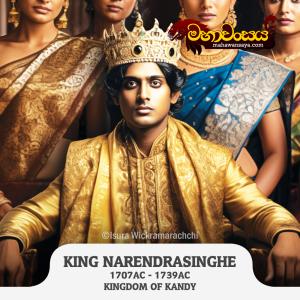
King Sri Weera Parakrama Naren
1707 AC-1739 AC
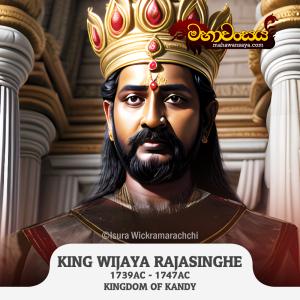
King Sri Wijaya Rajasingha
1739 AC-1747 AC
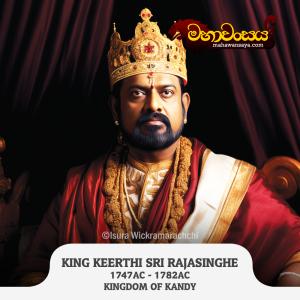
King Keerthi Sri Rajasingha
1747 AC-1782 AC
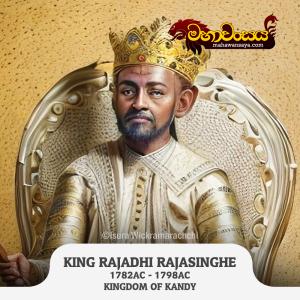
King Rajadhi Rajasinha
1782 AC-1798 AC
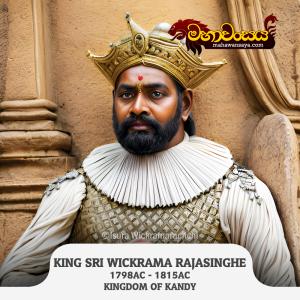
King Sri Wikrama Rajasinha
1798 AC-1815 AC

Pedro Lopes de Sousa
1594 AC-1594 AC
Joao da Silveira
1518 AC-1518 AC
Lopo de Brito
1518 AC-1522 AC
Fernao Gomes de Lemos
1522 AC-1524 AC
Joao Henriques
1551 AC-1552 AC
Diogo de Melo Coutinho
1552 AC-1552 AC
Duarte de Eca
1552 AC-1553 AC
Fernao Carvalho
1553 AC-1555 AC

Willem Jacobszoon Coster
1640 AC-1640 AC
Jan Thyszoon Payart
1640 AC-1646 AC
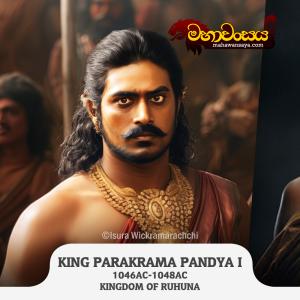
As detailed in the initial chapter, after Lokeshwara, the throne was again taken by Queen Lilawathi for the third time. Since that has already been explained, it is necessary to clarify about King Parakramabandu, who ascended the throne after she was removed. According to the Mahavamsa, King Parakramabandu was a Pandya ruler, and he came here with a Pandya army, removed Queen Lilawathi from the throne, and Parakramaseneviya seized the kingdom. However, no further details about this are found in other sources. According to the Dathavamsa, the prince trained as an expert for governance is believed by Samarakoon to refer to him. Yet, there is no evidence for this. Considering that he reigned for about three years, this is significant given the circumstances of that period.
The king who overthrew Parakramabandu, gouged out his eyes, and seized the throne was Magha, a prince of Kalinga. Magha is described as a very cruel ruler in every local record. According to accounts composed close to his reign, as described in the Pujavaliya, these reports cannot be dismissed as exaggeration. No invader who came to Lanka before Magha acted with such cruelty toward the people and the religion of the country.
It is clear from sources that earlier invaders, after assuming rulership, followed a lenient policy as patrons of the traditional Buddha Dhamma. However, Kalinga King Magha evidently followed a completely different path. Moreover, he behaved extremely cruelly toward the local population. For this reason, no favorable accounts of him appear in the sources. Some historians suggest that because Magha acted against Buddhism, chroniclers tried to record him with disfavor. Yet, this is a mistaken notion, as prior invaders were recorded truthfully.
Among the sources documenting Magha’s activities, the Mahavamsa and Pujavaliya hold a special place. The Mahavamsa states:
"Quickly, committing extremely violent and intense sinful deeds against the people of Lanka, leaving the gods appointed for Lanka’s protection to their own devices, with false views settled upon, committing wicked acts in the land, he, Magha, a lawless ruler born of the Kalinga dynasty, with 3,000 warriors, seized Lanka and dominated it."
According to Sri Sumangala Nahimi (Batuwantudaawa, Pandita translation, Mahavamsa), this description clearly illustrates Magha’s cruel actions. Upon arriving in Lanka, Magha brought 3,000 soldiers, as recorded in the Rajaratnakara according to the Mahavamsa, though the Pujavaliya gives the number as 20,000. The army he brought is described in the Mahavamsa as “Malla warriors.” The Nikaya Sangraha mentions that Magha bore the prior name Kalinga Vijayabahu, showing that he belonged to the Kalinga royal lineage.
The Kalinga rulers in Lanka during the Polonnaruwa period generally acted as Buddhists, but Kalinga Magha harassed the Buddhists. Temples were provided only as residences for his soldiers. Because of this, monks devoted to Buddhist scholarship since the reign of Parakramabahu hid sacred relics like the Dalada and went to Chola and Pandya countries for safekeeping. A significant point here is that despite the internal chaos in the Polonnaruwa kingdom until Magha’s arrival, these sacred objects were preserved.
The Mahavamsa also mentions Jayabahu, an assistant to Magha. As noted above, the Nikaya Sangraha refers to Magha also by the name Kalinga Vijayabahu. It is possible that Jayabahu was a separate king, perhaps another Kalinga prince who shared in Magha’s reign. An inscription found at the ancient Gokanna temple in Trincomalee mentions a date corresponding to RA. W. 1223, which, if calculated correctly, falls between RA. W. 1215–1236, corresponding to Magha’s reign.
Upon his arrival in Lanka, Magha brought 3,000 soldiers, as per the Mahavamsa, though the Pujavaliya records 20,000. His army likely comprised Kerala warriors, as indicated by the Mahavamsa. He was of the Kalinga lineage, and both he and Vodaganga Devat were Kalinga rulers. During the 12th–13th centuries, Kalinga had come under the influence of Vishnu worship, so the royal family was likely affected by that. This may explain Magha’s hostility toward the Buddhist Sangha. His chief general, Manabharana, is mentioned in the chronicles.
Magha’s authority did not extend across the entire island. Sources provide a list of locations where his army established camps. According to the Mahavamsa, these places—Polonnaruwa, Kottasar, Gangathalak (Kantalai), Padiratt (Padaviya), Mahatittha (Matota), Sookarathittha (Kayts)—show that his power was confined to the Rajarata region. Due to his cruel oppression, he could not gain the people’s favor, and many fled to fortified areas in Ruhunu and Malayarata.
Among the events mentioned, sources also record two commanders devoted to protecting the country and religion. Subha Senaviya, based in Subha Pabbatha (Jaffna), was prominent. He established a fortress and lived in Alakamandawa, protecting the Sangha while repelling Kerala forces. Bhuwanekabahu, another leader, established a fort at Pabbatha (Goviheu Hela) and protected Rohana and the Sangha. The Mahavamsa calls him Adipada, indicating he held royal authority. Sankha Chumpati, another subordinate, established forts along rivers and mountains, protecting the country and the Sangha, ignoring enemy threats.
Shortly before Magha’s invasion, the regional power in this area under Queen Kalyanawathi was Bhaama Senapati. The two Sankha Bhama mentioned may refer to the same person. These details indicate that Magha’s authority did not extend into Maya, Malaya, and Rohana regions. Local independent rulers controlled those areas. Magha’s rule disrupted social life and the economy. Buddhist institutions were endangered. Yet the people’s resilience remained intact. While they resisted the invaders, they lacked effective leadership. They faced Magha’s forces with determination.
The Mahavamsa records Magha’s reign as 21 years, whereas the Pujavaliya mentions 22 years. This is more credible, as the Pujavaliya was composed closer to the events.
The Polonnaruwa period began facing the Chola invasion, which started the collapse of royal governance. After the first Vijayabahu expelled the Cholas, order was restored. Parakramabahu I brought unity and development across the country, resulting in cultural flourishing. After him, internal changes led to the country falling into chaos. Rulers like Nisshankamalla and Kalyanawathi achieved some governance, but these were temporary. Dynastic struggles, ambitions for the throne, court rivalries, and the ambitious activities of generals weakened the Polonnaruwa kingdom, which Kalinga Magha destroyed. The second capital of Polonnaruwa was devastated and could not be rebuilt in proper time due to Magha’s invasion.