2
King Panduvasdeva
Kingdom of Upatissa Nuwara
504 BC - 474 BC
504 BC - 474 BC

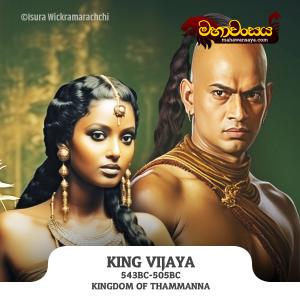
King Vijaya
543 BC-505 BC
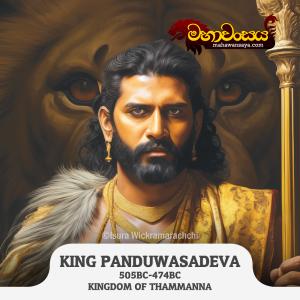
King Panduvasdeva
504 BC-474 BC
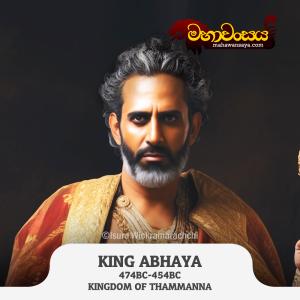
King Abhaya
474 BC-454 BC
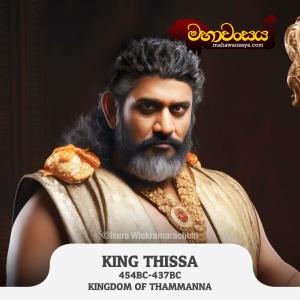
King Tissa
454 BC-437 BC
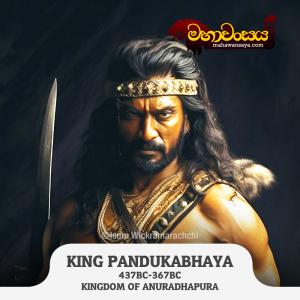
King Pandukabhaya
437 BC-367 BC
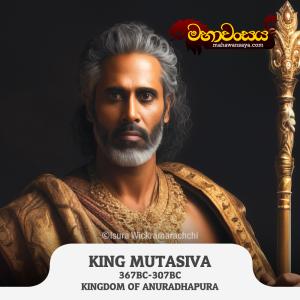
King Mutasiva
367 BC-307 BC
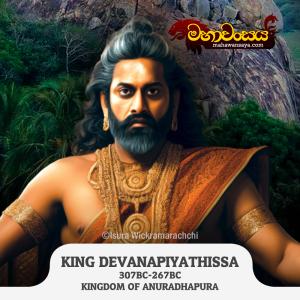
King Devanampiya Tissa
307 BC-267 BC
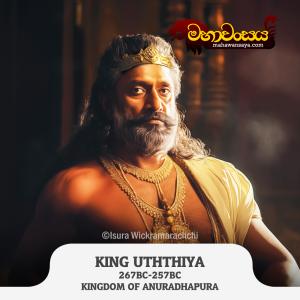
King Uttiya
267 BC-257 BC
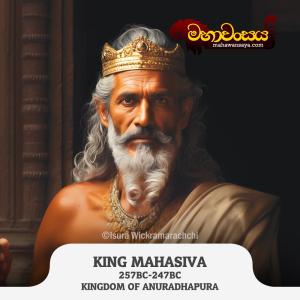
King Mahasiva
257 BC-247 BC
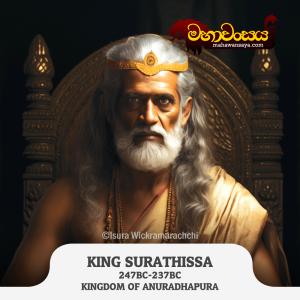
King Suratissa
247 BC-237 BC
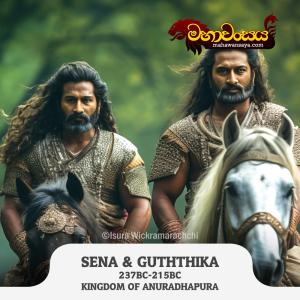
Sena and Guttika
237 BC-215 BC
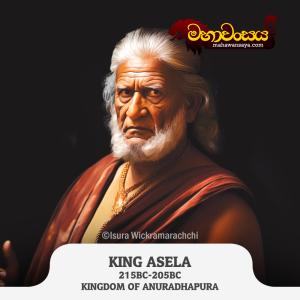
King Asela
215 BC-205 BC
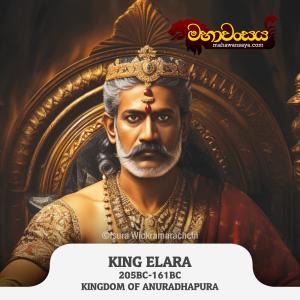
King Elara
205 BC-161 BC
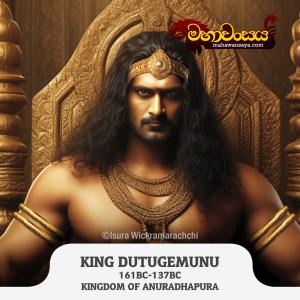
King Dutugemunu
161 BC-137 BC
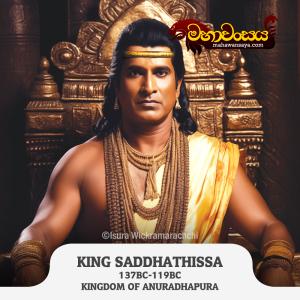
King Saddha Tissa
137 BC-119 BC
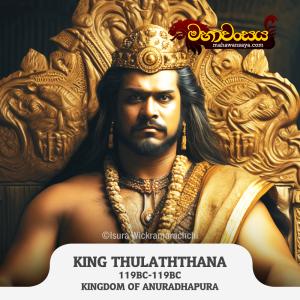
King Thulatthana
119 BC-119 BC
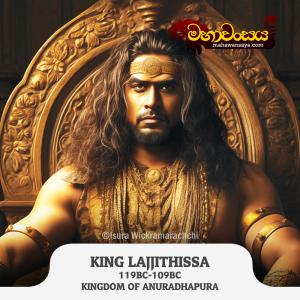
King Lajjithissa
119 BC-109 BC
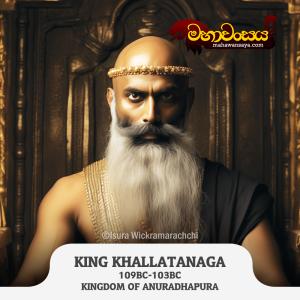
King Khallata Naga
109 BC-103 BC
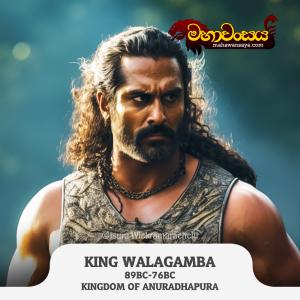
King Walagamba
89 BC-76 BC
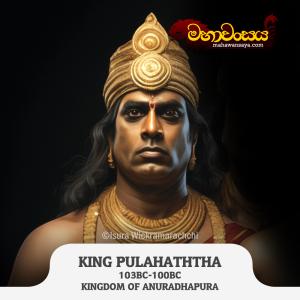
King Pulahaththa
103 BC-100 BC
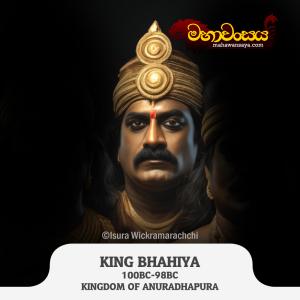
King Bhahiya
100 BC-98 BC
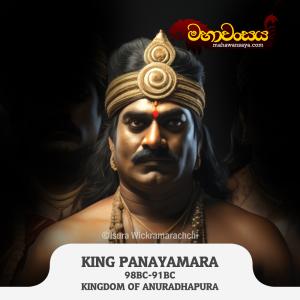
King Panayamara
98 BC-91 BC
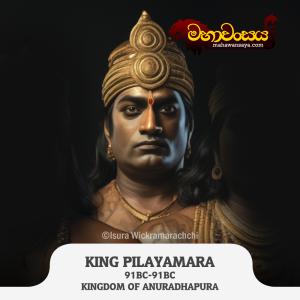
King Piliyamara
91 BC-91 BC
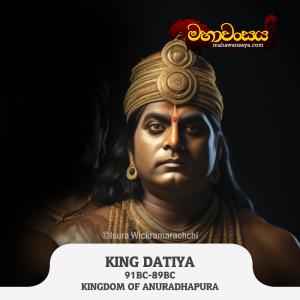
King Dathiya
91 BC-89 BC
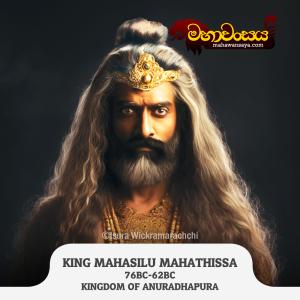
King Mahachulikamahathissa
76 BC-62 BC
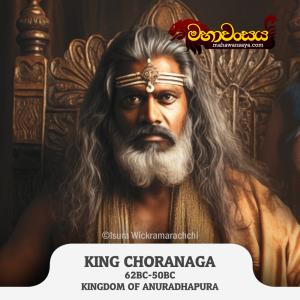
King Choranaga
62 BC-50 BC
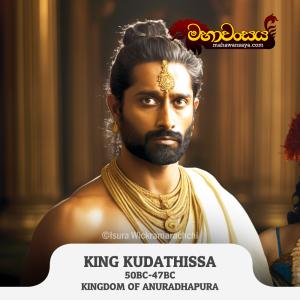
King Kuda Thissa
50 BC-47 BC
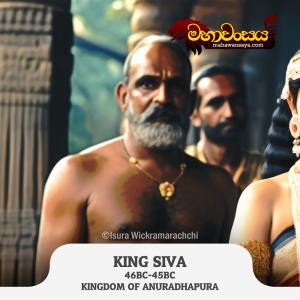
King Siva I
47 BC-45 BC
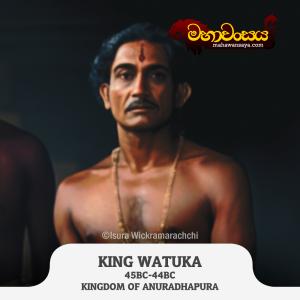
King Vatuka
45 BC-44 BC
King Darubhatika Tissa
44 BC-43 BC
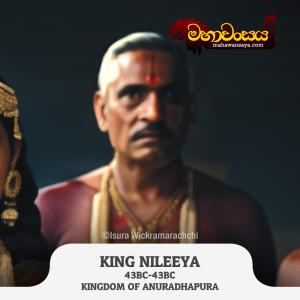
King Neeliya
43 BC-43 BC
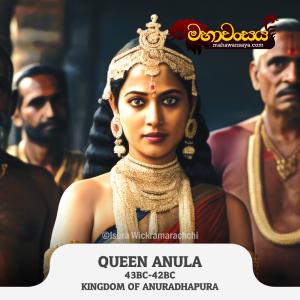
Queen Anula
43 BC-42 BC
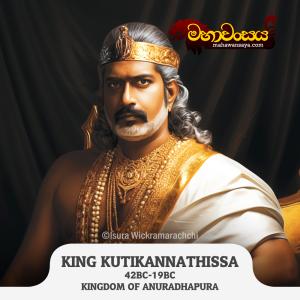
King Kutikanna Tissa
42 BC-19 BC
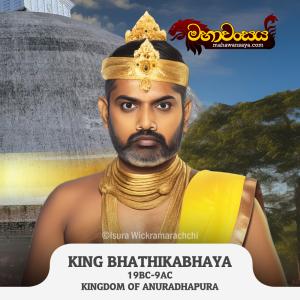
King Bhathikabhaya
19 BC-9 AC
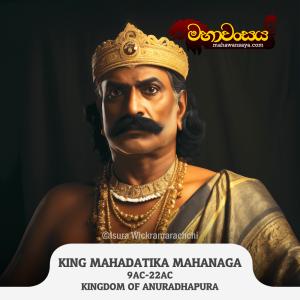
King Mahadatika Mahanaga
9 AC-22 AC
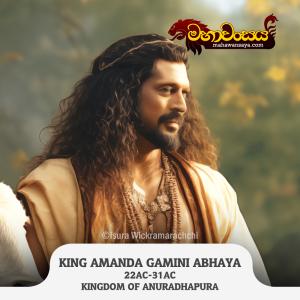
King Amandagamani Abhaya
22 AC-31 AC
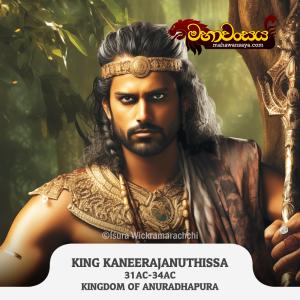
King Kanirajanu Tissa
31 AC-34 AC
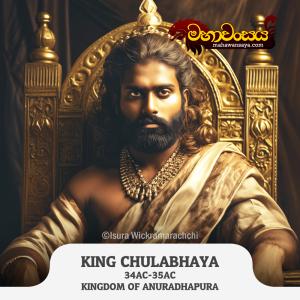
King Chulabhaya
34 AC-35 AC
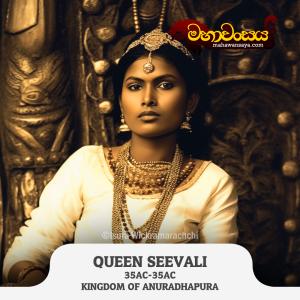
Queen Seevali
35 AC-35 AC
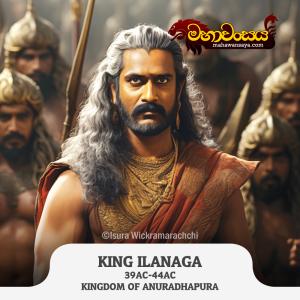
King Ilanaga
39 AC-44 AC
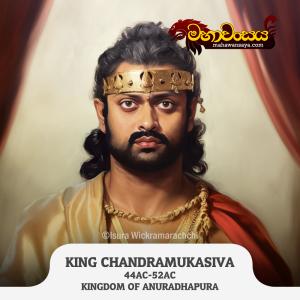
King Chandra Mukha Siva
44 AC-52 AC
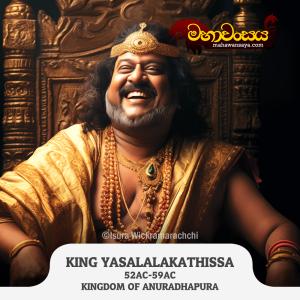
King Yassalalaka Thissa
52 AC-59 AC
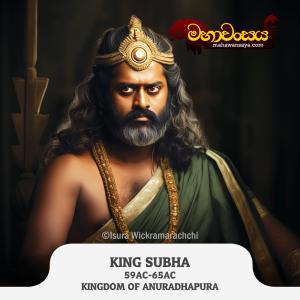
King Subha
59 AC-65 AC
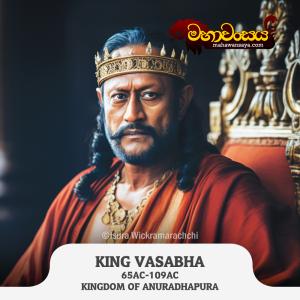
King Vasabha
65 AC-109 AC
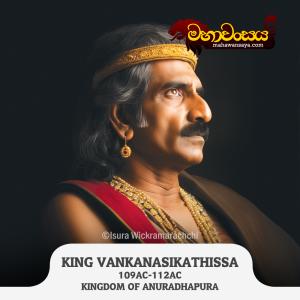
King Vankanasika Tissa
109 AC-112 AC
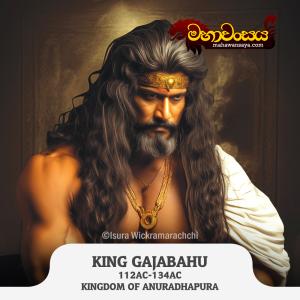
King Gajabahu I
112 AC-134 AC
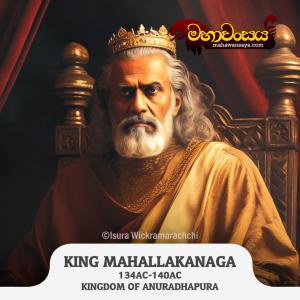
King Mahallaka Naga
134 AC-140 AC
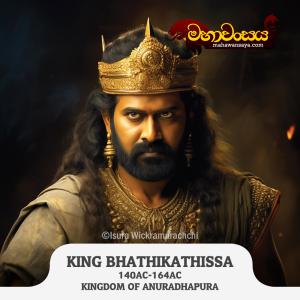
King Bhathika Thissa
140 AC-164 AC
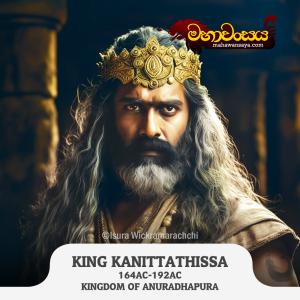
King Kanitta Tissa
164 AC-192 AC
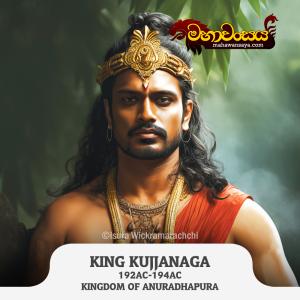
King Kujjanaga
192 AC-194 AC
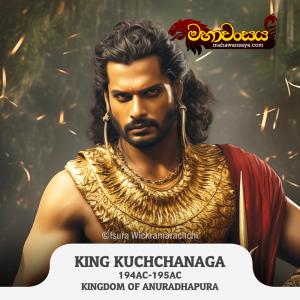
King Kudda Naga
194 AC-195 AC
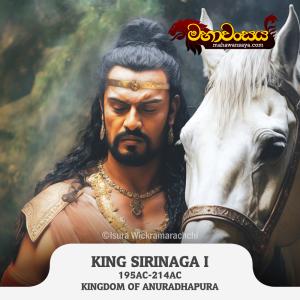
King Sirinaga I
195 AC-214 AC
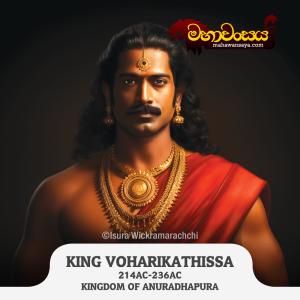
King Voharika Tissa
214 AC-236 AC
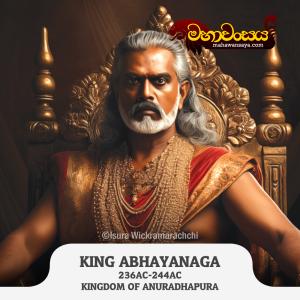
King Abhaya Naga
236 AC-244 AC
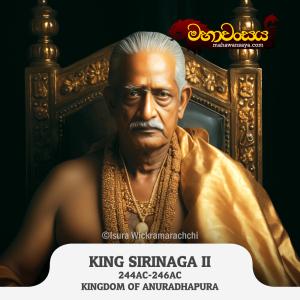
King Sirinaga II
244 AC-246 AC
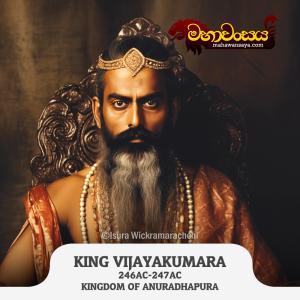
King Vijaya Kumara
246 AC-247 AC
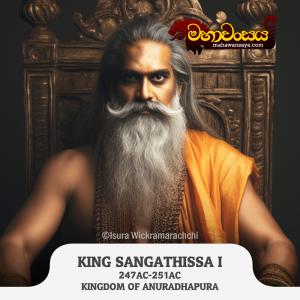
King Sangha Tissa I
247 AC-251 AC
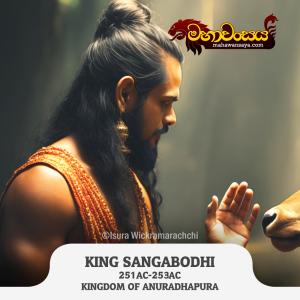
King Siri Sangha Bodhi I
251 AC-253 AC
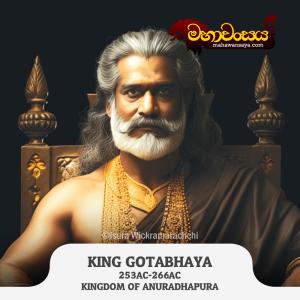
King Gotabhaya
253 AC-266 AC
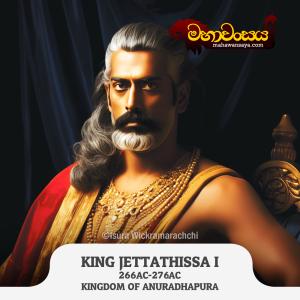
King Jetta Tissa I
266 AC-276 AC
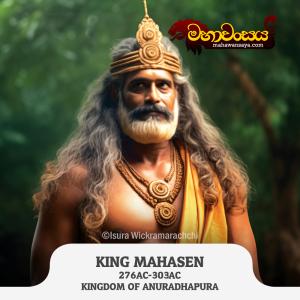
King Mahasen
276 AC-303 AC
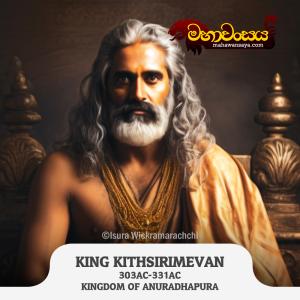
King Kithsirimewan
303 AC-331 AC
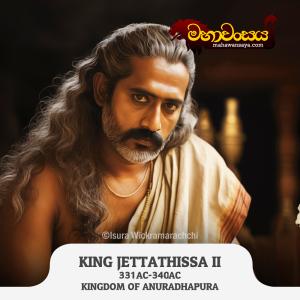
King Jetta Tissa II
331 AC-340 AC
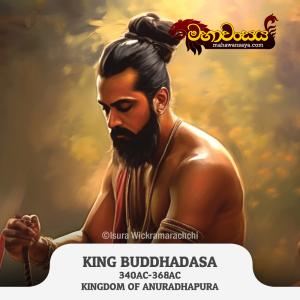
King Buddhadasa
340 AC-368 AC
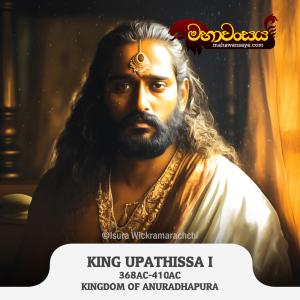
King Upatissa I
368 AC-410 AC
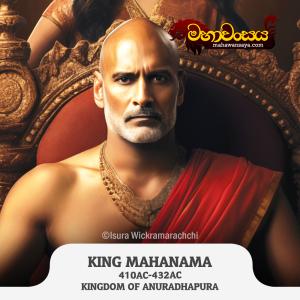
King Mahanama
410 AC-432 AC
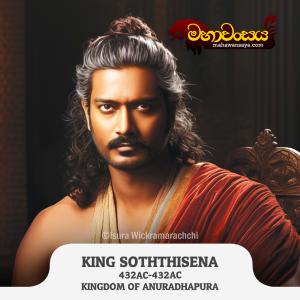
King Soththisena
432 AC-432 AC
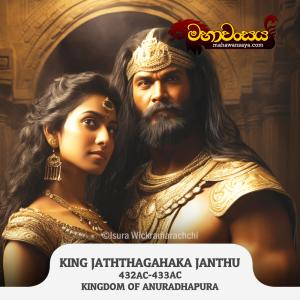
King Jaththagahaka Janthu
432 AC-433 AC
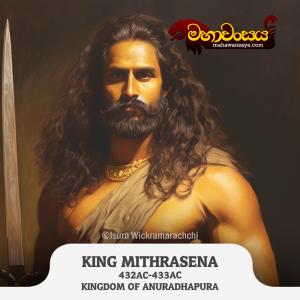
King Miththasena
432 AC-433 AC
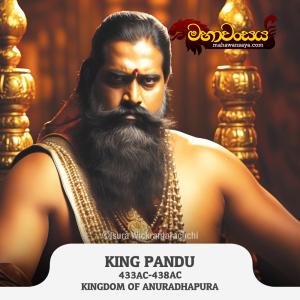
King Pandu
433 AC-438 AC
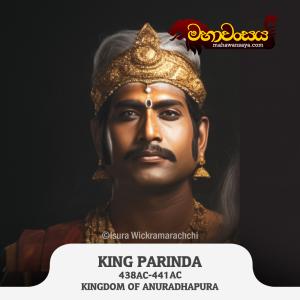
King Parinda
438 AC-441 AC
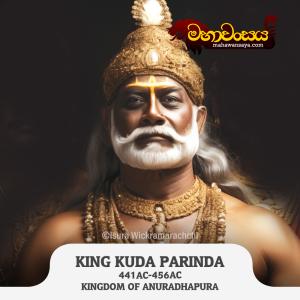
King Kuda Parinda
441 AC-456 AC
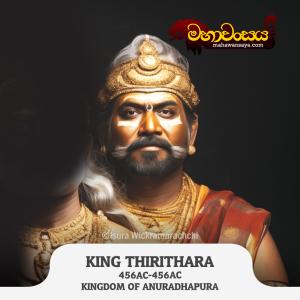
King Thirithara
456 AC-456 AC
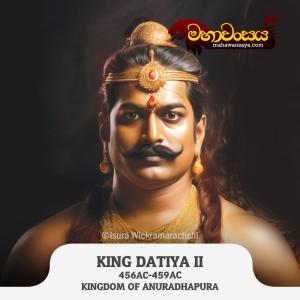
King Datiya II
456 AC-459 AC
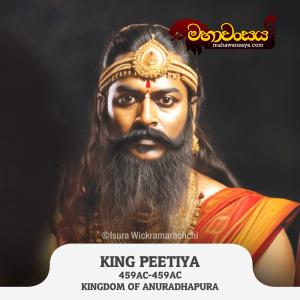
King Peetiya
459 AC-459 AC
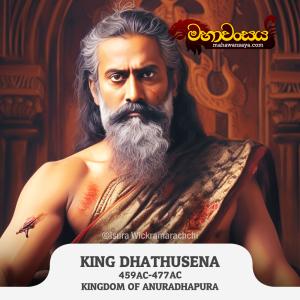
King Dhathusena
459 AC-477 AC
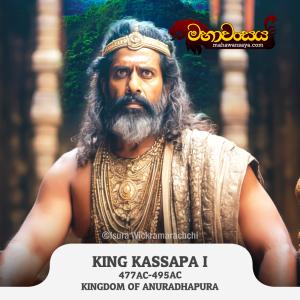
King Kassapa I
477 AC-495 AC
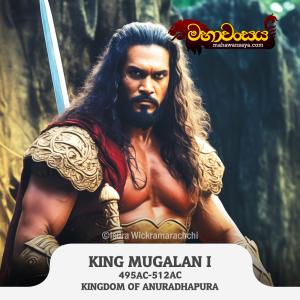
King Mugalan I
495 AC-512 AC
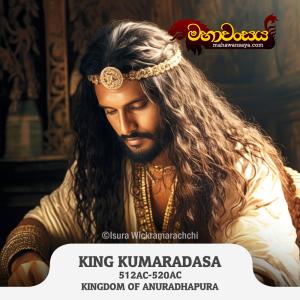
King Kumaradasa
512 AC-520 AC
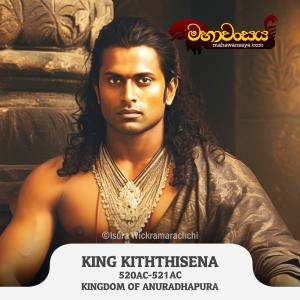
King Kiththisena
520 AC-521 AC
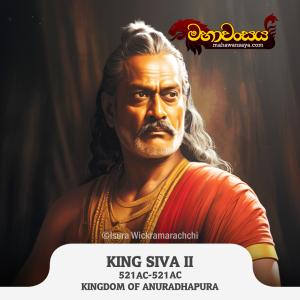
King Siva II
521 AC-521 AC
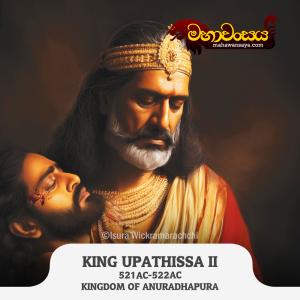
King Upatissa II
521 AC-522 AC
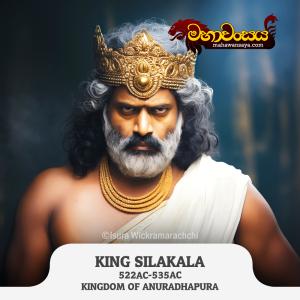
King Silakala
522 AC-535 AC
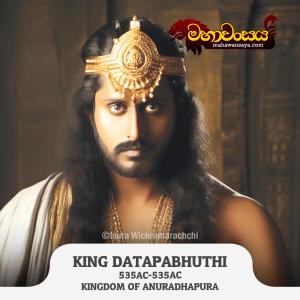
King Datappabhuthi
535 AC-535 AC
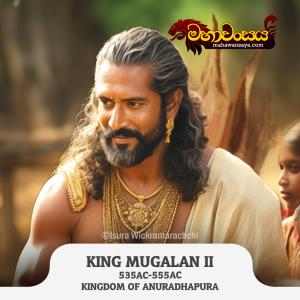
King Mugalan II
535 AC-555 AC
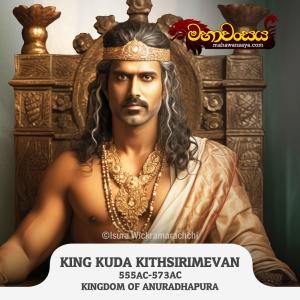
King Kiththisirimegha
555 AC-573 AC
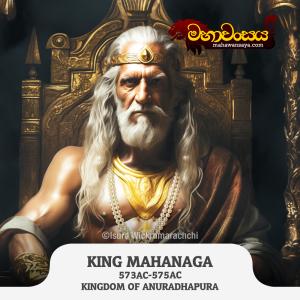
King Mahanaga
573 AC-575 AC
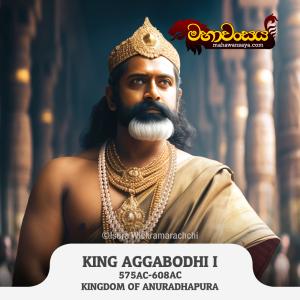
King Aggabodhi I
575 AC-608 AC
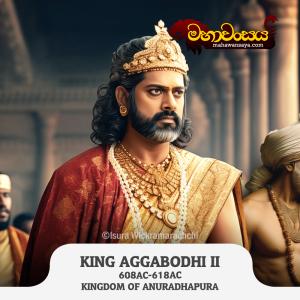
King Aggabodhi II
608 AC-618 AC
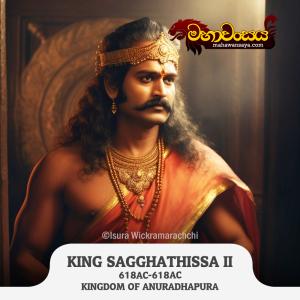
King Sangha Tissa II
618 AC-618 AC
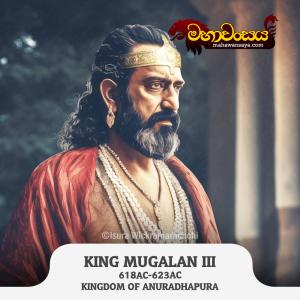
King Mugalan III
618 AC-623 AC
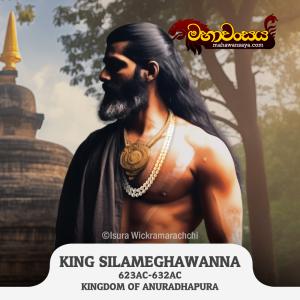
King Silameghavanna
623 AC-632 AC
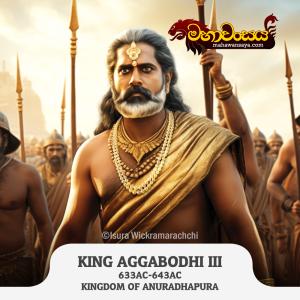
King Aggabodhi III
633 AC-643 AC
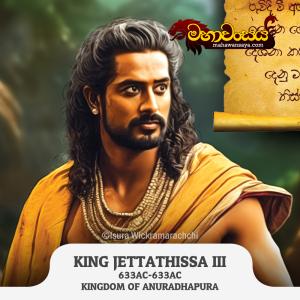
King Jetta Tissa III
633 AC-633 AC
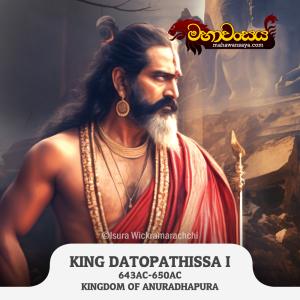
King Datopathissa i
643 AC-650 AC
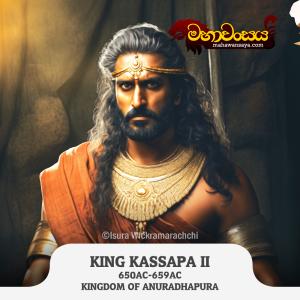
King Kassapa II
650 AC-659 AC
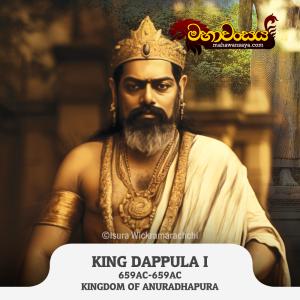
King Dappula I
659 AC-659 AC
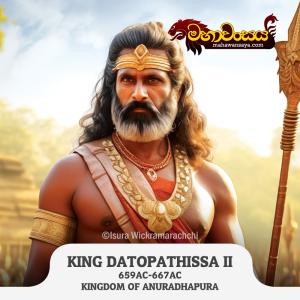
King Datopathissa II
659 AC-667 AC
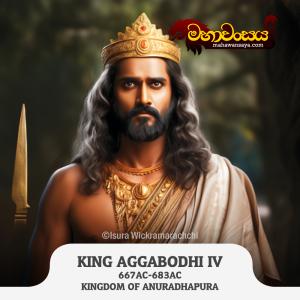
King Aggabodhi IV
667 AC-683 AC
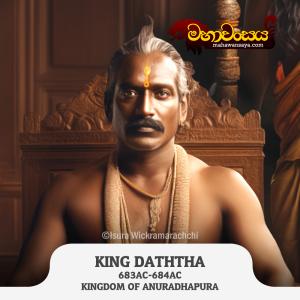
King Daththa
683 AC-684 AC
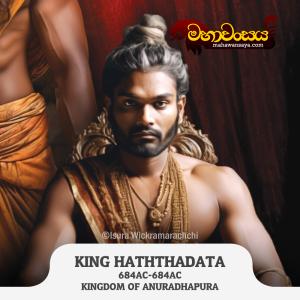
King Haththadata
684 AC-684 AC
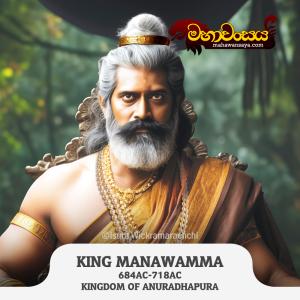
King Manavamma
684 AC-718 AC
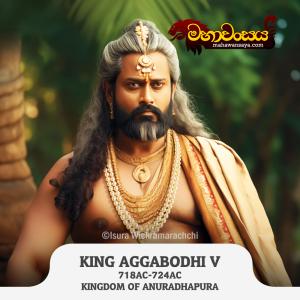
King Aggabodhi V
718 AC-724 AC
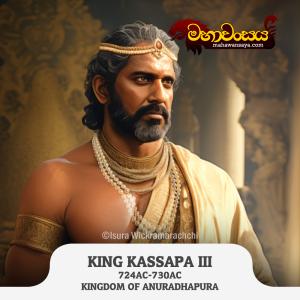
King Kassapa III
724 AC-730 AC
King Mahinda I
730 AC-733 AC
King Aggabodhi VI
733 AC-772 AC
King Aggabodhi VII
772 AC-777 AC
King Mahinda II
777 AC-797 AC
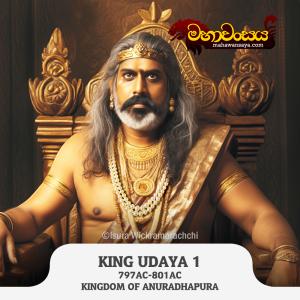
King Udaya I
797 AC-801 AC
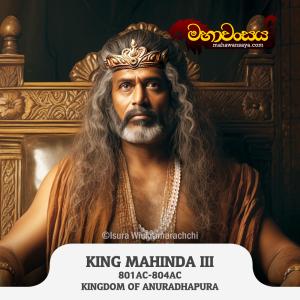
King Mahinda III
801 AC-804 AC
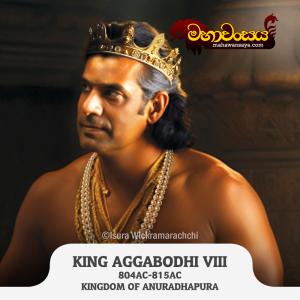
King Aggabodhi VIII
804 AC-815 AC
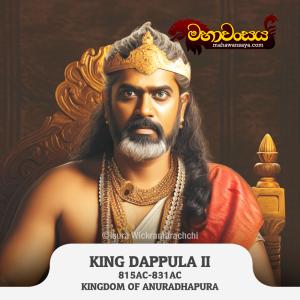
King Dappula II
815 AC-831 AC
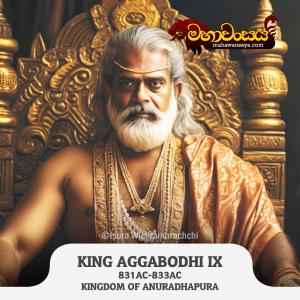
King Aggabodhi IX
831 AC-833 AC
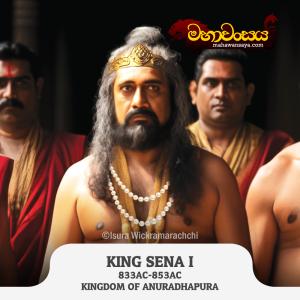
King Sena I
833 AC-853 AC
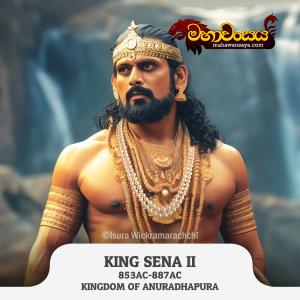
King Sena II
853 AC-887 AC
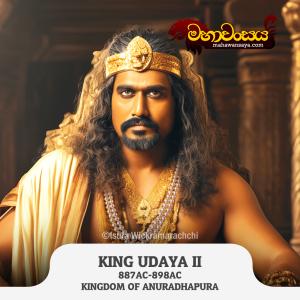
King Udaya II
887 AC-898 AC
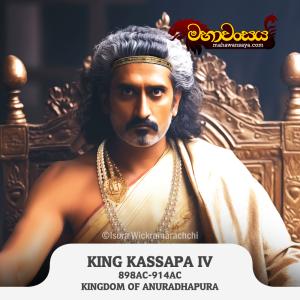
King Kassapa IV
898 AC-914 AC
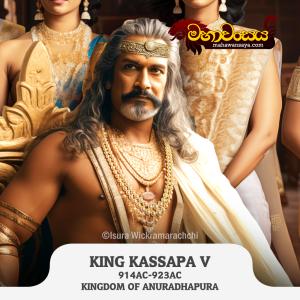
King Kassapa V
914 AC-923 AC
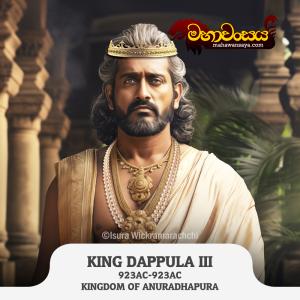
King Dappula III
923 AC-923 AC
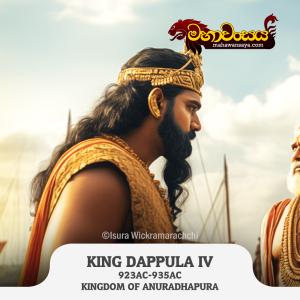
King Dappula IV
923 AC-935 AC
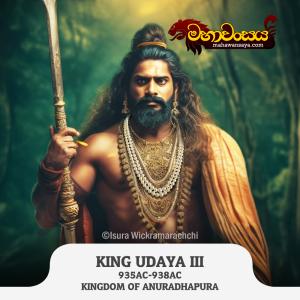
King Udaya III
935 AC-938 AC
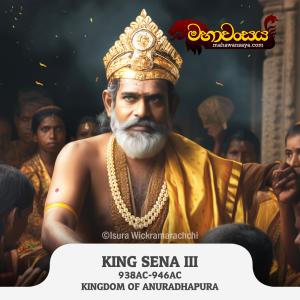
King Sena III
938 AC-946 AC
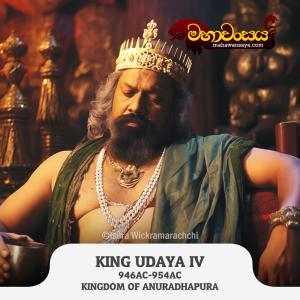
King Udaya IV
946 AC-954 AC
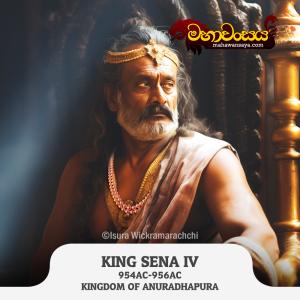
King Sena IV
954 AC-956 AC
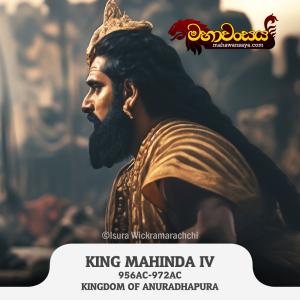
King Mahinda IV
956 AC-972 AC
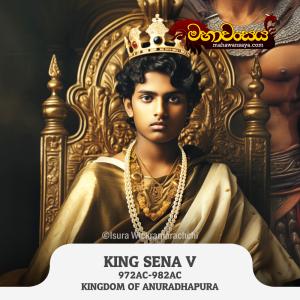
King Sena V
972 AC-982 AC
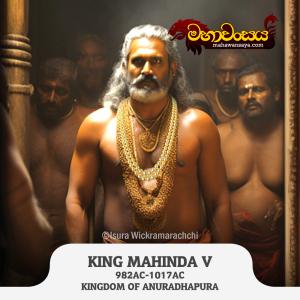
King Mahinda V
982 AC-1017 AC
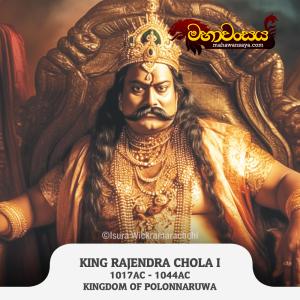
Rajendra Chola I
1017 AC-1044 AC
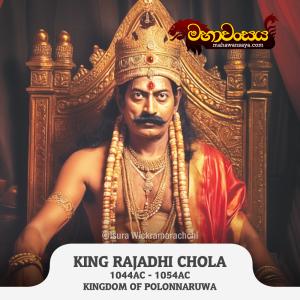
Rajadhiraja Chola
1044 AC-1054 AC
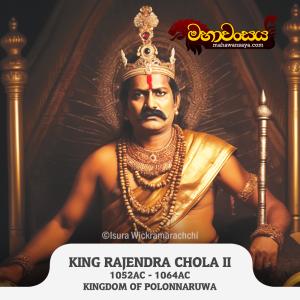
Rajendra Chola II
1052 AC-1064 AC
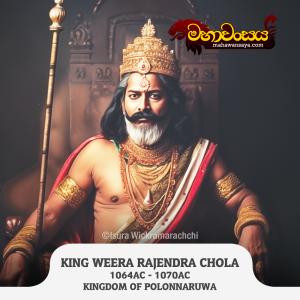
Virarajendra Chola
1064 AC-1070 AC
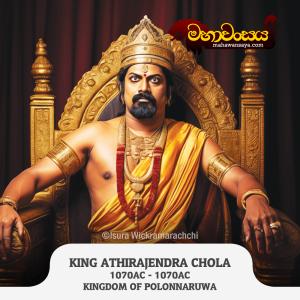
Athirajendra Chola
1070 AC-1070 AC
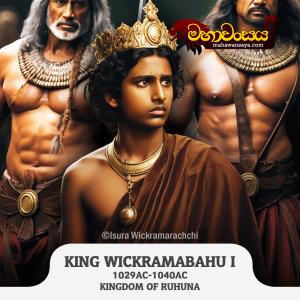
King Wickramabahu I
1029 AC-1040 AC
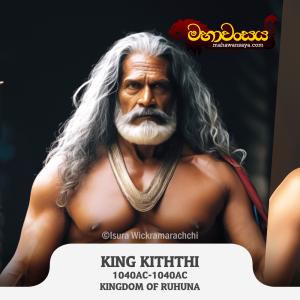
King General Keerthi
1040 AC-1040 AC
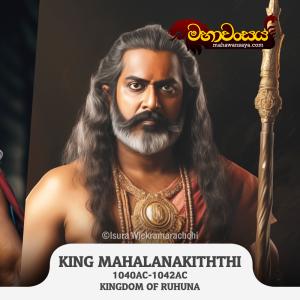
King Mahalana Kiththi
1040 AC-1042 AC
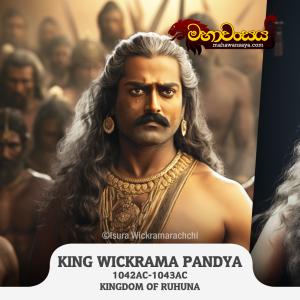
King Wickrama Pandu
1042 AC-1043 AC
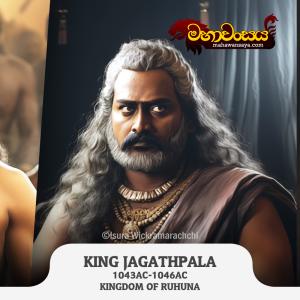
King Jagathpala
1043 AC-1046 AC
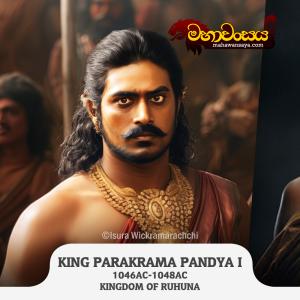
King Parakrama Pandu
1046 AC-1048 AC
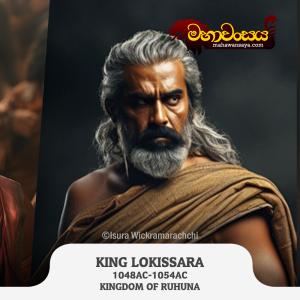
King Lokissara
1048 AC-1054 AC
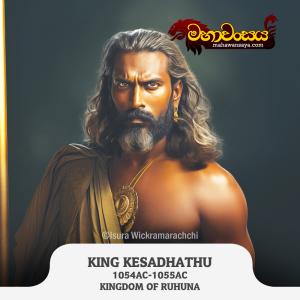
King Kesadhathu
1054 AC-1055 AC
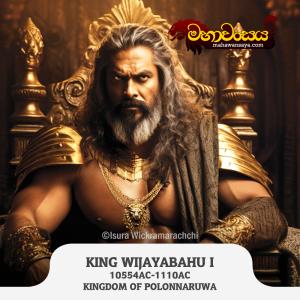
King Vijayabahu I
1055 AC-1110 AC
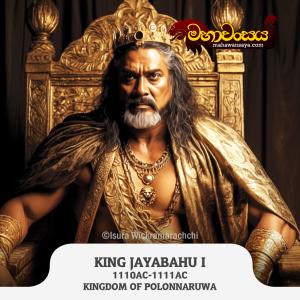
King Jayabahu I
1110 AC-1111 AC
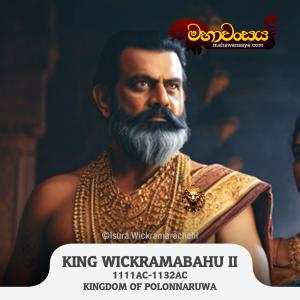
King Wickramabahu II
1111 AC-1132 AC
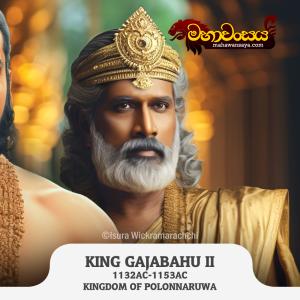
King Gajabahu II
1032 AC-1053 AC
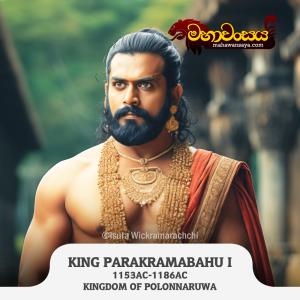
King Parakramabahu I
1053 AC-1086 AC
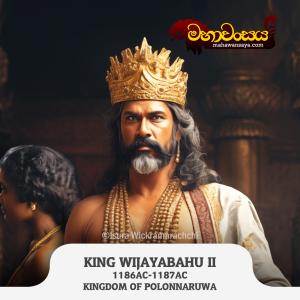
King Vijayabahu II
1186 AC-1187 AC
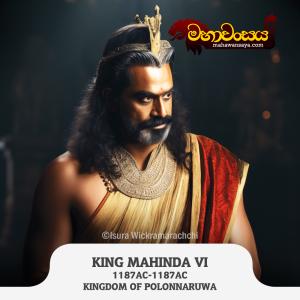
King Mahinda VI
1187 AC-1187 AC
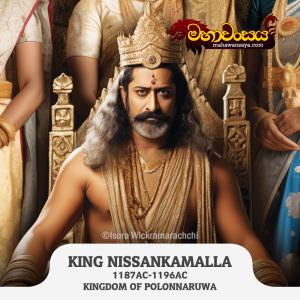
King Nissanka Malla
1187 AC-1196 AC
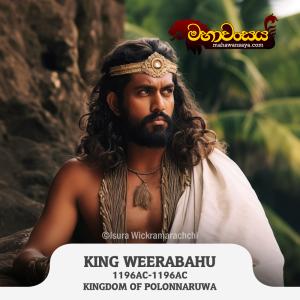
King Weerabahu I
1196 AC-1196 AC
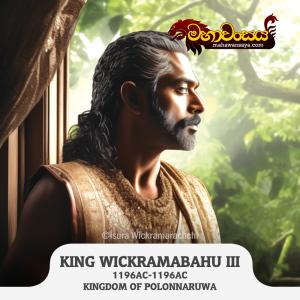
King Wickramabahu III
1196 AC-1196 AC
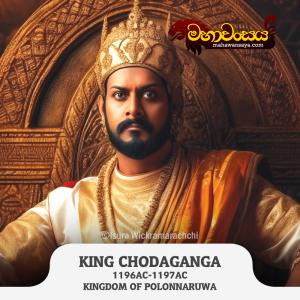
King Chodaganga
1196 AC-1197 AC
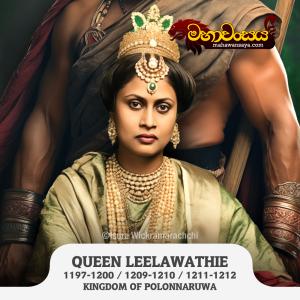
Queen Leelawathie
1197 AC-1200 AC
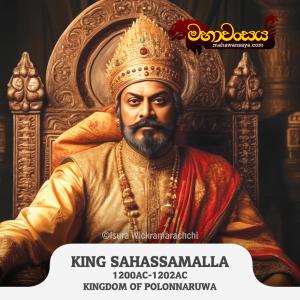
King Sahasamalla
1200 AC-1202 AC
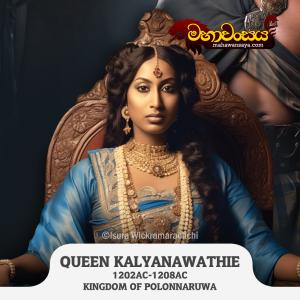
Queen Kalyanawathie
1202 AC-1208 AC
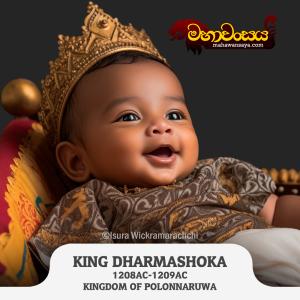
King Dharmasoka
1208 AC-1209 AC
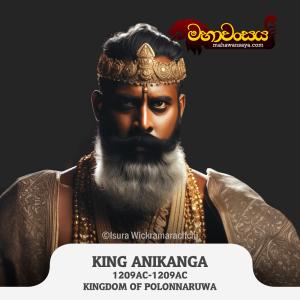
King Anikanga
1209 AC-1209 AC
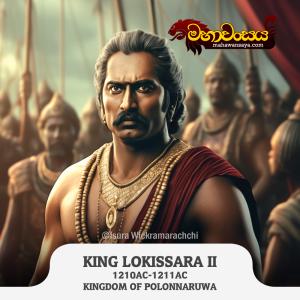
King Lokissara ii
1210 AC-1211 AC
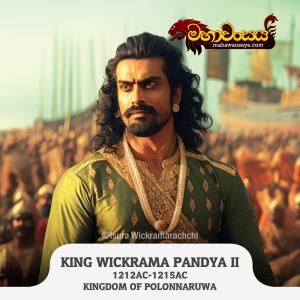
King Parakrama Pandu II
1212 AC-1215 AC
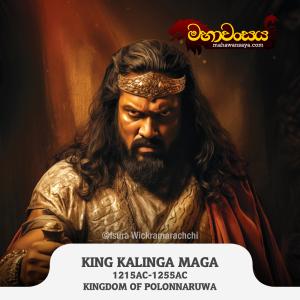
King Kalinga Magha
1215 AC-1255 AC
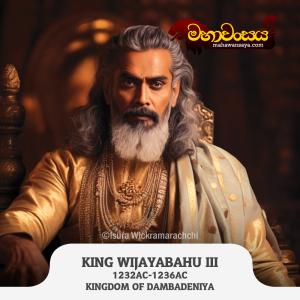
King Vijayabahu III
1232 AC-1236 AC
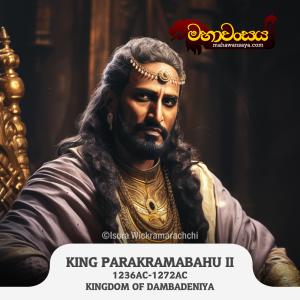
King Parakramabahu II
1236 AC-1272 AC
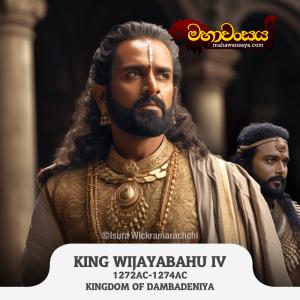
King Vijayabahu IV
1272 AC-1274 AC
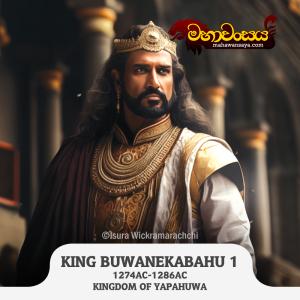
King Buvanekabahu I
1274 AC-1286 AC
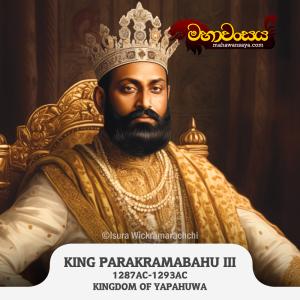
King Parakramabahu III
1287 AC-1293 AC
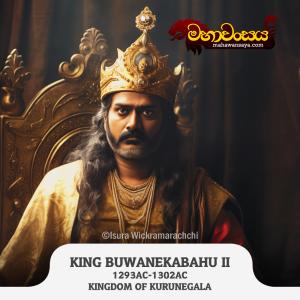
King Buvanekabahu II
1293 AC-1302 AC
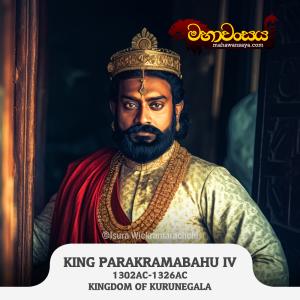
King Parakramabahu IV
1302 AC-1326 AC
-208.jpg)
King Buvanekabahu III (Vanni B
1326 AC-1335 AC
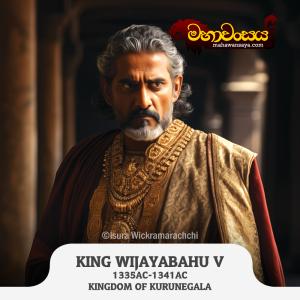
King Vijayabahu V
1335 AC-1341 AC
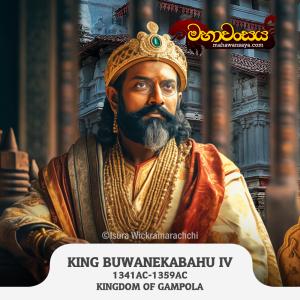
King Buvanekabahu IV
1341 AC-1359 AC
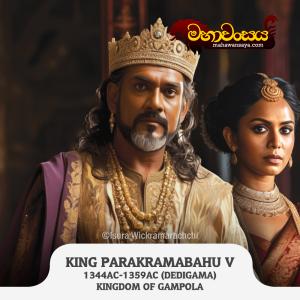
King Parakramabahu V
1344 AC-1359 AC
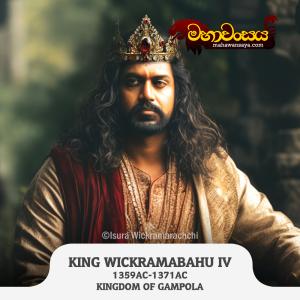
King Wickramabahu IV
1359 AC-1371 AC
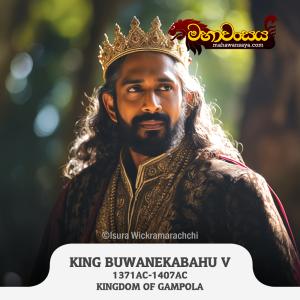
King Buvanekabahu V
1371 AC-1407 AC
-544.jpg)
King Kumara Alakeshwara (Alake
1391 AC-1391 AC
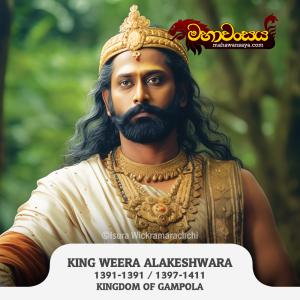
King Weera Alakesvara
1397 AC-1411 AC
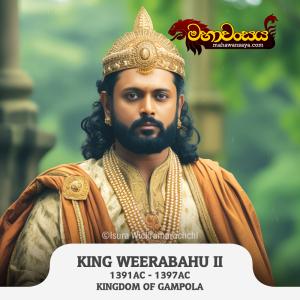
King Weerabahu II
1391 AC-1397 AC
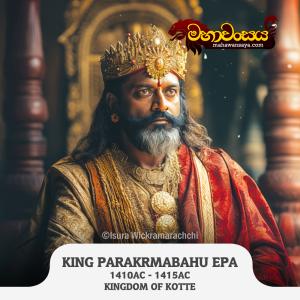
King Parakramabahu Epa
1410 AC-1415 AC
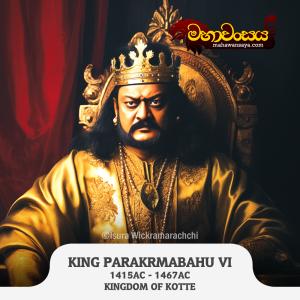
King Parakramabahu VI
1415 AC-1467 AC
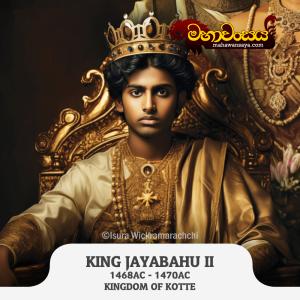
King Jayabahu II
1468 AC-1470 AC
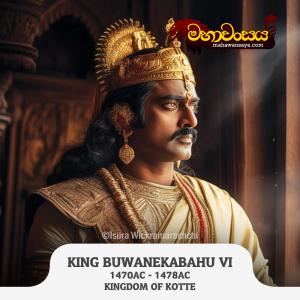
King Buvanekabahu VI
1470 AC-1478 AC
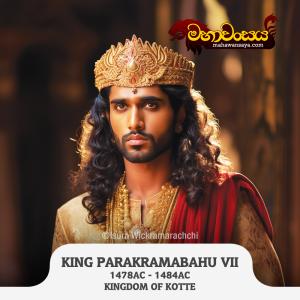
King Panditha Parakramabahu VI
1478 AC-1484 AC
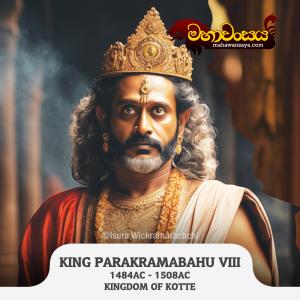
King Weera Parakramabahu VIII
1484 AC-1508 AC
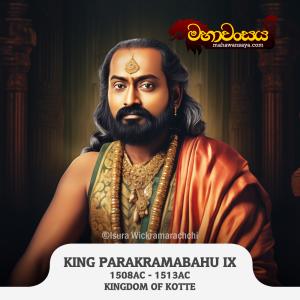
King Darma Parakramabahu IX
1508 AC-1513 AC
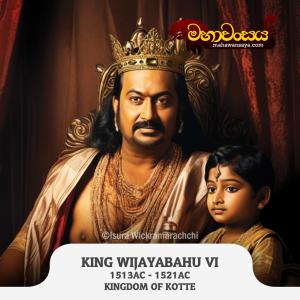
King Vijayabahu VI
1513 AC-1521 AC
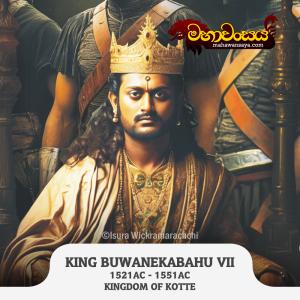
King Buvanekabahu VII
1521 AC-1551 AC
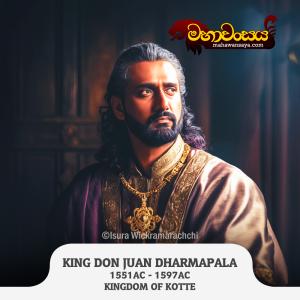
King Don Juwan Dharmapala
1551 AC-1597 AC
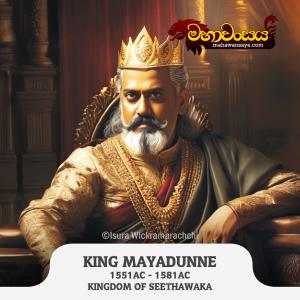
King Mayadunne
1551 AC-1581 AC
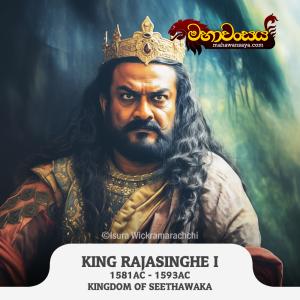
King Rajasinha I
1581 AC-1593 AC
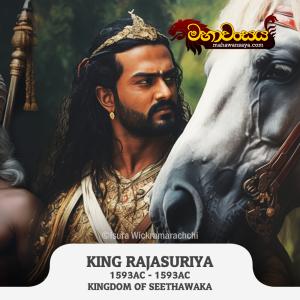
King Rajasooriya
1593 AC-1593 AC
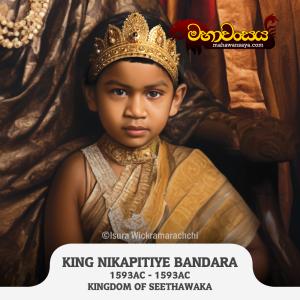
King Nikapitiye Bandara
1593 AC-1593 AC
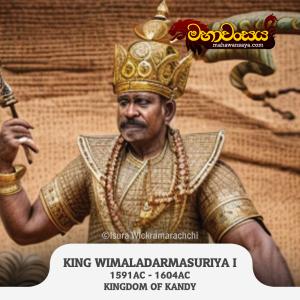
King Wimaladharmasuriya I
1591 AC-1604 AC
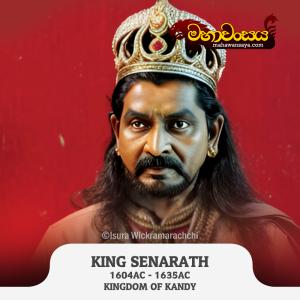
King Senarat
1604 AC-1635 AC
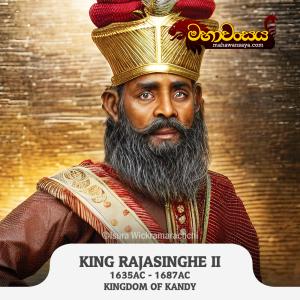
King Rajasinha II
1635 AC-1687 AC
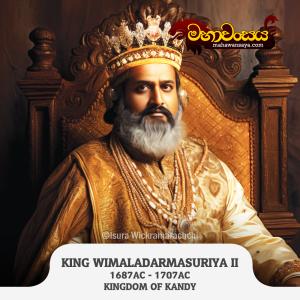
King Wimaladharmasuriya II
1687 AC-1707 AC
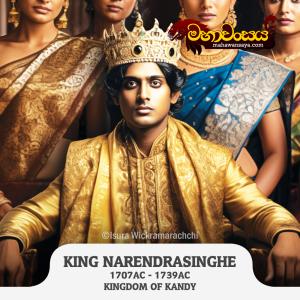
King Sri Weera Parakrama Naren
1707 AC-1739 AC
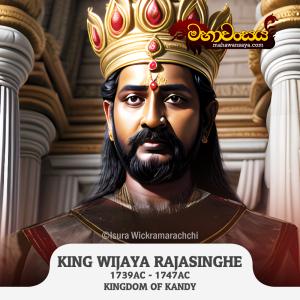
King Sri Wijaya Rajasingha
1739 AC-1747 AC
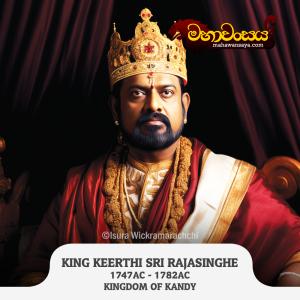
King Keerthi Sri Rajasingha
1747 AC-1782 AC
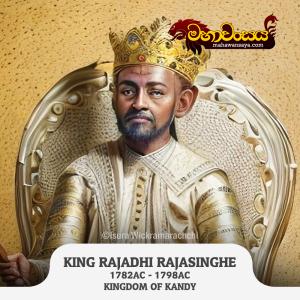
King Rajadhi Rajasinha
1782 AC-1798 AC
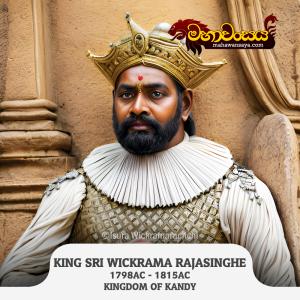
King Sri Wikrama Rajasinha
1798 AC-1815 AC

Pedro Lopes de Sousa
1594 AC-1594 AC
Joao da Silveira
1518 AC-1518 AC
Lopo de Brito
1518 AC-1522 AC
Fernao Gomes de Lemos
1522 AC-1524 AC
Joao Henriques
1551 AC-1552 AC
Diogo de Melo Coutinho
1552 AC-1552 AC
Duarte de Eca
1552 AC-1553 AC
Fernao Carvalho
1553 AC-1555 AC

Willem Jacobszoon Coster
1640 AC-1640 AC
Jan Thyszoon Payart
1640 AC-1646 AC
On the very day that the Supreme Teacher, the Buddha, attained Parinirvana, Prince Vijaya landed in Lanka and, with the assistance of Kuveni, killed all the Yakkhas who had gathered at the city of Sirisavatthu and was crowned king at Tambapanni. You would have read of this in the opening narrative. In the thirty-eighth year of King Vijaya’s reign, he perceived that his end was approaching. He had not received any offspring from the queen he had brought from southern Madura. Therefore, there was no heir to succeed him. King Vijaya reflected thus: “It is not fitting that the kingdom built with such difficulty should perish. It would be good if my brother Prince Sumitta were summoned.” Thereafter, he consulted with his ministers and sent a message conveying this to Sinhapura. Meanwhile, the king passed away. The ministers governed the kingdom from Upatissagama during the interregnum. Many historians state that the chaplain named Upatissa assumed kingship. The Pujavaliya, Nikaya Sangrahaya, Rajavaliya, and Rajaratnakara state this explicitly. However, the Mahavamsa states that the ministers administered the kingdom from Upatissagama under his leadership. This matter has been so incorrectly interpreted by some that, when listing kings, they name this minister as the first King Upatissa and further refer to another king of the same name, who ruled between 365–406 A.B., as the second King Upatissa. This appears to be erroneous.
The period between the death of King Vijaya and the arrival of those who had gone to Sinhapura with his message was about one year. This period, during which the ministers governed the country, is considered an interregnum in the history of Lanka. When the envoys reached Sinhapura, Prince Sumitta had already been crowned king there. His queen was Chitra, the daughter of the King of Madura. She bore him three children. King Sumitta, thinking that he must somehow fulfill his brother’s request, summoned his sons and told them that one of them should go to Lanka and that he could receive the consecration there after King Vijaya. The youngest son agreed. Accordingly, King Sumitta sent his youngest son, Prince Panduvasudeva, along with a retinue of thirty-two, to Lanka. The Mahavamsa states that they landed at the mouth of the Mahakandara River. Some identify the Mahakandara River as the Malvatu Oya and consider its estuary, known as Kammantota, to be the landing place of Prince Panduvasudeva. However, it also appears that during this period the Mahaweli River was known as the Mahakandara River. The Mahavamsa-tika further states that the port where they landed was Gokannatittha, which is present-day Trincomalee. The Mahavamsa also records that the arriving party lived in ascetic guise.
The ministers consulted soothsayers to determine whether a Kshatriya was arriving and learned that he would arrive within seven days. The pronouncements of the astrologers did not end there. In the account concerning the obtaining of a queen for Prince Panduvasudeva, the astrologer Kaladeva declared that a noble Kshatriya maiden would arrive. Moreover, in the earlier prophecy, it is stated in the Mahavamsa that a prince of this royal lineage would establish the Buddha’s dispensation in this land. When the arriving party gradually reached Upatissagama, the ministers recognized them and prepared to confer the kingdom and perform the consecration of Prince Panduvasudeva. However, since a suitable princess had not yet arrived, he did not agree to be consecrated and ruled the kingdom without coronation.
Meanwhile, another event occurred in a kingdom in the valley of the Ganges River in India. Pandu Sakka, the son of Amitodana the Sakyian, a relative of the Buddha during his lifetime, foresaw the future destruction of the Sakyas and crossed the Ganges, founded a city, and dwelt there. He had seven sons and one daughter. The daughter was a beautiful princess named Bhaddakaccana. Kings of seven realms sent gifts and proposals seeking her hand. Fearing this, the father king placed his daughter on a ship with thirty-two women and set it adrift on the river, wishing that whoever was able might take her. None of the princes could seize her, and the ship drifted and reached Gonagamapatuna on the second day.
This group, which landed there in ascetic guise, gradually approached Upatissagama. The ministers, who had already learned of this through diviners, recognized them and gave Princess Bhaddakaccana in marriage to Prince Panduvasudeva and consecrated him as king. After her arrival, her seven brothers also came to Lanka at the urging of their mother. With the permission of King Panduvasudeva, the princes named Rama, Uruvela, Anuradha, Vijita, Dighayu, and Rohana established settlements bearing their names and resided there. This clearly represents another instance of settlement formation through Aryan migration. In this list of names, three correspond to the names of three ministers who had come with King Vijaya and established settlements: Uruvela, Anuradha, and Vijita. Whether this represents a blending of two name lists, the same event recorded twice, or the establishment of two settlements bearing the same names cannot be stated with certainty. In later times, the settlements of Princes Anuradha, Dighayu, and Rohana assumed an important place in Sri Lankan history. The settlement of Prince Rama appears to have been located corresponding to present-day Trincomalee, that of Prince Vijita toward Polonnaruwa, that of Prince Dighayu toward Ampara, and that of Prince Rohana along the valleys of the Kumbukkan and Menik rivers. Uruvela is identified in the Rajavaliya as Mahaveligama. Of these settlements, those of Anuradha and Dighayu have been identified with certainty. These Sakyan Aryans contributed to the settlement of both Rajarata and Ruhuna, and it appears that a single kin-related royal lineage was established in both the north and the south.
The name Panduvasudeva given in the Mahavamsa appears in the Dipavamsa simply as Panduvasa. No inscription dating from the early period after the beginning of writing and spread across the island mentions this name. However, the Sinhala Prakrit form “Pandu,” corresponding to “Pandu,” is found compounded with other words, such as in Pandu-gutta (Pandu-gupta). Only once does a Brahmi inscription mention a tract of land named Panduvasagodapana. This name should properly be Panduvamsa, and if the second element is taken, it should be Panduvasudeva. The name Vasudeva (Vasudeva) does not appear in any Brahmi inscription discovered so far. Scholars interpreting these terms believe that during this period Lanka was under the leadership of a group of migrating Pandyan Aryans.
King Panduvasudeva had ten sons and one daughter by Bhaddakaccana. The Mahavamsa names the eldest son as Abhaya and the youngest child, a daughter, as Chitra, and also mentions another named Siva. The Dipavamsa, however, lists the names in order as Abhaya, Tissa, Uttiya, Asela, Vibhata, Rama, Siva, Matta, Mattakalena, and Chitta. Although many scholars state that King Panduvasudeva ruled from Upatissagama, the Mahavamsa-tika says he ruled from Vijitapura. The Mahavamsa, Rajavaliya, and Rajaratnakara state that his reign lasted thirty years.
The Rajavaliya and the Kuveni Asna-Vatti texts, which relate the story of King Panduvasudeva, record an extraordinary and miraculous tale about him, describing how a curse that should have afflicted King Vijaya came upon this king and how it was remedied by summoning the god of death to the country. These accounts have no historical significance. We know that King Panduvasudeva’s only daughter was Chitta (Chitra), a woman of such beauty that it drove men mad, and that she was confined in a lofty mansion for her protection. The reason was a prophecy by a soothsayer that a son born of her would destroy all his maternal uncles for the sake of the throne. When her brothers attempted to kill Princess Chitra, the eldest, Prince Abhaya, prevented this and protected her. The Mahavamsa states that because she drove men mad, Chitra became known as Ummada-Chitra. If madness afflicted those who saw her, the term “ummada” should apply to them, not to Chitra herself. Therefore, this expression must bear a meaning different from the commonly accepted one. She was the youngest of the royal family and the only daughter. Because of her beauty, liveliness, and intense passion, it is appropriate that she was called Ummada-Chitra in the sense of possessing excessive ardor. About a century later, Brahmi inscriptions at Dighavapi record the names Chitra and Rachitra. At that time, Prince Dighayu, one of Chitra’s maternal uncles, resided at Dighavapi. His son was Dighagamini. Hearing of Chitra, he came to Upatissagama with the desire to see her, accompanied by the servants Gopakattha and Kalavela. King Panduvasudeva was pleased with him and granted him the rank of sub-king to serve alongside Crown Prince Abhaya. Ummada-Chitra, having learned of Dighagamini, became attached to him, and the two met in the lofty mansion. The prince entered at night by means of a rotating contrivance and departed at dawn. As these events unfolded, Ummada-Chitra became pregnant.
When the king learned of this, he bound the two in marriage. The other brothers resolved that if she bore a son, he should be killed. The Mahavamsa describes how, with the involvement of yakkhas, the birth occurred in the lying-in chamber. Knowing her uncles’ hostility, Princess Chitra exchanged her child with a female child born to a maidservant, presenting the girl as her own and the boy as the servant’s child. The boy was named Pandukabhaya. Thereafter, the infant prince was sent out of the city with the maidservant. Thus, the prince was saved. When the uncles learned that the prince was alive, they plotted to kill him, but on every occasion he was protected. A few days after his birth, King Panduvasudeva, who had ruled for thirty years, passed away.
The arrival of King Panduvasudeva in this land, and the arrival of Bhaddakaccana and her brothers, can also be interpreted in another way. Among the groups that migrated to this island from about the sixth century BCE, this was one such instance. The establishment of settlements in this island by Sakyan princes is clearly described here. The story of Bhaddakaccana appears to give meaningful expression to the arrival of groups migrating from eastern India. Linguists note that certain features of the Sinhala language reflect eastern Indian linguistic characteristics. Thus, the story of King Vijaya may represent Aryan migration from western India, while the story of Bhaddakaccana represents Aryan migration from the east. Similarities are observable in the lists of names associated with settlement founders in both narratives. As noted earlier, three names appear in both lists: Anuradha, Uruvela, and Vijita. Whether this reflects a blending of two lists is unclear. According to the chronicles, these Aryans appear to have established two settlements each bearing the same names. In any case, after these narratives, information regarding settlement formation no longer appears in the chronicles, and what is seen thereafter seems to be invasion rather than migration.