139
King Wickramabahu II
Kingdom of Polonnaruwa
1111 AC - 1132 AC
1111 AC - 1132 AC

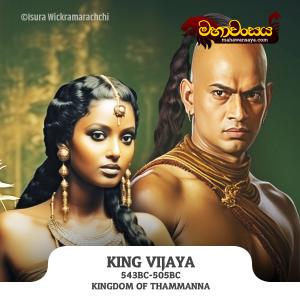
King Vijaya
543 BC-505 BC
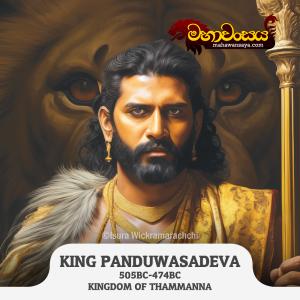
King Panduvasdeva
504 BC-474 BC
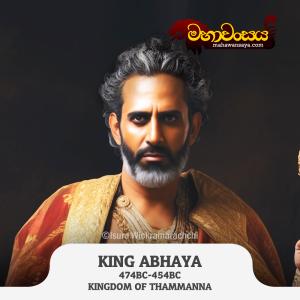
King Abhaya
474 BC-454 BC
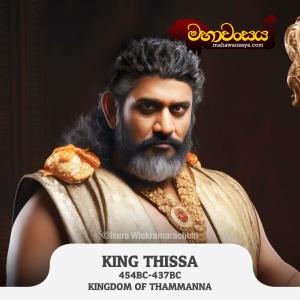
King Tissa
454 BC-437 BC
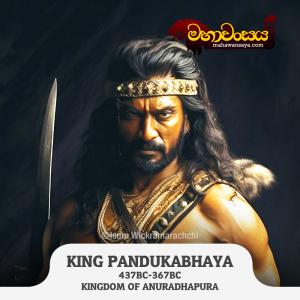
King Pandukabhaya
437 BC-367 BC
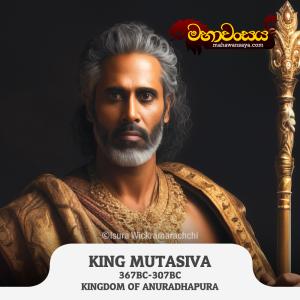
King Mutasiva
367 BC-307 BC
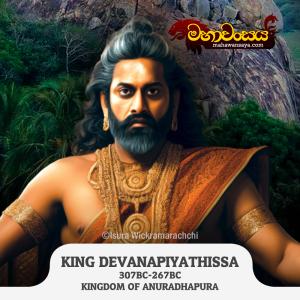
King Devanampiya Tissa
307 BC-267 BC
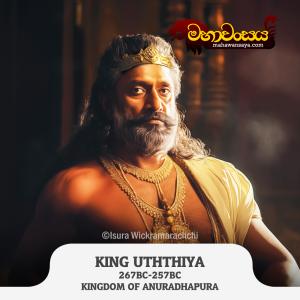
King Uttiya
267 BC-257 BC
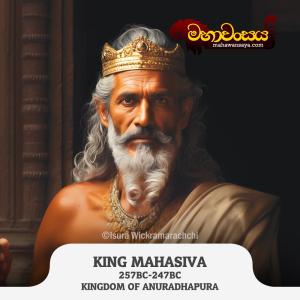
King Mahasiva
257 BC-247 BC
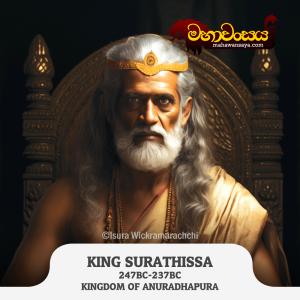
King Suratissa
247 BC-237 BC
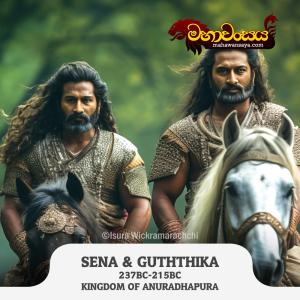
Sena and Guttika
237 BC-215 BC
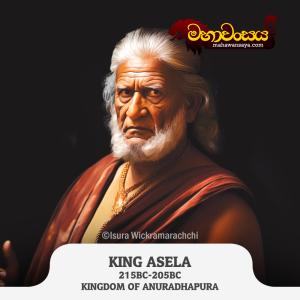
King Asela
215 BC-205 BC
King Elara
205 BC-161 BC
King Dutugemunu
161 BC-137 BC
King Saddha Tissa
137 BC-119 BC
King Thulatthana
119 BC-119 BC
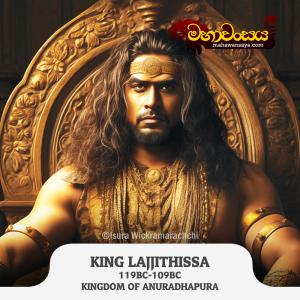
King Lajjithissa
119 BC-109 BC
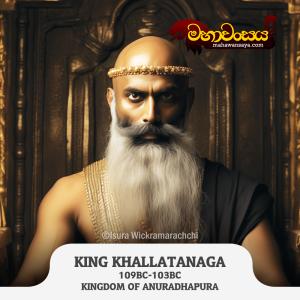
King Khallata Naga
109 BC-103 BC
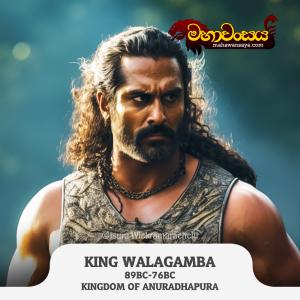
King Walagamba
89 BC-76 BC
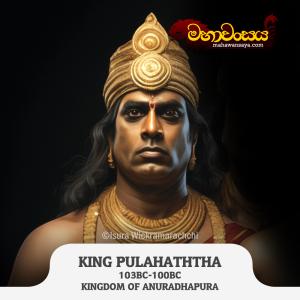
King Pulahaththa
103 BC-100 BC
King Bhahiya
100 BC-98 BC
King Panayamara
98 BC-91 BC
King Piliyamara
91 BC-91 BC
King Dathiya
91 BC-89 BC
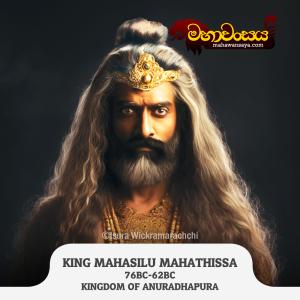
King Mahachulikamahathissa
76 BC-62 BC
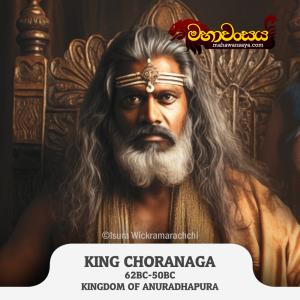
King Choranaga
62 BC-50 BC
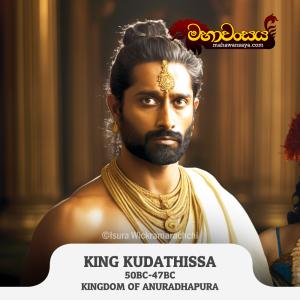
King Kuda Thissa
50 BC-47 BC
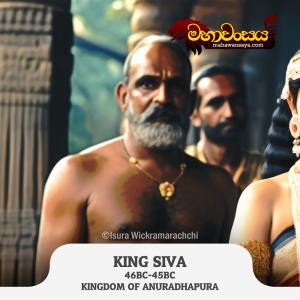
King Siva I
47 BC-45 BC
King Vatuka
45 BC-44 BC
King Darubhatika Tissa
44 BC-43 BC
King Neeliya
43 BC-43 BC
Queen Anula
43 BC-42 BC
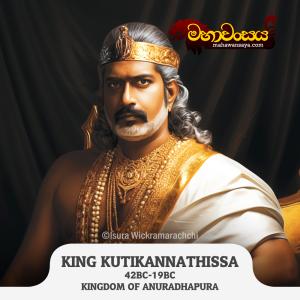
King Kutikanna Tissa
42 BC-19 BC
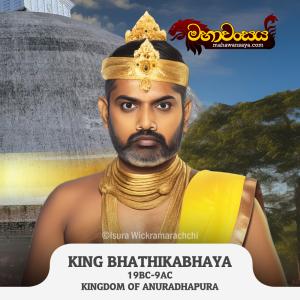
King Bhathikabhaya
19 BC-9 AC
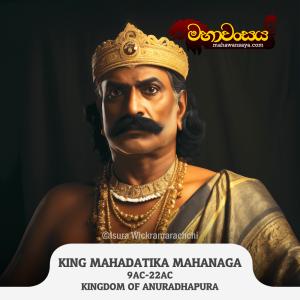
King Mahadatika Mahanaga
9 AC-22 AC
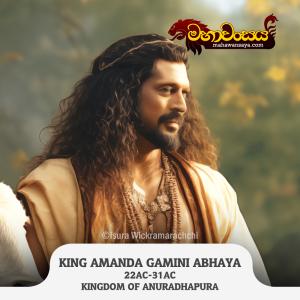
King Amandagamani Abhaya
22 AC-31 AC
King Kanirajanu Tissa
31 AC-34 AC
King Chulabhaya
34 AC-35 AC
Queen Seevali
35 AC-35 AC
King Ilanaga
39 AC-44 AC
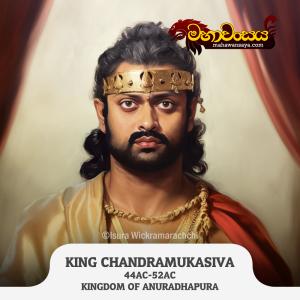
King Chandra Mukha Siva
44 AC-52 AC
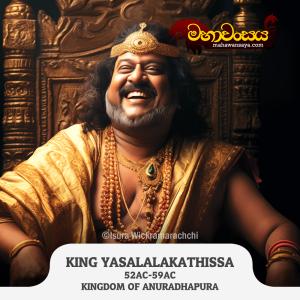
King Yassalalaka Thissa
52 AC-59 AC
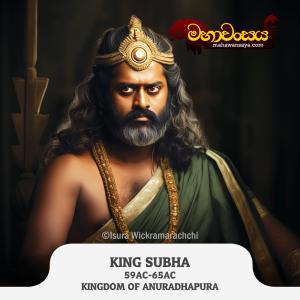
King Subha
59 AC-65 AC
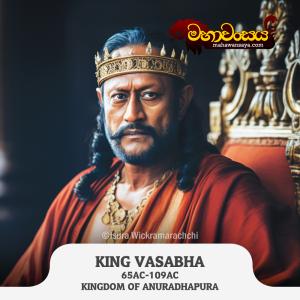
King Vasabha
65 AC-109 AC
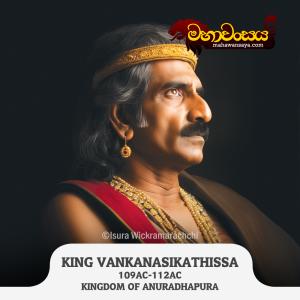
King Vankanasika Tissa
109 AC-112 AC
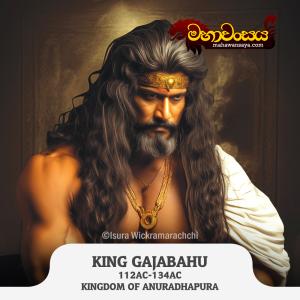
King Gajabahu I
112 AC-134 AC
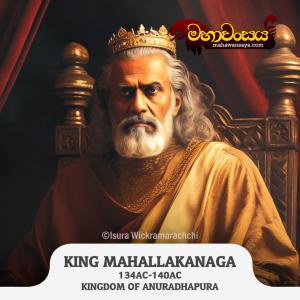
King Mahallaka Naga
134 AC-140 AC
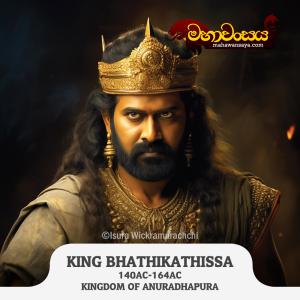
King Bhathika Thissa
140 AC-164 AC
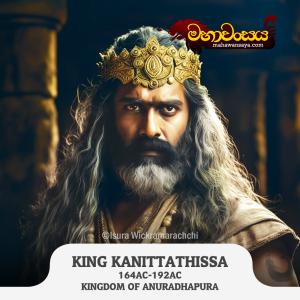
King Kanitta Tissa
164 AC-192 AC
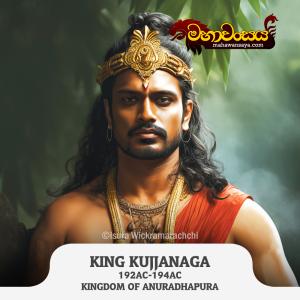
King Kujjanaga
192 AC-194 AC
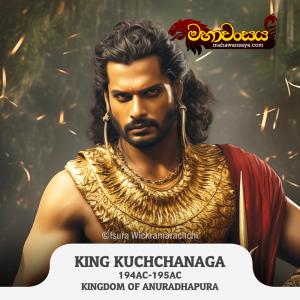
King Kudda Naga
194 AC-195 AC
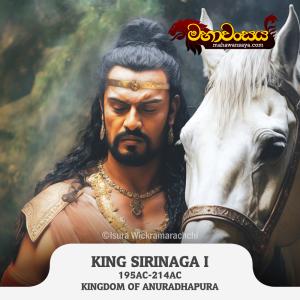
King Sirinaga I
195 AC-214 AC
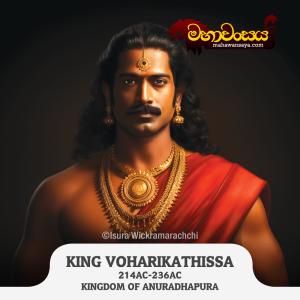
King Voharika Tissa
214 AC-236 AC
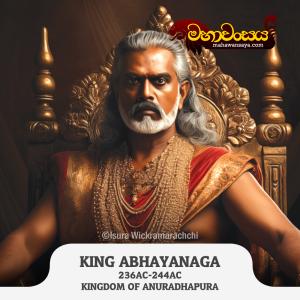
King Abhaya Naga
236 AC-244 AC
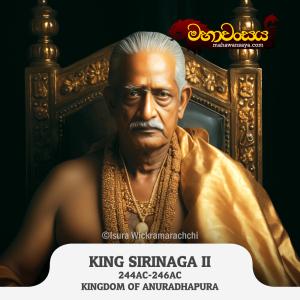
King Sirinaga II
244 AC-246 AC
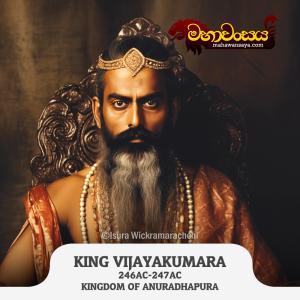
King Vijaya Kumara
246 AC-247 AC
King Sangha Tissa I
247 AC-251 AC
King Siri Sangha Bodhi I
251 AC-253 AC
King Gotabhaya
253 AC-266 AC
King Jetta Tissa I
266 AC-276 AC
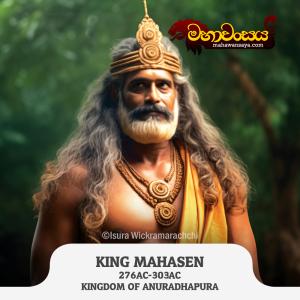
King Mahasen
276 AC-303 AC
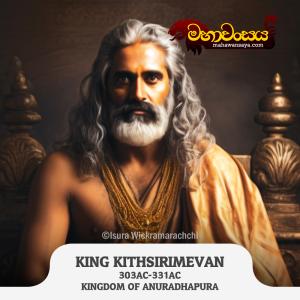
King Kithsirimewan
303 AC-331 AC
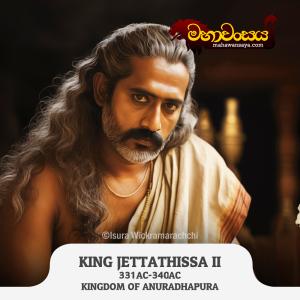
King Jetta Tissa II
331 AC-340 AC
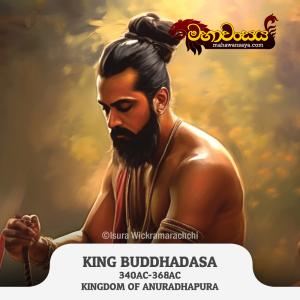
King Buddhadasa
340 AC-368 AC
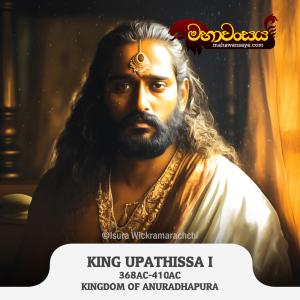
King Upatissa I
368 AC-410 AC
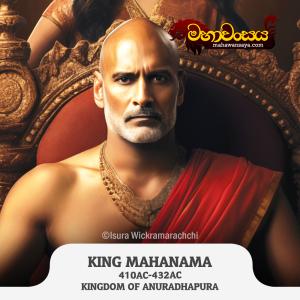
King Mahanama
410 AC-432 AC
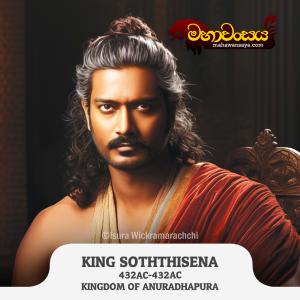
King Soththisena
432 AC-432 AC
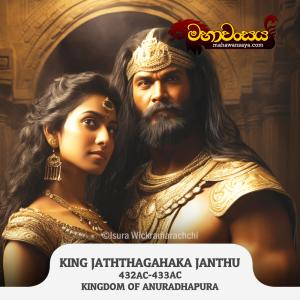
King Jaththagahaka Janthu
432 AC-433 AC
King Miththasena
432 AC-433 AC
King Pandu
433 AC-438 AC
King Parinda
438 AC-441 AC
King Kuda Parinda
441 AC-456 AC
King Thirithara
456 AC-456 AC
King Datiya II
456 AC-459 AC
King Peetiya
459 AC-459 AC
King Dhathusena
459 AC-477 AC
King Kassapa I
477 AC-495 AC
King Mugalan I
495 AC-512 AC
King Kumaradasa
512 AC-520 AC
King Kiththisena
520 AC-521 AC
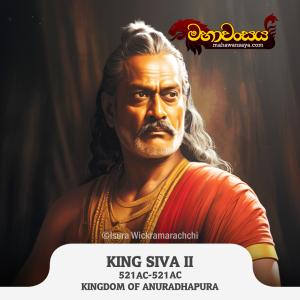
King Siva II
521 AC-521 AC
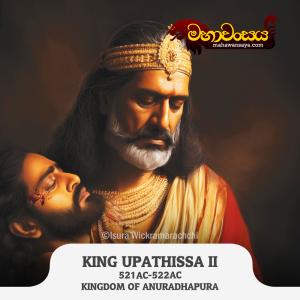
King Upatissa II
521 AC-522 AC
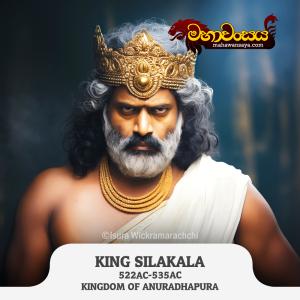
King Silakala
522 AC-535 AC
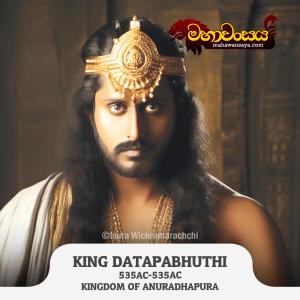
King Datappabhuthi
535 AC-535 AC
King Mugalan II
535 AC-555 AC
King Kiththisirimegha
555 AC-573 AC
King Mahanaga
573 AC-575 AC
King Aggabodhi I
575 AC-608 AC
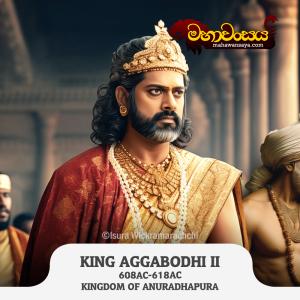
King Aggabodhi II
608 AC-618 AC
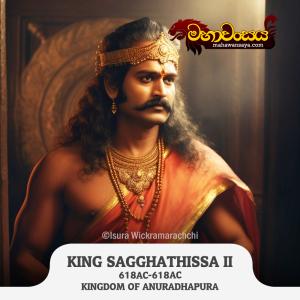
King Sangha Tissa II
618 AC-618 AC
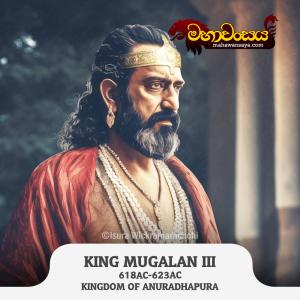
King Mugalan III
618 AC-623 AC
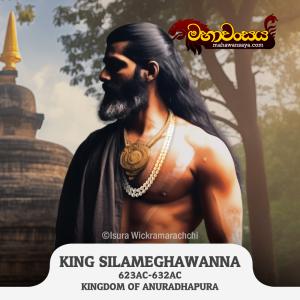
King Silameghavanna
623 AC-632 AC
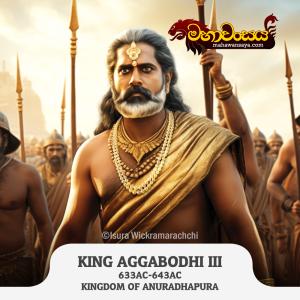
King Aggabodhi III
633 AC-643 AC
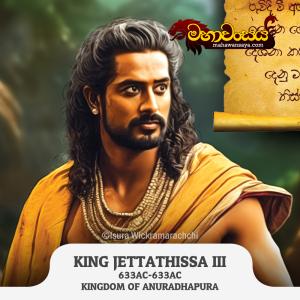
King Jetta Tissa III
633 AC-633 AC
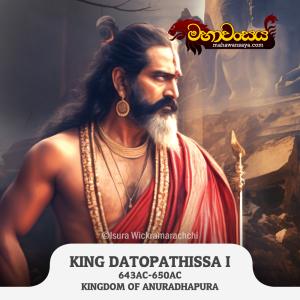
King Datopathissa i
643 AC-650 AC
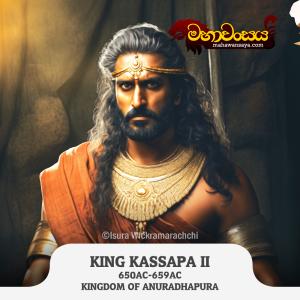
King Kassapa II
650 AC-659 AC
King Dappula I
659 AC-659 AC
King Datopathissa II
659 AC-667 AC
King Aggabodhi IV
667 AC-683 AC
King Daththa
683 AC-684 AC
King Haththadata
684 AC-684 AC
King Manavamma
684 AC-718 AC
King Aggabodhi V
718 AC-724 AC
King Kassapa III
724 AC-730 AC
King Mahinda I
730 AC-733 AC
King Aggabodhi VI
733 AC-772 AC
King Aggabodhi VII
772 AC-777 AC
King Mahinda II
777 AC-797 AC
King Udaya I
797 AC-801 AC
King Mahinda III
801 AC-804 AC
King Aggabodhi VIII
804 AC-815 AC
King Dappula II
815 AC-831 AC
King Aggabodhi IX
831 AC-833 AC
King Sena I
833 AC-853 AC
King Sena II
853 AC-887 AC
King Udaya II
887 AC-898 AC
King Kassapa IV
898 AC-914 AC
King Kassapa V
914 AC-923 AC
King Dappula III
923 AC-923 AC
King Dappula IV
923 AC-935 AC
King Udaya III
935 AC-938 AC
King Sena III
938 AC-946 AC
King Udaya IV
946 AC-954 AC
King Sena IV
954 AC-956 AC
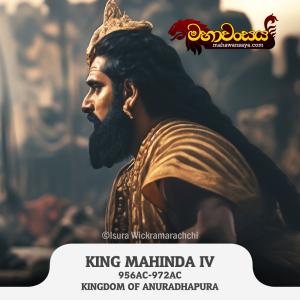
King Mahinda IV
956 AC-972 AC
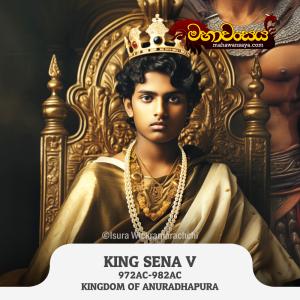
King Sena V
972 AC-982 AC
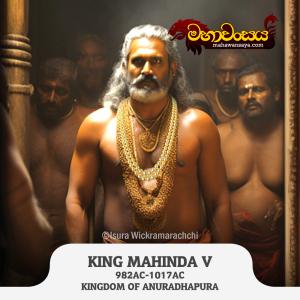
King Mahinda V
982 AC-1017 AC
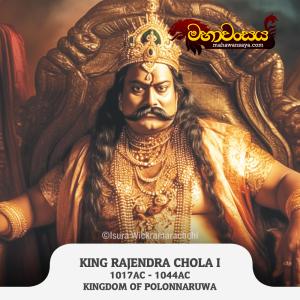
Rajendra Chola I
1017 AC-1044 AC
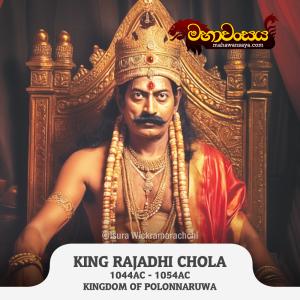
Rajadhiraja Chola
1044 AC-1054 AC
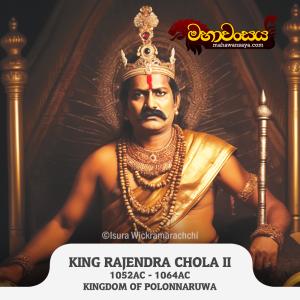
Rajendra Chola II
1052 AC-1064 AC
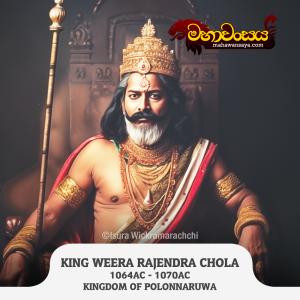
Virarajendra Chola
1064 AC-1070 AC
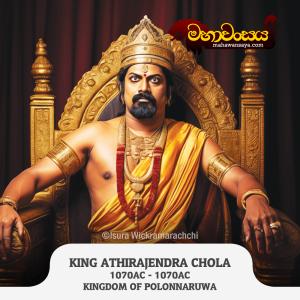
Athirajendra Chola
1070 AC-1070 AC
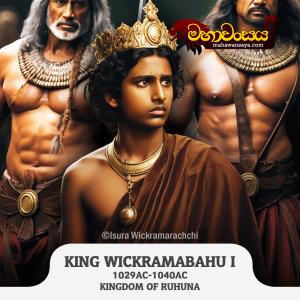
King Wickramabahu I
1029 AC-1040 AC
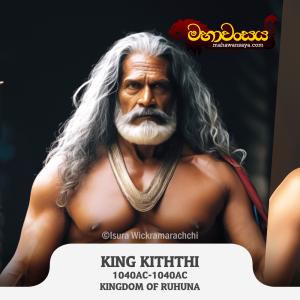
King General Keerthi
1040 AC-1040 AC
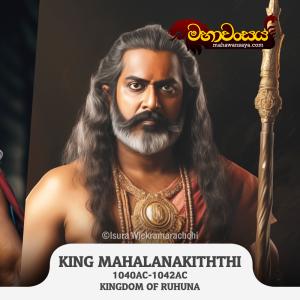
King Mahalana Kiththi
1040 AC-1042 AC
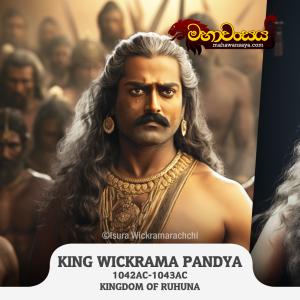
King Wickrama Pandu
1042 AC-1043 AC
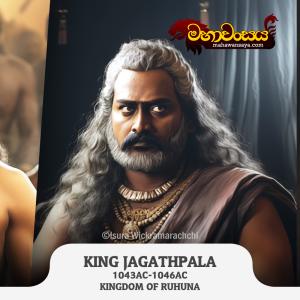
King Jagathpala
1043 AC-1046 AC
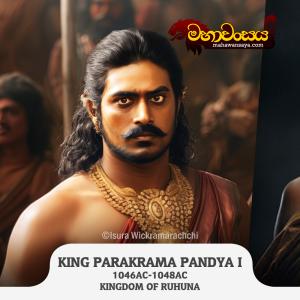
King Parakrama Pandu
1046 AC-1048 AC
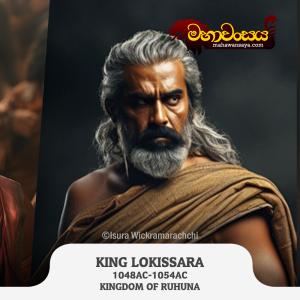
King Lokissara
1048 AC-1054 AC
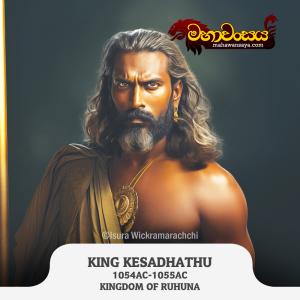
King Kesadhathu
1054 AC-1055 AC
King Vijayabahu I
1055 AC-1110 AC
King Jayabahu I
1110 AC-1111 AC
King Wickramabahu II
1111 AC-1132 AC
King Gajabahu II
1032 AC-1053 AC
King Parakramabahu I
1053 AC-1086 AC
King Vijayabahu II
1186 AC-1187 AC
King Mahinda VI
1187 AC-1187 AC
King Nissanka Malla
1187 AC-1196 AC
King Weerabahu I
1196 AC-1196 AC
King Wickramabahu III
1196 AC-1196 AC
King Chodaganga
1196 AC-1197 AC
Queen Leelawathie
1197 AC-1200 AC
King Sahasamalla
1200 AC-1202 AC
Queen Kalyanawathie
1202 AC-1208 AC
King Dharmasoka
1208 AC-1209 AC
King Anikanga
1209 AC-1209 AC
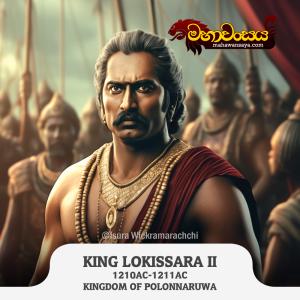
King Lokissara ii
1210 AC-1211 AC
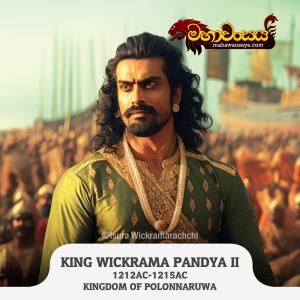
King Parakrama Pandu II
1212 AC-1215 AC
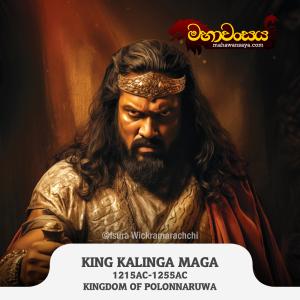
King Kalinga Magha
1215 AC-1255 AC
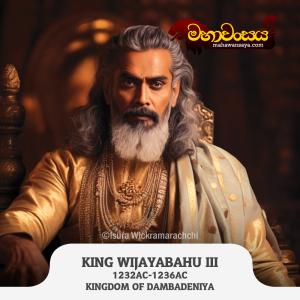
King Vijayabahu III
1232 AC-1236 AC
King Parakramabahu II
1236 AC-1272 AC
King Vijayabahu IV
1272 AC-1274 AC
King Buvanekabahu I
1274 AC-1286 AC
King Parakramabahu III
1287 AC-1293 AC
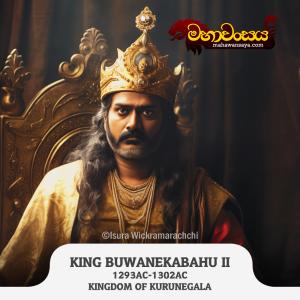
King Buvanekabahu II
1293 AC-1302 AC
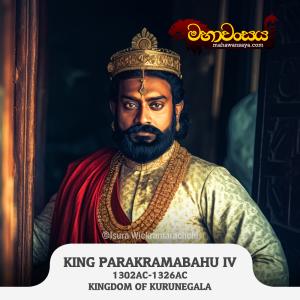
King Parakramabahu IV
1302 AC-1326 AC
-208.jpg)
King Buvanekabahu III (Vanni B
1326 AC-1335 AC
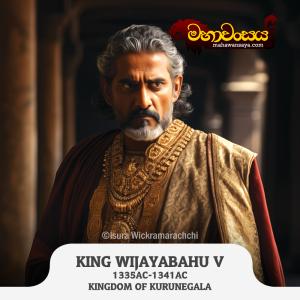
King Vijayabahu V
1335 AC-1341 AC
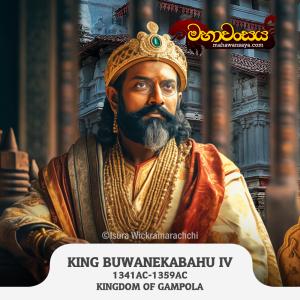
King Buvanekabahu IV
1341 AC-1359 AC
King Parakramabahu V
1344 AC-1359 AC
King Wickramabahu IV
1359 AC-1371 AC
King Buvanekabahu V
1371 AC-1407 AC
-544.jpg)
King Kumara Alakeshwara (Alake
1391 AC-1391 AC
King Weera Alakesvara
1397 AC-1411 AC
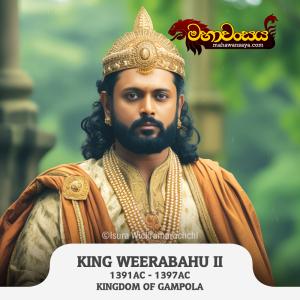
King Weerabahu II
1391 AC-1397 AC
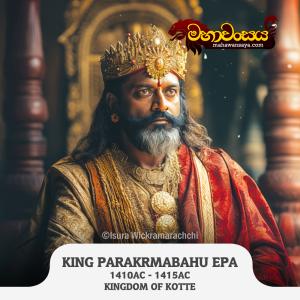
King Parakramabahu Epa
1410 AC-1415 AC
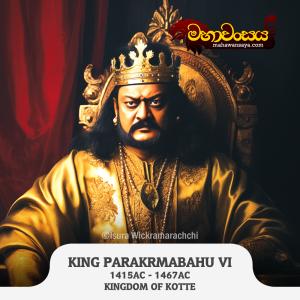
King Parakramabahu VI
1415 AC-1467 AC
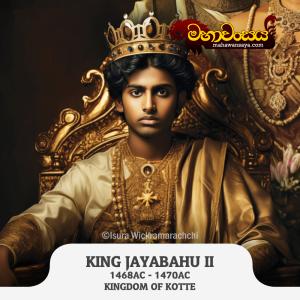
King Jayabahu II
1468 AC-1470 AC
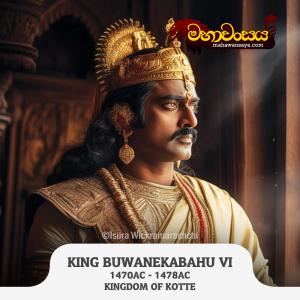
King Buvanekabahu VI
1470 AC-1478 AC
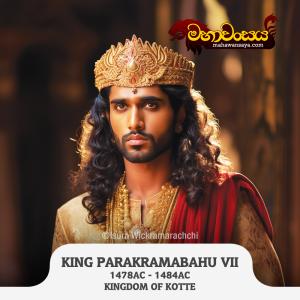
King Panditha Parakramabahu VI
1478 AC-1484 AC
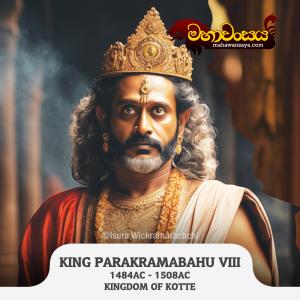
King Weera Parakramabahu VIII
1484 AC-1508 AC
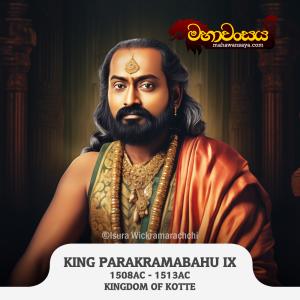
King Darma Parakramabahu IX
1508 AC-1513 AC
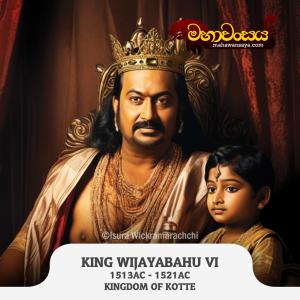
King Vijayabahu VI
1513 AC-1521 AC
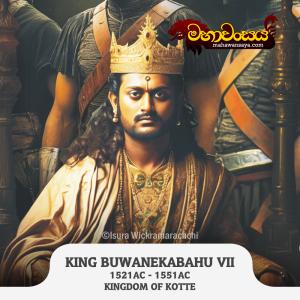
King Buvanekabahu VII
1521 AC-1551 AC
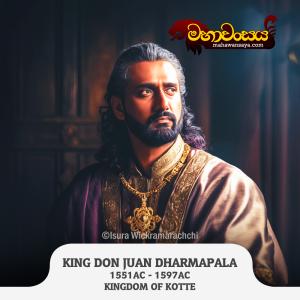
King Don Juwan Dharmapala
1551 AC-1597 AC
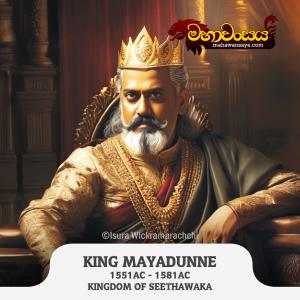
King Mayadunne
1551 AC-1581 AC
King Rajasinha I
1581 AC-1593 AC
King Rajasooriya
1593 AC-1593 AC
King Nikapitiye Bandara
1593 AC-1593 AC
King Wimaladharmasuriya I
1591 AC-1604 AC
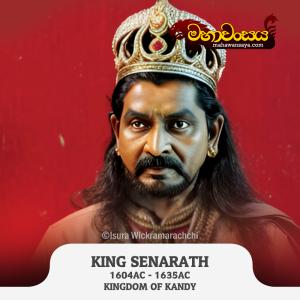
King Senarat
1604 AC-1635 AC
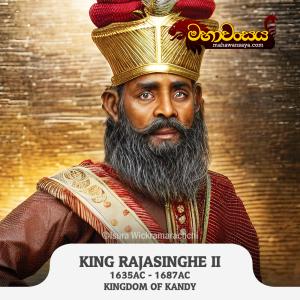
King Rajasinha II
1635 AC-1687 AC
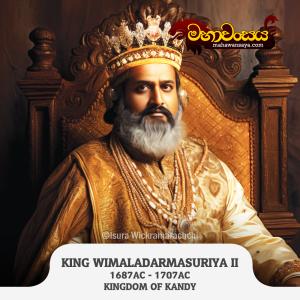
King Wimaladharmasuriya II
1687 AC-1707 AC
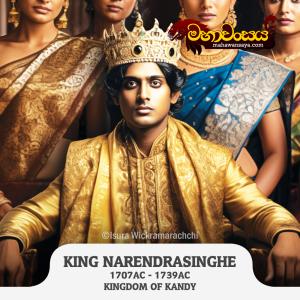
King Sri Weera Parakrama Naren
1707 AC-1739 AC
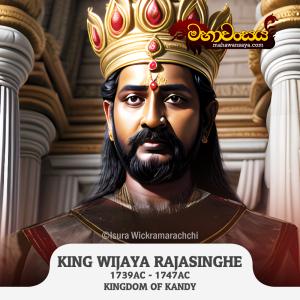
King Sri Wijaya Rajasingha
1739 AC-1747 AC
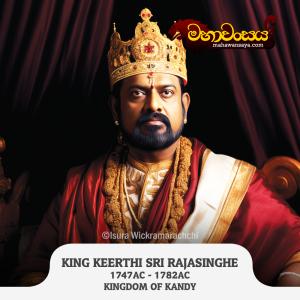
King Keerthi Sri Rajasingha
1747 AC-1782 AC
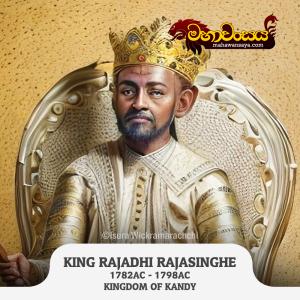
King Rajadhi Rajasinha
1782 AC-1798 AC
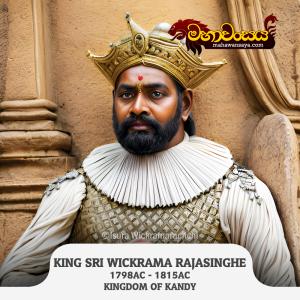
King Sri Wikrama Rajasinha
1798 AC-1815 AC

Pedro Lopes de Sousa
1594 AC-1594 AC
Joao da Silveira
1518 AC-1518 AC
Lopo de Brito
1518 AC-1522 AC
Fernao Gomes de Lemos
1522 AC-1524 AC
Joao Henriques
1551 AC-1552 AC
Diogo de Melo Coutinho
1552 AC-1552 AC
Duarte de Eca
1552 AC-1553 AC
Fernao Carvalho
1553 AC-1555 AC

Willem Jacobszoon Coster
1640 AC-1640 AC
Jan Thyszoon Payart
1640 AC-1646 AC
After King Jayabāhu was driven out, when Prince Vikramabāhu came to Polonnaruwa and ascended the throne, a major upheaval occurred in the country. King Jayabāhu, who had held power in Polonnaruwa, and princes such as Mānābharaṇa seized power in the Rohana region and the Dakkhiṇa region. Thereafter, Prince Kitti Sirimegha took control of the Twelve-Thousand Country (Dolosdahas-rata), while Prince Śrī Vallabha took control of the Eight-Thousand Country (Atdahas-rata). This marked a division of Rohana that had not been mentioned previously.
The Twelve-Thousand Country was the region south of the Walawe River, bounded by the Kalu River. Its capital was Mānavulupura, also known as Mahānāgakula. This corresponds to the present-day area around Rambā Vihāra, in the direction of modern Hambantota. Although the precise boundaries of the Eight-Thousand Country are not clearly defined, it appears to have extended northward from the left bank of the Walawe River. Its capital was Uddhanadvāra, also known as Ududora.
These names correspond in the present day to the area around Galabedda, near the town of Monaragala. Evidence from a contemporary inscription in the Kirindi Oya valley reveals that the division known as the Eight-Thousand Country had been in use at least since the fourth century of the royal era; it is referred to there as “Atasahas.” The Dakkhiṇa region was the area between the Kalu River and the Deduru Oya. At that time its capital was Pilagama, also called Puṅkhagāma, corresponding to present-day Dedigama in the direction of Kegalle.
Prince Kitti Sirimegha went to rule the Twelve-Thousand Country, Prince Śrī Vallabha ruled the Eight-Thousand Country, and Prince Mānābharaṇa went to the Dakkhiṇa region, ruling under the name Vīrabāhu. Jayabāhu, who had become merely a titular king, went with his sister to reside at Mānavulupura with Prince Kitti Sirimegha. Although events unfolded in this manner, disorder did not come to an end. After about a year, the three brothers including Mānābharaṇa again came to wage war against King Vikramabāhu.
King Vikramabāhu went to Bodhisena Pabbatagamaya in the Dakkhiṇa region and, after defeating them, established a camp at Kelaniya to annihilate his enemies completely. Meanwhile, an unexpected event occurred. A ruthless man named Vīradeva, learning of the chaotic conditions in Sri Lanka and believing he could seize the country, landed at Mahātittha with an army. The Mahāvaṁsa records this event as follows:
“At that time, a most ruthless man, known as Vīradeva, praised by the people of Ariyadesa as a hero, thinking that he could seize the island of Lanka, landed at Mahātittha with mighty warriors.”
Before searching for Princes Mānābharaṇa and others who were hiding in a fortress in Pasyodun-rata, Prince Vikramabāhu had to confront this invading foreign enemy. He immediately departed from Kelaniya and set up camp in Mannar. However, Vīradeva killed two royal princes and a general, and captured the commander alive. Defeated, King Vikramabāhu fled to the Kotthasāra region. Before doing so, he went to Polonnaruwa and secured the royal treasury. It appears that Vīradeva believed that if he could capture the king, the throne would be easily secured, and thus he pursued him.
Kotthasāra is believed to correspond to the present-day Kottiyār Pattu region in the Trincomalee area. This region contains extensive marshlands along both banks of the Mahaweli River. King Vikramabāhu made use of this terrain. Through his strategy, Vīradeva became trapped in a marsh called Antaraviṭṭhi and was killed. Having thus destroyed the enemy forces, the king went to Polonnaruwa and ruled there. However, it does not appear that Vikramabāhu was formally consecrated. Consecrated King Jayabāhu continued to reside at Mānavulupura without a crown. Legally, the throne still belonged to him, although he no longer held power. It is unclear whether this was the reason Vikramabāhu was not consecrated.
Due to this unfortunate situation recorded in history, the country, which could not be unified under a single ruler, was divided into four parts and subjected to the arbitrary rule of four rulers. The Mahāvaṁsa describes this situation with deep lamentation:
“All four of these kings caused the decline of the Buddha’s dispensation and the country, which had been nurtured in many ways by King Vijayabāhu. Even when noble people were without fault, they forcibly seized their wealth. By extracting taxes from the people, they squeezed the entire island like a sugarcane pressed in a mill. King Vikramabāhu seized villages belonging to the Buddha and gave them to his servants. He handed over the beautifully adorned monasteries of Polonnaruwa for the residence of foreign warriors. He confiscated all offerings made to the Tooth Relic and the Alms Bowl Relic. He destroyed gold statues at will. Disgusted by this, monks held in high esteem in the institutions, as well as forest-dwelling monks, took the Tooth Relic and came to Rohana. The dispersed noble people lived in hiding. Provincial lords fought among themselves, burning prosperous villages, destroying tanks, canals, and embankments, cutting down even useful trees such as ironwood, and devastating the land so thoroughly that ancient villages could no longer be seen.”
“Those kings caused suffering to the world by having their followers plunder villages and highways. Slaves and laborers surpassed their masters, gained power through royal favor, and obtained positions without fear. Those dwelling in strongholds such as Samantakūṭa lived independently without paying taxes.”
When considering this description given in the Mahāvaṁsa, the severity of the unfortunate condition that arose after the death of King Vijayabāhu I becomes clearly evident. Instances where the Mahāvaṁsa author leaves such a record are rare. Only one similar instance appears later, during the destruction caused by Kalinga Māgha, yet even there such a detailed account is not given.
The destructions carried out separately by the three princes including Mānābharaṇa and by King Vikramabāhu are described here. Regarding the destruction caused by the princes, the Mahāvaṁsa states that both the dispensation and the world were destroyed. However, it describes in great detail how King Vikramabāhu destroyed monasteries and images. Why this Buddhist ruler followed such brutal actions has not been thoroughly examined. It is unclear whether he did so because he could not maintain his mercenary army. Merely stating that monasteries were given for soldiers’ residence does not fully explain this.
As previously mentioned, the enthronement of King Jayabāhu and the appointment of Prince Mānābharaṇa as sub-king occurred with the approval of the heads of the eight monasteries and the ministers, along with breaches of established custom. It is clear that Prince Vikramabāhu was disadvantaged by this appointment. It is conceivable that he acted with hostility toward the monks for this reason. When referring to monks involved in state affairs, the Mahāvaṁsa uses the general Pali term yatayo (ascetics). However, when referring to the monks of the Aṣṭamūlāyatana who fled to Rohana due to Vikramabāhu’s oppression, it respectfully calls them yatayo garu-sammata (monks held in high esteem). This comparison suggests that the entire body of respected monks did not participate in the enthronement of Jayabāhu and related actions; only a few monks appear to have intervened.
Nevertheless, the widespread religious destruction carried out by King Vikramabāhu may have been an act of revenge. On the other hand, his army appears to have consisted largely of foreigners, possibly including remnants of King Vijayabāhu I’s Velakkāra troops. It is clear that monks who fled from the Rajarata to Rohana found protection there and were able to safeguard the Tooth Relic and the Alms Bowl Relic. This indicates that the rulers of the Eight-Thousand Country and the Twelve-Thousand Country did not obstruct the monks. However, none of these princes appear to have shown gratitude toward the monks for supporting the appointment of Prince Mānābharaṇa as sub-king, even though it was not legally valid.
Some time later, King Jayabāhu and Mittā Devī, the sister of King Vijayabāhu, died while residing at Mānavulupura in Rohana with Prince Kitti Sirimegha. After Jayabāhu’s death, King Vikramabāhu’s claim to the throne became secure, yet this brought no notable benefit.
The Mahāvaṁsa states that King Vikramabāhu ruled for twenty years, while the Pūjāvaliya and Rājāvaliya state twenty-eight years. No religious activity, development work, or any other virtuous deed by this king is recorded. His queen was Princess Sunārī, sister of princes such as Madhukārṇava, relatives of Queen Tilokasundarī. Although King Vikramabāhu destroyed the Buddhist dispensation, evidence suggests that Queen Sunārī carried out religious works.
Two inscriptions at the Hirumahala Lena and Sanda Mahala Lena cave monasteries, at the site known as Dimbulāgala Māravīdiya, contain relevant information. In these inscriptions, Sunārī Devī is referred to as Sundara Mahādevī. The date is given as the twenty-seventh year of King Jayabāhu.
Queen Sunārī carried out these works during the reign of her husband, King Vikramabāhu. However, the time is recorded using the regnal year of King Jayabāhu, who was then merely a nominal king. This indicates that Vikramabāhu was not regarded as a lawful king even by his own queen. This remains unclear. His accession may have been considered illegitimate. Moreover, he did not possess the Tooth Relic and Alms Bowl Relic, the sacred objects confirming royal legitimacy. He ruled as an usurper, and Jayabāhu continued to be regarded as the lawful king.
In the inscription, Princess Sunārī states that she was the chief queen of “the king Vikumbā, born of parents who both possessed royal crowns.” This epithet applied to King Vikramabāhu suggests that he inherited royal legitimacy from both Sinhala and Pandya lineages. The inscription also mentions the construction of the Māravīdiya road. The reign of King Vikramabāhu was a profoundly unfortunate era for both the country and the Buddhist dispensation.