128
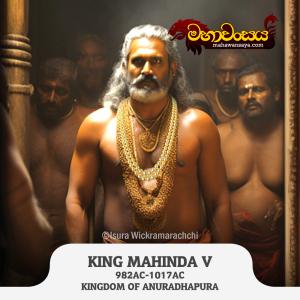
King Mahinda V
Kingdom of Anuradhapura
982 AC - 1017 AC
982 AC - 1017 AC

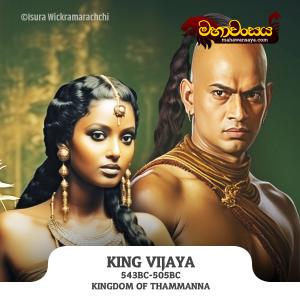
King Vijaya
543 BC-505 BC
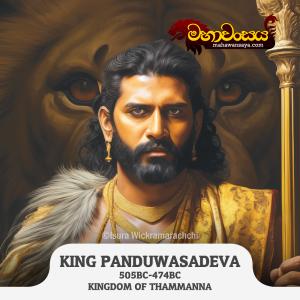
King Panduvasdeva
504 BC-474 BC
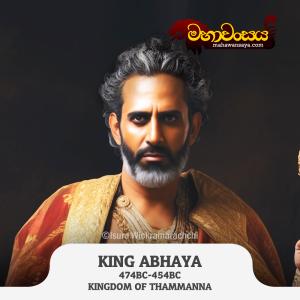
King Abhaya
474 BC-454 BC

King Tissa
454 BC-437 BC
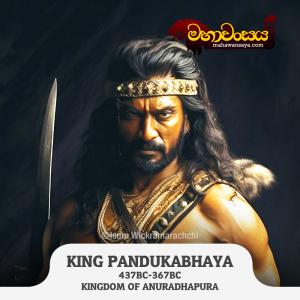
King Pandukabhaya
437 BC-367 BC
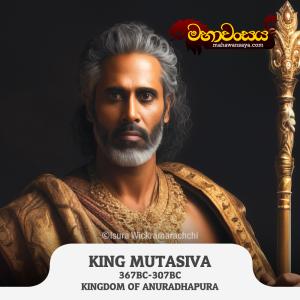
King Mutasiva
367 BC-307 BC
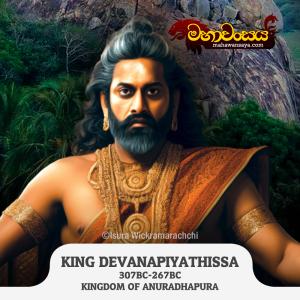
King Devanampiya Tissa
307 BC-267 BC
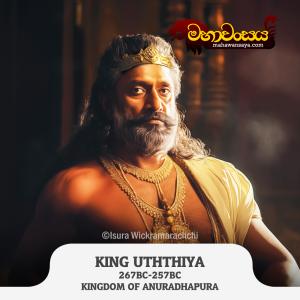
King Uttiya
267 BC-257 BC
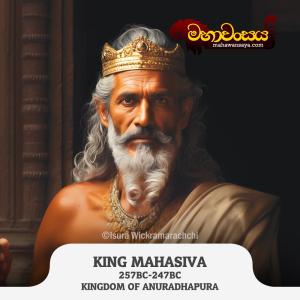
King Mahasiva
257 BC-247 BC
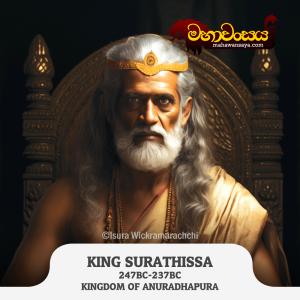
King Suratissa
247 BC-237 BC
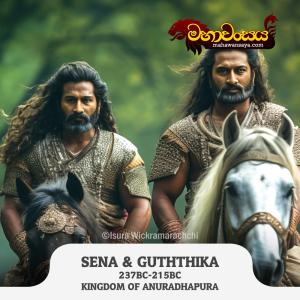
Sena and Guttika
237 BC-215 BC
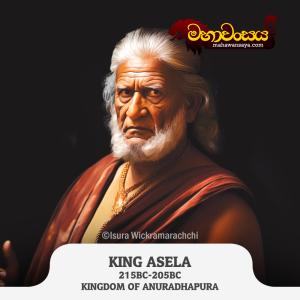
King Asela
215 BC-205 BC
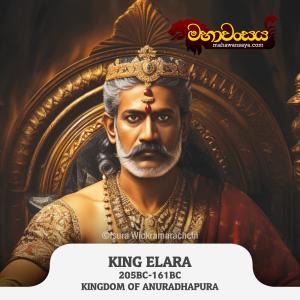
King Elara
205 BC-161 BC
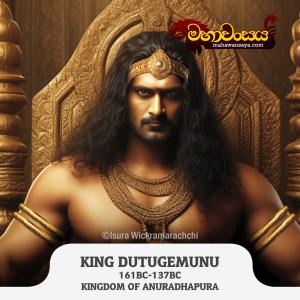
King Dutugemunu
161 BC-137 BC
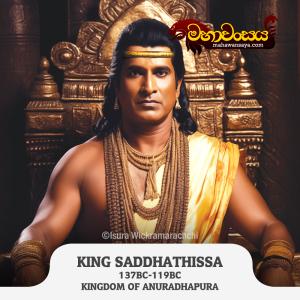
King Saddha Tissa
137 BC-119 BC
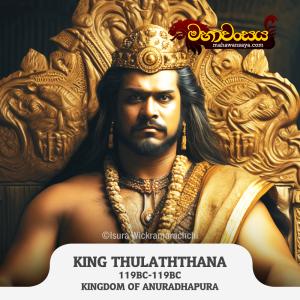
King Thulatthana
119 BC-119 BC
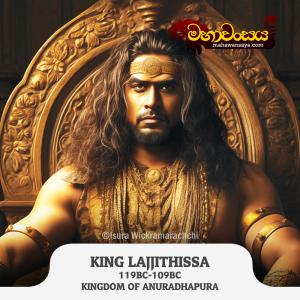
King Lajjithissa
119 BC-109 BC
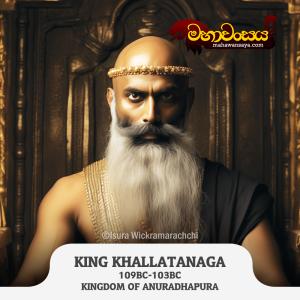
King Khallata Naga
109 BC-103 BC
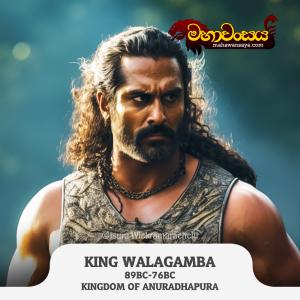
King Walagamba
89 BC-76 BC
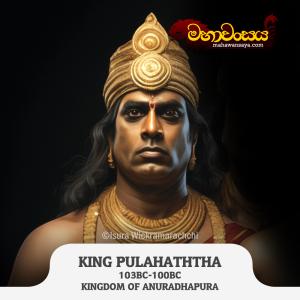
King Pulahaththa
103 BC-100 BC
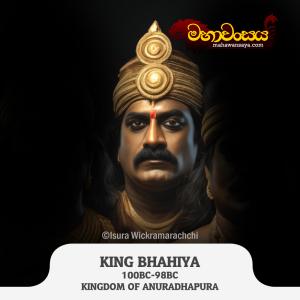
King Bhahiya
100 BC-98 BC
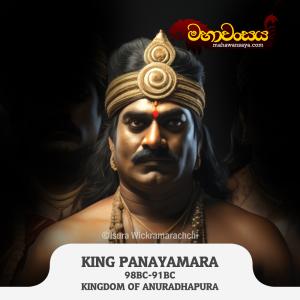
King Panayamara
98 BC-91 BC
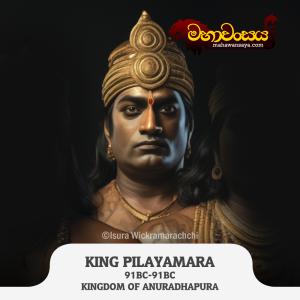
King Piliyamara
91 BC-91 BC
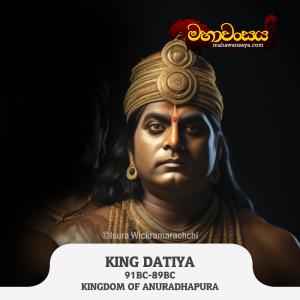
King Dathiya
91 BC-89 BC
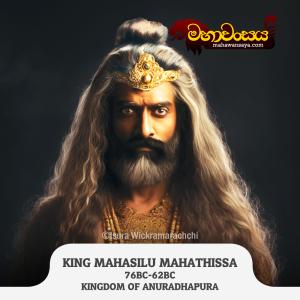
King Mahachulikamahathissa
76 BC-62 BC
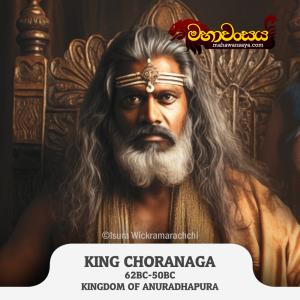
King Choranaga
62 BC-50 BC
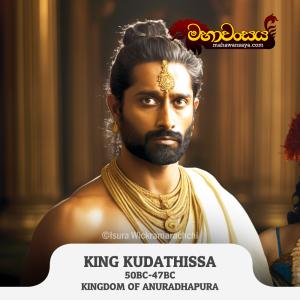
King Kuda Thissa
50 BC-47 BC
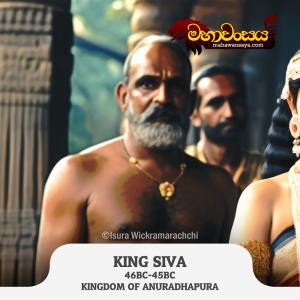
King Siva I
47 BC-45 BC
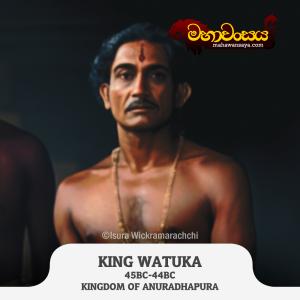
King Vatuka
45 BC-44 BC
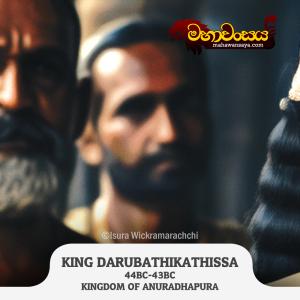
King Darubhatika Tissa
44 BC-43 BC
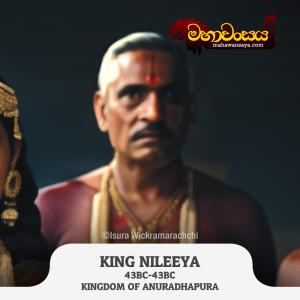
King Neeliya
43 BC-43 BC
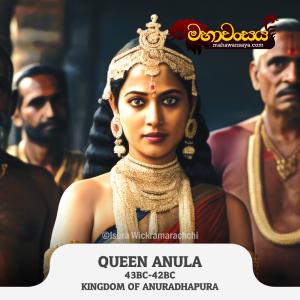
Queen Anula
43 BC-42 BC
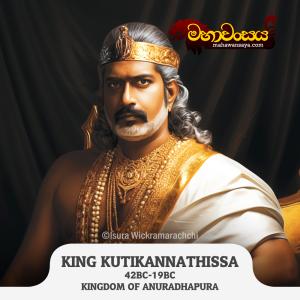
King Kutikanna Tissa
42 BC-19 BC
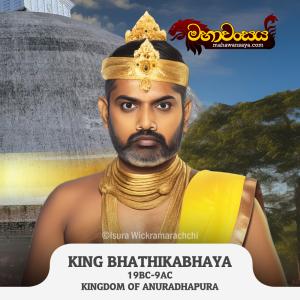
King Bhathikabhaya
19 BC-9 AC
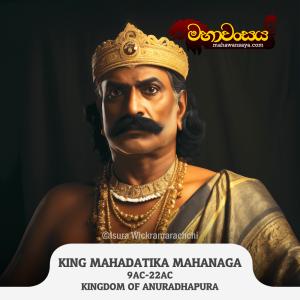
King Mahadatika Mahanaga
9 AC-22 AC

King Amandagamani Abhaya
22 AC-31 AC
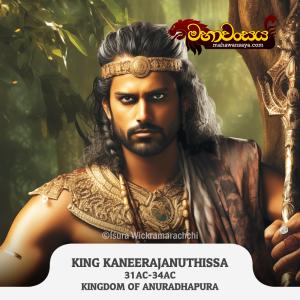
King Kanirajanu Tissa
31 AC-34 AC
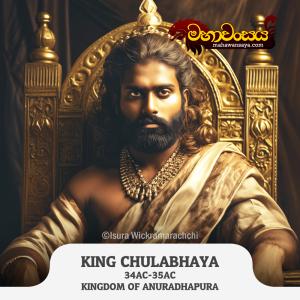
King Chulabhaya
34 AC-35 AC
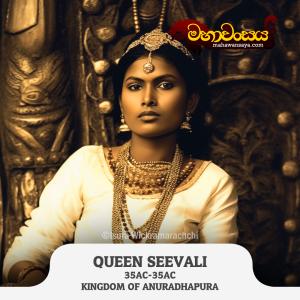
Queen Seevali
35 AC-35 AC
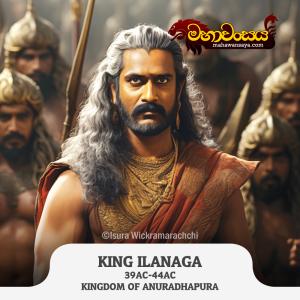
King Ilanaga
39 AC-44 AC
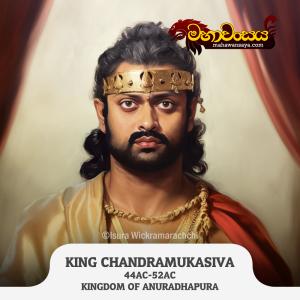
King Chandra Mukha Siva
44 AC-52 AC
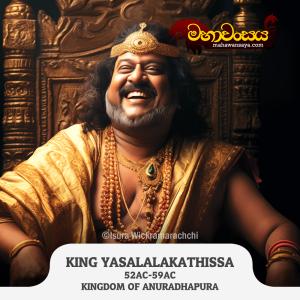
King Yassalalaka Thissa
52 AC-59 AC
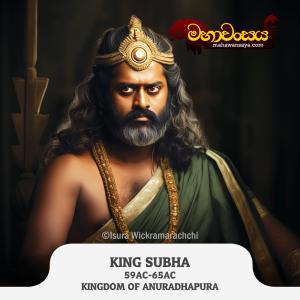
King Subha
59 AC-65 AC
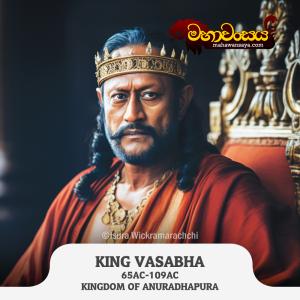
King Vasabha
65 AC-109 AC
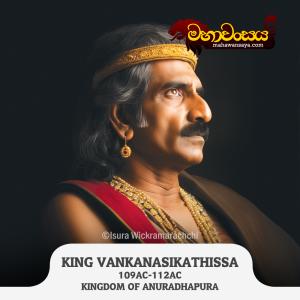
King Vankanasika Tissa
109 AC-112 AC
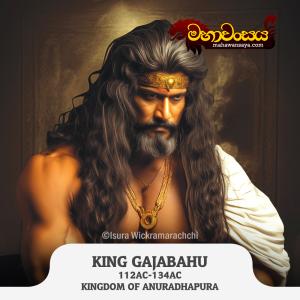
King Gajabahu I
112 AC-134 AC
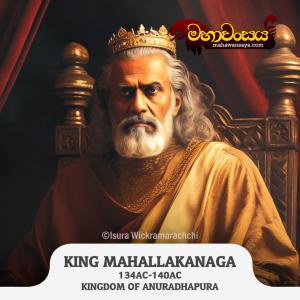
King Mahallaka Naga
134 AC-140 AC
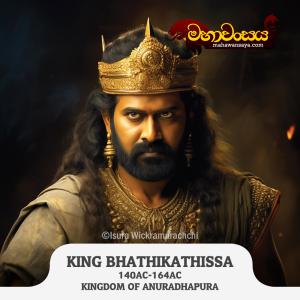
King Bhathika Thissa
140 AC-164 AC
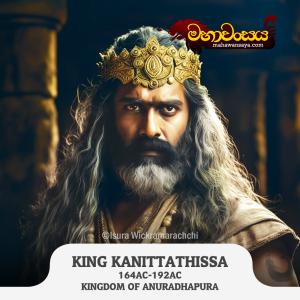
King Kanitta Tissa
164 AC-192 AC
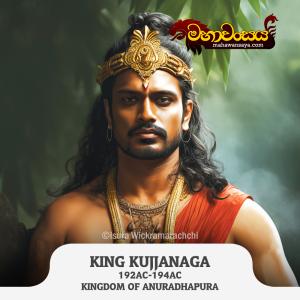
King Kujjanaga
192 AC-194 AC
King Kudda Naga
194 AC-195 AC
King Sirinaga I
195 AC-214 AC
King Voharika Tissa
214 AC-236 AC
King Abhaya Naga
236 AC-244 AC
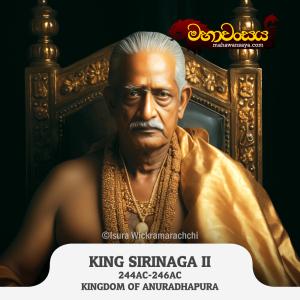
King Sirinaga II
244 AC-246 AC
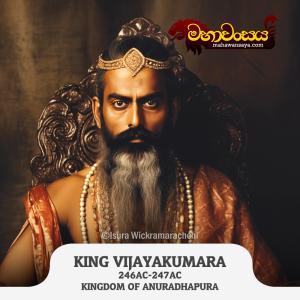
King Vijaya Kumara
246 AC-247 AC
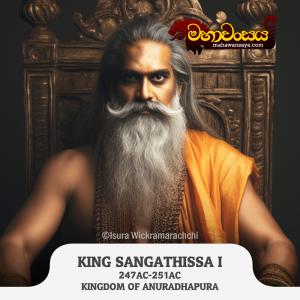
King Sangha Tissa I
247 AC-251 AC
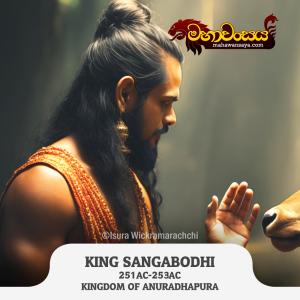
King Siri Sangha Bodhi I
251 AC-253 AC
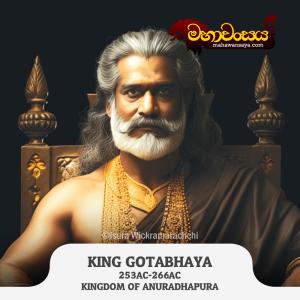
King Gotabhaya
253 AC-266 AC
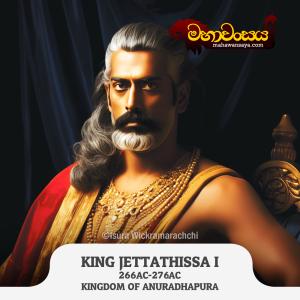
King Jetta Tissa I
266 AC-276 AC
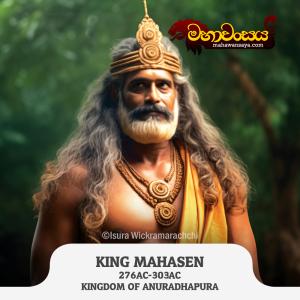
King Mahasen
276 AC-303 AC
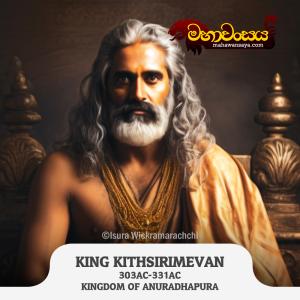
King Kithsirimewan
303 AC-331 AC
King Jetta Tissa II
331 AC-340 AC
King Buddhadasa
340 AC-368 AC
King Upatissa I
368 AC-410 AC
King Mahanama
410 AC-432 AC
King Soththisena
432 AC-432 AC
King Jaththagahaka Janthu
432 AC-433 AC
King Miththasena
432 AC-433 AC
King Pandu
433 AC-438 AC
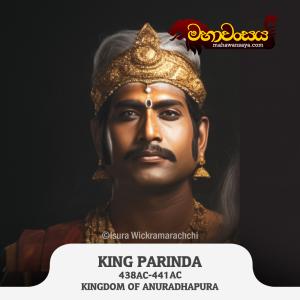
King Parinda
438 AC-441 AC
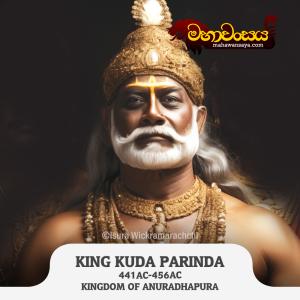
King Kuda Parinda
441 AC-456 AC
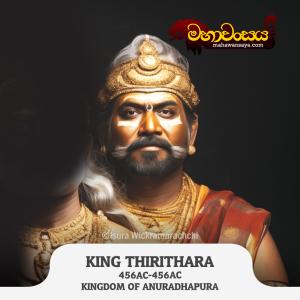
King Thirithara
456 AC-456 AC
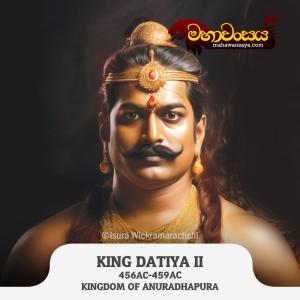
King Datiya II
456 AC-459 AC
King Peetiya
459 AC-459 AC
King Dhathusena
459 AC-477 AC
King Kassapa I
477 AC-495 AC
King Mugalan I
495 AC-512 AC
King Kumaradasa
512 AC-520 AC
King Kiththisena
520 AC-521 AC
King Siva II
521 AC-521 AC
King Upatissa II
521 AC-522 AC
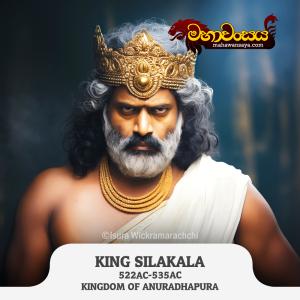
King Silakala
522 AC-535 AC
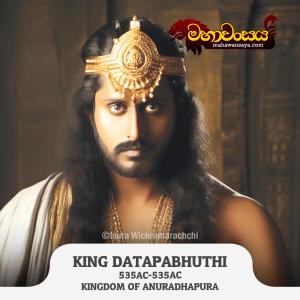
King Datappabhuthi
535 AC-535 AC
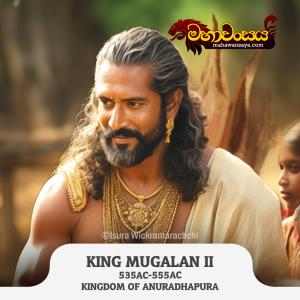
King Mugalan II
535 AC-555 AC
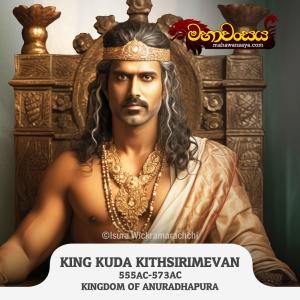
King Kiththisirimegha
555 AC-573 AC
King Mahanaga
573 AC-575 AC
King Aggabodhi I
575 AC-608 AC
King Aggabodhi II
608 AC-618 AC
King Sangha Tissa II
618 AC-618 AC
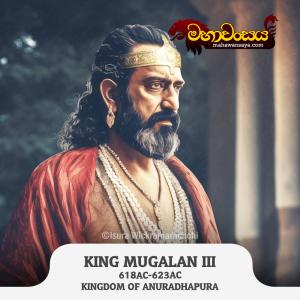
King Mugalan III
618 AC-623 AC

King Silameghavanna
623 AC-632 AC
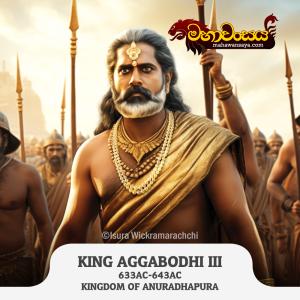
King Aggabodhi III
633 AC-643 AC
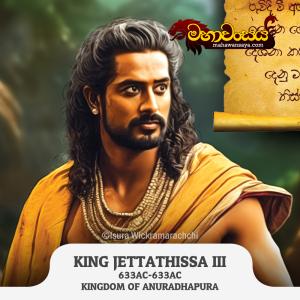
King Jetta Tissa III
633 AC-633 AC
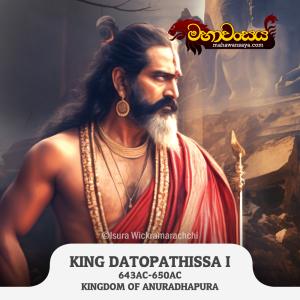
King Datopathissa i
643 AC-650 AC
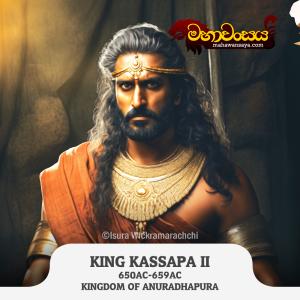
King Kassapa II
650 AC-659 AC
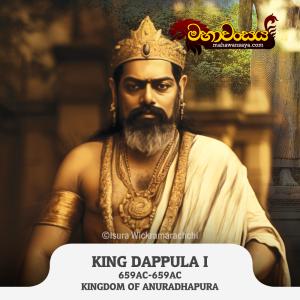
King Dappula I
659 AC-659 AC
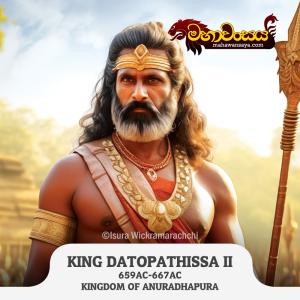
King Datopathissa II
659 AC-667 AC
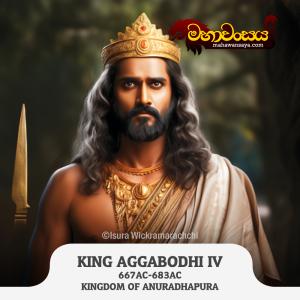
King Aggabodhi IV
667 AC-683 AC
King Daththa
683 AC-684 AC
King Haththadata
684 AC-684 AC
King Manavamma
684 AC-718 AC
King Aggabodhi V
718 AC-724 AC
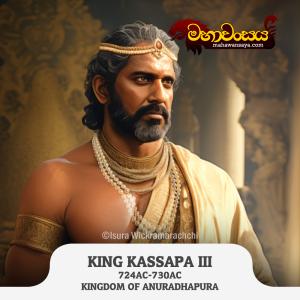
King Kassapa III
724 AC-730 AC
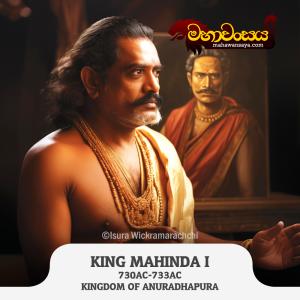
King Mahinda I
730 AC-733 AC
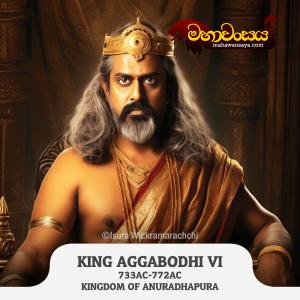
King Aggabodhi VI
733 AC-772 AC
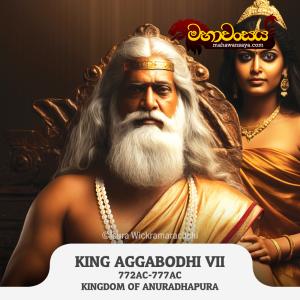
King Aggabodhi VII
772 AC-777 AC
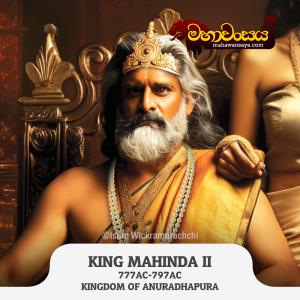
King Mahinda II
777 AC-797 AC
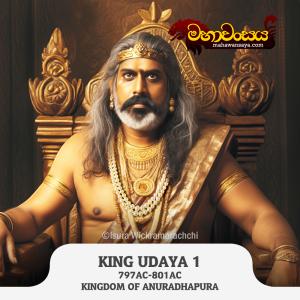
King Udaya I
797 AC-801 AC
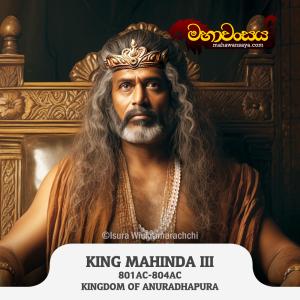
King Mahinda III
801 AC-804 AC
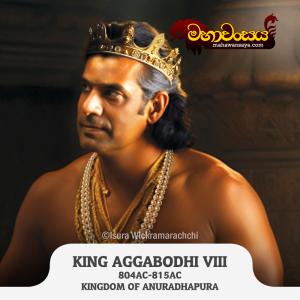
King Aggabodhi VIII
804 AC-815 AC
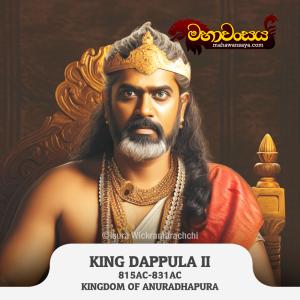
King Dappula II
815 AC-831 AC
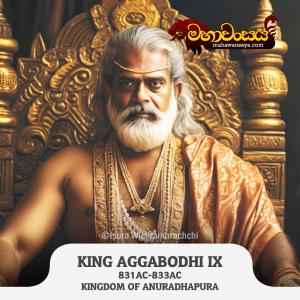
King Aggabodhi IX
831 AC-833 AC
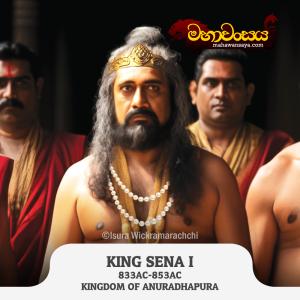
King Sena I
833 AC-853 AC
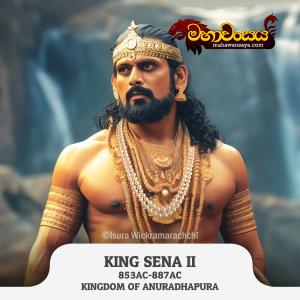
King Sena II
853 AC-887 AC
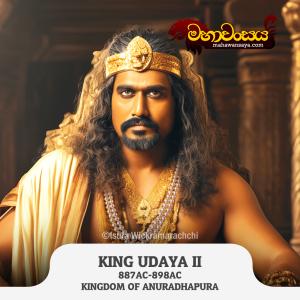
King Udaya II
887 AC-898 AC
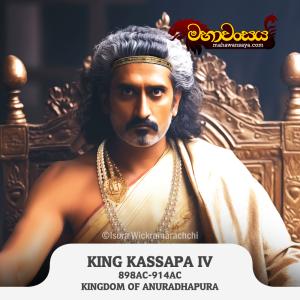
King Kassapa IV
898 AC-914 AC
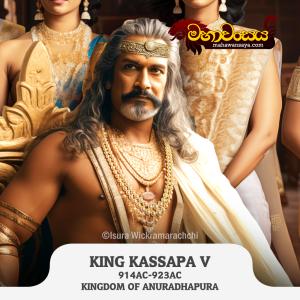
King Kassapa V
914 AC-923 AC
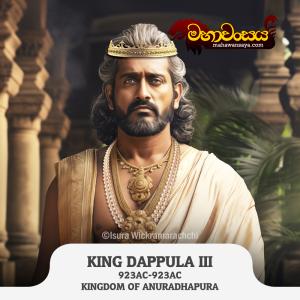
King Dappula III
923 AC-923 AC
King Dappula IV
923 AC-935 AC
King Udaya III
935 AC-938 AC
King Sena III
938 AC-946 AC
King Udaya IV
946 AC-954 AC
King Sena IV
954 AC-956 AC
King Mahinda IV
956 AC-972 AC
King Sena V
972 AC-982 AC
King Mahinda V
982 AC-1017 AC
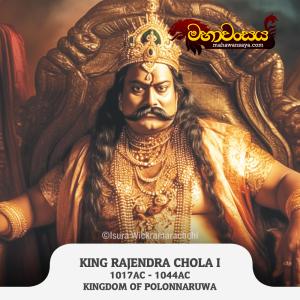
Rajendra Chola I
1017 AC-1044 AC
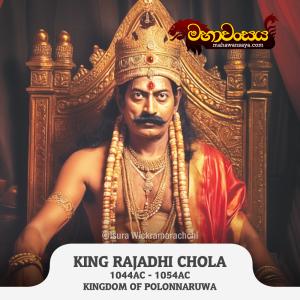
Rajadhiraja Chola
1044 AC-1054 AC
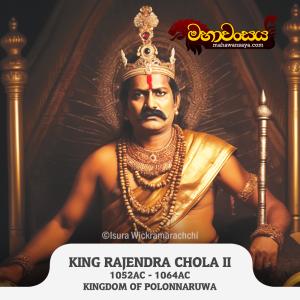
Rajendra Chola II
1052 AC-1064 AC
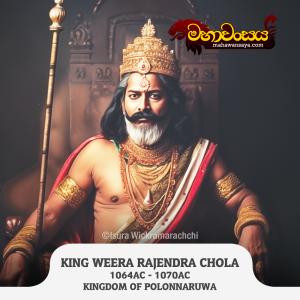
Virarajendra Chola
1064 AC-1070 AC
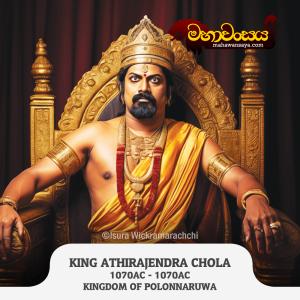
Athirajendra Chola
1070 AC-1070 AC
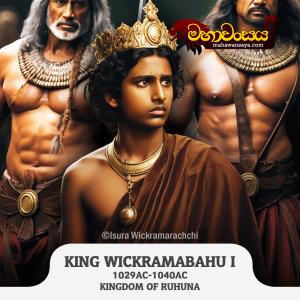
King Wickramabahu I
1029 AC-1040 AC
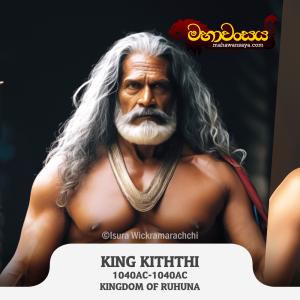
King General Keerthi
1040 AC-1040 AC
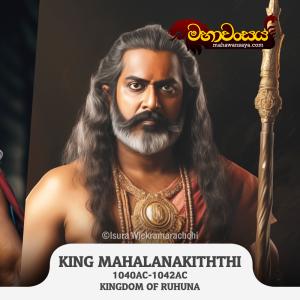
King Mahalana Kiththi
1040 AC-1042 AC
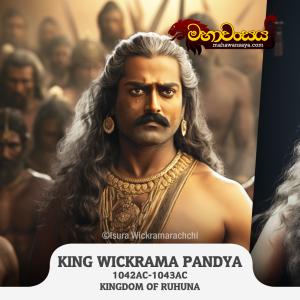
King Wickrama Pandu
1042 AC-1043 AC
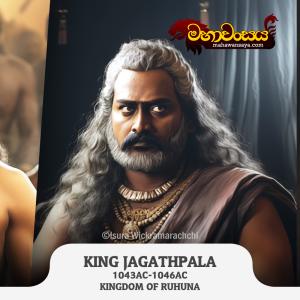
King Jagathpala
1043 AC-1046 AC
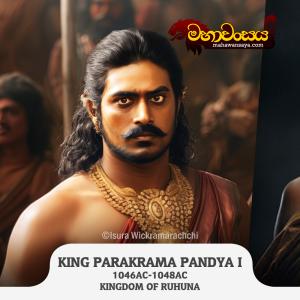
King Parakrama Pandu
1046 AC-1048 AC
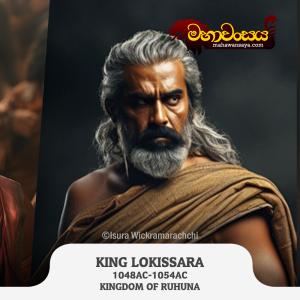
King Lokissara
1048 AC-1054 AC
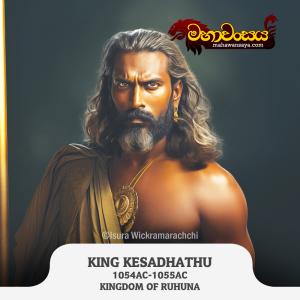
King Kesadhathu
1054 AC-1055 AC
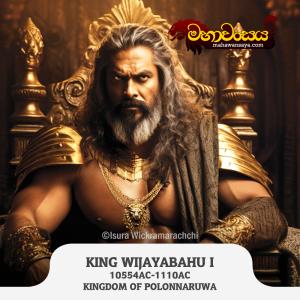
King Vijayabahu I
1055 AC-1110 AC
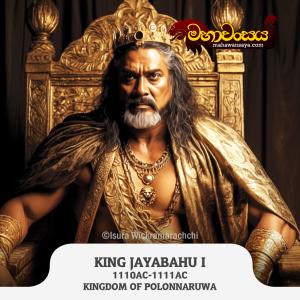
King Jayabahu I
1110 AC-1111 AC
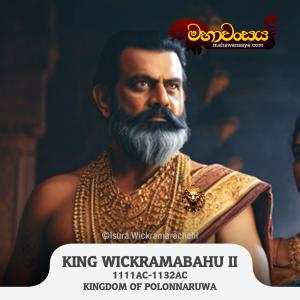
King Wickramabahu II
1111 AC-1132 AC
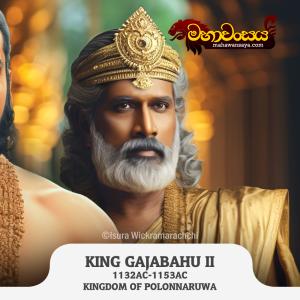
King Gajabahu II
1032 AC-1053 AC
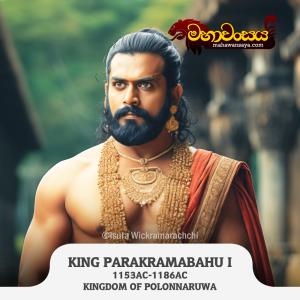
King Parakramabahu I
1053 AC-1086 AC
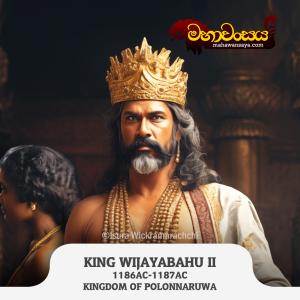
King Vijayabahu II
1186 AC-1187 AC
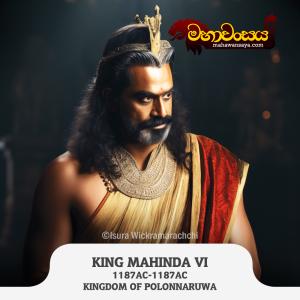
King Mahinda VI
1187 AC-1187 AC
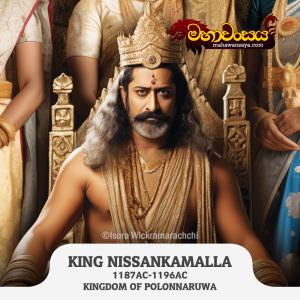
King Nissanka Malla
1187 AC-1196 AC

King Weerabahu I
1196 AC-1196 AC
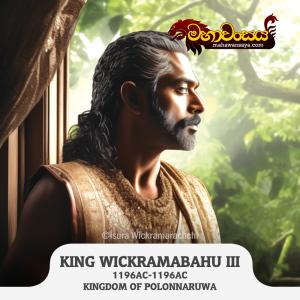
King Wickramabahu III
1196 AC-1196 AC
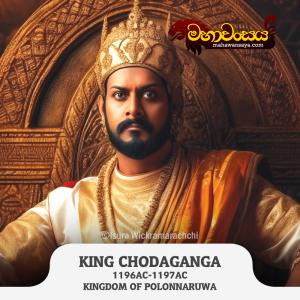
King Chodaganga
1196 AC-1197 AC
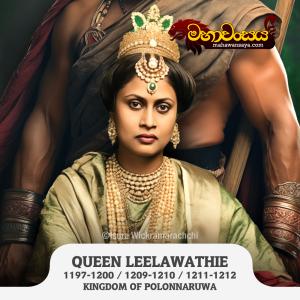
Queen Leelawathie
1197 AC-1200 AC
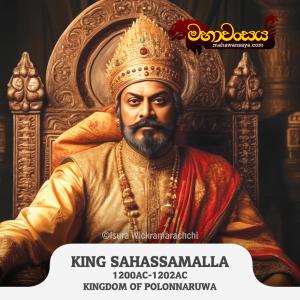
King Sahasamalla
1200 AC-1202 AC
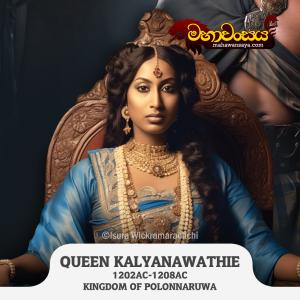
Queen Kalyanawathie
1202 AC-1208 AC

King Dharmasoka
1208 AC-1209 AC
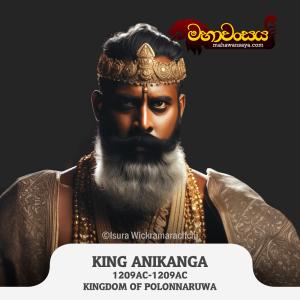
King Anikanga
1209 AC-1209 AC
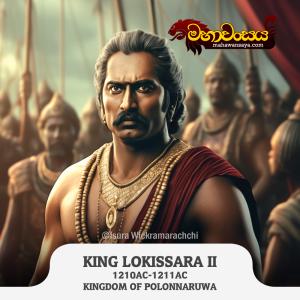
King Lokissara ii
1210 AC-1211 AC
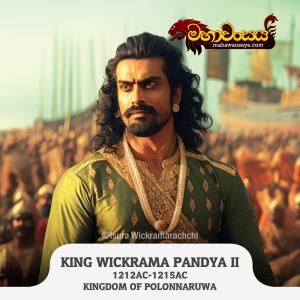
King Parakrama Pandu II
1212 AC-1215 AC
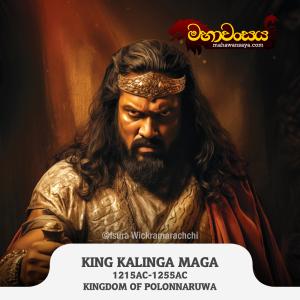
King Kalinga Magha
1215 AC-1255 AC
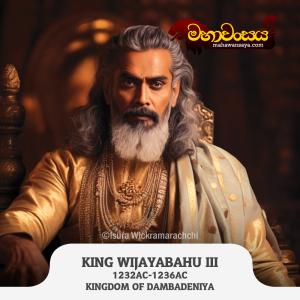
King Vijayabahu III
1232 AC-1236 AC
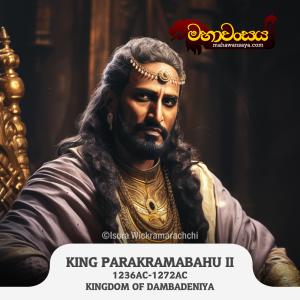
King Parakramabahu II
1236 AC-1272 AC
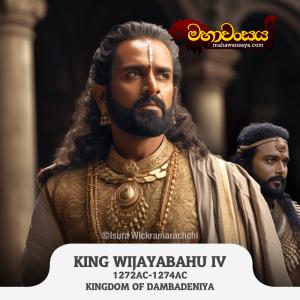
King Vijayabahu IV
1272 AC-1274 AC
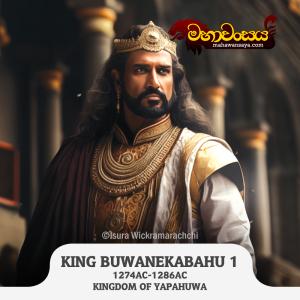
King Buvanekabahu I
1274 AC-1286 AC
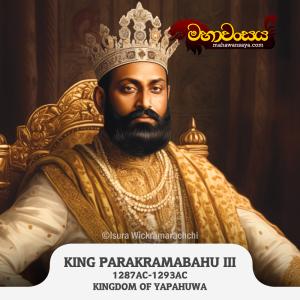
King Parakramabahu III
1287 AC-1293 AC
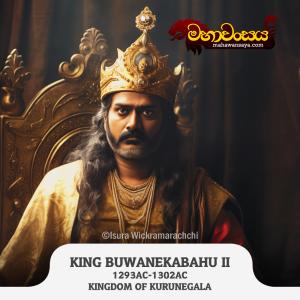
King Buvanekabahu II
1293 AC-1302 AC

King Parakramabahu IV
1302 AC-1326 AC
-208.jpg)
King Buvanekabahu III (Vanni B
1326 AC-1335 AC
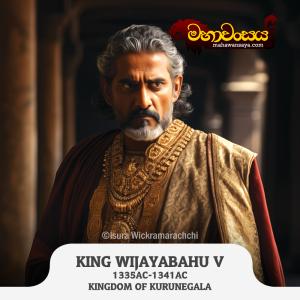
King Vijayabahu V
1335 AC-1341 AC
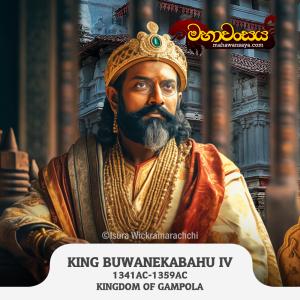
King Buvanekabahu IV
1341 AC-1359 AC
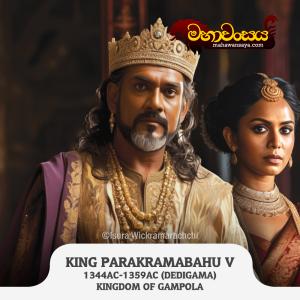
King Parakramabahu V
1344 AC-1359 AC
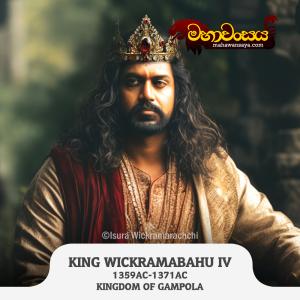
King Wickramabahu IV
1359 AC-1371 AC
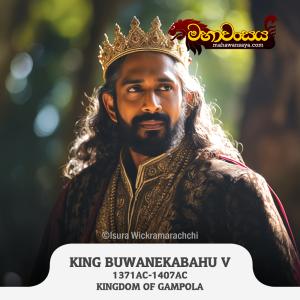
King Buvanekabahu V
1371 AC-1407 AC
-544.jpg)
King Kumara Alakeshwara (Alake
1391 AC-1391 AC
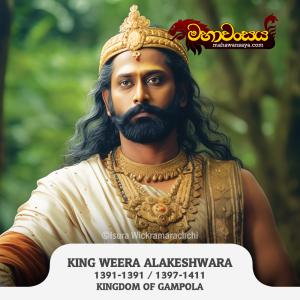
King Weera Alakesvara
1397 AC-1411 AC
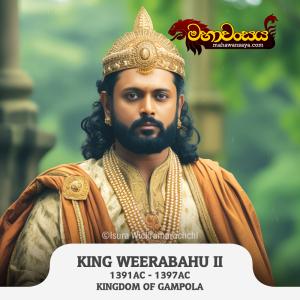
King Weerabahu II
1391 AC-1397 AC

King Parakramabahu Epa
1410 AC-1415 AC
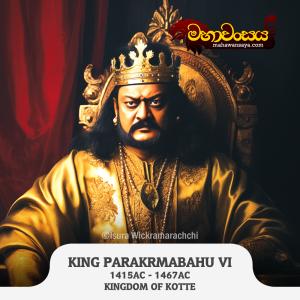
King Parakramabahu VI
1415 AC-1467 AC
King Jayabahu II
1468 AC-1470 AC
King Buvanekabahu VI
1470 AC-1478 AC
King Panditha Parakramabahu VI
1478 AC-1484 AC
King Weera Parakramabahu VIII
1484 AC-1508 AC
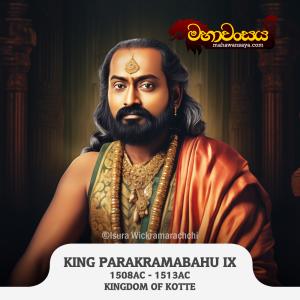
King Darma Parakramabahu IX
1508 AC-1513 AC
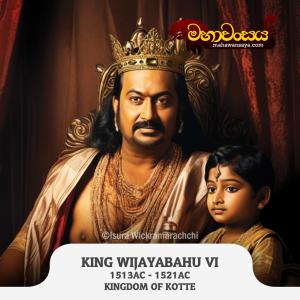
King Vijayabahu VI
1513 AC-1521 AC
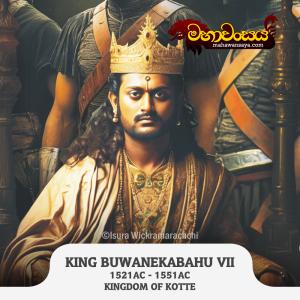
King Buvanekabahu VII
1521 AC-1551 AC
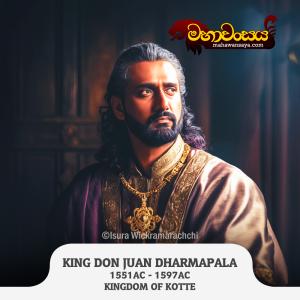
King Don Juwan Dharmapala
1551 AC-1597 AC
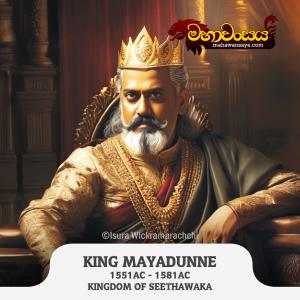
King Mayadunne
1551 AC-1581 AC
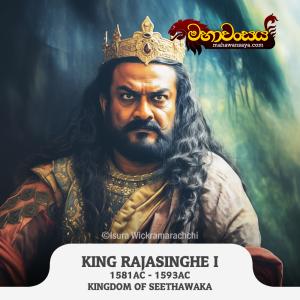
King Rajasinha I
1581 AC-1593 AC
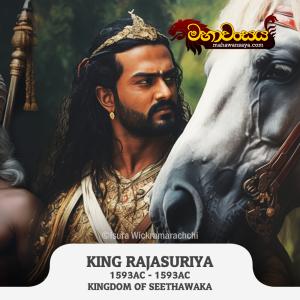
King Rajasooriya
1593 AC-1593 AC
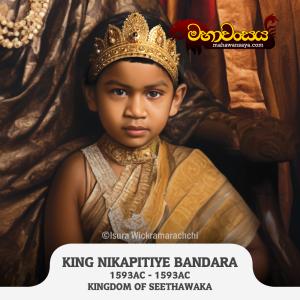
King Nikapitiye Bandara
1593 AC-1593 AC
King Wimaladharmasuriya I
1591 AC-1604 AC

King Senarat
1604 AC-1635 AC
King Rajasinha II
1635 AC-1687 AC
King Wimaladharmasuriya II
1687 AC-1707 AC
King Sri Weera Parakrama Naren
1707 AC-1739 AC
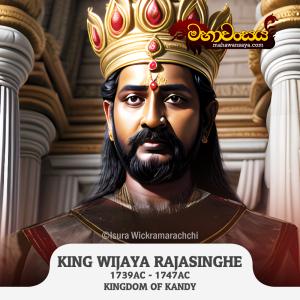
King Sri Wijaya Rajasingha
1739 AC-1747 AC
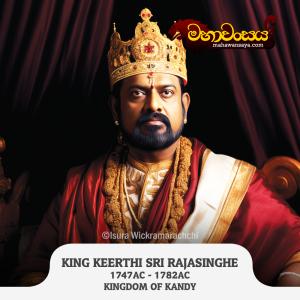
King Keerthi Sri Rajasingha
1747 AC-1782 AC
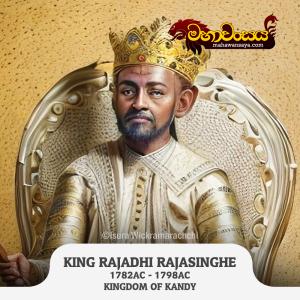
King Rajadhi Rajasinha
1782 AC-1798 AC
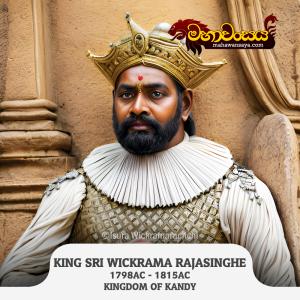
King Sri Wikrama Rajasinha
1798 AC-1815 AC

Pedro Lopes de Sousa
1594 AC-1594 AC
Joao da Silveira
1518 AC-1518 AC
Lopo de Brito
1518 AC-1522 AC
Fernao Gomes de Lemos
1522 AC-1524 AC
Joao Henriques
1551 AC-1552 AC
Diogo de Melo Coutinho
1552 AC-1552 AC
Duarte de Eca
1552 AC-1553 AC
Fernao Carvalho
1553 AC-1555 AC

Willem Jacobszoon Coster
1640 AC-1640 AC
Jan Thyszoon Payart
1640 AC-1646 AC
After the unfortunate death of the fifth Sena Raja, the throne was ascended by a prince named Mahinda. He is the fifth king who appeared under that name. As the Mahavamsa indicates, King Mahinda was the brother of King Sena. King Sena was the son of the Kalinga princess whom the fourth Mahinda Raja had married. The Vamsakatha clearly states that this princess had two sons named Sena and Udaya, and a daughter. Since some translations mention that King Sena killed his younger brother, it follows that there could not have been another prince eligible to ascend the throne.
The translation of verses 59 and 60 in Chapter 52 of the Mahavamsa appears to be inaccurate. In the translation by Hikkaduwa Sumangala Nahimi and Batuwantudaawa Pandituma, it reads: “At that reign, Senaviya forcibly took the offerings to the monastery. The thirty-year-old Mahamalla killed the mother and appointed someone named Udaya as commander.”
Since Mahamalla did not need to kill his infant brother to give the post of Senavirath to Udaya, this translation is confusing. The matter becomes clear if interpreted as follows: “During that reign, Senaviya forcibly took the offerings to the monastery. Mahamalla, the young brother of Senaviya who maintained relations with the mother, was killed, and Udaya, the one called Amathiya, was appointed Senavirath.” This is the accurate translation.
The prince Udaya, who held the position of crown prince under the fifth Sena Raja, did not ascend the throne because he had to perish before the death of King Mihindu. Since there is no evidence of another son for the fifth Mihindu Raja, it is important to inquire who the fifth Mihindu Raja actually was.
An Etam inscription in Polonnaruwa has been definitively identified as belonging to the era of the fifth Mahinda Raja. The inscription states that it was established during the reign of the Sri Sanghabho Mahinda, born to the Kalinga lineage, due to the kingship of the Mihindu Maharajas. The first king mentioned here was not anyone else but the fourth Mahinda Raja. Sangha Rajini Kusapawath Mahinda Raja is the fifth Mahinda Raja. That is his coronation name.
However, a problem arises here. The issue is that the chronicles do not mention that the fourth Mihindu Raja had a princess named Sangha. We have seen in the early chapters that the fourth Mihindu Raja, though having Sinhalese wives, also took a Kalinga princess. The name of the Sangha princess is not mentioned in the Vamsakatha. According to Professor Senarath Paranavitana, this may have been the name of the Kalinga princess. The problem then is that there is no mention of her having a son named Mahinda. Here, it seems appropriate to understand that the fourth Mihindu Raja had another princess named Sangha, and her son was the fifth Mahinda Raja. From inscriptions, we know that there were often princesses not mentioned in the chronicles. Even though the royal inheritance legally belonged to the son born of the coronation princess, there were numerous instances where this was not followed.
There is no mention of a crown prince for the fifth Mahinda Raja. It appears that during this period, the administration was embroiled in considerable conflict. The commander brought from India to fight against the fifth Sena Raja likely did not survive, so the mercenary army he had brought could not have been fully controlled. According to the Mahavamsa, these mercenaries belonged to different regions. The chronicle shows that this king lived in Anuradhapura in misery, which had been torn apart in various ways.
Soon after, the administrative system of the country collapsed. Since there was no commander, the foreign soldiers acted autonomously. During the time the Sena commander was present, it appears that those who had been independent acted without restraint, conducting looting and other activities. The king, being inexperienced and weak, allowed local leaders to exploit the country at will. Because the king was unjust and governance had collapsed, the populace refused to pay taxes. Consequently, the king had no revenue. He was powerless to pay the mercenary army. Meanwhile, the Kerala troops even blocked the supply of food to the royal palace. Their intent was to demonstrate that the king was weak and to seize power.
Understanding the situation, the king fled the city through a secret passage. The Rohana region, which had previously aided helpless kings in Anuradhapura, provided refuge. This occurred in the tenth year of his reign. The king established a fort at a place called Sidupabbatha, which has not been definitively identified. The ruler of Rohana remained under him. He likely did not have a princess with him; otherwise, she would have died by this time. He took charge of the princess of his brother, the fifth Sena Raja.
The fifth Sena Raja died at the age of twenty-two. His princess was about nine years old. Therefore, the fifth Mahinda Raja appointed her to the position of princess. This procedure was similar to that followed by Walagamba Raja. However, the princess had recently died. The king took refuge with his brother’s daughter. If she had been the princess whom Mihindu Raja had passed on to his brother, then the fifth Mahinda Raja also appointed her daughter to the princess post. Walagamba Raja did not take such action. It also appears that Ballatanaga Raja had no daughter. The second princess passed on by Mihindu Raja bore a son named Kashyapa.
Some time passed. It can be assumed that the security at Sidupabbatha was inadequate, and therefore the fort was changed. He built a city in the village of Kappagalla in Rohana and resided there. Kappagalla in Sinhala may be referred to as Kapugala. Its precise location in Rohana is still unknown. Some chronicles mention a village called Kappasagama. A palace in Kappagama was incorporated into the activities of King Manavamma. The famous princess of the fourth Mihindu Raja made a pond in Kappasagama.
An inscription found in the area called Detagamuwa, about two kilometers from Kataragama, mentions a place named Kapugam Pirivena. All these names likely refer to the same location near Kataragama. The security for the fifth Mihindu Raja was probably provided by the surrounding forested hilly region. However, there is a more secure area called Kapugala near Mahawalathanna Sanuwa. Ancient settlements can still be seen nearby. Some believe King Mihindu Raja resided here. The Mahavamsa states that the authority of Rohana was exercised from Kappagalla.
The kingdom, without a strong ruler, fell into a state of chaos. Kerala, Karnataka, and mercenary soldiers oppressed the Sinhalese. These were various groups brought from South India, as well as the thousand-strong army brought by Sena Senaviya to protect the Sinhalese rulers. They plundered the city and oppressed the populace. There was no governance. They exercised authority wherever they pleased, and the powerful Sinhalese complied. At this time, a merchant named Asun informed King Soli about the situation in Lanka. The Chola king, who was in the process of building an empire, immediately sent an army to subjugate this land. Starting from the coastal regions, this army plundered the country and struck at Rohana. The Cholas seized the crown, jewels, royal regalia, and precious gifts from the king, which had been given by deities. The king hid alone in a fortress. Under the pretext of an agreement, the king was captured by the Chola army and sent, along with everything, to the Chola king.
The Cholas plundered all three Nikayas in Lanka, breaking the relic chambers of temples and taking all valuables like Ojawa, Urana, and Yakun. They moved from Polonnaruwa to Rakkapasaana Kanthaka.
The above describes the account in the Mahavamsa regarding the subjugation of the country to the Cholas. Due to this invasion, the kings were taken captive, and the glory of the Sinhalese kingdom, which had been the center of Sinhala culture and Buddhism for 1,600 years, was destroyed. Only a portion of the Rohana region remained under Sinhalese control, allowing them to maintain some independence.
The Chola kingdom, which had become independent from Rashtrakuta rule, had become a large empire under the first Rajaraja Raja. According to Neelakantha Shastri, it was a state well-organized with administration and wealth, with a large army trained to face fierce battles. Rajaraja Raja attacked the alliance formed by the Pandya, Kerala, and Sinhala kings. In the two battles fought, he conquered Pandya. Next, he invaded Lanka and extended up to the Rohana region, as seen above.
As a farsighted warrior king, Rajaraja Raja is recognized by historians. It can be considered that the expansion of the Chola empire began during his reign. In his last years, he subjugated the Maldives. He aimed to develop trade and maintain Bengal Boka as a Chola port. There were clear reasons for this. The Chola ruler understood that controlling international trade between Bengal Boka, Malaysia, and China was possible only if he gained control of these regions. Therefore, subjugating part of Lanka was sufficient, but he realized that to dominate the entire island, full authority was necessary.
From this perspective, although the chronicles describe it as a Chola invasion, the reason the fifth Mahinda Raja fled to Rohana was due to the first invasion, which caused the collapse of Sinhalese rule in Rajarata. This occurred during the reign of the first Rajaraja. Later, after ascending the throne, the conquest of Lanka by the Cholas was largely completed during the reign of the first Rajendra Raja. The two invasions mentioned above are recorded in the Chola inscriptions. During Rajaraja’s reign, the northern part of the island was captured and called Mummadi Chola Mandalam as a Chola province. Unlike the earlier Dravidian invaders, the Cholas intended to subjugate the entire island, not just Rajarata.
Rohana, the farthest region from Anuradhapura, could not be controlled. The Cholas understood that Rohana could rise for its independence. Therefore, the central Polonnaruwa, which had functioned as a fortified city, was captured and named Jananatha Mangalam in defiance of the first Rajaraja Raja. After this, the first Rajendra Raja proceeded to complete the Chola conquest. His army, as seen above, took the king, royal family, and all treasures to the Chola emperor. The autonomy of the proud Sinhalese, which had been maintained for 1,600 years, ended temporarily when the fifth Mahinda Raja was captured by the Cholas in 1017. This occurred in the thirty-sixth year of the fifth Mahinda Raja’s reign. Previously, the crown of the Pandya king, which had caused several disputes, was also taken at this time. The Tanjore copper plates record the subjugation of the Sinhalese king as follows: “The Sinhalese king, exhausted from battle, having lost his princess, son, and all treasures, fled in fear and fell at the feet of Rajendra Raja, seeking refuge.”
There is no dispute that the king was captured. Falling at the feet and seeking refuge is poetic expression. According to the Mahavamsa, after his capture, the Cholas held almost the entire island except a small portion of Rohana. The remaining area was the region bounded by Monaragala and Hambantota rivers and was the homeland of the Sinhalese. Chola authority extended to Rakkapasaana Kanthaya, meaning the present-day Rakwana hills beyond the Kalu Ganga in Rohana.
During King Mihindu Raja’s time, there were no significant achievements. Governance collapsed, economic development stagnated, and the country fell into great confusion. Consequently, he was unable to implement any positive initiatives. During his residence in Anuradhapura, he intervened in the crises of various communities. While in Rohana, the Cholas kept him under fear. He was taken as a prisoner to a foreign dominion, making him the first Sinhalese king to be held in captivity abroad. Thereafter, the next king we find in history, considered the last Sinhalese king, is Sri Vikrama Rajasingha. King Mihindu Raja spent ten years in Anuradhapura, sixteen years in Sidupabbatha and Kappagalla, and twelve years in Chola territory as a captive.