119
King Kassapa V
Kingdom of Anuradhapura
914 AC - 923 AC
914 AC - 923 AC

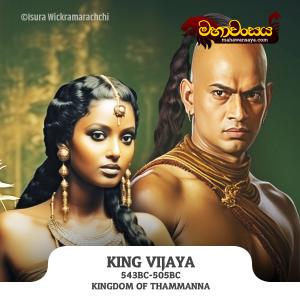
King Vijaya
543 BC-505 BC
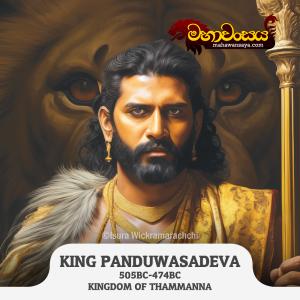
King Panduvasdeva
504 BC-474 BC
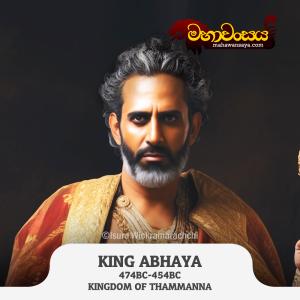
King Abhaya
474 BC-454 BC
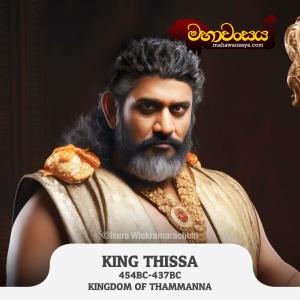
King Tissa
454 BC-437 BC
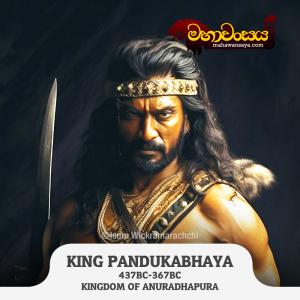
King Pandukabhaya
437 BC-367 BC
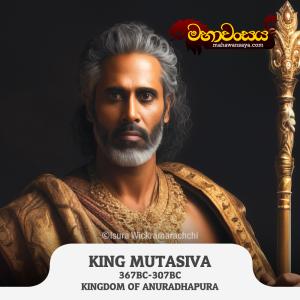
King Mutasiva
367 BC-307 BC
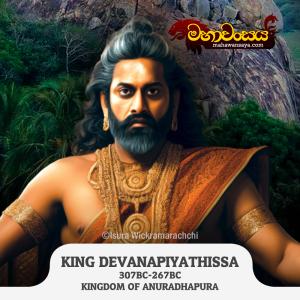
King Devanampiya Tissa
307 BC-267 BC
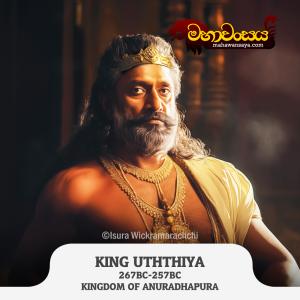
King Uttiya
267 BC-257 BC
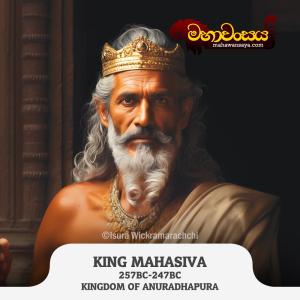
King Mahasiva
257 BC-247 BC
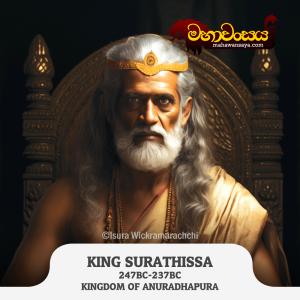
King Suratissa
247 BC-237 BC
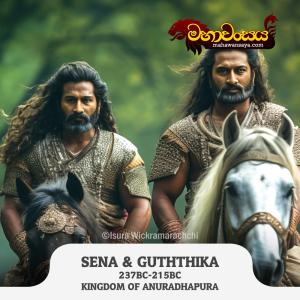
Sena and Guttika
237 BC-215 BC
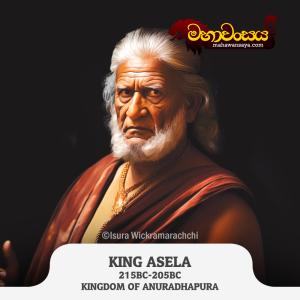
King Asela
215 BC-205 BC
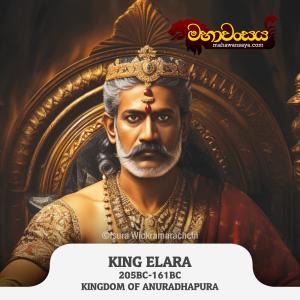
King Elara
205 BC-161 BC
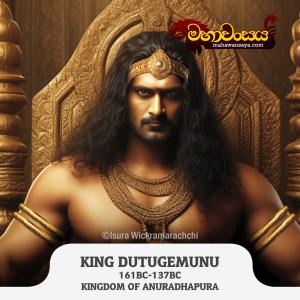
King Dutugemunu
161 BC-137 BC
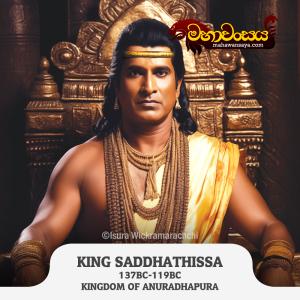
King Saddha Tissa
137 BC-119 BC
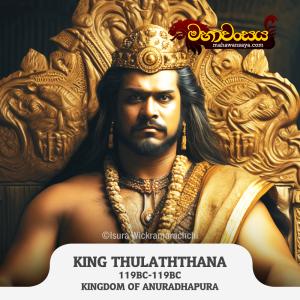
King Thulatthana
119 BC-119 BC
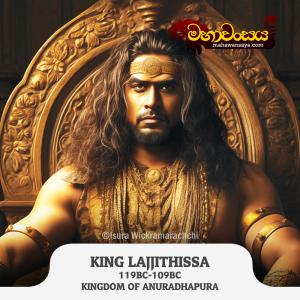
King Lajjithissa
119 BC-109 BC
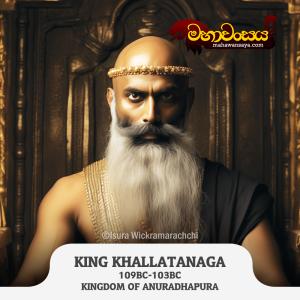
King Khallata Naga
109 BC-103 BC
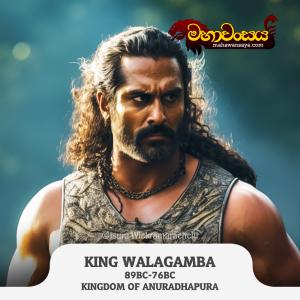
King Walagamba
89 BC-76 BC
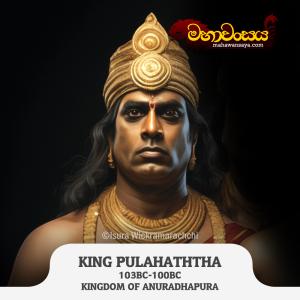
King Pulahaththa
103 BC-100 BC
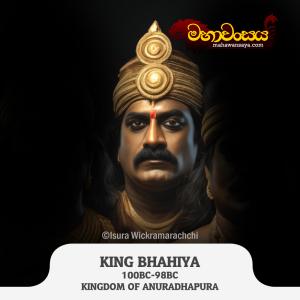
King Bhahiya
100 BC-98 BC
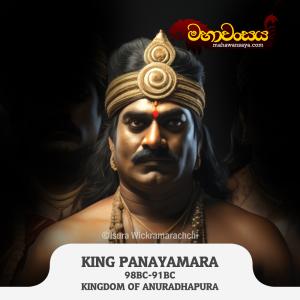
King Panayamara
98 BC-91 BC
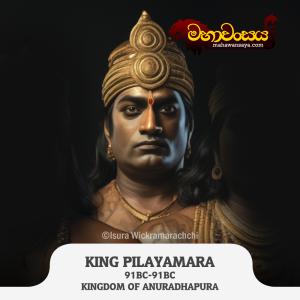
King Piliyamara
91 BC-91 BC
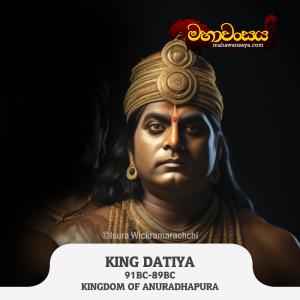
King Dathiya
91 BC-89 BC
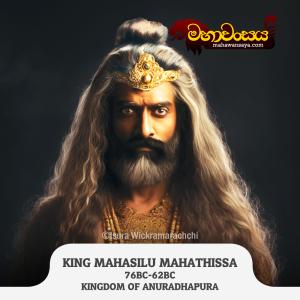
King Mahachulikamahathissa
76 BC-62 BC
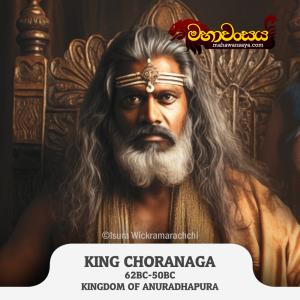
King Choranaga
62 BC-50 BC
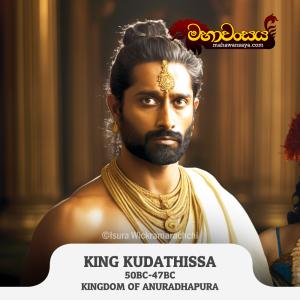
King Kuda Thissa
50 BC-47 BC
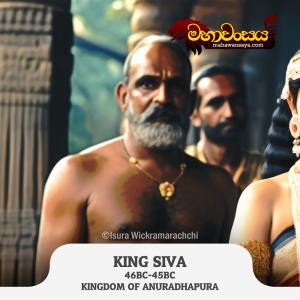
King Siva I
47 BC-45 BC
King Vatuka
45 BC-44 BC
King Darubhatika Tissa
44 BC-43 BC
King Neeliya
43 BC-43 BC
Queen Anula
43 BC-42 BC
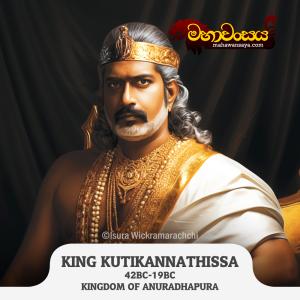
King Kutikanna Tissa
42 BC-19 BC
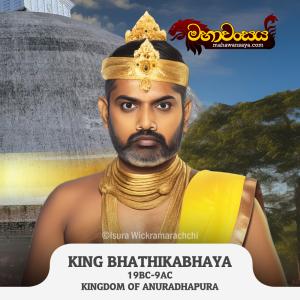
King Bhathikabhaya
19 BC-9 AC
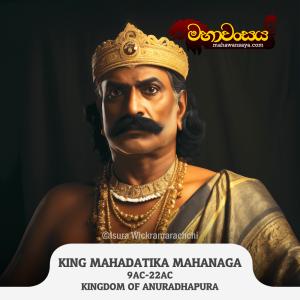
King Mahadatika Mahanaga
9 AC-22 AC
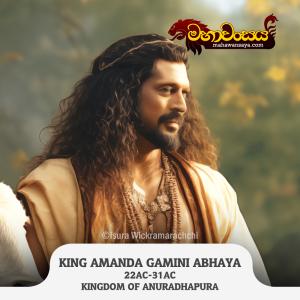
King Amandagamani Abhaya
22 AC-31 AC
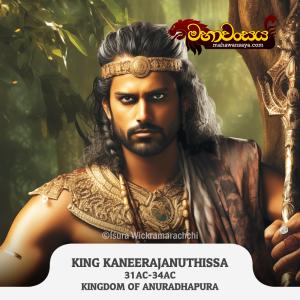
King Kanirajanu Tissa
31 AC-34 AC
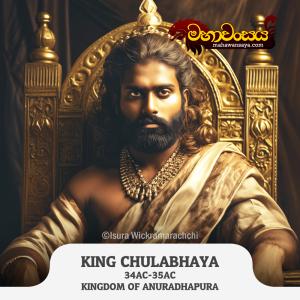
King Chulabhaya
34 AC-35 AC
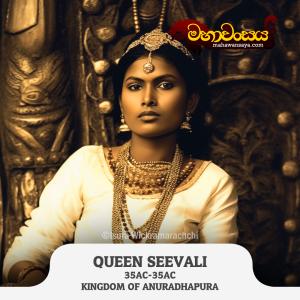
Queen Seevali
35 AC-35 AC
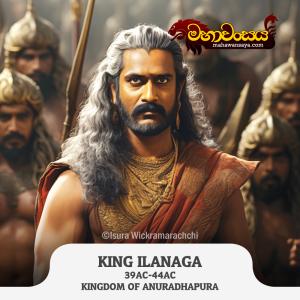
King Ilanaga
39 AC-44 AC
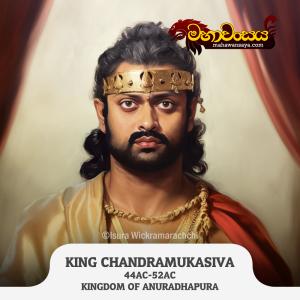
King Chandra Mukha Siva
44 AC-52 AC
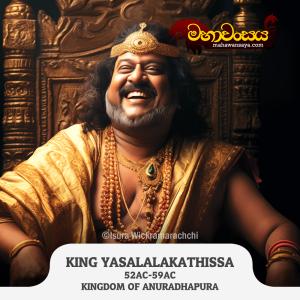
King Yassalalaka Thissa
52 AC-59 AC
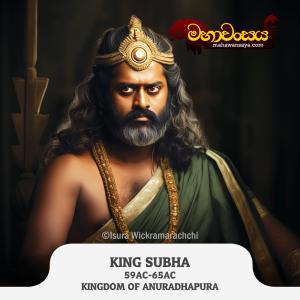
King Subha
59 AC-65 AC
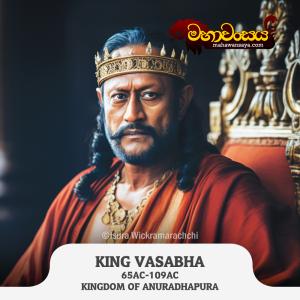
King Vasabha
65 AC-109 AC
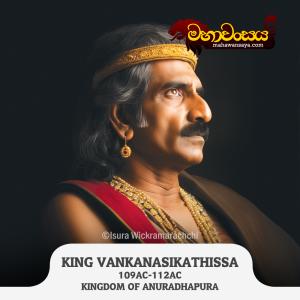
King Vankanasika Tissa
109 AC-112 AC
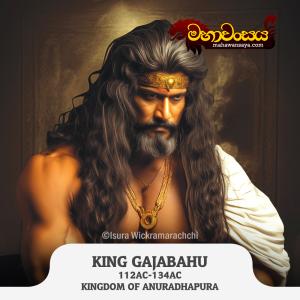
King Gajabahu I
112 AC-134 AC
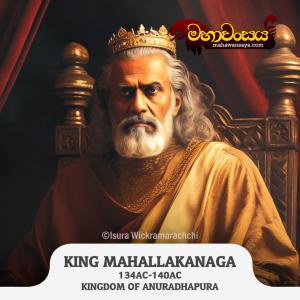
King Mahallaka Naga
134 AC-140 AC
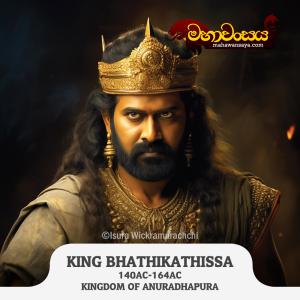
King Bhathika Thissa
140 AC-164 AC
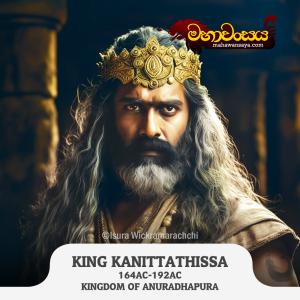
King Kanitta Tissa
164 AC-192 AC
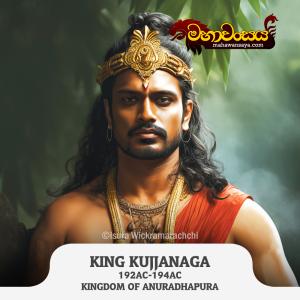
King Kujjanaga
192 AC-194 AC
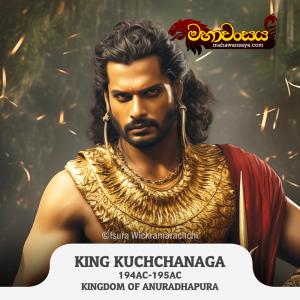
King Kudda Naga
194 AC-195 AC
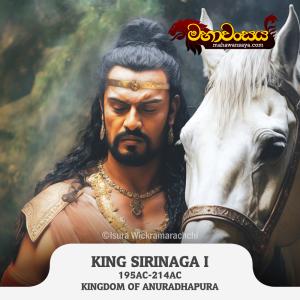
King Sirinaga I
195 AC-214 AC
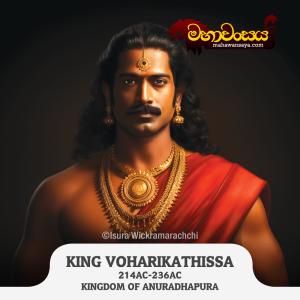
King Voharika Tissa
214 AC-236 AC
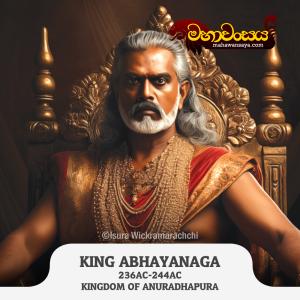
King Abhaya Naga
236 AC-244 AC
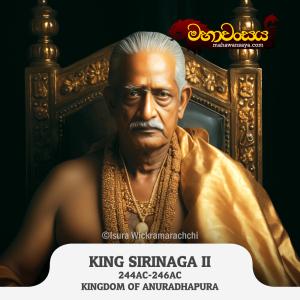
King Sirinaga II
244 AC-246 AC
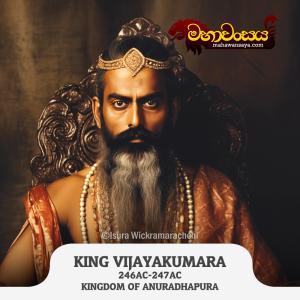
King Vijaya Kumara
246 AC-247 AC
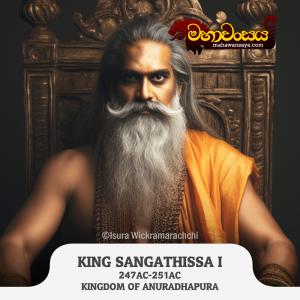
King Sangha Tissa I
247 AC-251 AC
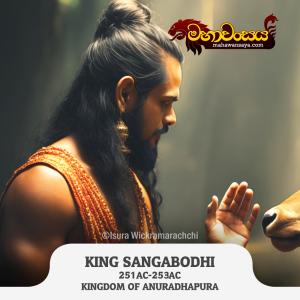
King Siri Sangha Bodhi I
251 AC-253 AC
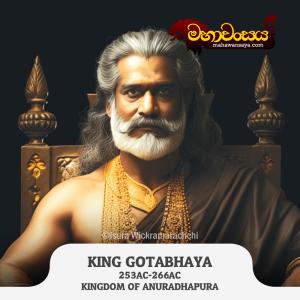
King Gotabhaya
253 AC-266 AC
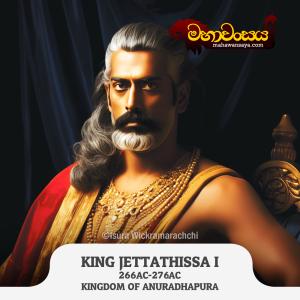
King Jetta Tissa I
266 AC-276 AC
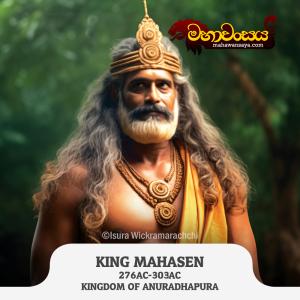
King Mahasen
276 AC-303 AC
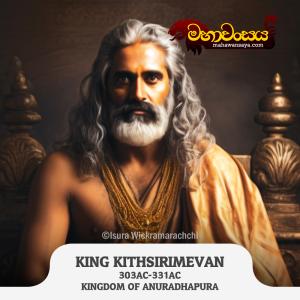
King Kithsirimewan
303 AC-331 AC
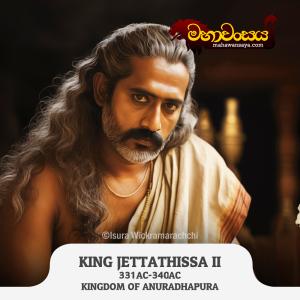
King Jetta Tissa II
331 AC-340 AC
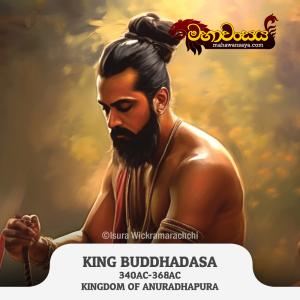
King Buddhadasa
340 AC-368 AC
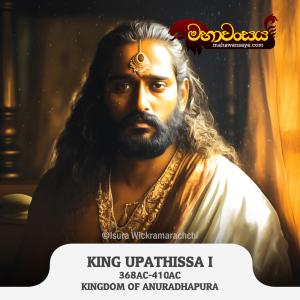
King Upatissa I
368 AC-410 AC
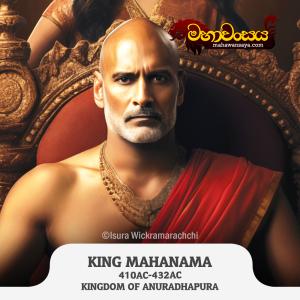
King Mahanama
410 AC-432 AC
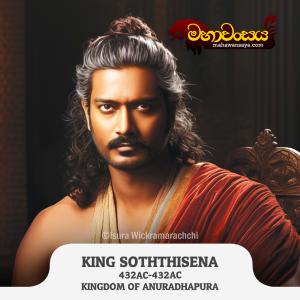
King Soththisena
432 AC-432 AC
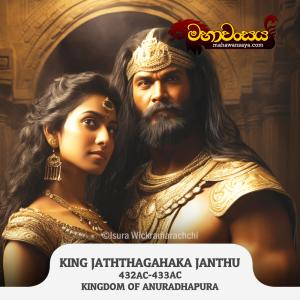
King Jaththagahaka Janthu
432 AC-433 AC
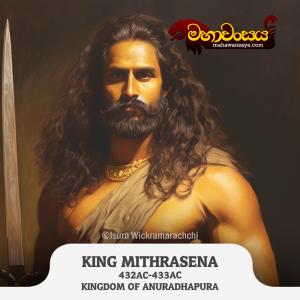
King Miththasena
432 AC-433 AC
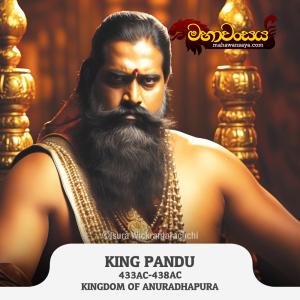
King Pandu
433 AC-438 AC
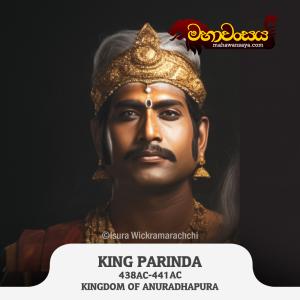
King Parinda
438 AC-441 AC
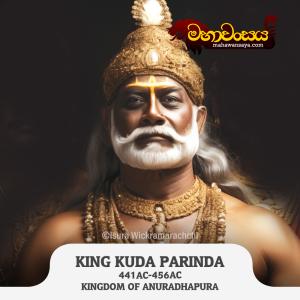
King Kuda Parinda
441 AC-456 AC
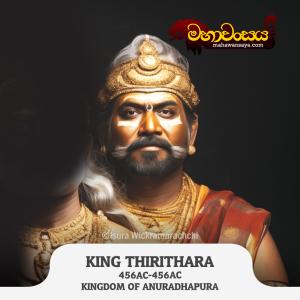
King Thirithara
456 AC-456 AC
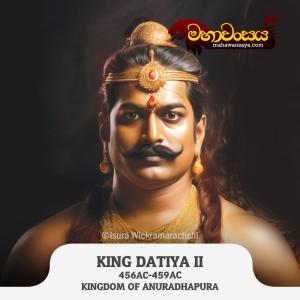
King Datiya II
456 AC-459 AC
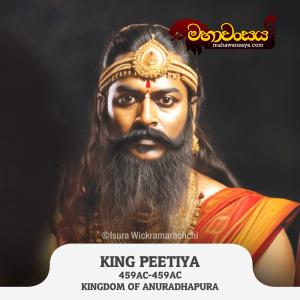
King Peetiya
459 AC-459 AC
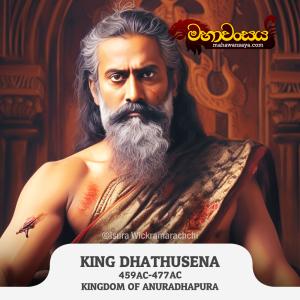
King Dhathusena
459 AC-477 AC
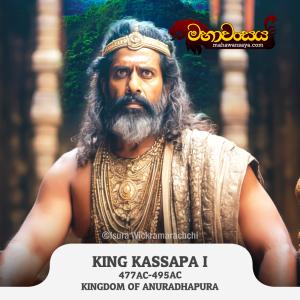
King Kassapa I
477 AC-495 AC
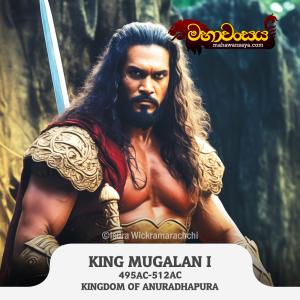
King Mugalan I
495 AC-512 AC
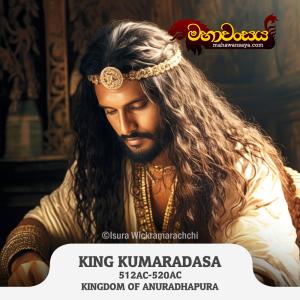
King Kumaradasa
512 AC-520 AC
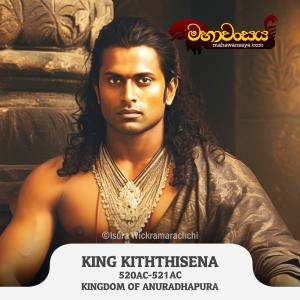
King Kiththisena
520 AC-521 AC
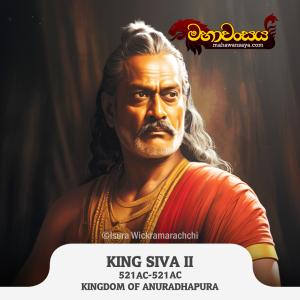
King Siva II
521 AC-521 AC
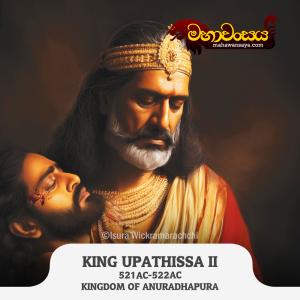
King Upatissa II
521 AC-522 AC
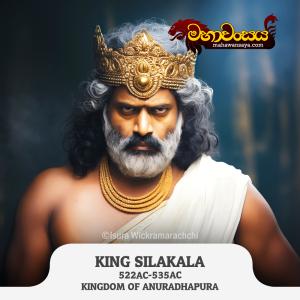
King Silakala
522 AC-535 AC
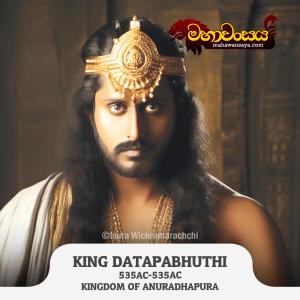
King Datappabhuthi
535 AC-535 AC
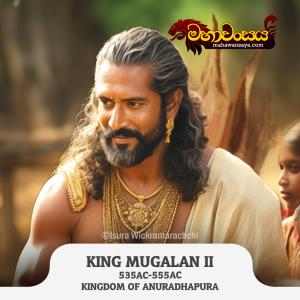
King Mugalan II
535 AC-555 AC
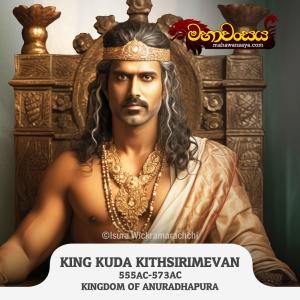
King Kiththisirimegha
555 AC-573 AC
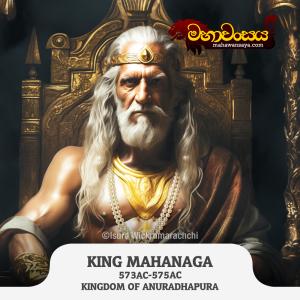
King Mahanaga
573 AC-575 AC
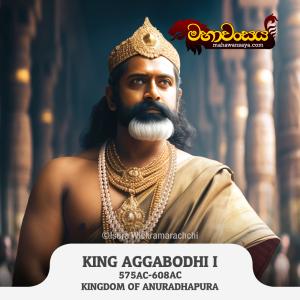
King Aggabodhi I
575 AC-608 AC
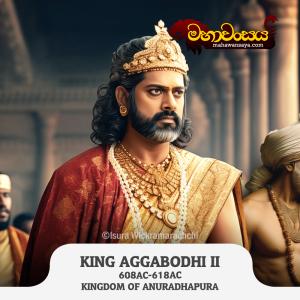
King Aggabodhi II
608 AC-618 AC
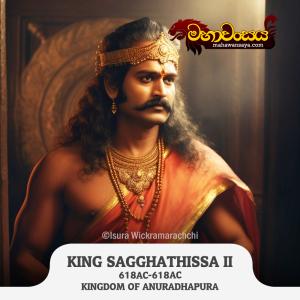
King Sangha Tissa II
618 AC-618 AC
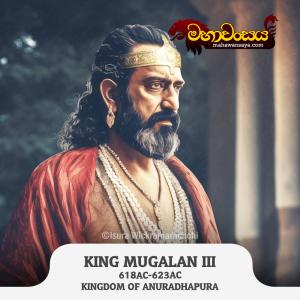
King Mugalan III
618 AC-623 AC
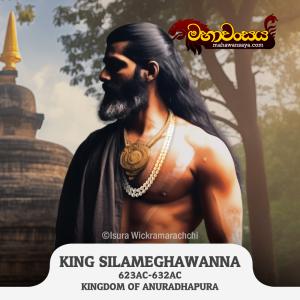
King Silameghavanna
623 AC-632 AC
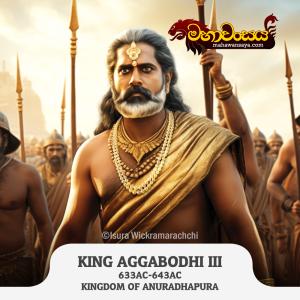
King Aggabodhi III
633 AC-643 AC
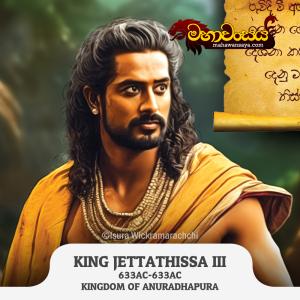
King Jetta Tissa III
633 AC-633 AC
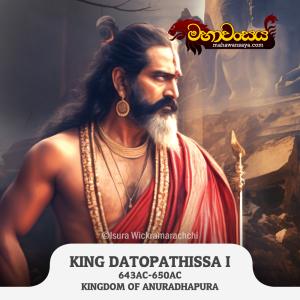
King Datopathissa i
643 AC-650 AC
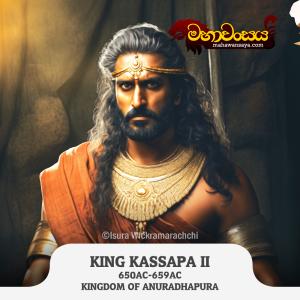
King Kassapa II
650 AC-659 AC
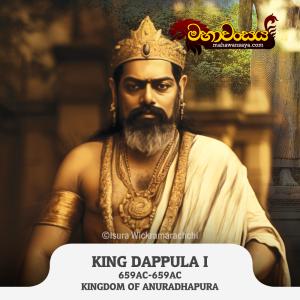
King Dappula I
659 AC-659 AC
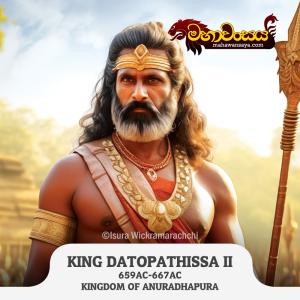
King Datopathissa II
659 AC-667 AC
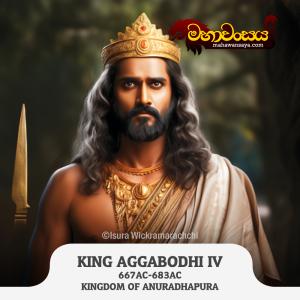
King Aggabodhi IV
667 AC-683 AC
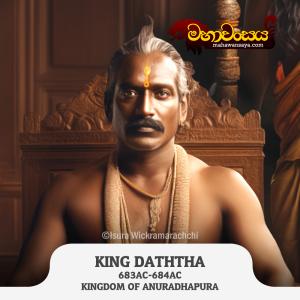
King Daththa
683 AC-684 AC
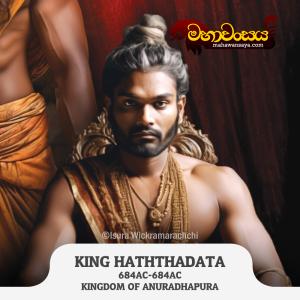
King Haththadata
684 AC-684 AC
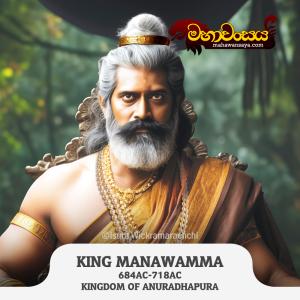
King Manavamma
684 AC-718 AC
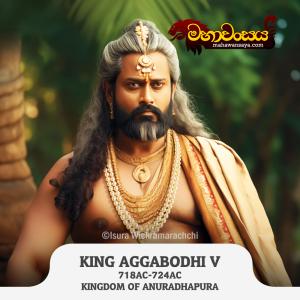
King Aggabodhi V
718 AC-724 AC
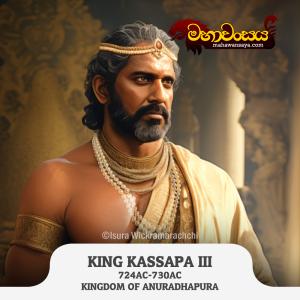
King Kassapa III
724 AC-730 AC
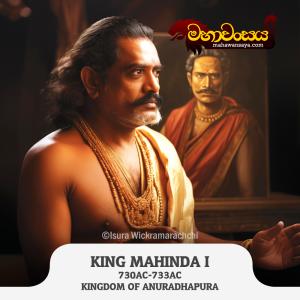
King Mahinda I
730 AC-733 AC
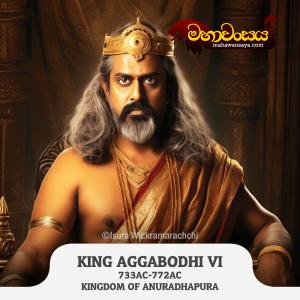
King Aggabodhi VI
733 AC-772 AC
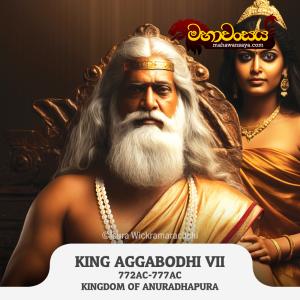
King Aggabodhi VII
772 AC-777 AC
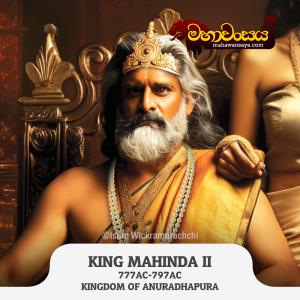
King Mahinda II
777 AC-797 AC
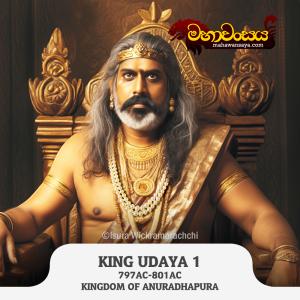
King Udaya I
797 AC-801 AC
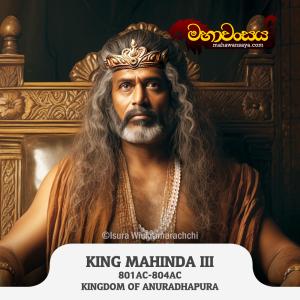
King Mahinda III
801 AC-804 AC
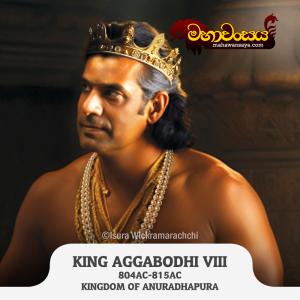
King Aggabodhi VIII
804 AC-815 AC
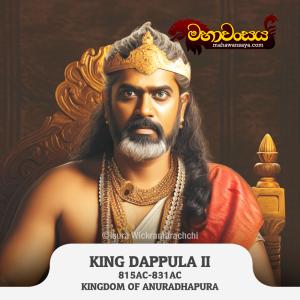
King Dappula II
815 AC-831 AC
King Aggabodhi IX
831 AC-833 AC
King Sena I
833 AC-853 AC
King Sena II
853 AC-887 AC
King Udaya II
887 AC-898 AC
King Kassapa IV
898 AC-914 AC
King Kassapa V
914 AC-923 AC
King Dappula III
923 AC-923 AC
King Dappula IV
923 AC-935 AC
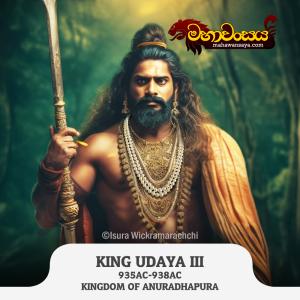
King Udaya III
935 AC-938 AC
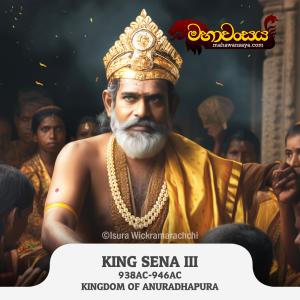
King Sena III
938 AC-946 AC
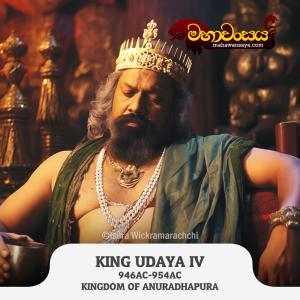
King Udaya IV
946 AC-954 AC
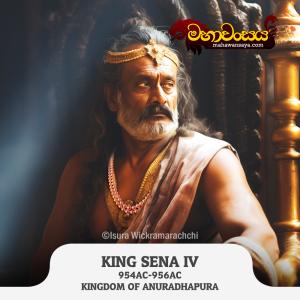
King Sena IV
954 AC-956 AC
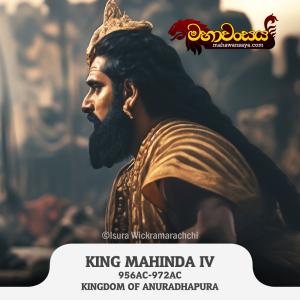
King Mahinda IV
956 AC-972 AC
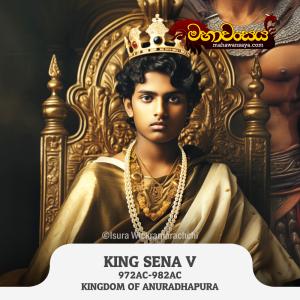
King Sena V
972 AC-982 AC
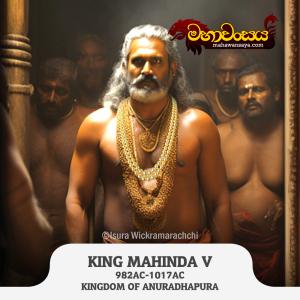
King Mahinda V
982 AC-1017 AC
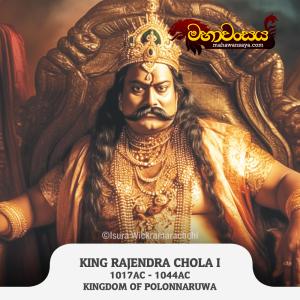
Rajendra Chola I
1017 AC-1044 AC
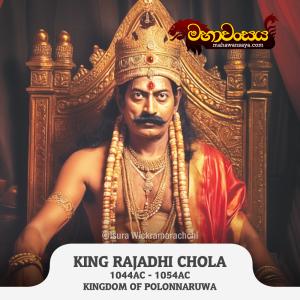
Rajadhiraja Chola
1044 AC-1054 AC
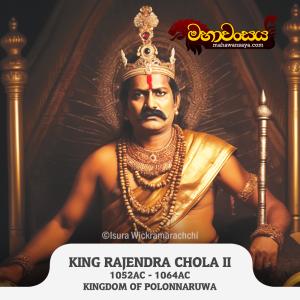
Rajendra Chola II
1052 AC-1064 AC
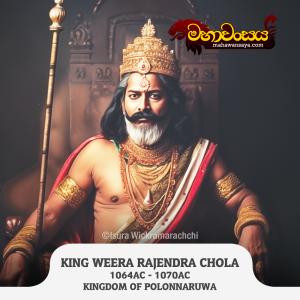
Virarajendra Chola
1064 AC-1070 AC
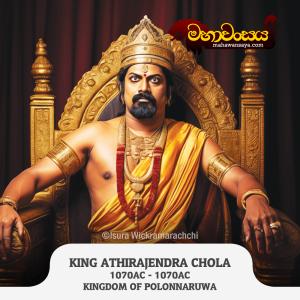
Athirajendra Chola
1070 AC-1070 AC
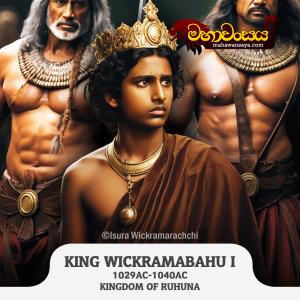
King Wickramabahu I
1029 AC-1040 AC
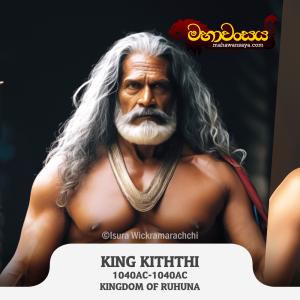
King General Keerthi
1040 AC-1040 AC
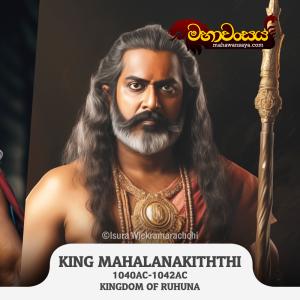
King Mahalana Kiththi
1040 AC-1042 AC
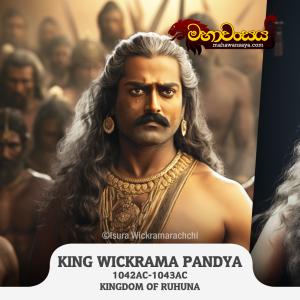
King Wickrama Pandu
1042 AC-1043 AC
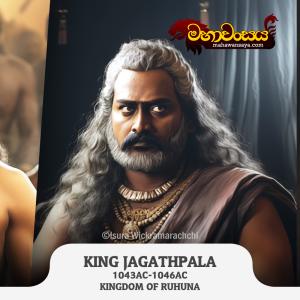
King Jagathpala
1043 AC-1046 AC
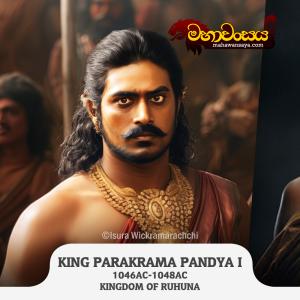
King Parakrama Pandu
1046 AC-1048 AC
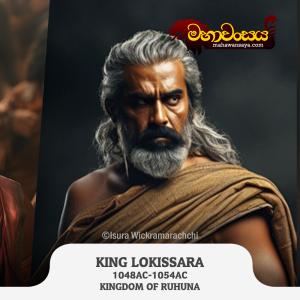
King Lokissara
1048 AC-1054 AC
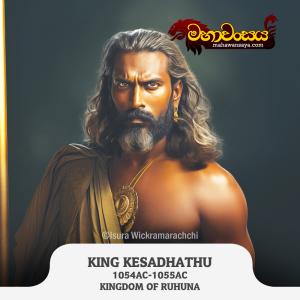
King Kesadhathu
1054 AC-1055 AC
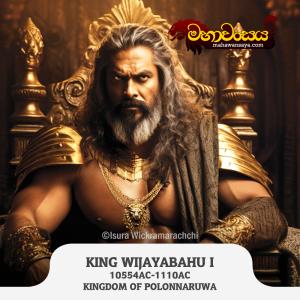
King Vijayabahu I
1055 AC-1110 AC
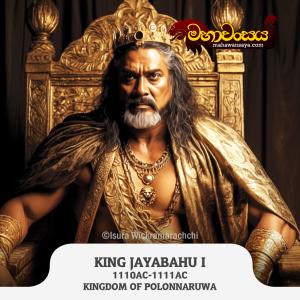
King Jayabahu I
1110 AC-1111 AC
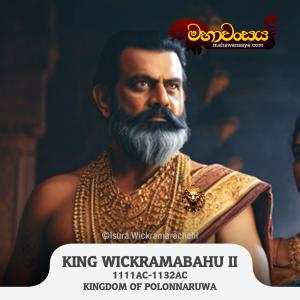
King Wickramabahu II
1111 AC-1132 AC
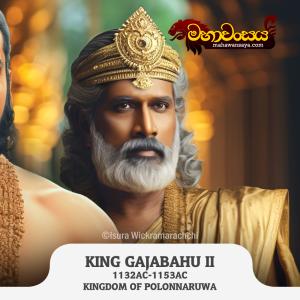
King Gajabahu II
1032 AC-1053 AC
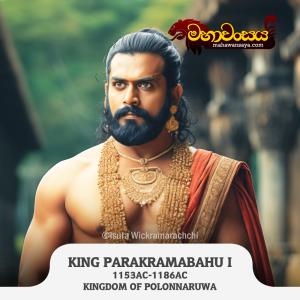
King Parakramabahu I
1053 AC-1086 AC
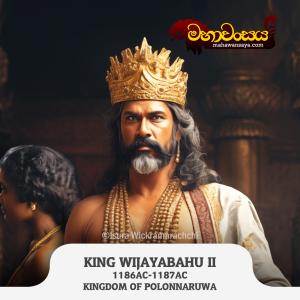
King Vijayabahu II
1186 AC-1187 AC
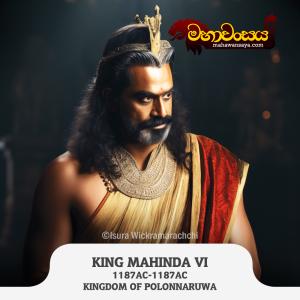
King Mahinda VI
1187 AC-1187 AC
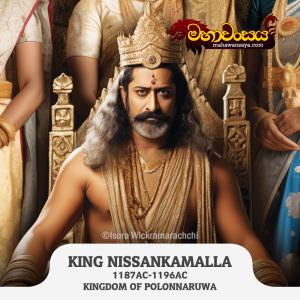
King Nissanka Malla
1187 AC-1196 AC
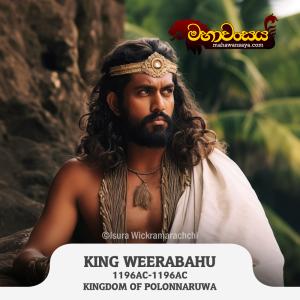
King Weerabahu I
1196 AC-1196 AC
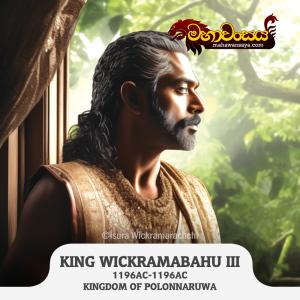
King Wickramabahu III
1196 AC-1196 AC
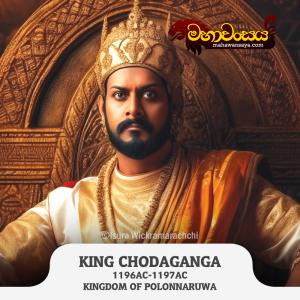
King Chodaganga
1196 AC-1197 AC
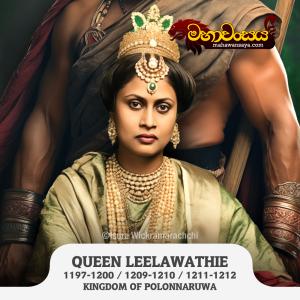
Queen Leelawathie
1197 AC-1200 AC
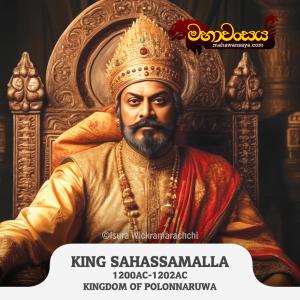
King Sahasamalla
1200 AC-1202 AC
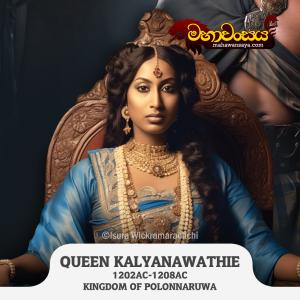
Queen Kalyanawathie
1202 AC-1208 AC
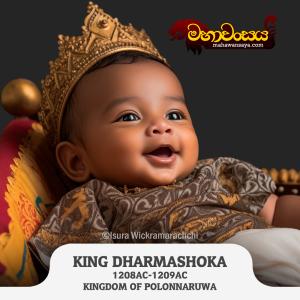
King Dharmasoka
1208 AC-1209 AC
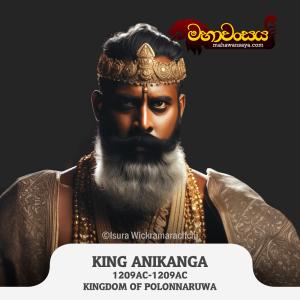
King Anikanga
1209 AC-1209 AC
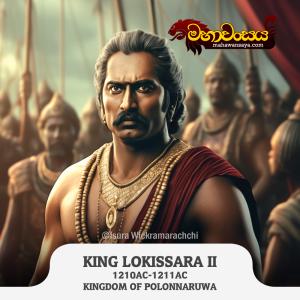
King Lokissara ii
1210 AC-1211 AC
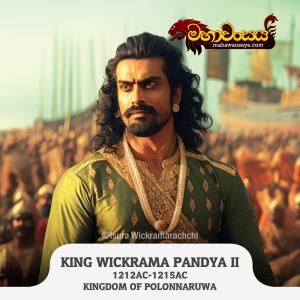
King Parakrama Pandu II
1212 AC-1215 AC
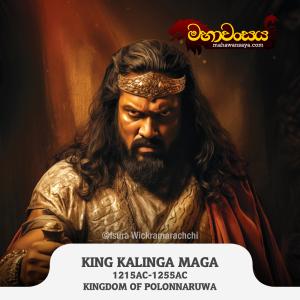
King Kalinga Magha
1215 AC-1255 AC
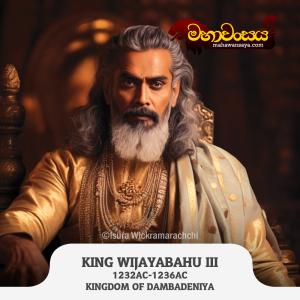
King Vijayabahu III
1232 AC-1236 AC
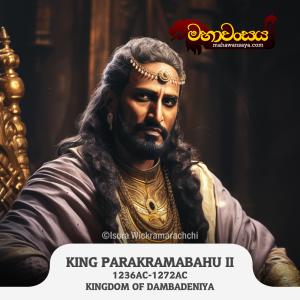
King Parakramabahu II
1236 AC-1272 AC
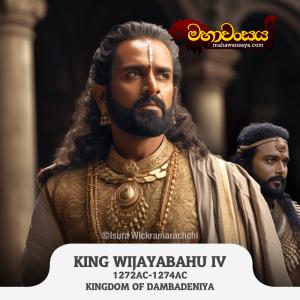
King Vijayabahu IV
1272 AC-1274 AC
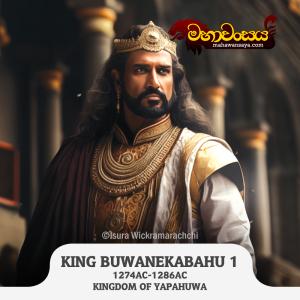
King Buvanekabahu I
1274 AC-1286 AC
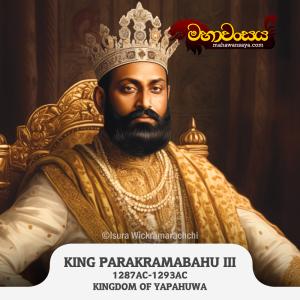
King Parakramabahu III
1287 AC-1293 AC
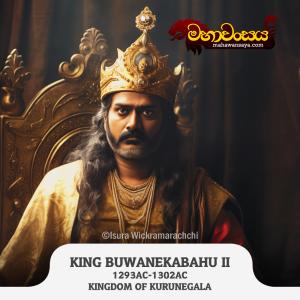
King Buvanekabahu II
1293 AC-1302 AC
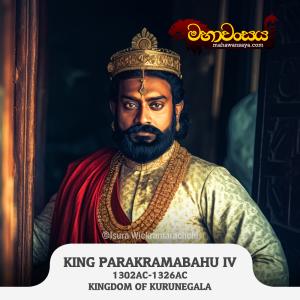
King Parakramabahu IV
1302 AC-1326 AC
-208.jpg)
King Buvanekabahu III (Vanni B
1326 AC-1335 AC
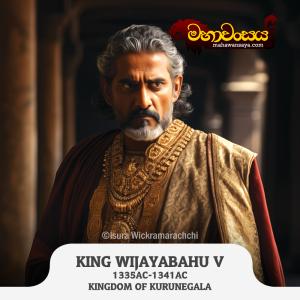
King Vijayabahu V
1335 AC-1341 AC
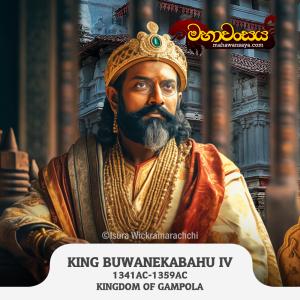
King Buvanekabahu IV
1341 AC-1359 AC
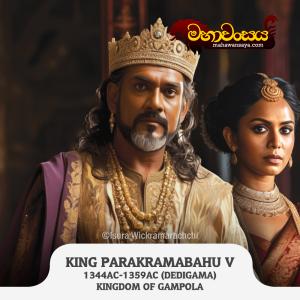
King Parakramabahu V
1344 AC-1359 AC
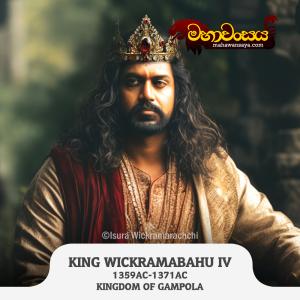
King Wickramabahu IV
1359 AC-1371 AC
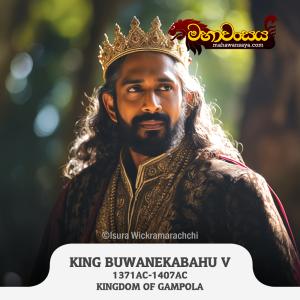
King Buvanekabahu V
1371 AC-1407 AC
-544.jpg)
King Kumara Alakeshwara (Alake
1391 AC-1391 AC
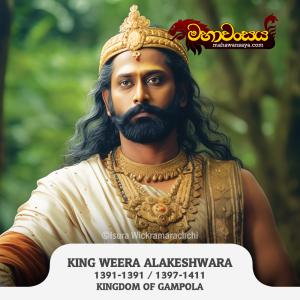
King Weera Alakesvara
1397 AC-1411 AC
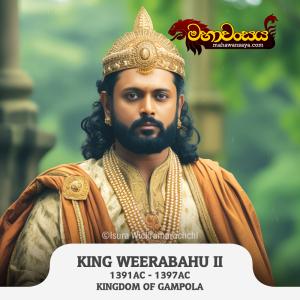
King Weerabahu II
1391 AC-1397 AC
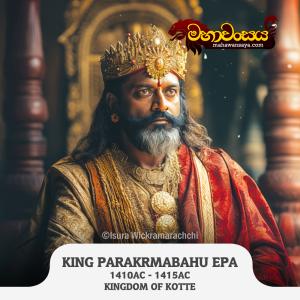
King Parakramabahu Epa
1410 AC-1415 AC
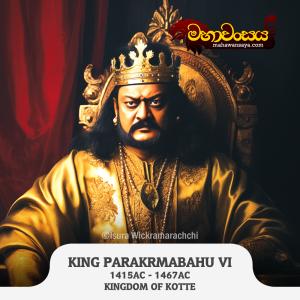
King Parakramabahu VI
1415 AC-1467 AC
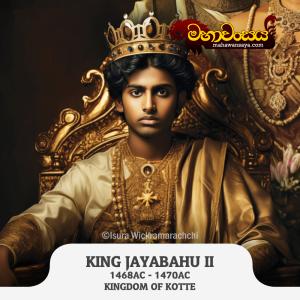
King Jayabahu II
1468 AC-1470 AC
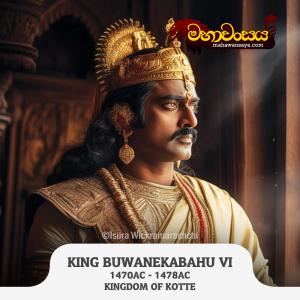
King Buvanekabahu VI
1470 AC-1478 AC
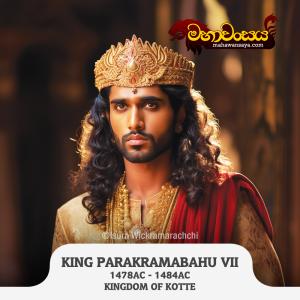
King Panditha Parakramabahu VI
1478 AC-1484 AC
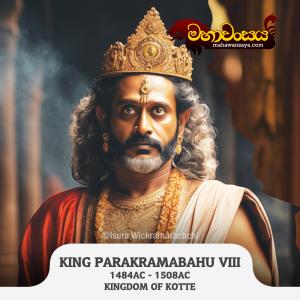
King Weera Parakramabahu VIII
1484 AC-1508 AC
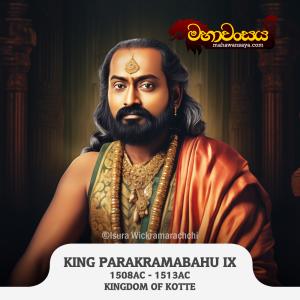
King Darma Parakramabahu IX
1508 AC-1513 AC
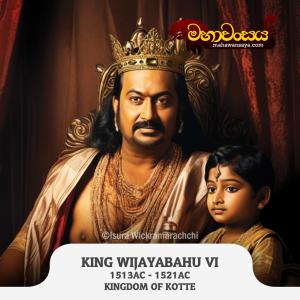
King Vijayabahu VI
1513 AC-1521 AC
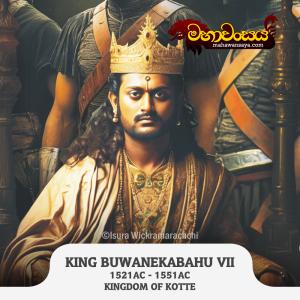
King Buvanekabahu VII
1521 AC-1551 AC
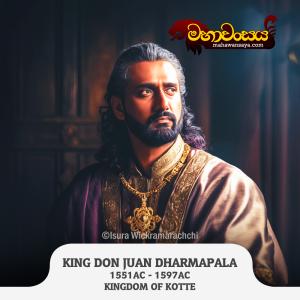
King Don Juwan Dharmapala
1551 AC-1597 AC
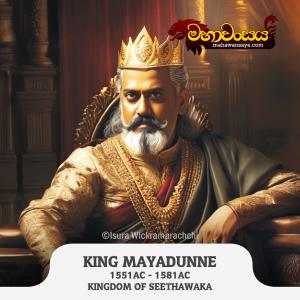
King Mayadunne
1551 AC-1581 AC
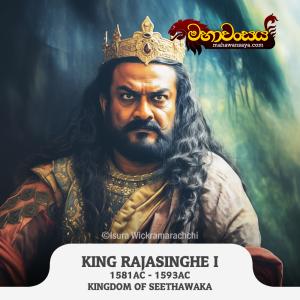
King Rajasinha I
1581 AC-1593 AC
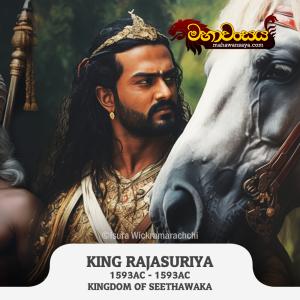
King Rajasooriya
1593 AC-1593 AC
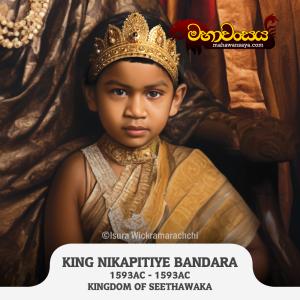
King Nikapitiye Bandara
1593 AC-1593 AC
King Wimaladharmasuriya I
1591 AC-1604 AC
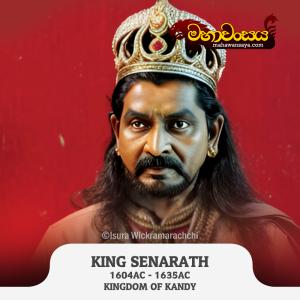
King Senarat
1604 AC-1635 AC
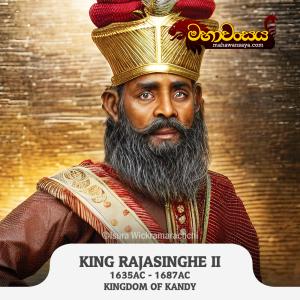
King Rajasinha II
1635 AC-1687 AC
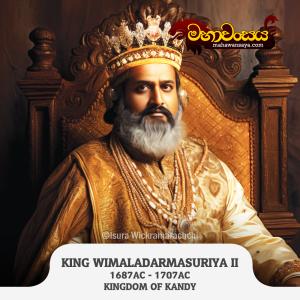
King Wimaladharmasuriya II
1687 AC-1707 AC
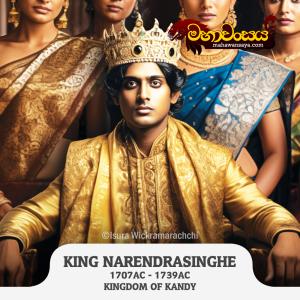
King Sri Weera Parakrama Naren
1707 AC-1739 AC
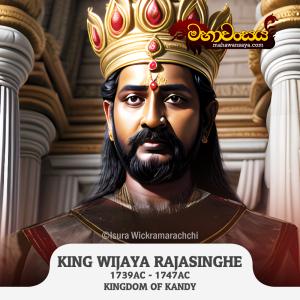
King Sri Wijaya Rajasingha
1739 AC-1747 AC
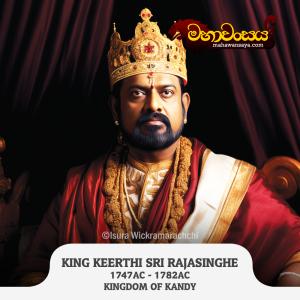
King Keerthi Sri Rajasingha
1747 AC-1782 AC
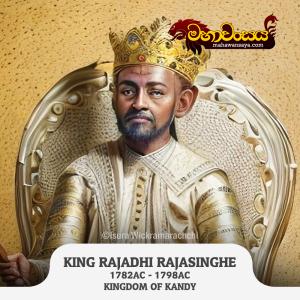
King Rajadhi Rajasinha
1782 AC-1798 AC
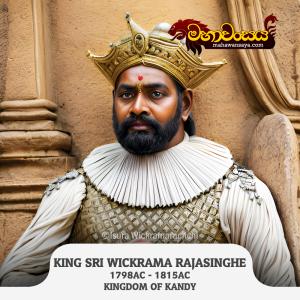
King Sri Wikrama Rajasinha
1798 AC-1815 AC

Pedro Lopes de Sousa
1594 AC-1594 AC
Joao da Silveira
1518 AC-1518 AC
Lopo de Brito
1518 AC-1522 AC
Fernao Gomes de Lemos
1522 AC-1524 AC
Joao Henriques
1551 AC-1552 AC
Diogo de Melo Coutinho
1552 AC-1552 AC
Duarte de Eca
1552 AC-1553 AC
Fernao Carvalho
1553 AC-1555 AC

Willem Jacobszoon Coster
1640 AC-1640 AC
Jan Thyszoon Payart
1640 AC-1646 AC
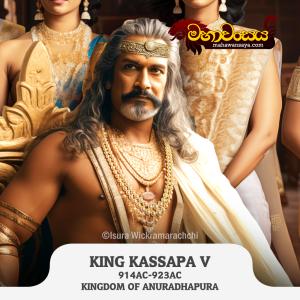
After the demise of King Sivuwana Kashyapa, the throne was ascended by Prince Kashyapa, who held the title of Crown Prince. Both the Mahavamsa and the inscriptions state that he was the prince born of two coronations. This fifth king, who ruled under the name Kashyapa, was also the son of King Dewan Sena and Sangha Bisava. Sangha Bisava had initially been crowned as queen and later, twice, received coronation as the consort of King Dewan Sena. This indicates that the fifth King Kashyapa emphasized his mother’s prominence, and his coronation name was Abasa Salamewan. The Rajawaliya and Nikaya Sangrahaya refer to this king as Pasulu Kashyapa, where “Pasulu” means “later.” No subsequent king named Kashyapa appears in the chronicles. At a later point, a prince named Vikramabahu appears, and thus “Pasulu” may signify “the latter” in this context. Professor Senarath Paranavithana notes that this prince was born around the time King Dewan Sena ascended the throne.
King Kashyapa appointed a prince named Dappula as crown prince. The chronicle mentions that he was born within the king’s lineage, implying that he must have been the son of King Dewan Sena. King Kashyapa had four consorts. Among them, it is unclear which one was the chief queen. Sangha, Deva, Sena, and Rajini were these consorts. From these, Sangha and Mahinda Adhipadaya’s Sena were daughters of the fourth Kashyapa. Deva was given the post of Sakka Senapati for the son received from Bisava. The personal name of this prince is not mentioned, and the exact nature of the Sakka Senapati office is unclear; it may have been a new position. The primary royal duty of the Sakka Senapati was to safeguard the Dhammasangini manuscript (currently at Gedige Mukalane Gedige House) and organize its procession. It appears that in the Sinhala military ranks, the Sakka Senapati held a position of power, and whether the general was the Sakka Senapati requires further inquiry. The fifth King Kashyapa appointed this post to his own son. After he went to battle in Dambadiva and died from illness, his son assumed the office. The king had four sons. The son born to the consort Rajini was Siddhattha. The Mahavamsa notes that he was handsome like Malaviya. This prince, who ruled the country, died prematurely. It seems that the prince who held the Sakka Senapati post also died earlier.
The Mahavamsa provides a significant description of King Kashyapa. He was benevolent, adhered to the religious path, and possessed wisdom. He was generous, eloquent, a dharmakatha (preacher of Dhamma), and exemplified the ten virtues. No other king is described in this manner in the Mahavamsa except the first Aggrabodhi King. It is not stated whether he fully practiced the religious path, but the fifth King Kashyapa possessed these virtues. This indicates that he had at least attained the fruition of the Sotapanna stage.
The chronicle also reports that this king undertook many religious activities, primarily the restoration of the Mirisavati Vihara. He showed particular interest in Abhidharma. At the Mirisavati Vihara, he preached Abhidharma to a large assembly gathered in an elaborate hall. Furthermore, the Abhidharma was inscribed on gold plates and placed in a central pavilion for procession, a task entrusted to his son, who held the Sakka Senapati post, for one year. Organizing the procession in the Mahawewa garden was another significant task.
The Sakka Senapati, following the king’s guidance, also organized a procession in his name for the monks of the Mahavihara. An inscription from Bilibawa in Milegastota confirms that Sakka Senavi Sagalnawa arranged a procession under the name of King Kashyapa Senavirath and granted land as endowment. Another inscription from Pulyankulam of Udamahaya mentions a person named Sakkamaha Amathi Sagalnawo. Since this inscription dates to the fifth year of King Kashyapa, the Sakka Senavi mentioned therein must be the aforementioned official. According to this inscription, the Mahavamsa account is clearly corroborated.
The wife of Sakka Senapati, Princess Vajira, also had a procession in her name and organized a foot-ceremony (Padalanchana), which likely took place at Samanala Sri Pada. In Anuradhapura, in front of Thuparama, the footprints of four Buddhas were established, known as Padalanchana. The mother of Sakka Senavi also had a vihara constructed. Another consort, Princess Rajini, had a bronze canopy (Kanchuka) made for the Maha Seiya. In this manner, the royal family carried out numerous activities promoting the growth of the Sangha.
During the fifth King Kashyapa’s reign, he became involved in a political conflict in India. This was during a period when the Cholas were gaining power in South India, surrounding neighboring kingdoms. The first Aditya Chola King, along with his son Parantaka, invaded the Pandya kingdom around 897 CE. The ruler at that time was the second Rajasingha King. The Kongu region came under Chola control. After his father’s demise, Parantaka ascended to the Chola throne and invaded Pandya, around 915 CE. At that time, the ruler of Lanka was the fifth King Kashyapa. The Pandya king sought support from the Sinhalese king. The Mahavamsa records this event.
Thus, when the Pandya king was defeated in battle by the Chola king, he sent numerous envoys to the Sinhala king for aid. Coordinating with the Lakdiva Thamey Amathis, he sent the army under the command of Sakka Senapati to Matota. The king inspired enthusiasm in the troops by narrating the victories of previous Sinhala kings. The Sakka Senapati safely led the forces across the sea to Pandya. The Pandya king, seeing the power of the Sinhalese forces, abandoned the battle, realizing victory was impossible, and retreated. The Sakka Senavi returned after the Pandya king succumbed to illness and died. Knowing that the army also suffered from the illness, the king wisely brought them back to his country.
From the above, it is evident that although unsuccessful, the fifth King Kashyapa was involved in political struggles in South India. Territories that the second Sena king had invaded in South India had come under Sinhala influence. Professor Senarath Paranavithana states that Lanka attempted to assert authority in these regions. During certain conflicts in Pandya, Sinhala forces intervened repeatedly. Future accounts of kings’ reigns show how these struggles impacted Sinhala territories.
During the fifth King Kashyapa’s reign, significant public welfare included constructing hospitals and donating land for them, confirmed by inscriptions. The Mahavamsa does not mention economic development, but reviewing the religious and administrative activities of the king and his consorts indicates that the country was prosperous. His royal edicts extended throughout the kingdom, and there is no evidence of hostile activity.
The disease that afflicted the army sent to Pandya appears to have spread after their arrival. Before it spread further, the king ensured protection by invoking the Pirith (Buddhist protective chants) from the Thuththikaya, safeguarding the people. During this period, the only adversities reported in the country were these. The Mahavamsa states that the king brought peace to the country and religion in many ways. The fifth King Kashyapa had extensive administrative experience, having served as crown prince under several kings, which contributed to his wise governance. He was a great scholar. He authored a text in Sinhala based on the Pali Dhammapadattakatha, known as Dampiya Atuva Gatapadaya. His coronation name, Abasa Salamewan Kashyapa, is mentioned at the conclusion.
Many inscriptions from his reign have been found across the island. Considering these locations, it is clear that his authority was recognized throughout the country. Some of these inscriptions are also linked to Sivuwana Kashyapa, his predecessor. Particularly notable are inscriptions found in Kollampattu in the Trincomalee district and Tunukai in Jaffna.
The Kollampattu inscription mentions granting land at Bimbathugama in Waduunnaa village by an official stationed in Anuradhapura. During the fifth King Kashyapa’s reign, the area called Waduunnaa corresponds to present-day Trincomalee, referred to in Tamil as Kollampattu. A village named Bimbathu within that region had its ownership granted to an official from Anuradhapura. Four royal officials involved in establishing this inscription are mentioned: Kudupasukemi Senu, Sene Virad Madurawara Mekapper, Namuda Nila, and Tisassenoo Nilawasa Mandiya. This inscription dates to the fifth year of King Kashyapa’s reign. Following the grand procession, the Tunukai inscription in Jaffna was established, though the exact year is uncertain due to damaged lines.
Tunukai, currently known by this name, corresponds to the Sinhala village Dunu Kawa. There was a royal hospital here, likely built by the fifth King Kashyapa, as the inscription suggests. The grant of the village Polkadu to support the hospital’s revenue is recorded. This confirms that villages currently in Tamil areas were once Sinhala settlements. Historically, many royal hospitals were established across the island, maintained through land endowments.
Another inscription from Mannar, now kept in the Colombo Museum, also relates to Sivuwana Kashyapa, established by officials of the fifth King Kashyapa. It mentions the Maha Votiyya, i.e., Mahathitthara, and that a Bodhisattva statue was enshrined there. Guardianship and land grants for it are detailed. The statue remained even during the Kotte period, as mentioned in the Kokila Sandesha. Although these sacred sites cannot be identified today, the inscriptions confirm their historical importance. Other inscriptions from Halbe and Milegastota also document royal endowments. These inscriptions demonstrate that the king’s grants and activities extended across the island, maintaining the uninterrupted heritage of the Sinhalese people. The fifth King Kashyapa reigned for ten.