118
King Kassapa IV
Kingdom of Anuradhapura
898 AC - 914 AC
898 AC - 914 AC

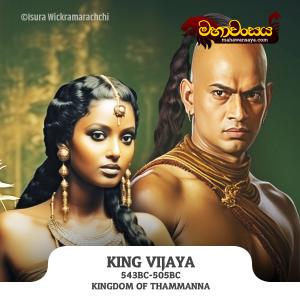
King Vijaya
543 BC-505 BC
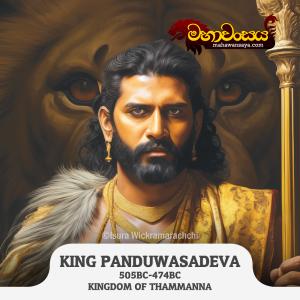
King Panduvasdeva
504 BC-474 BC
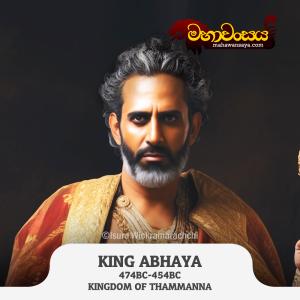
King Abhaya
474 BC-454 BC
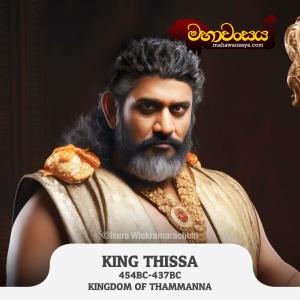
King Tissa
454 BC-437 BC
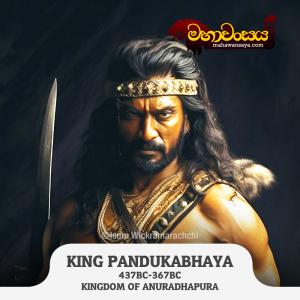
King Pandukabhaya
437 BC-367 BC
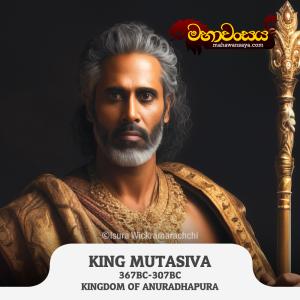
King Mutasiva
367 BC-307 BC
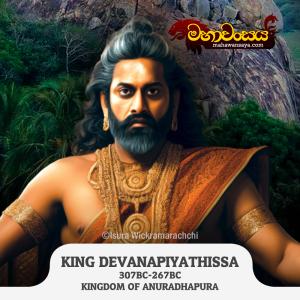
King Devanampiya Tissa
307 BC-267 BC
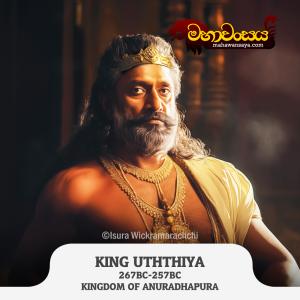
King Uttiya
267 BC-257 BC
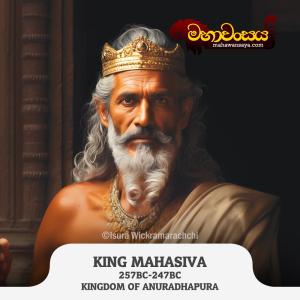
King Mahasiva
257 BC-247 BC
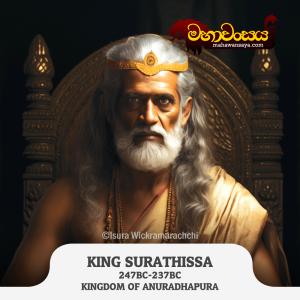
King Suratissa
247 BC-237 BC
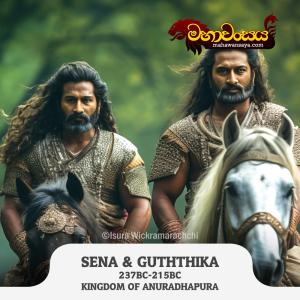
Sena and Guttika
237 BC-215 BC
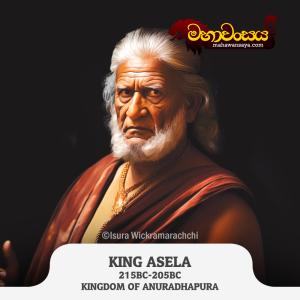
King Asela
215 BC-205 BC
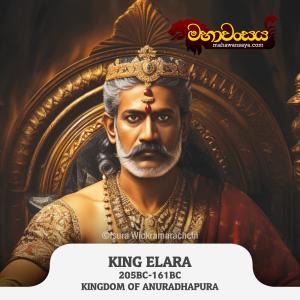
King Elara
205 BC-161 BC
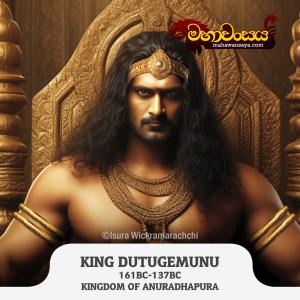
King Dutugemunu
161 BC-137 BC
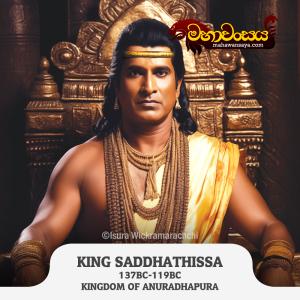
King Saddha Tissa
137 BC-119 BC
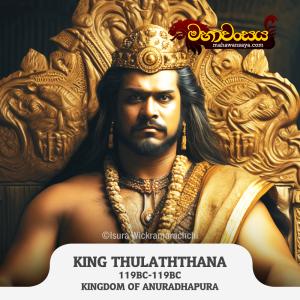
King Thulatthana
119 BC-119 BC
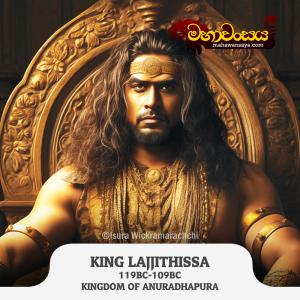
King Lajjithissa
119 BC-109 BC
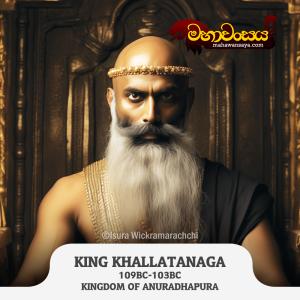
King Khallata Naga
109 BC-103 BC
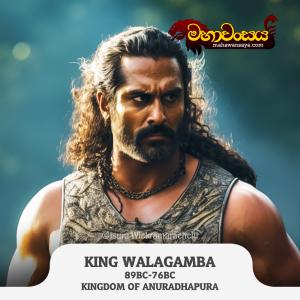
King Walagamba
89 BC-76 BC
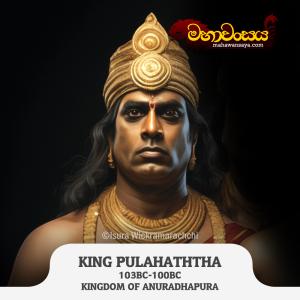
King Pulahaththa
103 BC-100 BC
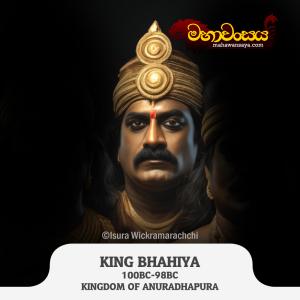
King Bhahiya
100 BC-98 BC
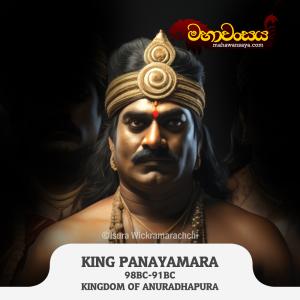
King Panayamara
98 BC-91 BC
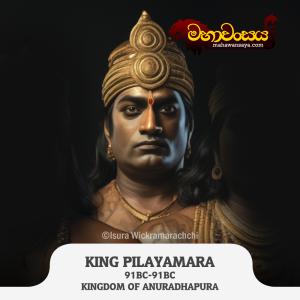
King Piliyamara
91 BC-91 BC
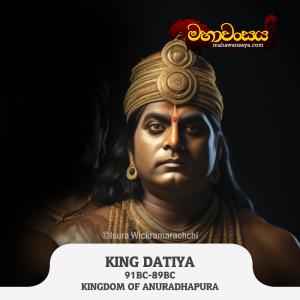
King Dathiya
91 BC-89 BC
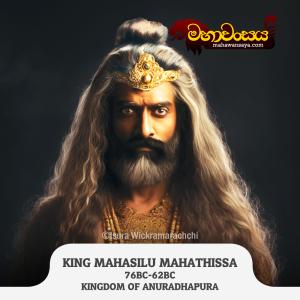
King Mahachulikamahathissa
76 BC-62 BC
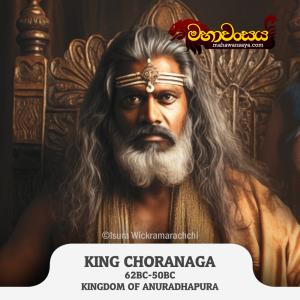
King Choranaga
62 BC-50 BC
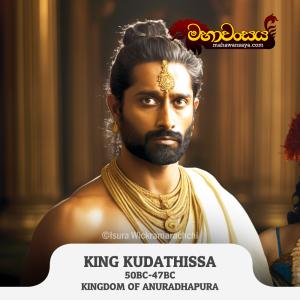
King Kuda Thissa
50 BC-47 BC
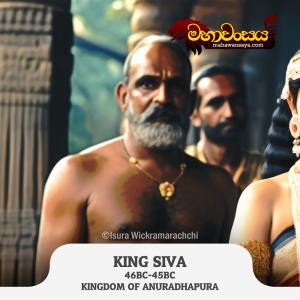
King Siva I
47 BC-45 BC
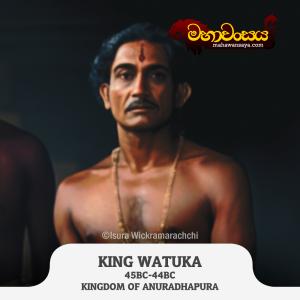
King Vatuka
45 BC-44 BC
King Darubhatika Tissa
44 BC-43 BC
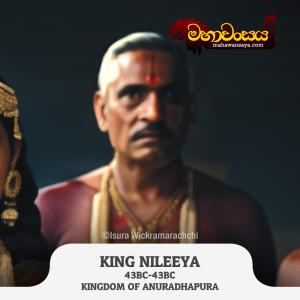
King Neeliya
43 BC-43 BC
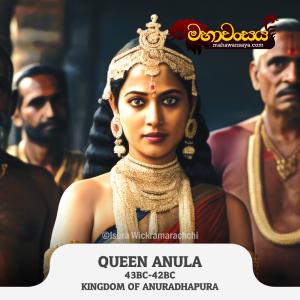
Queen Anula
43 BC-42 BC
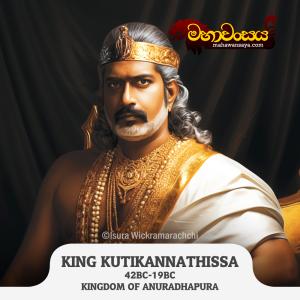
King Kutikanna Tissa
42 BC-19 BC
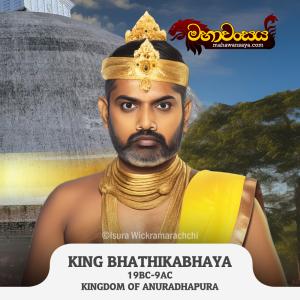
King Bhathikabhaya
19 BC-9 AC
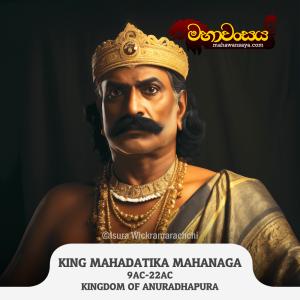
King Mahadatika Mahanaga
9 AC-22 AC
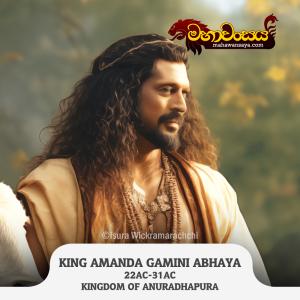
King Amandagamani Abhaya
22 AC-31 AC
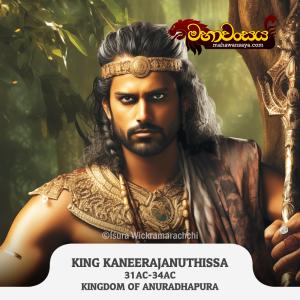
King Kanirajanu Tissa
31 AC-34 AC
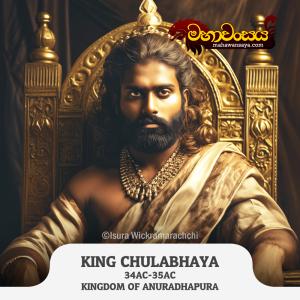
King Chulabhaya
34 AC-35 AC
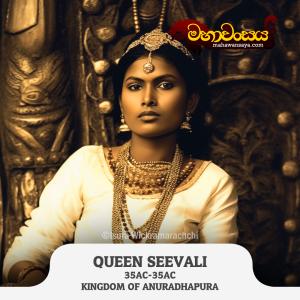
Queen Seevali
35 AC-35 AC
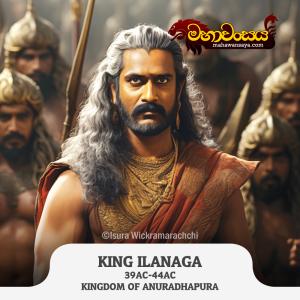
King Ilanaga
39 AC-44 AC
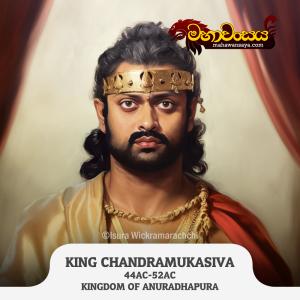
King Chandra Mukha Siva
44 AC-52 AC
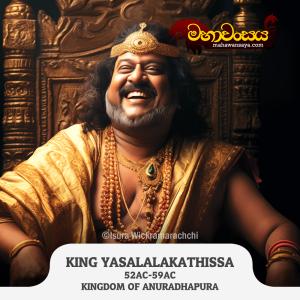
King Yassalalaka Thissa
52 AC-59 AC
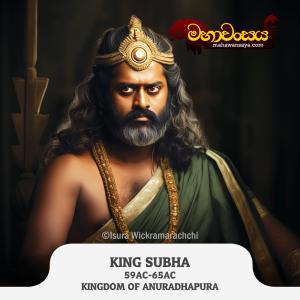
King Subha
59 AC-65 AC
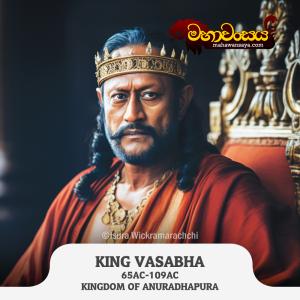
King Vasabha
65 AC-109 AC
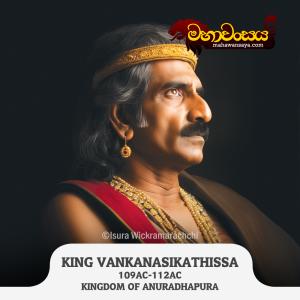
King Vankanasika Tissa
109 AC-112 AC
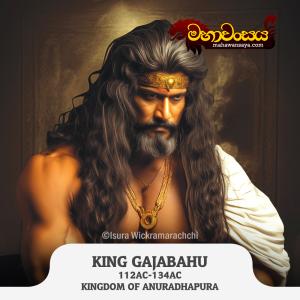
King Gajabahu I
112 AC-134 AC
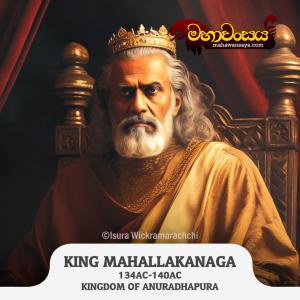
King Mahallaka Naga
134 AC-140 AC
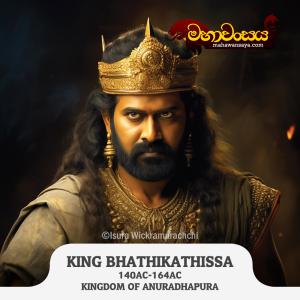
King Bhathika Thissa
140 AC-164 AC
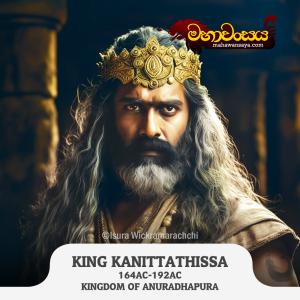
King Kanitta Tissa
164 AC-192 AC
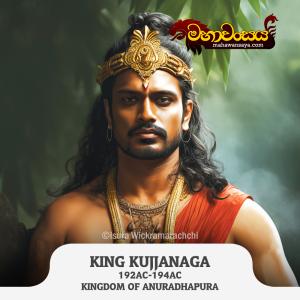
King Kujjanaga
192 AC-194 AC
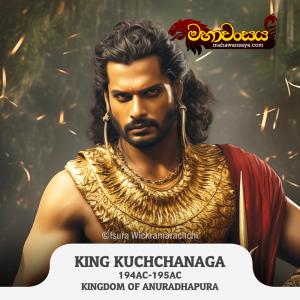
King Kudda Naga
194 AC-195 AC
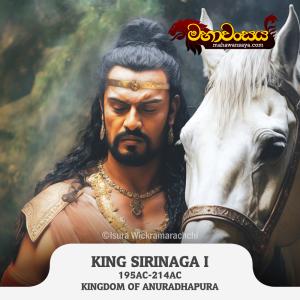
King Sirinaga I
195 AC-214 AC
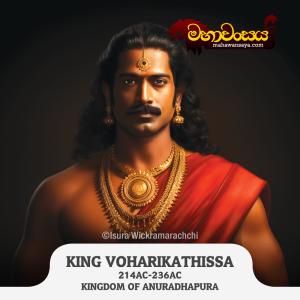
King Voharika Tissa
214 AC-236 AC
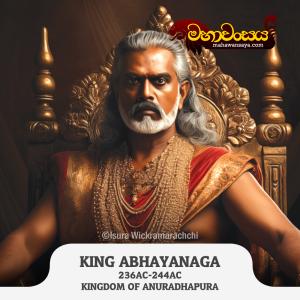
King Abhaya Naga
236 AC-244 AC
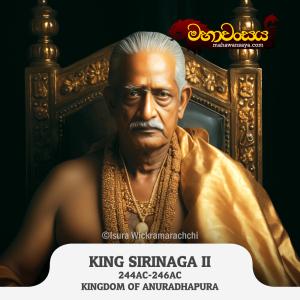
King Sirinaga II
244 AC-246 AC
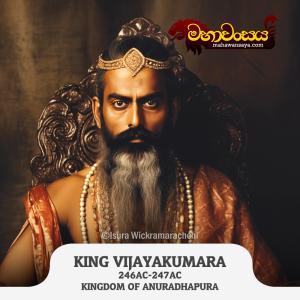
King Vijaya Kumara
246 AC-247 AC
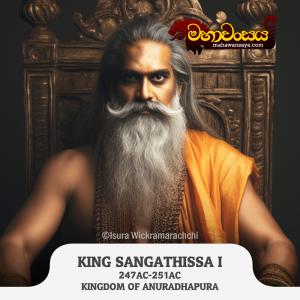
King Sangha Tissa I
247 AC-251 AC
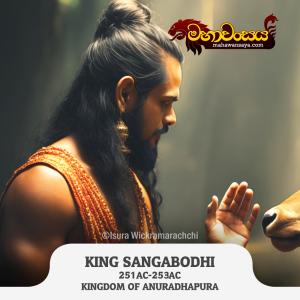
King Siri Sangha Bodhi I
251 AC-253 AC
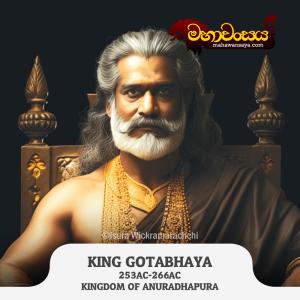
King Gotabhaya
253 AC-266 AC
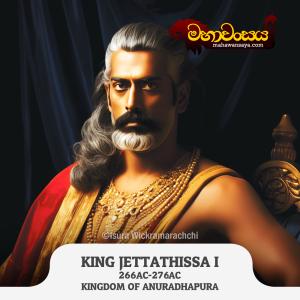
King Jetta Tissa I
266 AC-276 AC
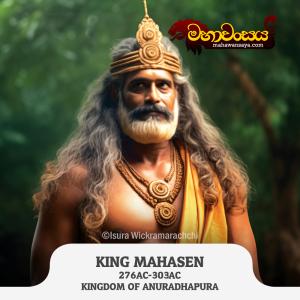
King Mahasen
276 AC-303 AC
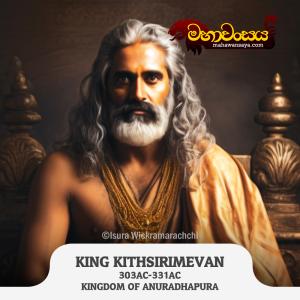
King Kithsirimewan
303 AC-331 AC
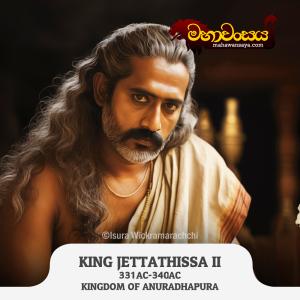
King Jetta Tissa II
331 AC-340 AC
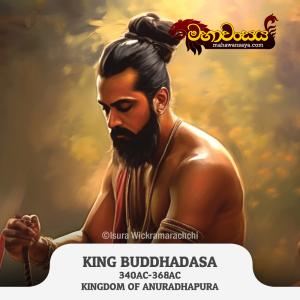
King Buddhadasa
340 AC-368 AC
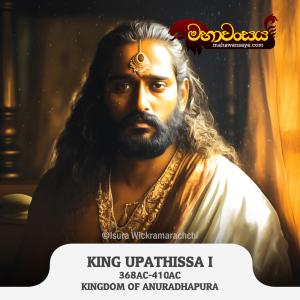
King Upatissa I
368 AC-410 AC
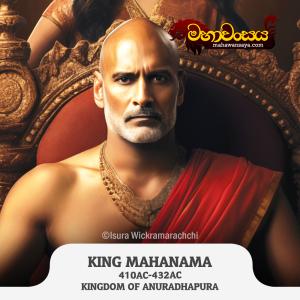
King Mahanama
410 AC-432 AC
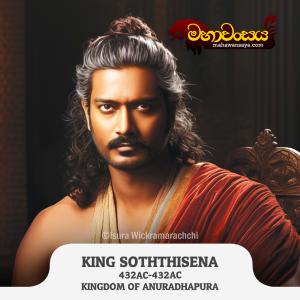
King Soththisena
432 AC-432 AC
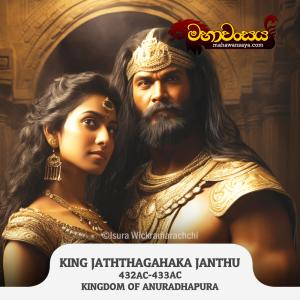
King Jaththagahaka Janthu
432 AC-433 AC
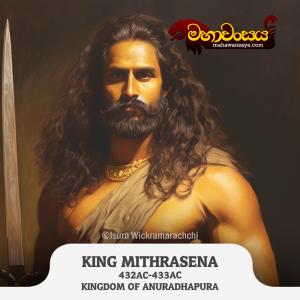
King Miththasena
432 AC-433 AC
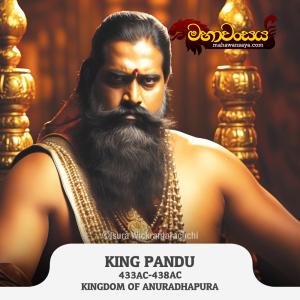
King Pandu
433 AC-438 AC
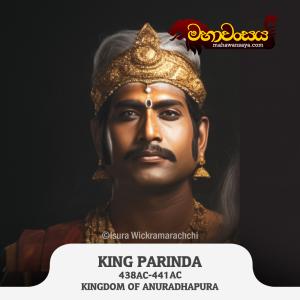
King Parinda
438 AC-441 AC
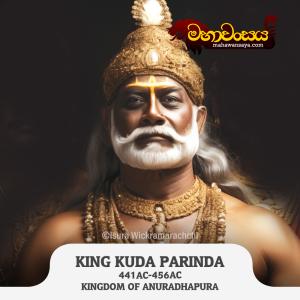
King Kuda Parinda
441 AC-456 AC
King Thirithara
456 AC-456 AC
King Datiya II
456 AC-459 AC
King Peetiya
459 AC-459 AC
King Dhathusena
459 AC-477 AC
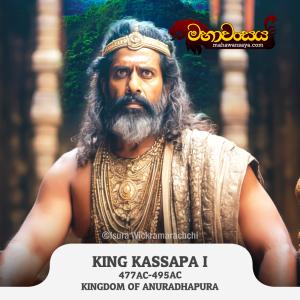
King Kassapa I
477 AC-495 AC
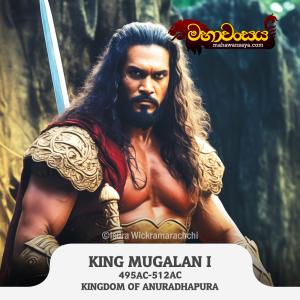
King Mugalan I
495 AC-512 AC
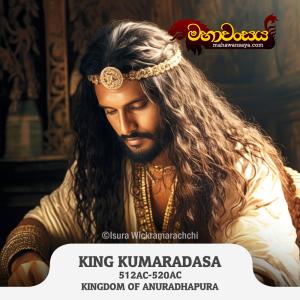
King Kumaradasa
512 AC-520 AC
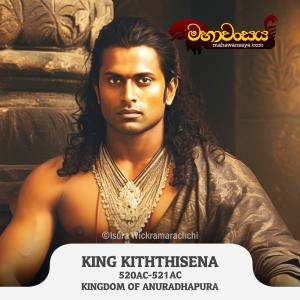
King Kiththisena
520 AC-521 AC
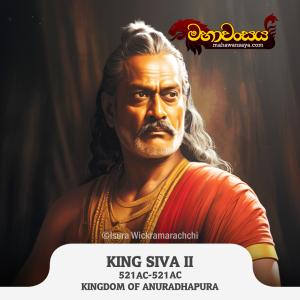
King Siva II
521 AC-521 AC
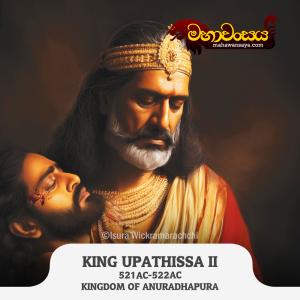
King Upatissa II
521 AC-522 AC
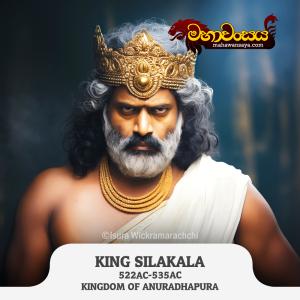
King Silakala
522 AC-535 AC
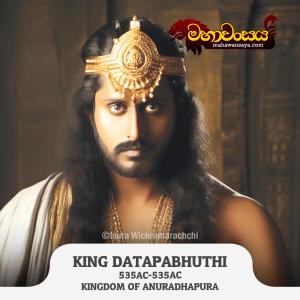
King Datappabhuthi
535 AC-535 AC
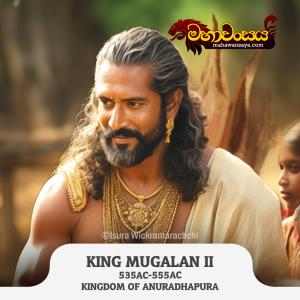
King Mugalan II
535 AC-555 AC
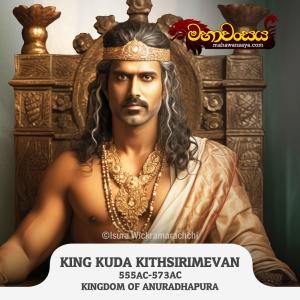
King Kiththisirimegha
555 AC-573 AC
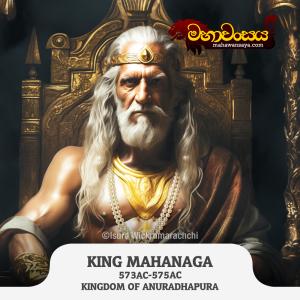
King Mahanaga
573 AC-575 AC
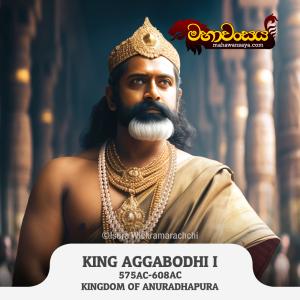
King Aggabodhi I
575 AC-608 AC
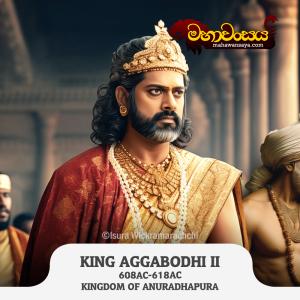
King Aggabodhi II
608 AC-618 AC
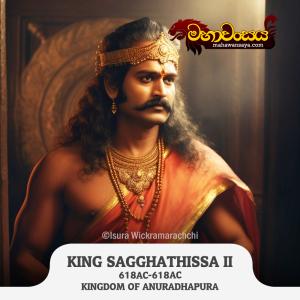
King Sangha Tissa II
618 AC-618 AC
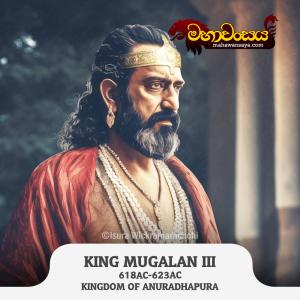
King Mugalan III
618 AC-623 AC
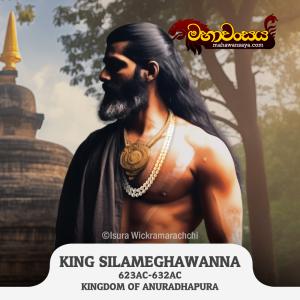
King Silameghavanna
623 AC-632 AC
King Aggabodhi III
633 AC-643 AC
King Jetta Tissa III
633 AC-633 AC
King Datopathissa i
643 AC-650 AC
King Kassapa II
650 AC-659 AC
King Dappula I
659 AC-659 AC
King Datopathissa II
659 AC-667 AC
King Aggabodhi IV
667 AC-683 AC
King Daththa
683 AC-684 AC
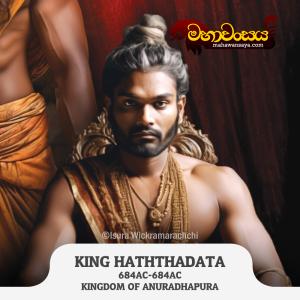
King Haththadata
684 AC-684 AC
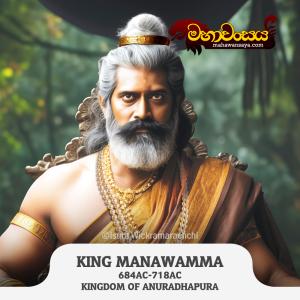
King Manavamma
684 AC-718 AC
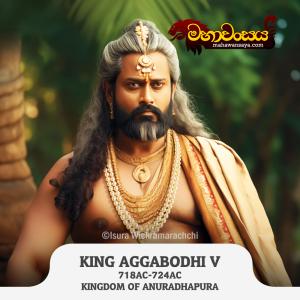
King Aggabodhi V
718 AC-724 AC
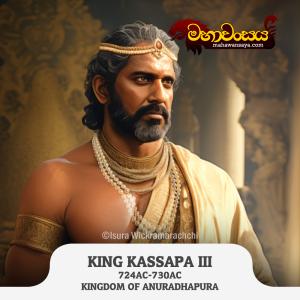
King Kassapa III
724 AC-730 AC
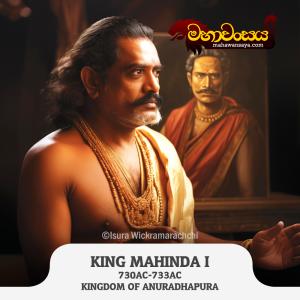
King Mahinda I
730 AC-733 AC
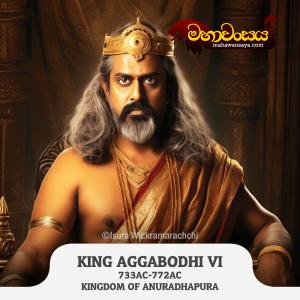
King Aggabodhi VI
733 AC-772 AC
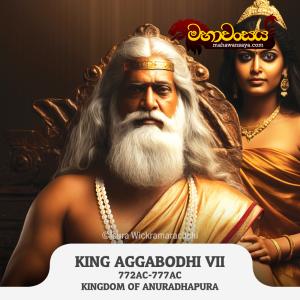
King Aggabodhi VII
772 AC-777 AC
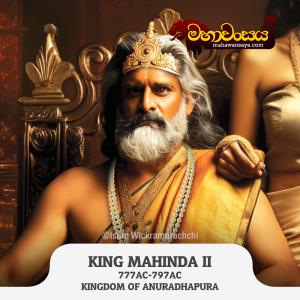
King Mahinda II
777 AC-797 AC
King Udaya I
797 AC-801 AC
King Mahinda III
801 AC-804 AC
King Aggabodhi VIII
804 AC-815 AC
King Dappula II
815 AC-831 AC
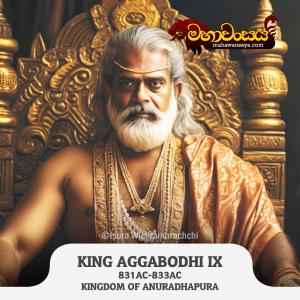
King Aggabodhi IX
831 AC-833 AC
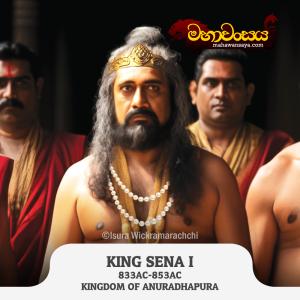
King Sena I
833 AC-853 AC
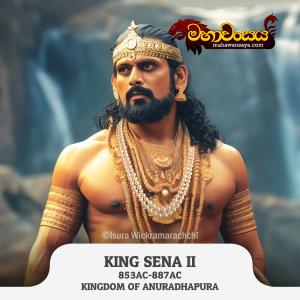
King Sena II
853 AC-887 AC
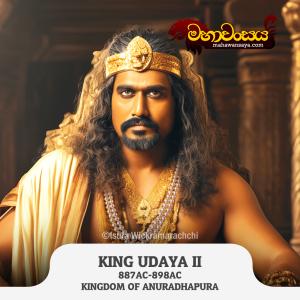
King Udaya II
887 AC-898 AC
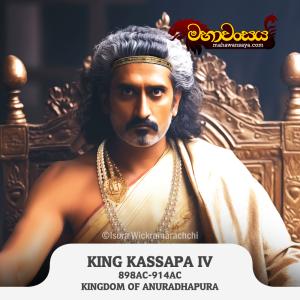
King Kassapa IV
898 AC-914 AC
King Kassapa V
914 AC-923 AC
King Dappula III
923 AC-923 AC
King Dappula IV
923 AC-935 AC
King Udaya III
935 AC-938 AC
King Sena III
938 AC-946 AC
King Udaya IV
946 AC-954 AC
King Sena IV
954 AC-956 AC
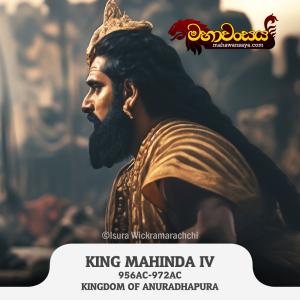
King Mahinda IV
956 AC-972 AC
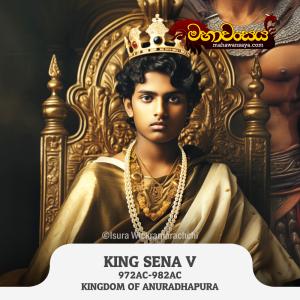
King Sena V
972 AC-982 AC
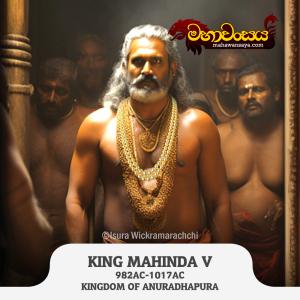
King Mahinda V
982 AC-1017 AC
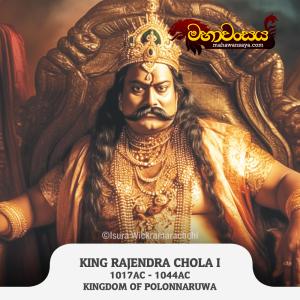
Rajendra Chola I
1017 AC-1044 AC
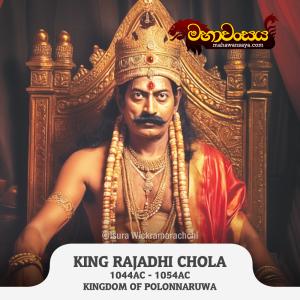
Rajadhiraja Chola
1044 AC-1054 AC
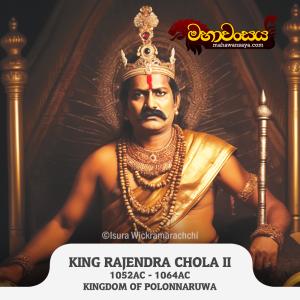
Rajendra Chola II
1052 AC-1064 AC
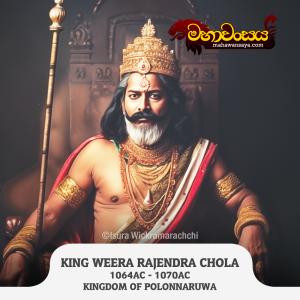
Virarajendra Chola
1064 AC-1070 AC
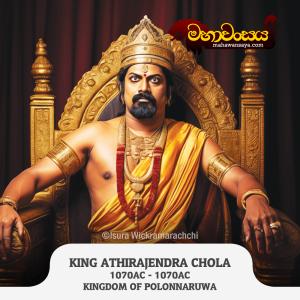
Athirajendra Chola
1070 AC-1070 AC
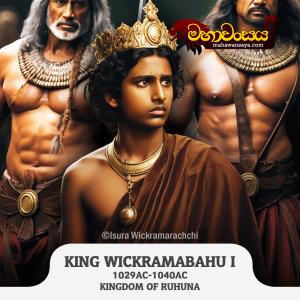
King Wickramabahu I
1029 AC-1040 AC
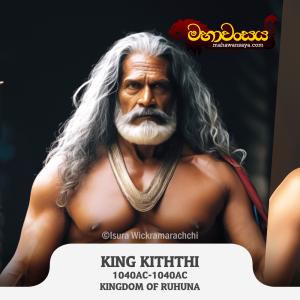
King General Keerthi
1040 AC-1040 AC
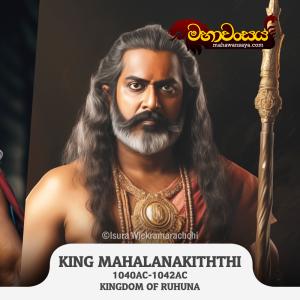
King Mahalana Kiththi
1040 AC-1042 AC
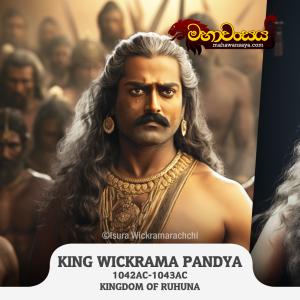
King Wickrama Pandu
1042 AC-1043 AC
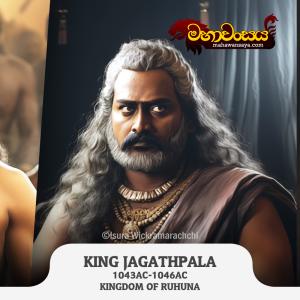
King Jagathpala
1043 AC-1046 AC
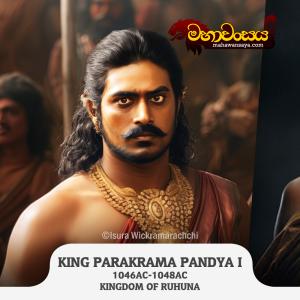
King Parakrama Pandu
1046 AC-1048 AC
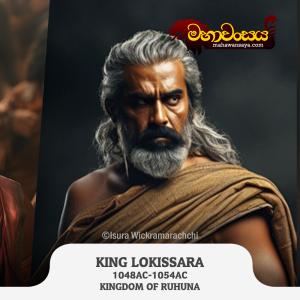
King Lokissara
1048 AC-1054 AC
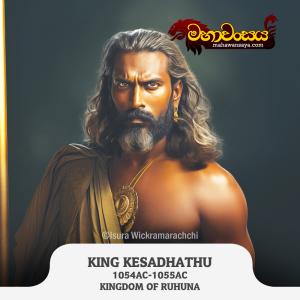
King Kesadhathu
1054 AC-1055 AC
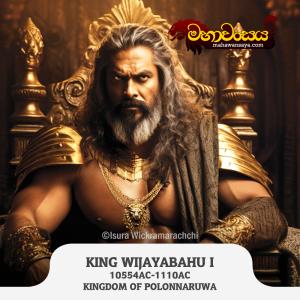
King Vijayabahu I
1055 AC-1110 AC
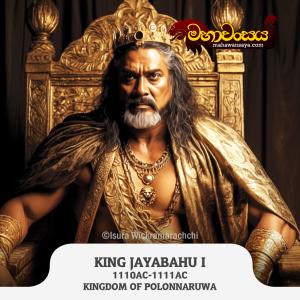
King Jayabahu I
1110 AC-1111 AC
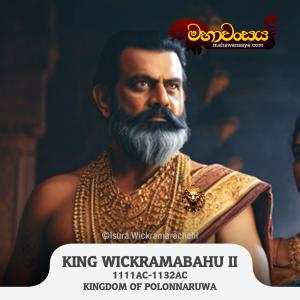
King Wickramabahu II
1111 AC-1132 AC
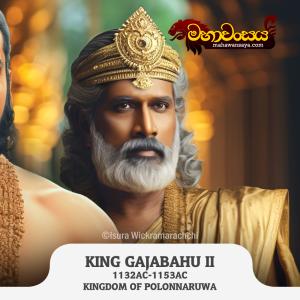
King Gajabahu II
1032 AC-1053 AC
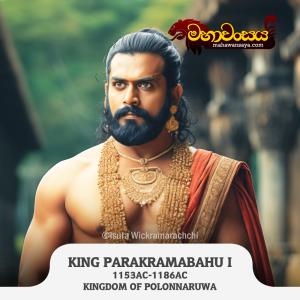
King Parakramabahu I
1053 AC-1086 AC
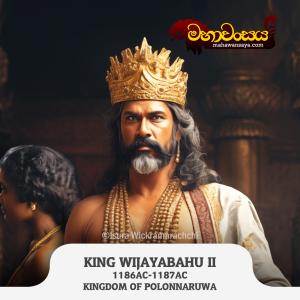
King Vijayabahu II
1186 AC-1187 AC
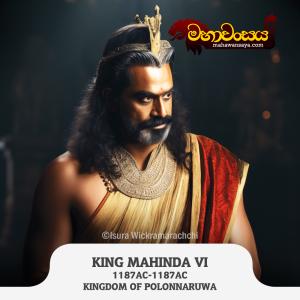
King Mahinda VI
1187 AC-1187 AC
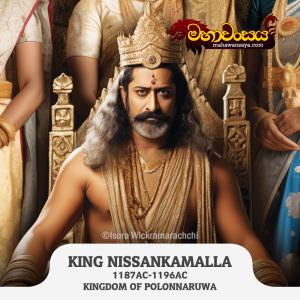
King Nissanka Malla
1187 AC-1196 AC
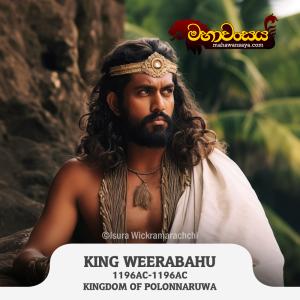
King Weerabahu I
1196 AC-1196 AC
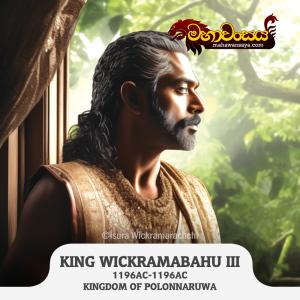
King Wickramabahu III
1196 AC-1196 AC
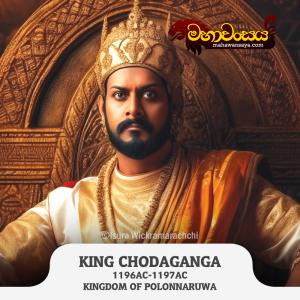
King Chodaganga
1196 AC-1197 AC
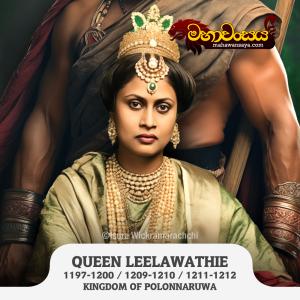
Queen Leelawathie
1197 AC-1200 AC
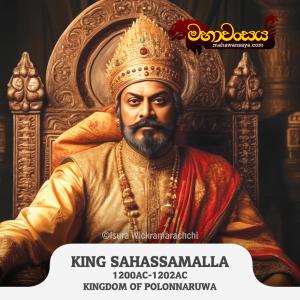
King Sahasamalla
1200 AC-1202 AC
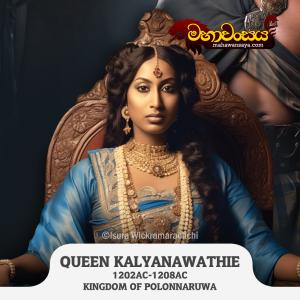
Queen Kalyanawathie
1202 AC-1208 AC
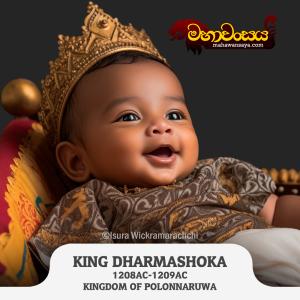
King Dharmasoka
1208 AC-1209 AC
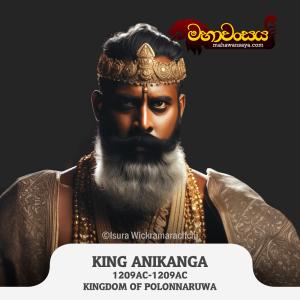
King Anikanga
1209 AC-1209 AC
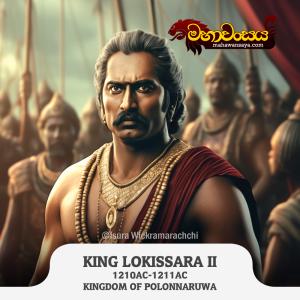
King Lokissara ii
1210 AC-1211 AC
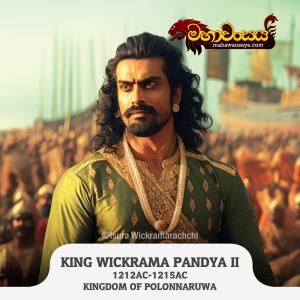
King Parakrama Pandu II
1212 AC-1215 AC
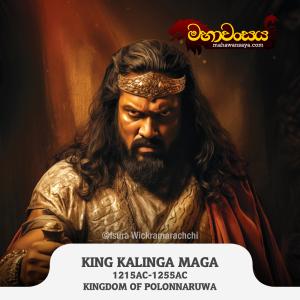
King Kalinga Magha
1215 AC-1255 AC
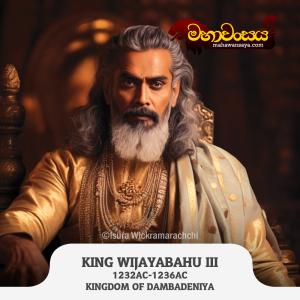
King Vijayabahu III
1232 AC-1236 AC
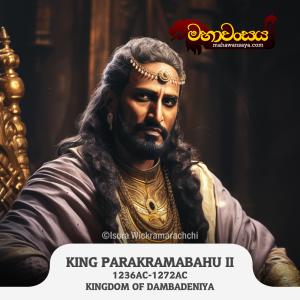
King Parakramabahu II
1236 AC-1272 AC
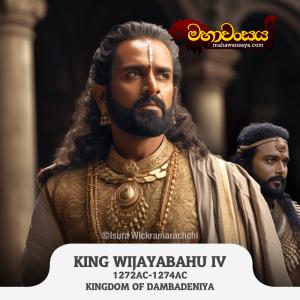
King Vijayabahu IV
1272 AC-1274 AC
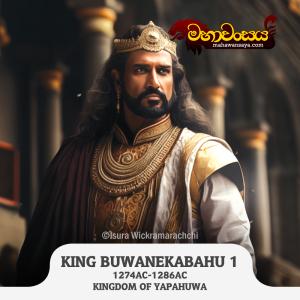
King Buvanekabahu I
1274 AC-1286 AC
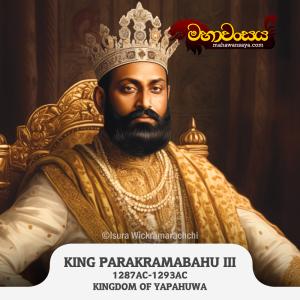
King Parakramabahu III
1287 AC-1293 AC
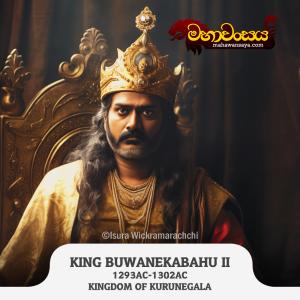
King Buvanekabahu II
1293 AC-1302 AC
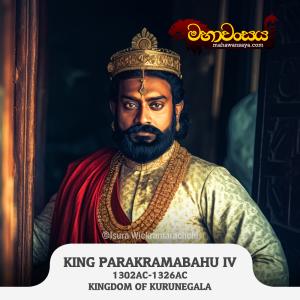
King Parakramabahu IV
1302 AC-1326 AC
-208.jpg)
King Buvanekabahu III (Vanni B
1326 AC-1335 AC
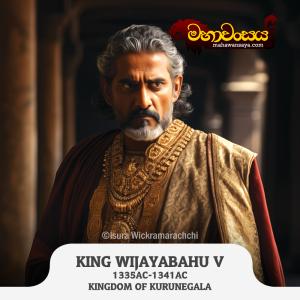
King Vijayabahu V
1335 AC-1341 AC
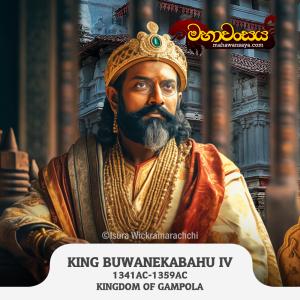
King Buvanekabahu IV
1341 AC-1359 AC
King Parakramabahu V
1344 AC-1359 AC
King Wickramabahu IV
1359 AC-1371 AC
King Buvanekabahu V
1371 AC-1407 AC
-544.jpg)
King Kumara Alakeshwara (Alake
1391 AC-1391 AC
King Weera Alakesvara
1397 AC-1411 AC
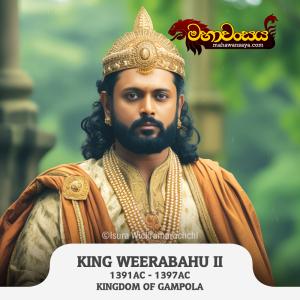
King Weerabahu II
1391 AC-1397 AC
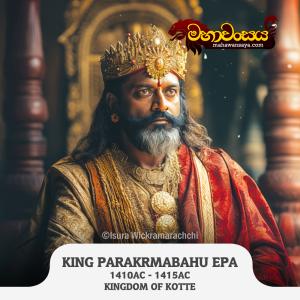
King Parakramabahu Epa
1410 AC-1415 AC
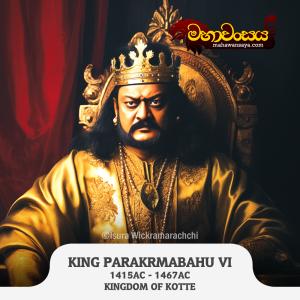
King Parakramabahu VI
1415 AC-1467 AC
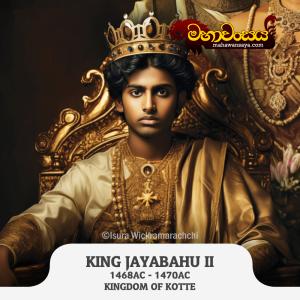
King Jayabahu II
1468 AC-1470 AC
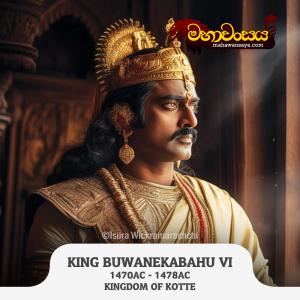
King Buvanekabahu VI
1470 AC-1478 AC
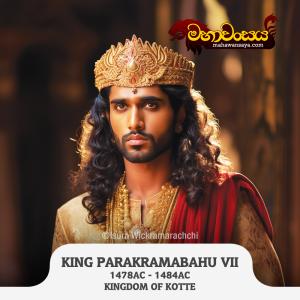
King Panditha Parakramabahu VI
1478 AC-1484 AC
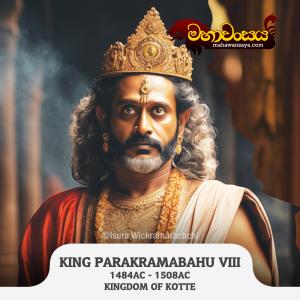
King Weera Parakramabahu VIII
1484 AC-1508 AC
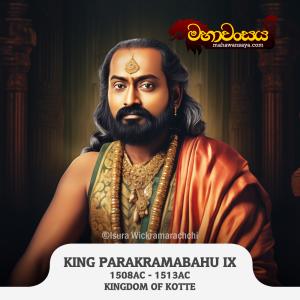
King Darma Parakramabahu IX
1508 AC-1513 AC
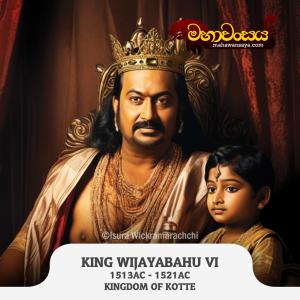
King Vijayabahu VI
1513 AC-1521 AC
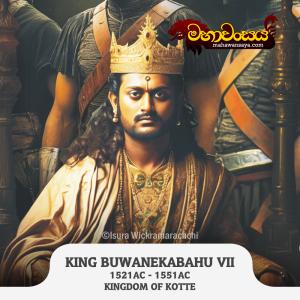
King Buvanekabahu VII
1521 AC-1551 AC
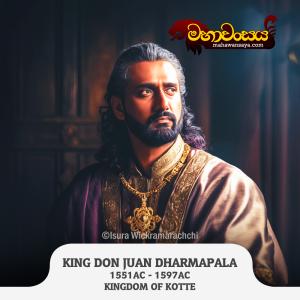
King Don Juwan Dharmapala
1551 AC-1597 AC
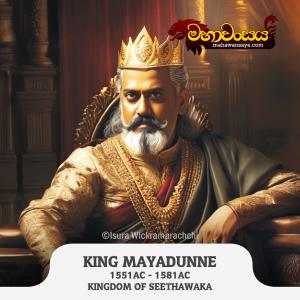
King Mayadunne
1551 AC-1581 AC
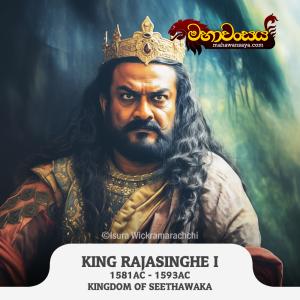
King Rajasinha I
1581 AC-1593 AC
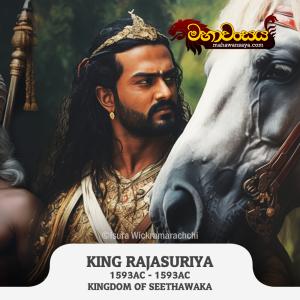
King Rajasooriya
1593 AC-1593 AC
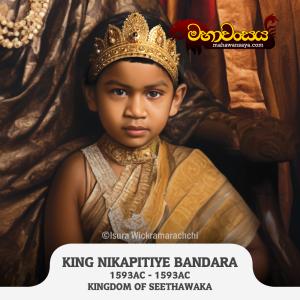
King Nikapitiye Bandara
1593 AC-1593 AC
King Wimaladharmasuriya I
1591 AC-1604 AC
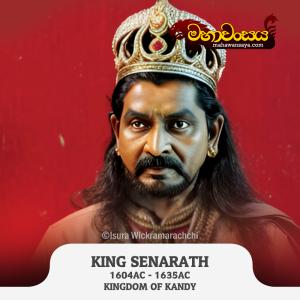
King Senarat
1604 AC-1635 AC
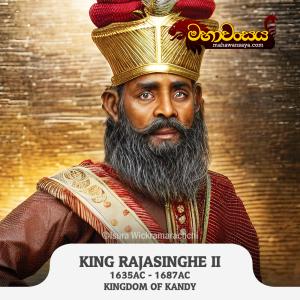
King Rajasinha II
1635 AC-1687 AC
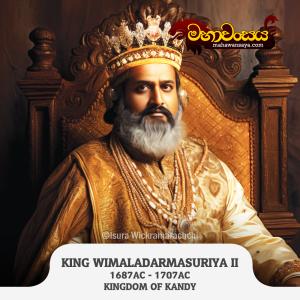
King Wimaladharmasuriya II
1687 AC-1707 AC
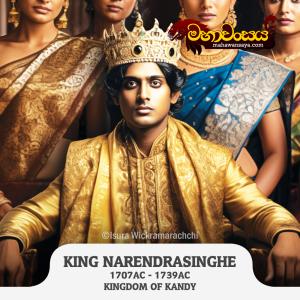
King Sri Weera Parakrama Naren
1707 AC-1739 AC
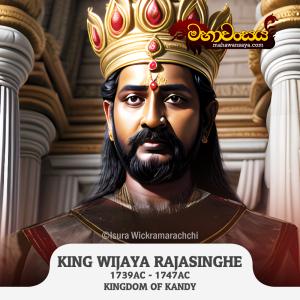
King Sri Wijaya Rajasingha
1739 AC-1747 AC
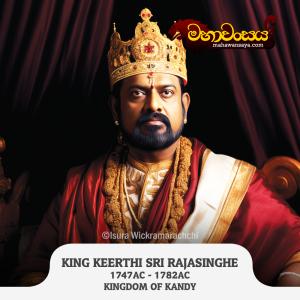
King Keerthi Sri Rajasingha
1747 AC-1782 AC
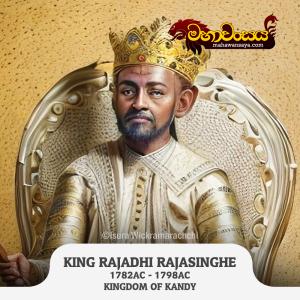
King Rajadhi Rajasinha
1782 AC-1798 AC
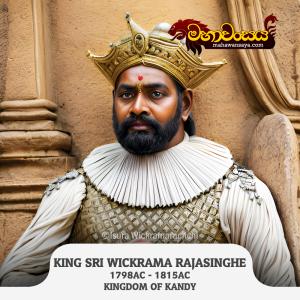
King Sri Wikrama Rajasinha
1798 AC-1815 AC

Pedro Lopes de Sousa
1594 AC-1594 AC
Joao da Silveira
1518 AC-1518 AC
Lopo de Brito
1518 AC-1522 AC
Fernao Gomes de Lemos
1522 AC-1524 AC
Joao Henriques
1551 AC-1552 AC
Diogo de Melo Coutinho
1552 AC-1552 AC
Duarte de Eca
1552 AC-1553 AC
Fernao Carvalho
1553 AC-1555 AC

Willem Jacobszoon Coster
1640 AC-1640 AC
Jan Thyszoon Payart
1640 AC-1646 AC
After King Udaya, the throne was taken by his brother, Crown Prince Kashyapa. He was the one known by that name and was the fourth in line. From inscriptions, it is evident that his coronation name was Sirisagabo. King Kashyapa entrusted the crown princehood to Kashyapa Kumara, the son of the second Sena king, and gave him control over the southern region. The princess Tissa, the daughter of this Crown Prince Kashyapa, performed the coronation ceremony in the capacity of a chief queen. In addition, inscriptions reveal that he had another consort named Degoth.
A significant political event occurred during King Kashyapa’s reign. As seen in the previous chapter, during the time when the second King Udaya had captured Kittu Agbo and installed him as ruler of the Rohana region, Prince Mahinda had prepared to revolt against King Kashyapa. Perhaps he was dissatisfied with the governance in Ruhuna. Professor Senarath Paranavithana notes that Mahinda Kumara had his eyes on the Anuradhapura kingdom. By that time, Prince Mahinda had established good governance in Rohana, organized an army, and held power firmly. Therefore, it is not surprising that he acted with considerable confidence. He came to the battlefield with an army to take control of the Anuradhapura kingdom.
King Kashyapa sent forces to fight him, but Mahinda Kumara was victorious. This further strengthened Mahinda Kumara and increased his ambitions. However, King Kashyapa planned a strategy to undermine him. Crown Prince Kashyapa, who was the father of Prince Mahinda, intervened to rescue him from his reckless action. He persuaded Prince Mahinda to abandon his plans by explaining matters in various ways. After this, Prince Mahinda returned once again to Rohana. As a result, a major potential disaster was averted. The Mahavamsa mentions that later Prince Mahinda killed several Mandalikas, though no reason is provided. It is possible that after Mahinda Kumara went to battle against King Kashyapa, he realized he would not receive support from the king, and the Mandalikas were ready to assert independence. Otherwise, they would have sided with King Kashyapa against the war. Thus, it can be assumed that Prince Mahinda killed several Mandalikas to assert his power. Yet, because the local people had risen angrily and powerfully, his only option was to flee from Rohana.
Since he had fought against his uncle, King Kashyapa, Prince Mahinda did not have the courage to approach him directly. At this time, monks intervened to create a peaceful environment between the two sides. They brought Prince Mahinda to the king and reconciled the parties. King Kashyapa, ignoring the loss caused by Mahinda, received him, gave him his daughter in marriage, and sent him back to Rohana. Indeed, this act of King Kashyapa was exemplary, reflecting the king’s greatness, because a major conflict was resolved through wisdom.
Prince Mahinda was to go to Rohana with an army, though the Mahavamsa does not mention this. After going to Rohana, there appears to have been no further dispute.
The people of Rohana recognized his authority. An inscription found near Tissamaharama at Mailagastota mentions a person named Appa Mihindu. Mr. Wikramasinghe identifies him as the fourth King Mihindu, though Professor Senarath Paranavithana notes that Appa Mihindu in the inscription is not the fourth Mihindu. The inscription states that the mother of Appa Mihindu was Sangon Bisoragini, whereas the mother of the fourth King Mahinda was Devigon. Therefore, the Appa Mihindu mentioned here refers to Prince Mahinda, who initially went against the fourth King Kashyapa but was later reconciled by the intervention of monks, according to Professor Paranavithana.
Thus, it is evident that he governed Ruhuna under the king’s command and undertook various development activities there. The inscription mentions granting land to villages for the construction of the revered Udatisi site.
The inscription does not mention whether the gift was notified to or approved by the king. If an official acted on behalf of the king, evidence suggests the king would have been informed. This shows that the Adhipadha governing Rohana had authority over land grants within his jurisdiction. King Kashyapa carried out many religious activities, such as constructing viharas, granting land, and renovating damaged monasteries. He built hospitals in both Anuradhapura and Polonnaruwa. Granting protection to all animals was also a notable act of this king.
According to the Mahavamsa, when considering the administrative activities of each king, it is clear that this king prioritized them highly. However, comparing the religious acts of the fourth King Kashyapa with his officials, it appears that his officials were ahead of the king in some respects. The royal officer Ilangaseṇa, born during the dynasty, built many viharas and granted lands, performing important religious duties, according to the Mahavamsa. He seems to have been more partial than the Dharmaruchi monks. Nevertheless, he also paid attention to other monasteries.
The Raksha Ametiya, Mahā Lekam Sēna, and Chola Raja Ametiya are recorded in the chronicles as having constructed Buddhist monasteries. The last-mentioned Ametiya seems to have been Tamil. This shows that Tamils, as Buddhists and followers of the Dhamma, were integrated into the society. These officials were powerful as wealthy elites. Several inscriptions from the period of King Kashyapa have been found across the island. One was discovered in Kantharōda, Jaffna, an ancient shrine site with various types of pious platforms. The inscription found here is a fragment, not a complete record.
The stupas and inscriptions at this location have been destroyed. In Ruhuna, the ruler Danav Malamadu granted lands to the Abhayagiri Vihara, according to the inscription. In Jaffna, much information has been lost due to damage to inscriptions. A fragment found at Kandurugoda Vihara had an inscription in Brahmi script, dating the origin of the site to the 3rd century BCE. Based on the above, the king mentioned in the inscription is identified as the fourth Kashyapa.
Another inscription was found in Horana, Kalutara region, at a place called Nuduru Welmilla, relating to a land grant. Further information about the king is included here. Another inscription was discovered at Mailagastota in Ruhuna, as previously mentioned. An important inscription was also found in Mannar, detailing grants to Nā Vihara and Raka Vihara. It mentions various state officials, identifying a special office called Mahaputuladda, who administered the Mahatiththavara there.
Although some inscriptions mention that the king was the brother of King Udaya, there is no mention of his father, Adhipadha Kashyapa, which raises questions. From the distribution of these documents, it is evident that the king’s commands were properly recognized across the island, from the far north to the south and west. During King Kashyapa’s reign, the country experienced major development. Many religious activities were performed by the king and officials due to this authority. The peaceful conditions throughout the country further confirm this. It appears that this state of affairs lasted for the entirety of the king’s reign, spanning around eleven years.