116
King Sena II
Kingdom of Anuradhapura
853 AC - 887 AC
853 AC - 887 AC

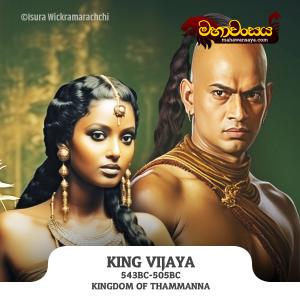
King Vijaya
543 BC-505 BC
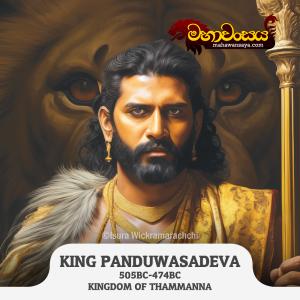
King Panduvasdeva
504 BC-474 BC
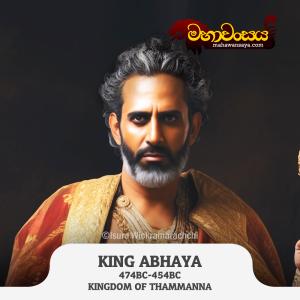
King Abhaya
474 BC-454 BC
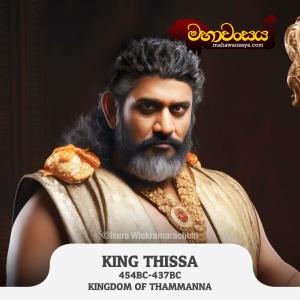
King Tissa
454 BC-437 BC
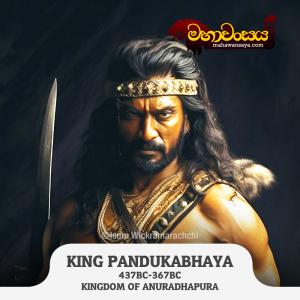
King Pandukabhaya
437 BC-367 BC
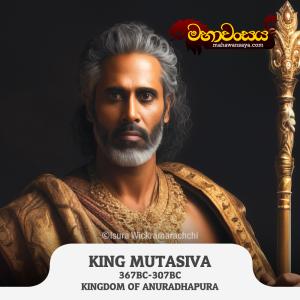
King Mutasiva
367 BC-307 BC
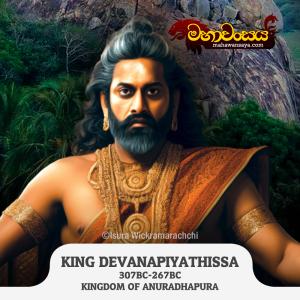
King Devanampiya Tissa
307 BC-267 BC
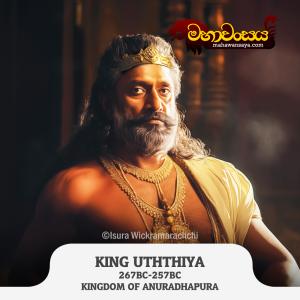
King Uttiya
267 BC-257 BC
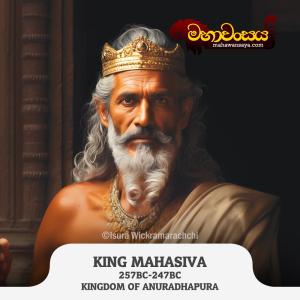
King Mahasiva
257 BC-247 BC
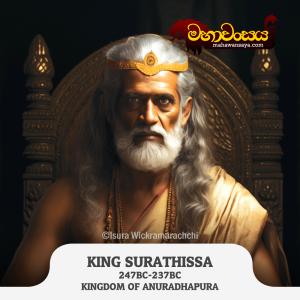
King Suratissa
247 BC-237 BC
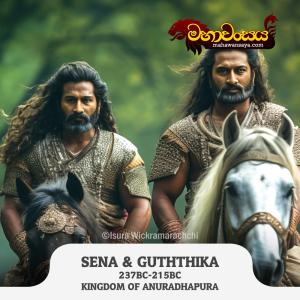
Sena and Guttika
237 BC-215 BC
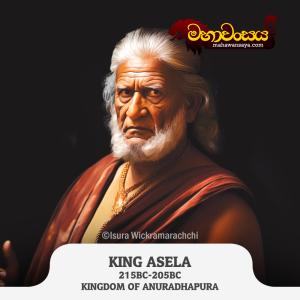
King Asela
215 BC-205 BC
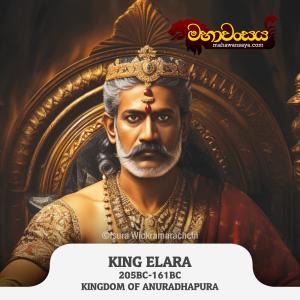
King Elara
205 BC-161 BC
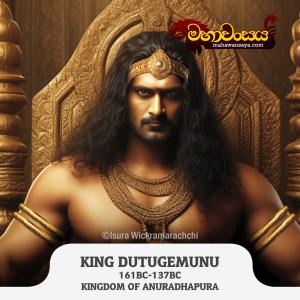
King Dutugemunu
161 BC-137 BC
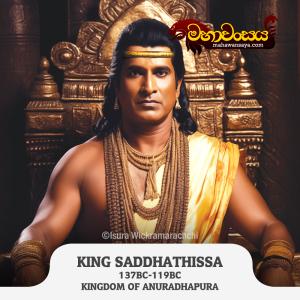
King Saddha Tissa
137 BC-119 BC
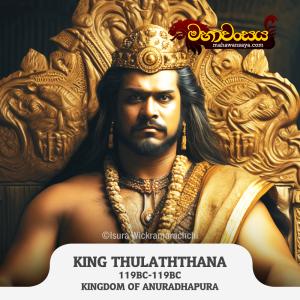
King Thulatthana
119 BC-119 BC
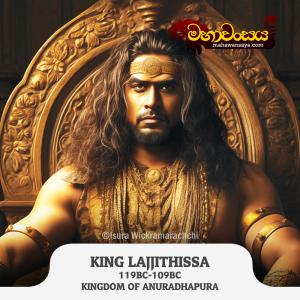
King Lajjithissa
119 BC-109 BC
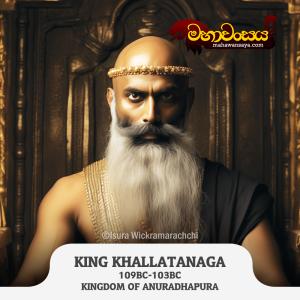
King Khallata Naga
109 BC-103 BC
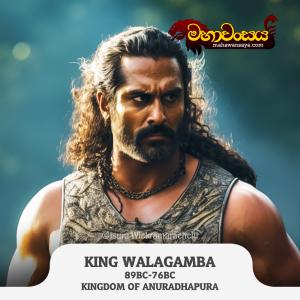
King Walagamba
89 BC-76 BC
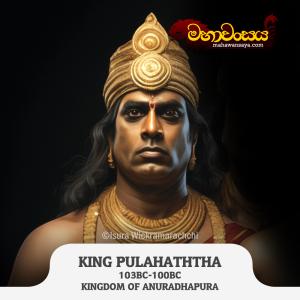
King Pulahaththa
103 BC-100 BC
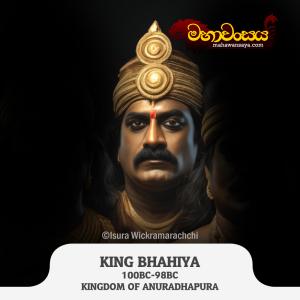
King Bhahiya
100 BC-98 BC
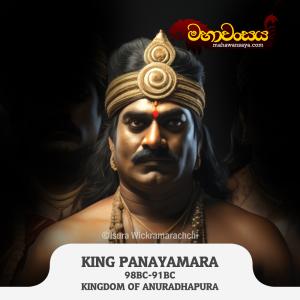
King Panayamara
98 BC-91 BC
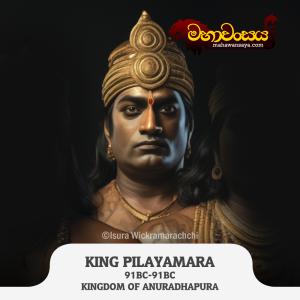
King Piliyamara
91 BC-91 BC
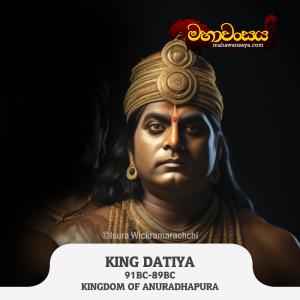
King Dathiya
91 BC-89 BC
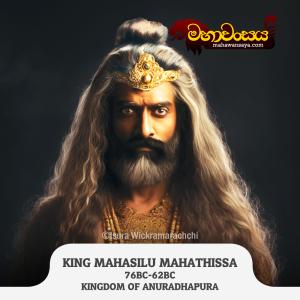
King Mahachulikamahathissa
76 BC-62 BC
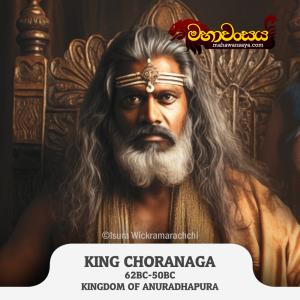
King Choranaga
62 BC-50 BC
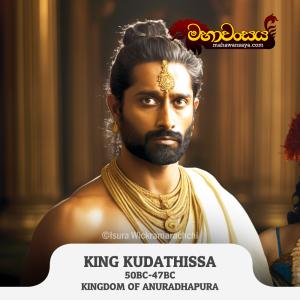
King Kuda Thissa
50 BC-47 BC
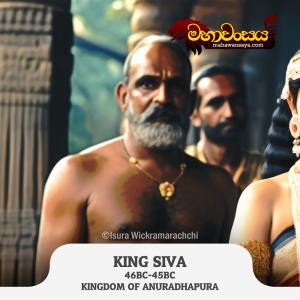
King Siva I
47 BC-45 BC
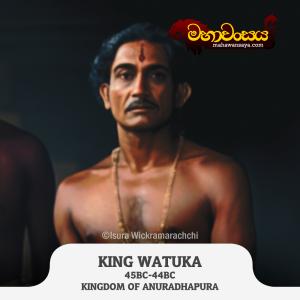
King Vatuka
45 BC-44 BC
King Darubhatika Tissa
44 BC-43 BC
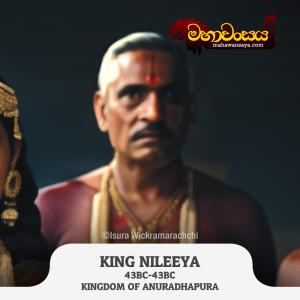
King Neeliya
43 BC-43 BC
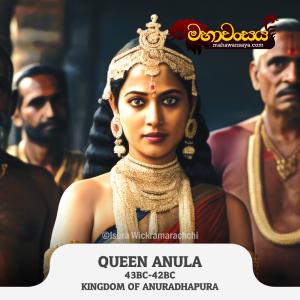
Queen Anula
43 BC-42 BC
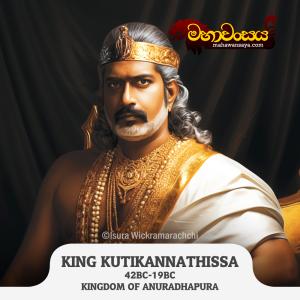
King Kutikanna Tissa
42 BC-19 BC
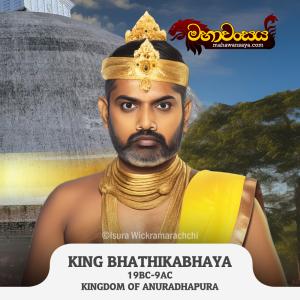
King Bhathikabhaya
19 BC-9 AC
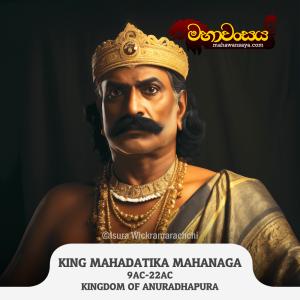
King Mahadatika Mahanaga
9 AC-22 AC
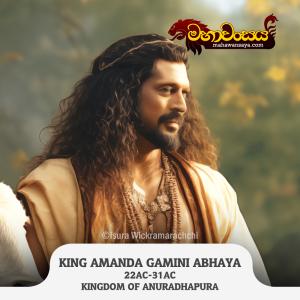
King Amandagamani Abhaya
22 AC-31 AC
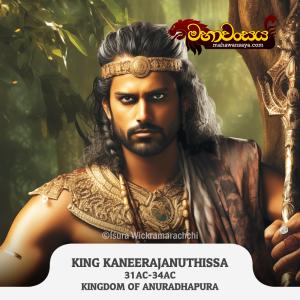
King Kanirajanu Tissa
31 AC-34 AC
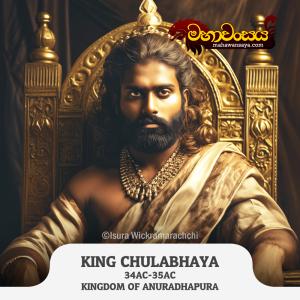
King Chulabhaya
34 AC-35 AC
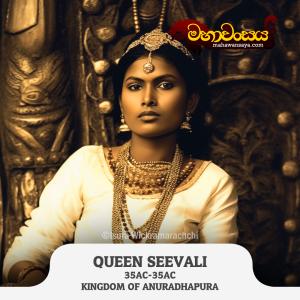
Queen Seevali
35 AC-35 AC
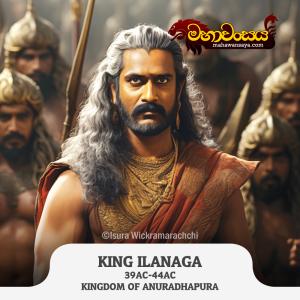
King Ilanaga
39 AC-44 AC
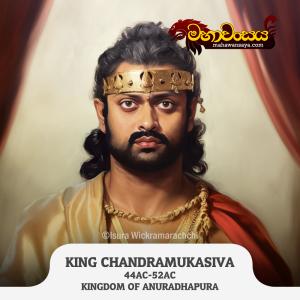
King Chandra Mukha Siva
44 AC-52 AC
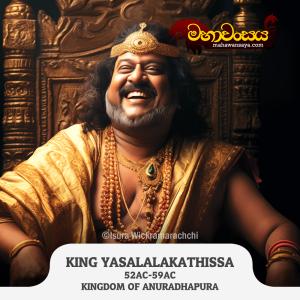
King Yassalalaka Thissa
52 AC-59 AC
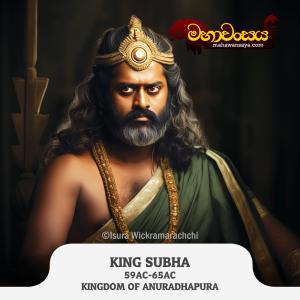
King Subha
59 AC-65 AC
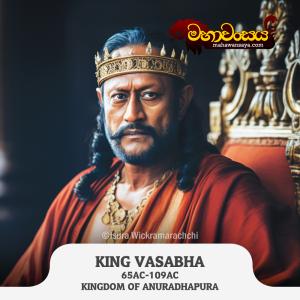
King Vasabha
65 AC-109 AC
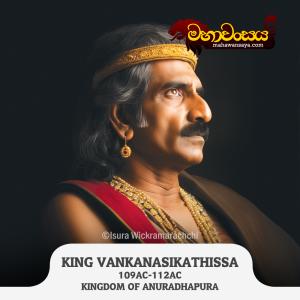
King Vankanasika Tissa
109 AC-112 AC
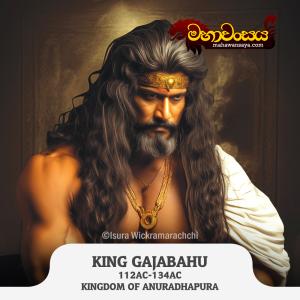
King Gajabahu I
112 AC-134 AC
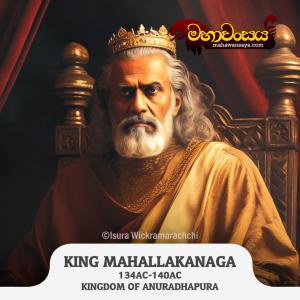
King Mahallaka Naga
134 AC-140 AC
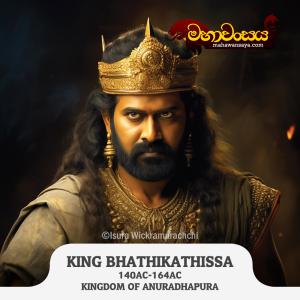
King Bhathika Thissa
140 AC-164 AC
King Kanitta Tissa
164 AC-192 AC
King Kujjanaga
192 AC-194 AC
King Kudda Naga
194 AC-195 AC
King Sirinaga I
195 AC-214 AC
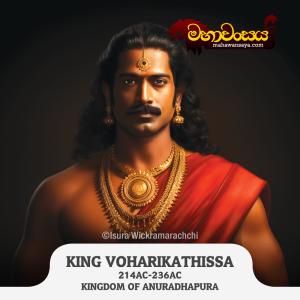
King Voharika Tissa
214 AC-236 AC
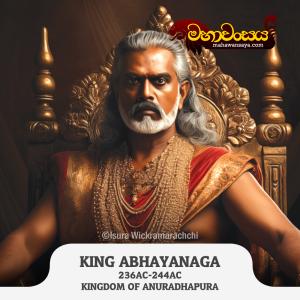
King Abhaya Naga
236 AC-244 AC
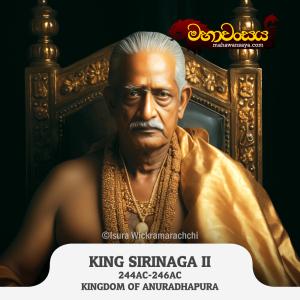
King Sirinaga II
244 AC-246 AC
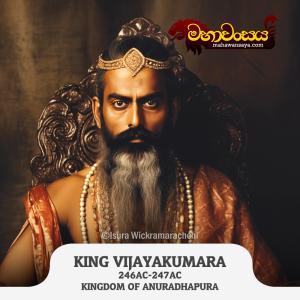
King Vijaya Kumara
246 AC-247 AC
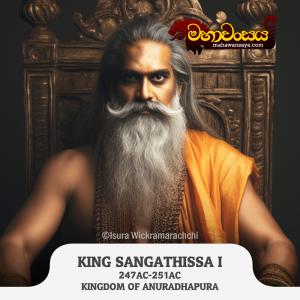
King Sangha Tissa I
247 AC-251 AC
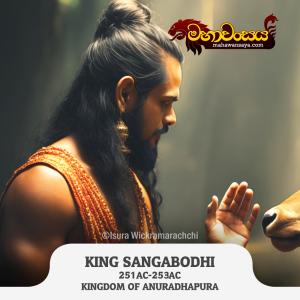
King Siri Sangha Bodhi I
251 AC-253 AC
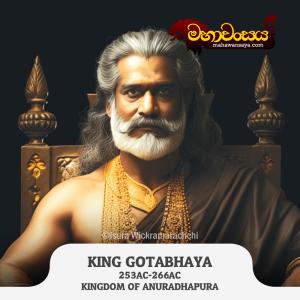
King Gotabhaya
253 AC-266 AC
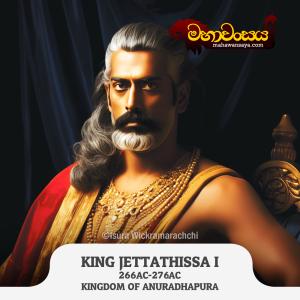
King Jetta Tissa I
266 AC-276 AC
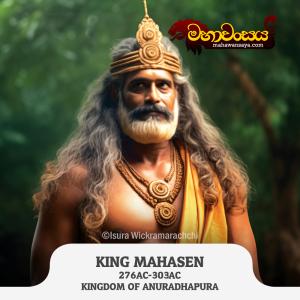
King Mahasen
276 AC-303 AC
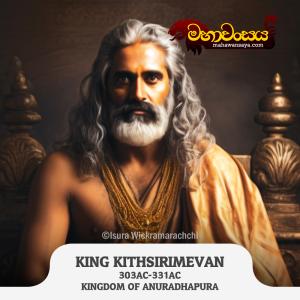
King Kithsirimewan
303 AC-331 AC
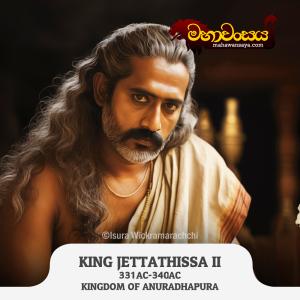
King Jetta Tissa II
331 AC-340 AC
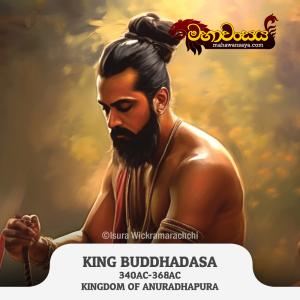
King Buddhadasa
340 AC-368 AC
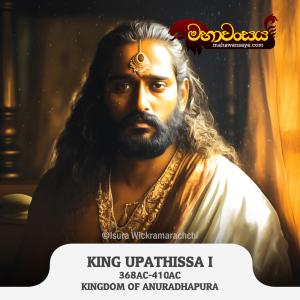
King Upatissa I
368 AC-410 AC
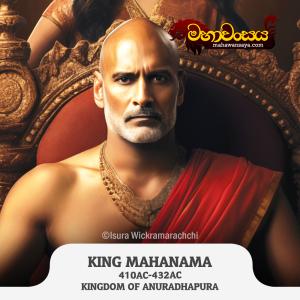
King Mahanama
410 AC-432 AC
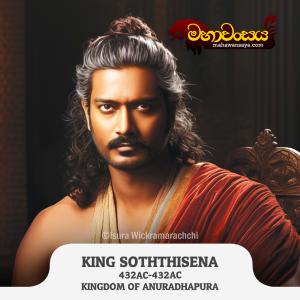
King Soththisena
432 AC-432 AC
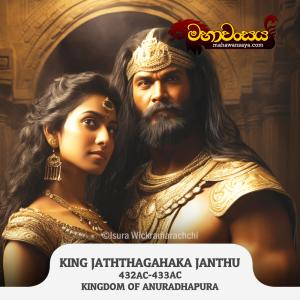
King Jaththagahaka Janthu
432 AC-433 AC
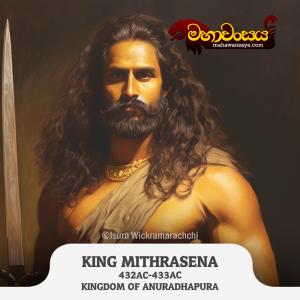
King Miththasena
432 AC-433 AC
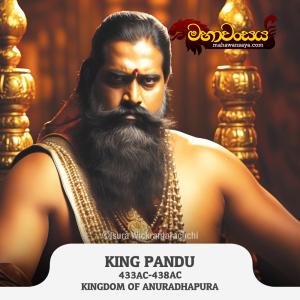
King Pandu
433 AC-438 AC
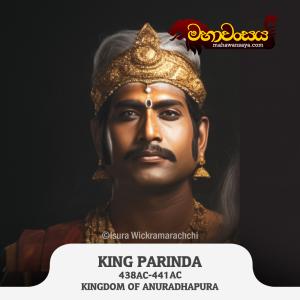
King Parinda
438 AC-441 AC
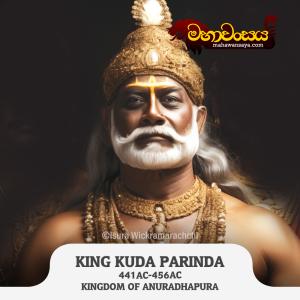
King Kuda Parinda
441 AC-456 AC
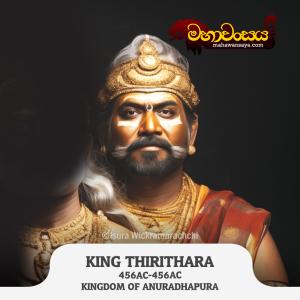
King Thirithara
456 AC-456 AC
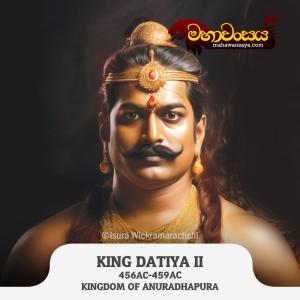
King Datiya II
456 AC-459 AC
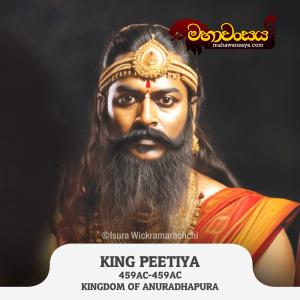
King Peetiya
459 AC-459 AC
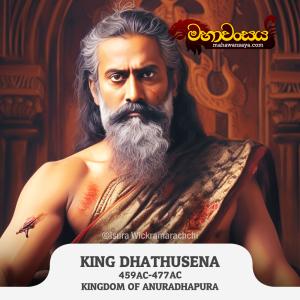
King Dhathusena
459 AC-477 AC
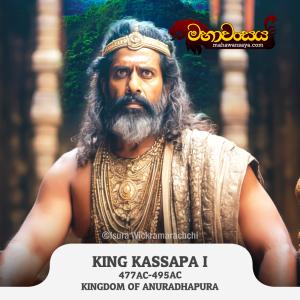
King Kassapa I
477 AC-495 AC
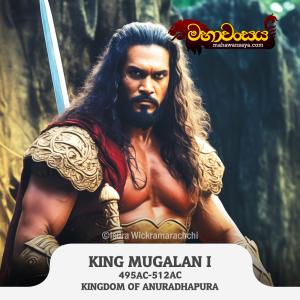
King Mugalan I
495 AC-512 AC
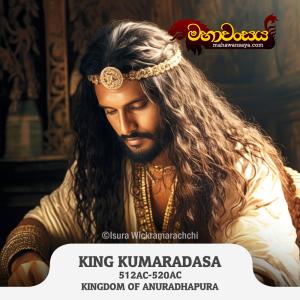
King Kumaradasa
512 AC-520 AC
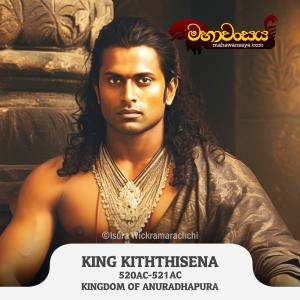
King Kiththisena
520 AC-521 AC
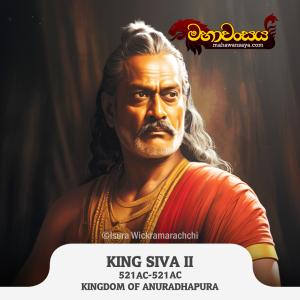
King Siva II
521 AC-521 AC
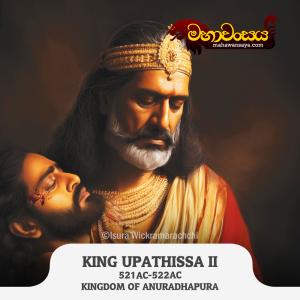
King Upatissa II
521 AC-522 AC
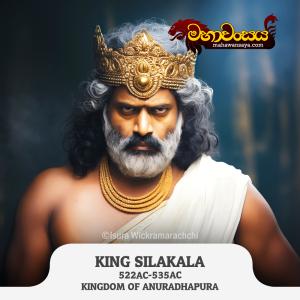
King Silakala
522 AC-535 AC
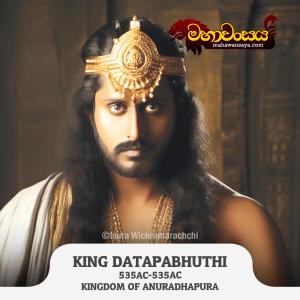
King Datappabhuthi
535 AC-535 AC
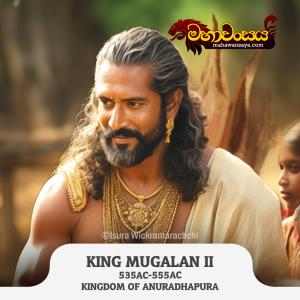
King Mugalan II
535 AC-555 AC
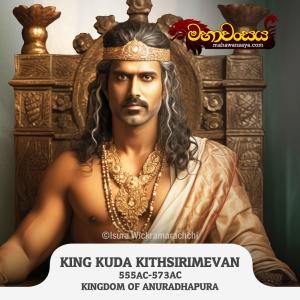
King Kiththisirimegha
555 AC-573 AC
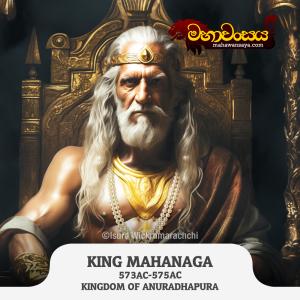
King Mahanaga
573 AC-575 AC
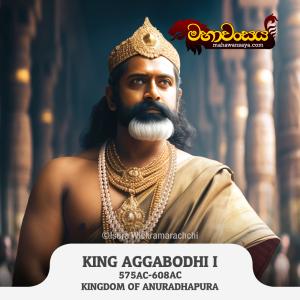
King Aggabodhi I
575 AC-608 AC
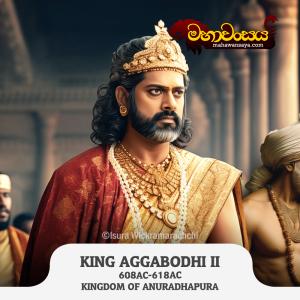
King Aggabodhi II
608 AC-618 AC
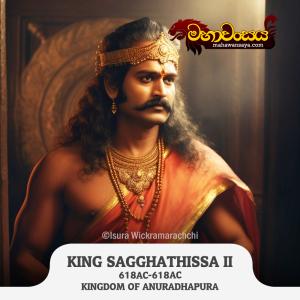
King Sangha Tissa II
618 AC-618 AC
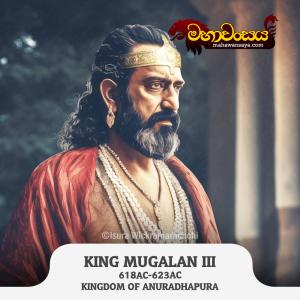
King Mugalan III
618 AC-623 AC
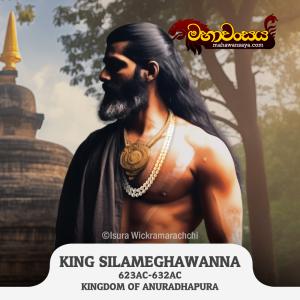
King Silameghavanna
623 AC-632 AC
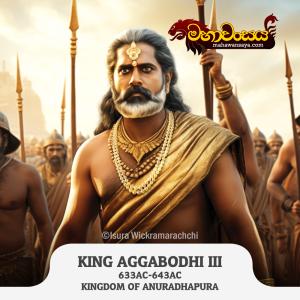
King Aggabodhi III
633 AC-643 AC
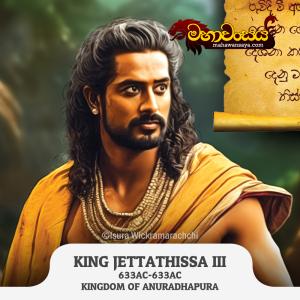
King Jetta Tissa III
633 AC-633 AC
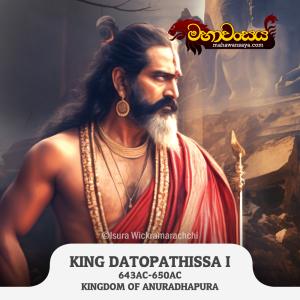
King Datopathissa i
643 AC-650 AC
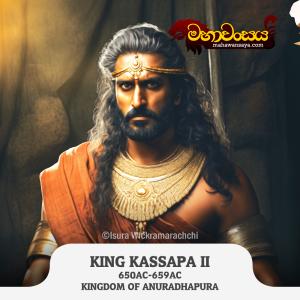
King Kassapa II
650 AC-659 AC
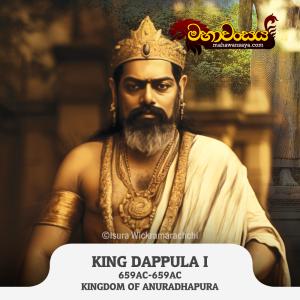
King Dappula I
659 AC-659 AC
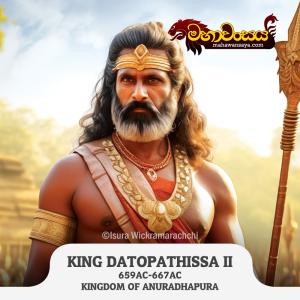
King Datopathissa II
659 AC-667 AC
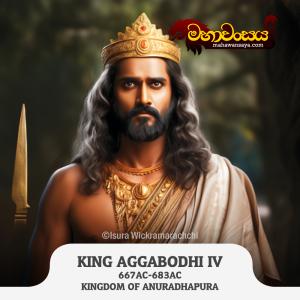
King Aggabodhi IV
667 AC-683 AC
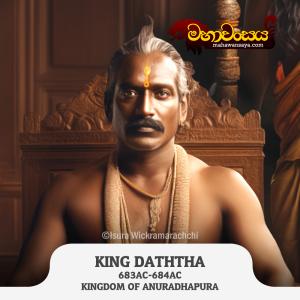
King Daththa
683 AC-684 AC
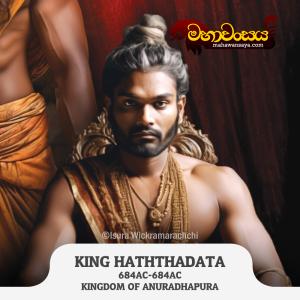
King Haththadata
684 AC-684 AC
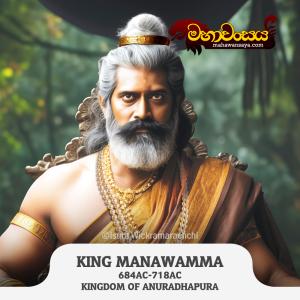
King Manavamma
684 AC-718 AC
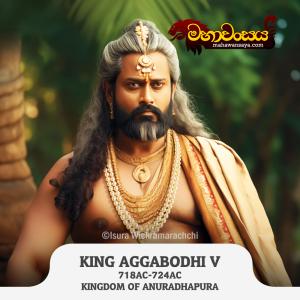
King Aggabodhi V
718 AC-724 AC
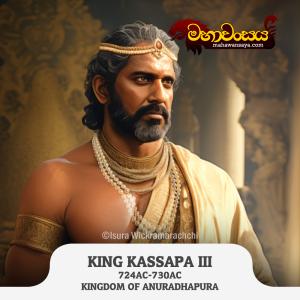
King Kassapa III
724 AC-730 AC
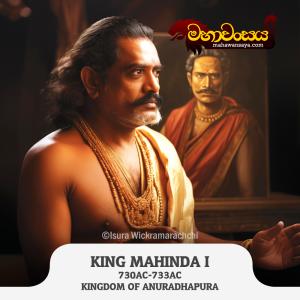
King Mahinda I
730 AC-733 AC
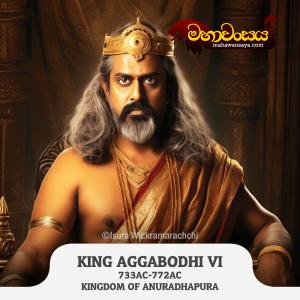
King Aggabodhi VI
733 AC-772 AC
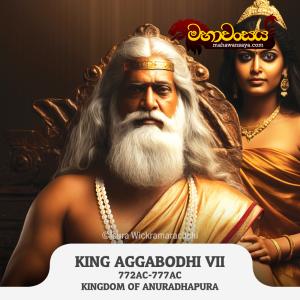
King Aggabodhi VII
772 AC-777 AC
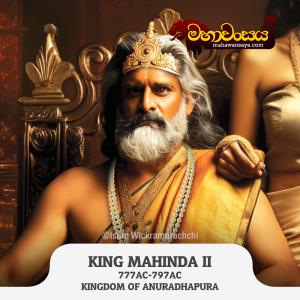
King Mahinda II
777 AC-797 AC
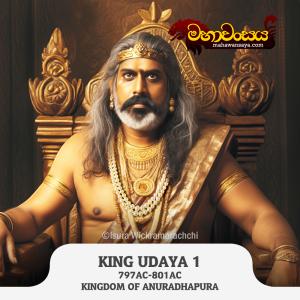
King Udaya I
797 AC-801 AC
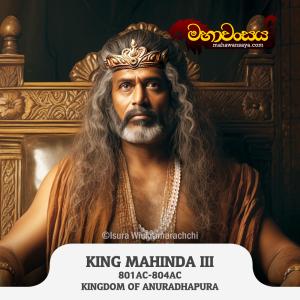
King Mahinda III
801 AC-804 AC
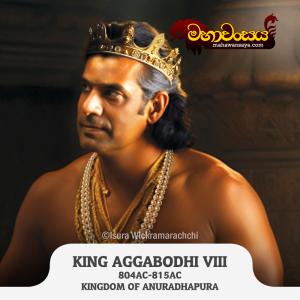
King Aggabodhi VIII
804 AC-815 AC
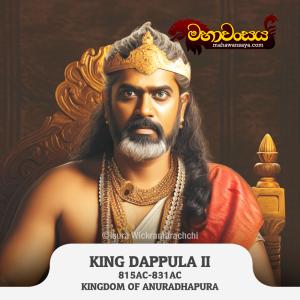
King Dappula II
815 AC-831 AC
King Aggabodhi IX
831 AC-833 AC
King Sena I
833 AC-853 AC
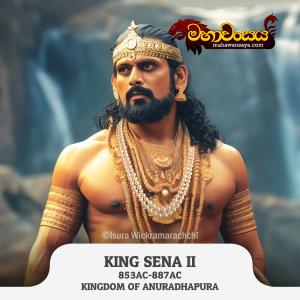
King Sena II
853 AC-887 AC
King Udaya II
887 AC-898 AC
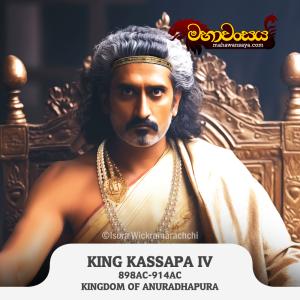
King Kassapa IV
898 AC-914 AC
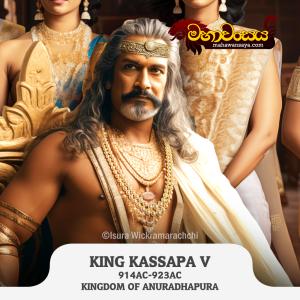
King Kassapa V
914 AC-923 AC
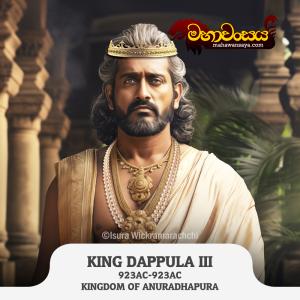
King Dappula III
923 AC-923 AC
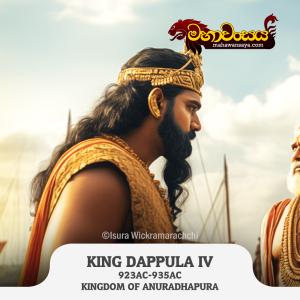
King Dappula IV
923 AC-935 AC
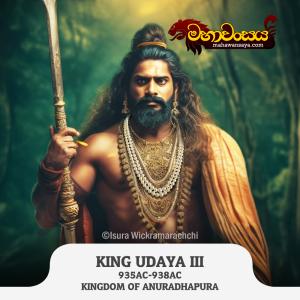
King Udaya III
935 AC-938 AC
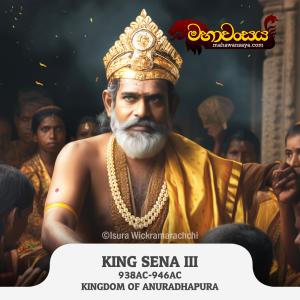
King Sena III
938 AC-946 AC
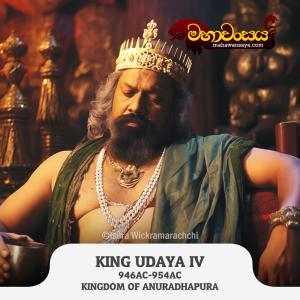
King Udaya IV
946 AC-954 AC
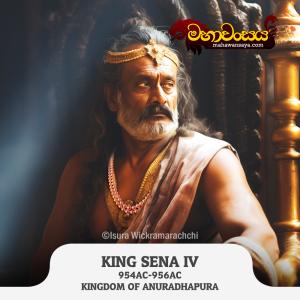
King Sena IV
954 AC-956 AC
King Mahinda IV
956 AC-972 AC
King Sena V
972 AC-982 AC
King Mahinda V
982 AC-1017 AC
Rajendra Chola I
1017 AC-1044 AC
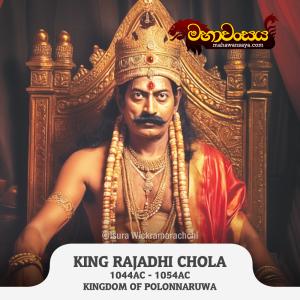
Rajadhiraja Chola
1044 AC-1054 AC
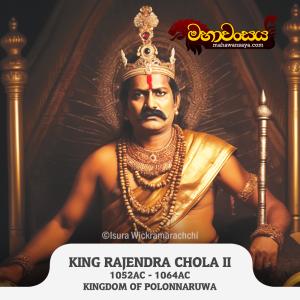
Rajendra Chola II
1052 AC-1064 AC
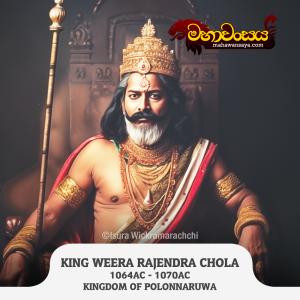
Virarajendra Chola
1064 AC-1070 AC
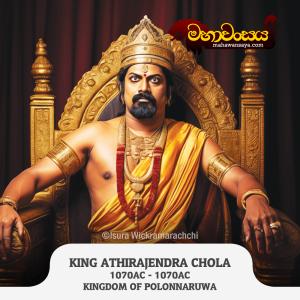
Athirajendra Chola
1070 AC-1070 AC
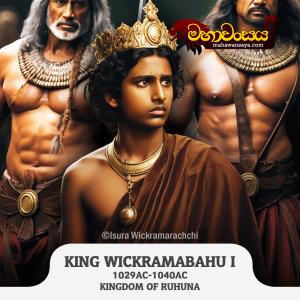
King Wickramabahu I
1029 AC-1040 AC
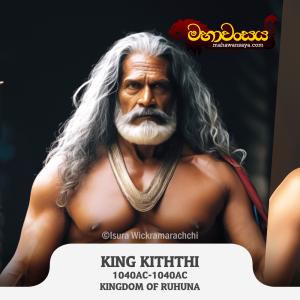
King General Keerthi
1040 AC-1040 AC
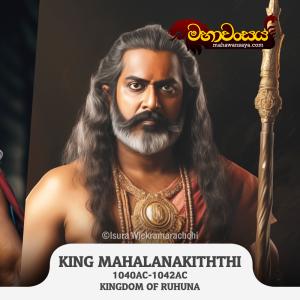
King Mahalana Kiththi
1040 AC-1042 AC
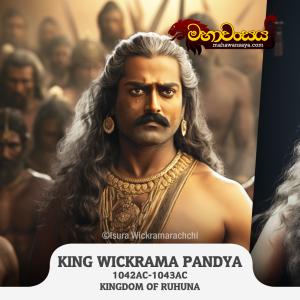
King Wickrama Pandu
1042 AC-1043 AC
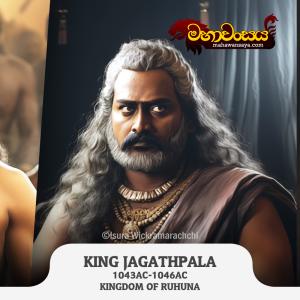
King Jagathpala
1043 AC-1046 AC
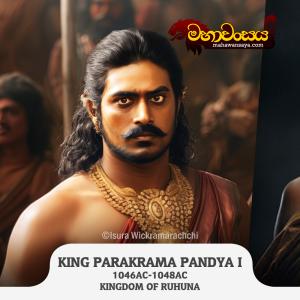
King Parakrama Pandu
1046 AC-1048 AC
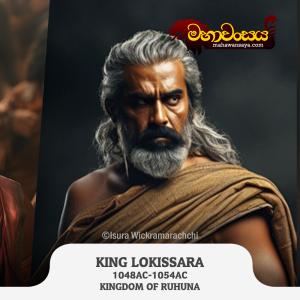
King Lokissara
1048 AC-1054 AC
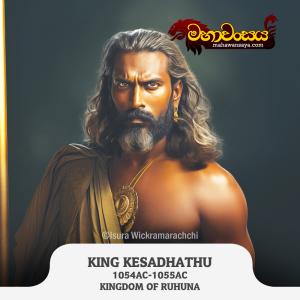
King Kesadhathu
1054 AC-1055 AC
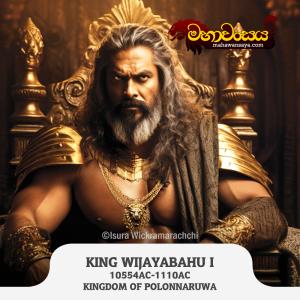
King Vijayabahu I
1055 AC-1110 AC
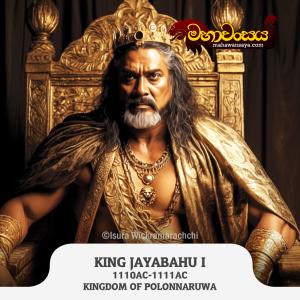
King Jayabahu I
1110 AC-1111 AC
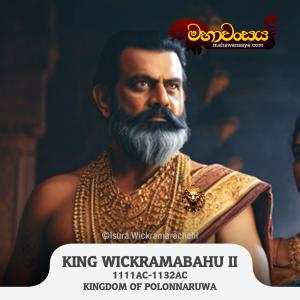
King Wickramabahu II
1111 AC-1132 AC
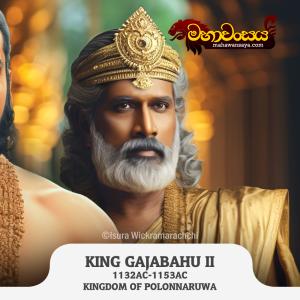
King Gajabahu II
1032 AC-1053 AC
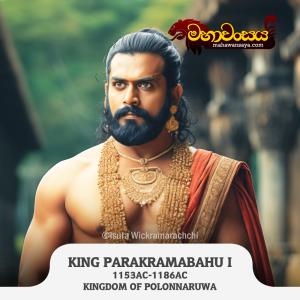
King Parakramabahu I
1053 AC-1086 AC
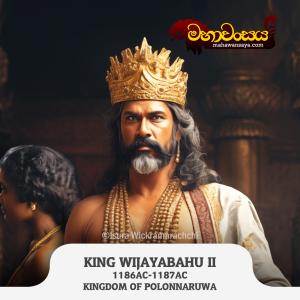
King Vijayabahu II
1186 AC-1187 AC
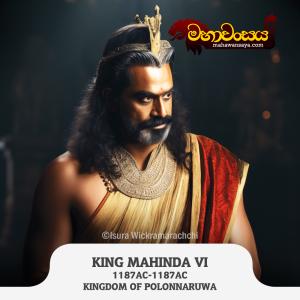
King Mahinda VI
1187 AC-1187 AC
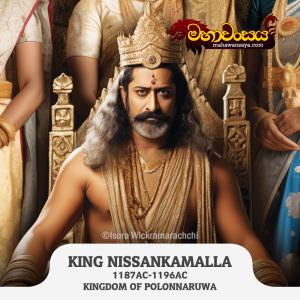
King Nissanka Malla
1187 AC-1196 AC
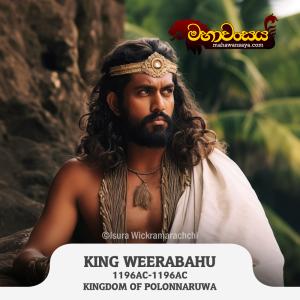
King Weerabahu I
1196 AC-1196 AC
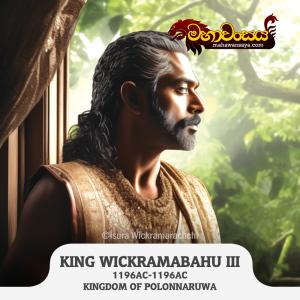
King Wickramabahu III
1196 AC-1196 AC
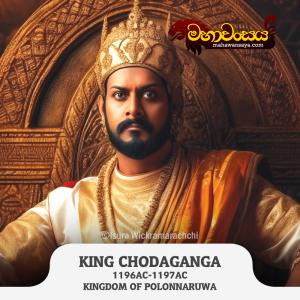
King Chodaganga
1196 AC-1197 AC
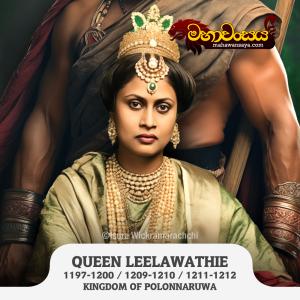
Queen Leelawathie
1197 AC-1200 AC
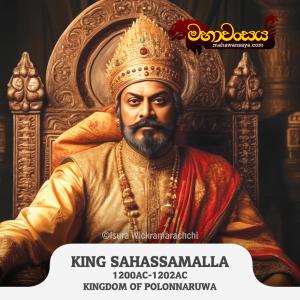
King Sahasamalla
1200 AC-1202 AC
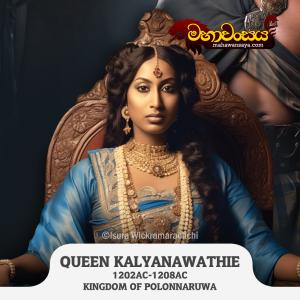
Queen Kalyanawathie
1202 AC-1208 AC
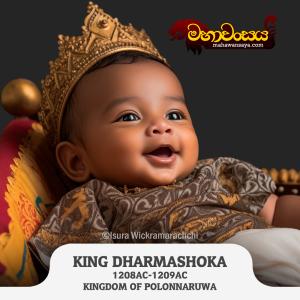
King Dharmasoka
1208 AC-1209 AC
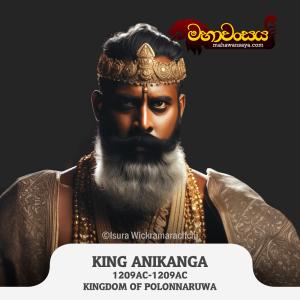
King Anikanga
1209 AC-1209 AC
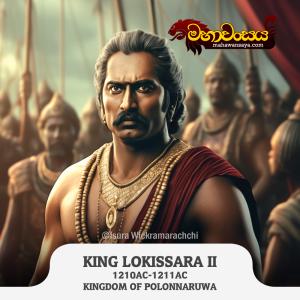
King Lokissara ii
1210 AC-1211 AC
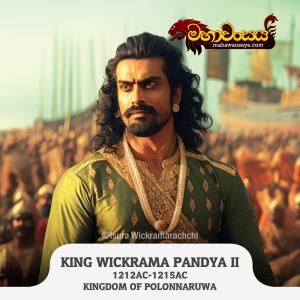
King Parakrama Pandu II
1212 AC-1215 AC
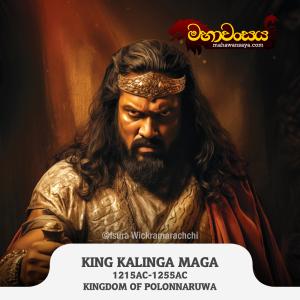
King Kalinga Magha
1215 AC-1255 AC
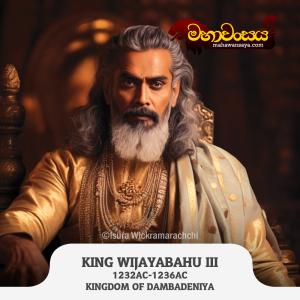
King Vijayabahu III
1232 AC-1236 AC
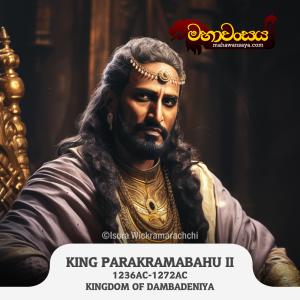
King Parakramabahu II
1236 AC-1272 AC
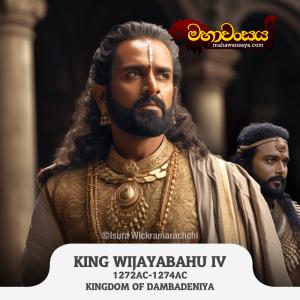
King Vijayabahu IV
1272 AC-1274 AC
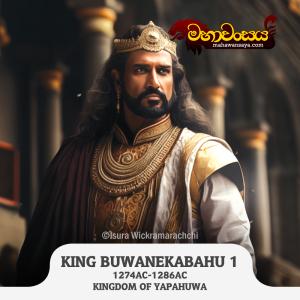
King Buvanekabahu I
1274 AC-1286 AC
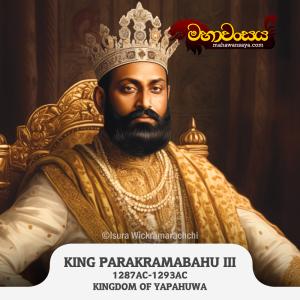
King Parakramabahu III
1287 AC-1293 AC
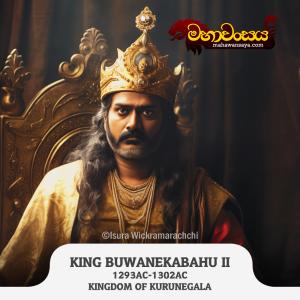
King Buvanekabahu II
1293 AC-1302 AC
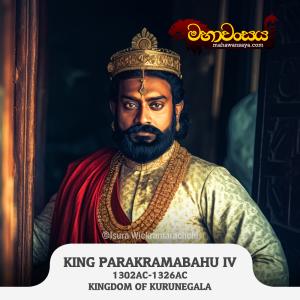
King Parakramabahu IV
1302 AC-1326 AC
-208.jpg)
King Buvanekabahu III (Vanni B
1326 AC-1335 AC
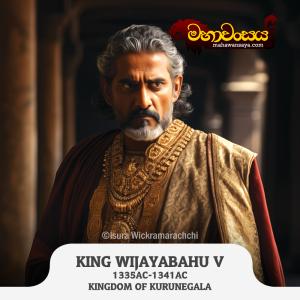
King Vijayabahu V
1335 AC-1341 AC
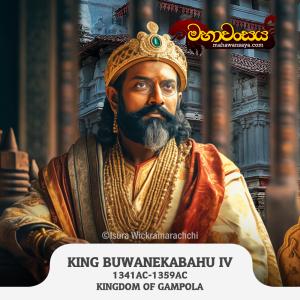
King Buvanekabahu IV
1341 AC-1359 AC
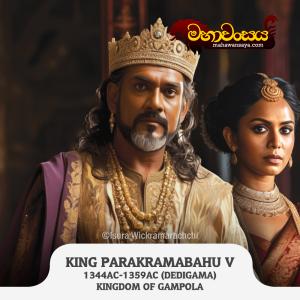
King Parakramabahu V
1344 AC-1359 AC
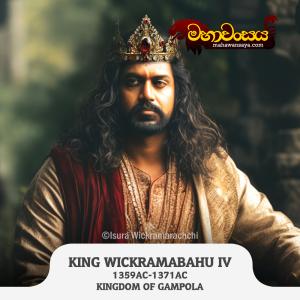
King Wickramabahu IV
1359 AC-1371 AC
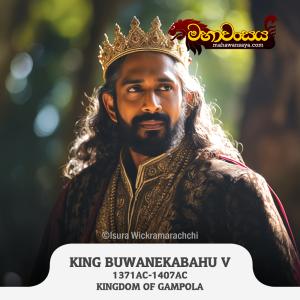
King Buvanekabahu V
1371 AC-1407 AC
-544.jpg)
King Kumara Alakeshwara (Alake
1391 AC-1391 AC
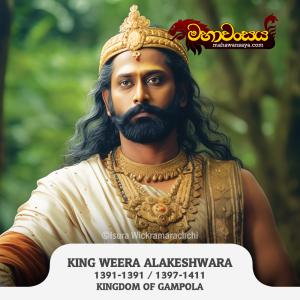
King Weera Alakesvara
1397 AC-1411 AC
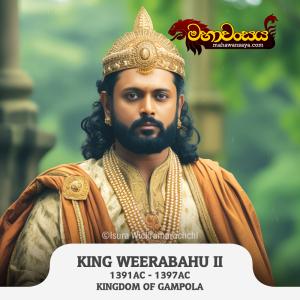
King Weerabahu II
1391 AC-1397 AC
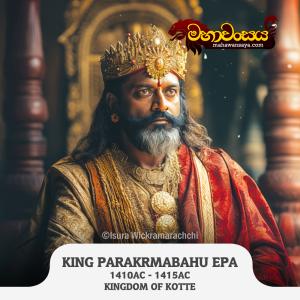
King Parakramabahu Epa
1410 AC-1415 AC
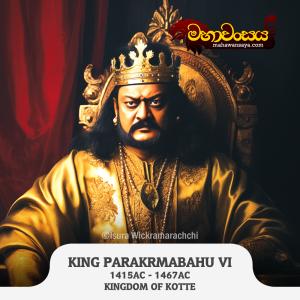
King Parakramabahu VI
1415 AC-1467 AC
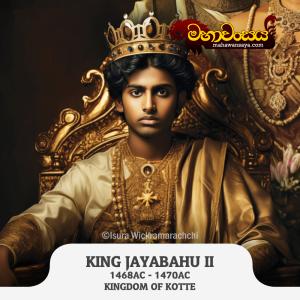
King Jayabahu II
1468 AC-1470 AC
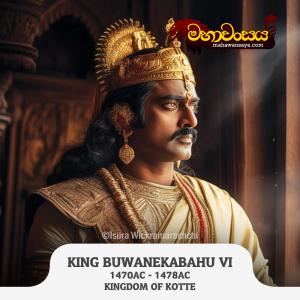
King Buvanekabahu VI
1470 AC-1478 AC
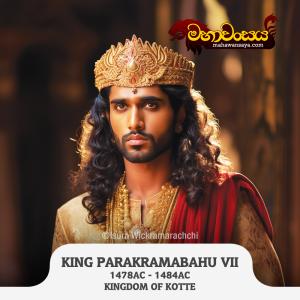
King Panditha Parakramabahu VI
1478 AC-1484 AC
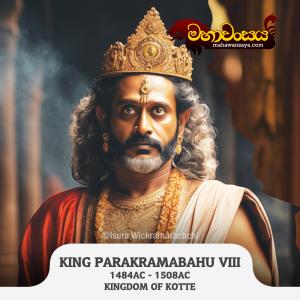
King Weera Parakramabahu VIII
1484 AC-1508 AC
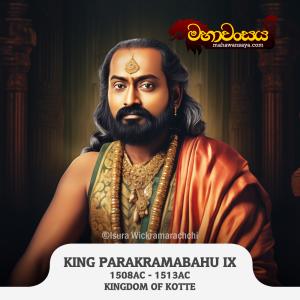
King Darma Parakramabahu IX
1508 AC-1513 AC
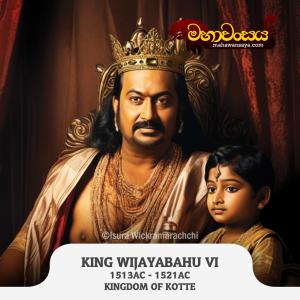
King Vijayabahu VI
1513 AC-1521 AC
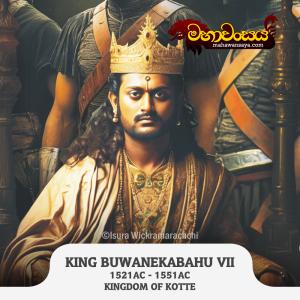
King Buvanekabahu VII
1521 AC-1551 AC
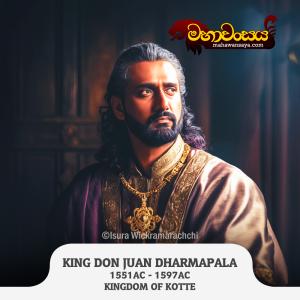
King Don Juwan Dharmapala
1551 AC-1597 AC
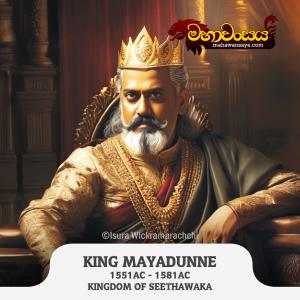
King Mayadunne
1551 AC-1581 AC
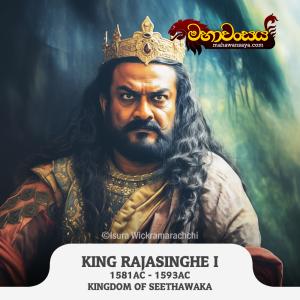
King Rajasinha I
1581 AC-1593 AC
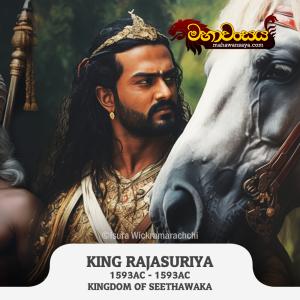
King Rajasooriya
1593 AC-1593 AC
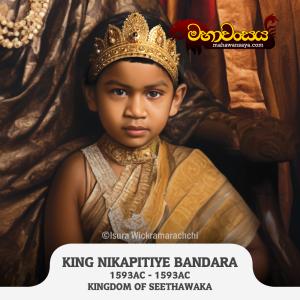
King Nikapitiye Bandara
1593 AC-1593 AC
King Wimaladharmasuriya I
1591 AC-1604 AC
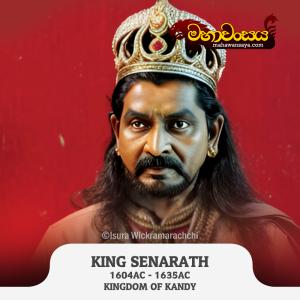
King Senarat
1604 AC-1635 AC
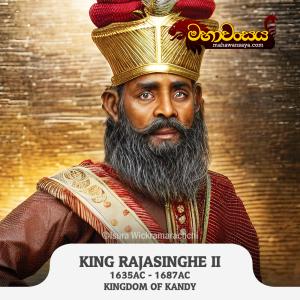
King Rajasinha II
1635 AC-1687 AC
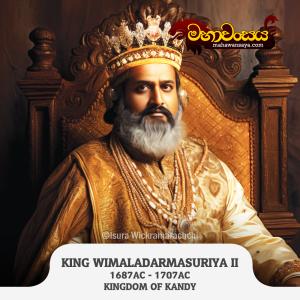
King Wimaladharmasuriya II
1687 AC-1707 AC
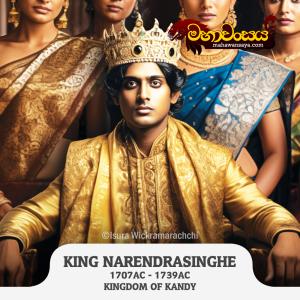
King Sri Weera Parakrama Naren
1707 AC-1739 AC
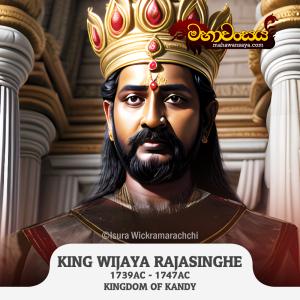
King Sri Wijaya Rajasingha
1739 AC-1747 AC
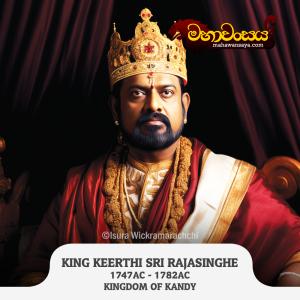
King Keerthi Sri Rajasingha
1747 AC-1782 AC
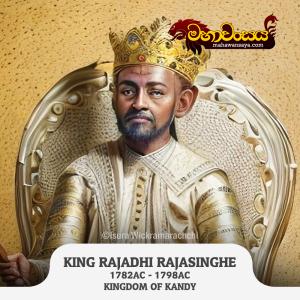
King Rajadhi Rajasinha
1782 AC-1798 AC
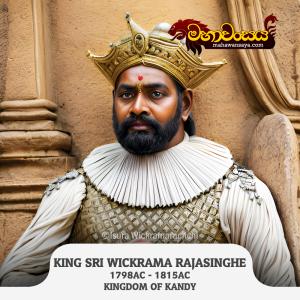
King Sri Wikrama Rajasinha
1798 AC-1815 AC

Pedro Lopes de Sousa
1594 AC-1594 AC
Joao da Silveira
1518 AC-1518 AC
Lopo de Brito
1518 AC-1522 AC
Fernao Gomes de Lemos
1522 AC-1524 AC
Joao Henriques
1551 AC-1552 AC
Diogo de Melo Coutinho
1552 AC-1552 AC
Duarte de Eca
1552 AC-1553 AC
Fernao Carvalho
1553 AC-1555 AC

Willem Jacobszoon Coster
1640 AC-1640 AC
Jan Thyszoon Payart
1640 AC-1646 AC
After the first King Sena, the eldest son of Kashyapa Adipada, Prince Sena (853–887) ascended the throne. He is the king referred to as Dewanna in some records. The Pujavaliya and Nikaya Sangrahaya identify this king as Mugayin Vesisen. Prince Sena initially ruled the southern region as the first Mahadhipa. After the king’s death, he came to the capital, conducted the final rites for the deceased king, and was crowned. According to the Mahavamsa, he was a person endowed with great courage, heroic bravery, distinguished fame, and devotion. His consort was Princess Sangha, daughter of Kittu Agbo, the ruler of Ruhuna. She initially received the royal title of queen. Later, she was again given a coronation as the chief queen here. Hence, in chronicles, she is referred to as the queen twice, and in inscriptions, she is mentioned as Debiseva.
The king entrusted the rule of the southern region to his brother, Prince Mahinda, and crowned him as sub-king. However, fearing an incident in the inner palace, he fled to the Malaya country with his children.
During the events mentioned above, the king’s consort, Queen Sangha, had a child. The king, having imagined a noble prince, named him Kashyapa and gave him the Mahadhipa title along with the position of sub-king. At this time, Prince Mihindu, who had fled to the Malaya country, did not cause any conflict. He devised a method to remain allied with the king. Since the king’s son was given the position of sub-king, Prince Mahinda was unsettled. Therefore, he preferred to maintain friendship with the king rather than create disputes. When Prince Kashyapa held the title of Crown Prince, his minor paternal relatives inherited the same title and used it. This had never happened before. It appears that the king gave special attention to his son by bestowing the title of Crown Prince and that he carried it throughout his reign.
To maintain friendship with the king, Prince Mahinda received support from his other brother residing in Anuradhapura. He went to the king along with a group of monks belonging to three Nikayas and established a peaceful agreement. The monks acted as advisors to both Prince Mahinda and the king.
Maintaining peace among the brothers was for the welfare of both the princes and the people. It is evident that prior kings had caused the people suffering due to wars arising from royal disputes and greed. Furthermore, due to the deaths of Sinhalese and invasions from Tamil forces from southern India, the country faced significant danger. Therefore, the princes avoided conflict for the general welfare.
Prince Mihindu’s consort was named Tissa, who had a daughter named Sangha. He had another consort named Kitti. He had four sons and one daughter. It is evident that King Sena wisely ensured no conflict arose with Prince Mihindu. He entrusted Princess Sangha, daughter of Prince Mahinda, to his son, Prince Kashyapa, for safety. Before executing this task, the king discussed the matter with his ministers. Hence, if there had been any rivalry between Prince Mihindu and Prince Kashyapa regarding similar positions, it was neutralized.
Later, the southern region was handed over to his brother, and the king provided separate resources to his son. This collaboration strengthened the royal family. According to the Mahavamsa, they had many sons. Prince Mihindu, the sub-king, died in the thirty-third year of his reign, leaving the southern region vacant. The king appointed his son, Prince Udaya, to govern it.
The most significant event during the reign of the first King Sena was the war with the Pandya country. The Mahavamsa describes this incident as follows: One day, the king conducted a Dalada puja and went to the Ratna Prasadaya. He noticed that the seat where the golden Buddha statue was placed was empty. The ministers explained that your father, the former king, had come here, destroyed this island, and taken all valuables.
The king considered this an affront and decided to remove the humiliation suffered by his lineage. With pride, he prepared to attack the Pandya country and ordered the commander to do so. The purpose of mentioning the attack on the Pandya country is unclear. It is unlikely that Prince Sena, who was in Anuradhapura, was unaware of the invasions and looting during his father’s time. Upon seeing the empty Ratna Prasadaya, he must have recalled the invasion. The ministers confirmed this.
Meanwhile, the king received another occasion to invade the Pandya country: a Pandya prince, driven away by his father, came to Sri Lanka seeking help to claim the throne. The king received him, organized a military campaign from Mahatiththa, and instructed the commander to capture the Pandya country, enthrone the prince, and return all valuables taken from the country.
The Pandya prince who came to Sri Lanka was Sri Mara Sri Vallabha Pandya’s son. He had come against his father. Before the battle, King Sena made an agreement with Pallava King Nrupatunga. Therefore, the Pallavas from the north and Sinhalese from the south were involved in the attack on the Pandya country. Sri Mara Sri Vallabha fought against the Pallavas from the north but suffered a significant defeat at a place called Arichin.
The Sinhala army, led by Commander Kutthaka, destroyed villages and surrounded Madurapura, the Pandya capital. When the city was captured and the Pandya army defeated, Sri Mara Sri Vallabha retreated north. However, he could not face the Sinhalese. During the battle to secure the kingdom from the Sinhalese, Sri Mara Sri Vallabha died. The Sinhala army completely looted the city, and the valuables brought by Sri Mara Sri Vallabha from Lanka, as well as treasures from the Pandya palace, were brought to Sri Lanka. By sacrificing his life in this manner, the heroic Sinhalese received recompense for the Pandya invasions.
Commander Kutthaka, as the king’s representative, enthroned the second Pandya prince in India under the Sinhala king’s authority. After this, Kutthaka returned to Lanka. The king gave respect to both the commander and the army. The conquest of the Pandya country by King Sena is confirmed in many inscriptions. In one inscription from Iripinniya, the commander is mentioned as Kuttha Senewira.
King Sena conducted many religious activities according to precedent. The golden Buddha statue taken by the Pandya king from Ratna Prasadaya was restored by Kuttha Senewira. Anticipating future attacks, the king organized protection and secured the country fearlessly. According to the Mahavamsa, he also developed the northern regions of the island. He is described as a king who provided gifts to Brahmins. The Nikaya Sangrahaya notes that the victory banner taken by the Pandyas was recovered and returned to its place. Monks carried out many religious activities, including temple construction, renovation, and maintenance. Sutras were written, and the Buddha’s images were paraded around the city while the Mahasangha chanted, which alleviated the fear of disease, as recorded in the Mahavamsa. This indicates there was some epidemic, though no other records mention it. Reading of the Abhidharma was also the king’s pastime. The coronation at Ruwanwelisaya was conducted and celebrated for one year as a ritual.
Not only the king but also his queen Sangha, Kutthaka Senewira, and Crown Prince Mahinda developed temples under the king’s guidance. The temples developed by Mihindu were named Sena Mahinda, those by the queen Sangha as Sena Sangha, and those by Senewira as Sena Senapati. The use of the name "Sena" in all three cases was to honor the king.
King Sena was also mindful of economic development. Maintaining peace, rebuilding what had been destroyed by enemies, and strengthening the economy were part of his work. He constructed a large canal in the Mahaweli River called Manimebala. This was the first large-scale effort to use the Mahaweli River for national development. Previously, King Dhatusena had made a small canal, but it was not as notable. He also constructed the Minneri tank, connecting Katunnaru and Kana canals. Kana Wapi is believed to be the modern Mihinthalaya area.
From an epigraphical perspective, some disturbances occurred during his reign, as mentioned in the Nikaya Sangrahaya. During King Matuwala Sena’s time, the Vajiriya Vadiya, a Vaidhulya Dharma, was introduced to the country. It was brought by a monk from the Dambadiva Vajraparvata Nikaya, which was accepted by King Matuwala Sena. The second King Sena spread the Dhamma of three Nikayas, protecting relics and ensuring the guardianship of Lankans. However, the Mahavamsa mentions that some Panchukula monks left Abhayagiriya. This is only a hint. Some words in the chronicles, like Gatahessuṅ, are questionable, and may refer to division among monk groups. More than thirty inscriptions from King Sena’s reign have been found across the island, showing his authority was recognized everywhere, even reaching the Pandya country. In these inscriptions, the king’s name appears as "Abhaya Sirisagabo Mapurmuka Sirisagabo Rappa," among other forms. Many inscriptions provide details about donated lands, administration, and governance. From them, some aspects of King Sena’s administrative methods can be understood.
An inscription near Mamaduwa tank in Vavuniya was established in the thirty-third year of King Sena’s reign. The tank is called Mahida Wewa (Mahinda Wapi). The official mentioned is Manamathu Dehimiya, believed to be the present-day area near Velgamwehera in Trincomalee. If he was the administrator, his authority extended to the northeastern and northern regions. The inscription refers to threats to villages and forbidding fishing in the tank. Some tanks prohibited fishing at this time. The inscription states that if villagers caught fish, the local official, called Gamladda, would confiscate ten gold coins for the Madambiya Vihara’s activities. Gamladda acted as the local law enforcer, similar to a modern municipal officer. Other officials also violated the law, as indicated here. Another inscription from the Abhayagiriya area of Anuradhapura forbade fishing in tanks, marking boundaries with embankments. This is a second inscription of King Sena.
Another inscription near Medavachchi at Kongollawa details land grants to Kukulgiri Petha (Tukku Giri Vihara) at Abhayagiriya and administrative procedures. A water source dedicated to a village north of the city is also mentioned. The king’s name here is recorded as "Madhura Pahala Sirisagboḍhi Rajapa." The inscription indicates the conquest of Madura Pur by the second King Sena. Another inscription from Illuppakanniya mentions Madhura Pur’s conquest. An inscription near Kaegalu shows the king’s thirty-third year and the Maliva Arama temple with two annual objectives. Maliva Arama is identified as the Selawa Rajamaha Vihara today. The king’s last inscription is at Nachchaduwa and is a personal inscription. King Sena ruled for thirty-five years.