78
King Kassapa I
Kingdom of Anuradhapura
477 AC - 495 AC
477 AC - 495 AC

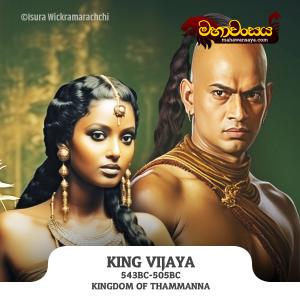
King Vijaya
543 BC-505 BC
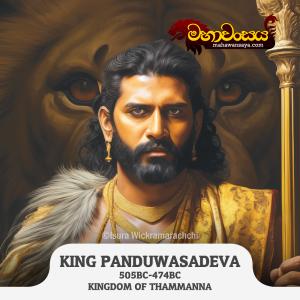
King Panduvasdeva
504 BC-474 BC
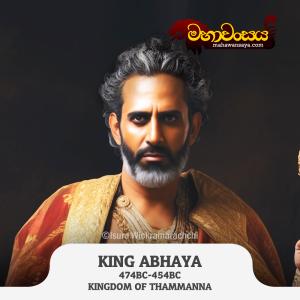
King Abhaya
474 BC-454 BC

King Tissa
454 BC-437 BC
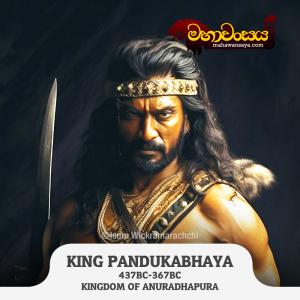
King Pandukabhaya
437 BC-367 BC
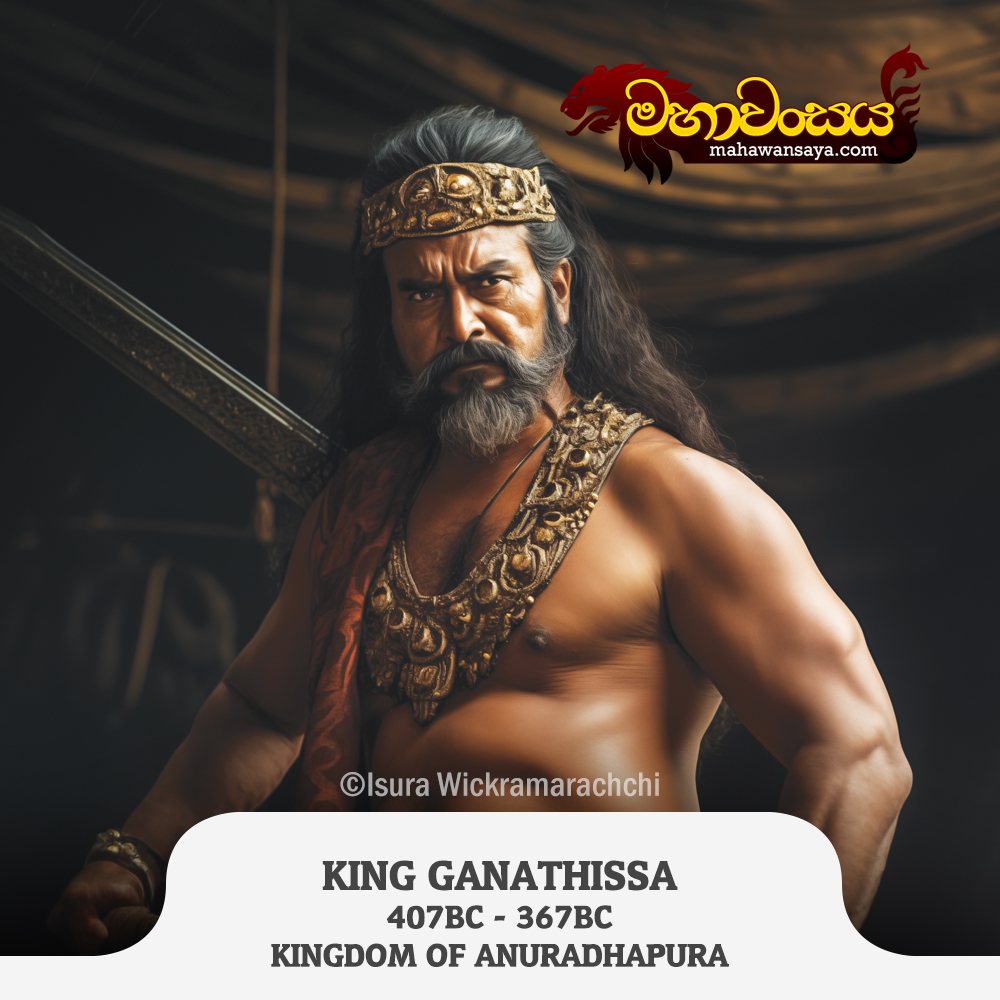
King Ganathissa
407 BC-367 BC
King Mutasiva
367 BC-307 BC
King Devanampiya Tissa
307 BC-267 BC
King Uttiya
267 BC-257 BC
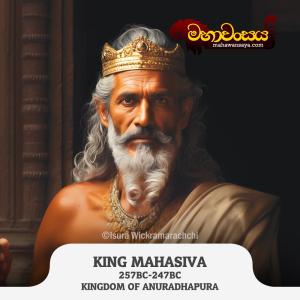
King Mahasiva
257 BC-247 BC
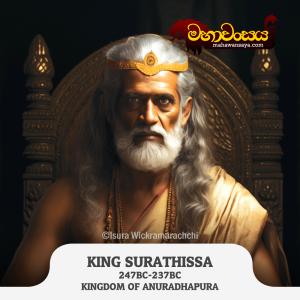
King Suratissa
247 BC-237 BC
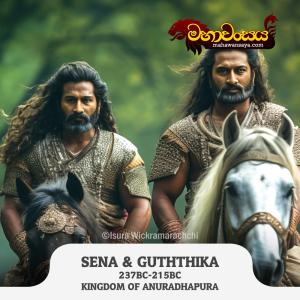
Sena and Guttika
237 BC-215 BC
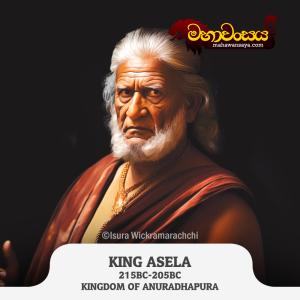
King Asela
215 BC-205 BC
King Elara
205 BC-161 BC
King Dutugemunu
161 BC-137 BC
King Saddha Tissa
137 BC-119 BC
King Thulatthana
119 BC-119 BC
King Lajjithissa
119 BC-109 BC
King Khallata Naga
109 BC-103 BC

King Walagamba
89 BC-76 BC
King Pulahaththa
103 BC-100 BC
King Bhahiya
100 BC-98 BC
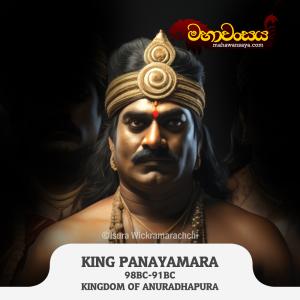
King Panayamara
98 BC-91 BC
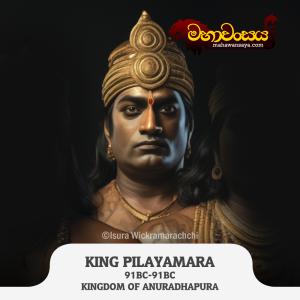
King Piliyamara
91 BC-91 BC
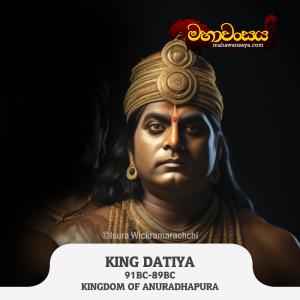
King Dathiya
91 BC-89 BC
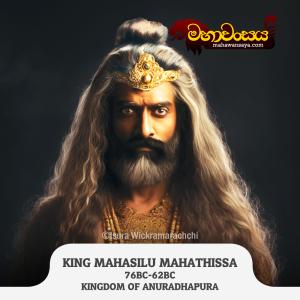
King Mahachulikamahathissa
76 BC-62 BC
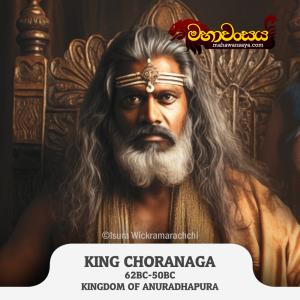
King Choranaga
62 BC-50 BC
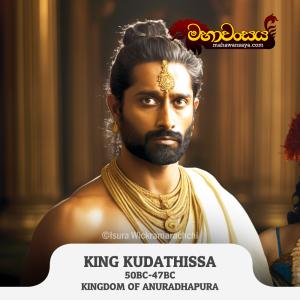
King Kuda Thissa
50 BC-47 BC
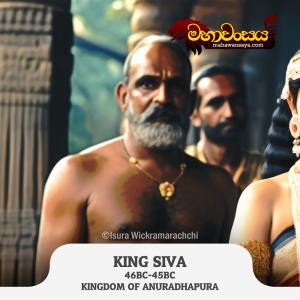
King Siva I
47 BC-45 BC

King Vatuka
45 BC-44 BC
King Darubhatika Tissa
44 BC-43 BC
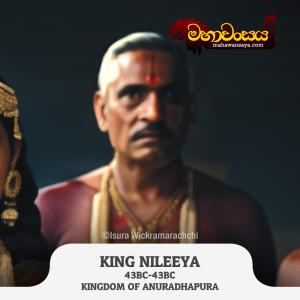
King Neeliya
43 BC-43 BC
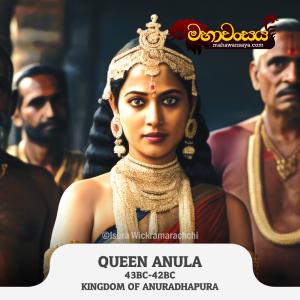
Queen Anula
43 BC-42 BC
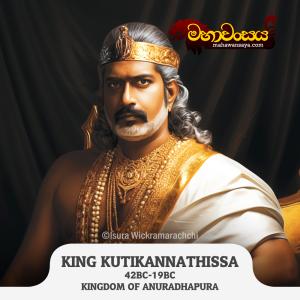
King Kutikanna Tissa
42 BC-19 BC
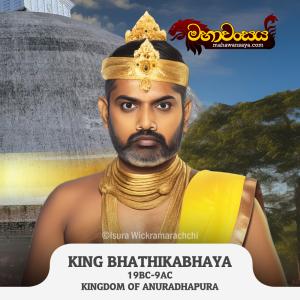
King Bhathikabhaya
19 BC-9 AC
King Mahadatika Mahanaga
9 AC-22 AC

King Amandagamani Abhaya
22 AC-31 AC
King Kanirajanu Tissa
31 AC-34 AC
King Chulabhaya
34 AC-35 AC
Queen Seevali
35 AC-35 AC
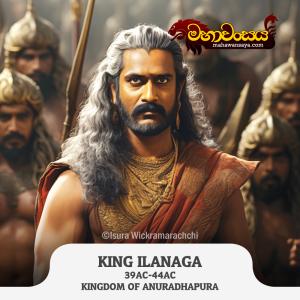
King Ilanaga
39 AC-44 AC
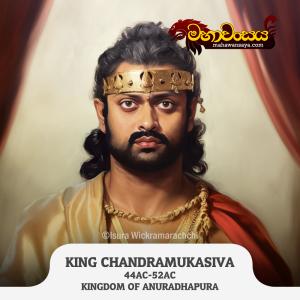
King Chandra Mukha Siva
44 AC-52 AC
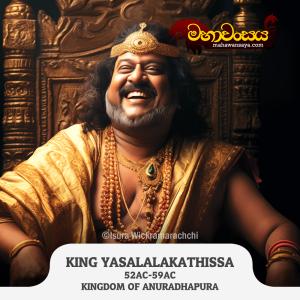
King Yassalalaka Thissa
52 AC-59 AC
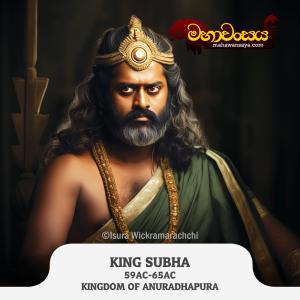
King Subha
59 AC-65 AC
King Vasabha
65 AC-109 AC
King Vankanasika Tissa
109 AC-112 AC
King Gajabahu I
112 AC-134 AC
King Mahallaka Naga
134 AC-140 AC
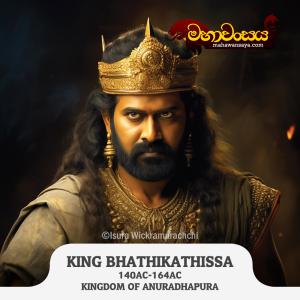
King Bhathika Thissa
140 AC-164 AC
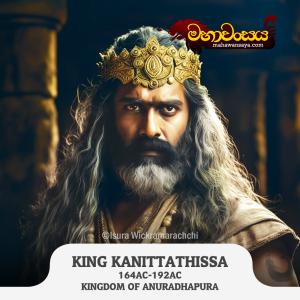
King Kanitta Tissa
164 AC-192 AC
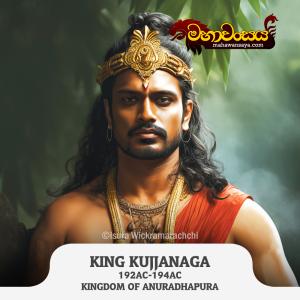
King Kujjanaga
192 AC-194 AC
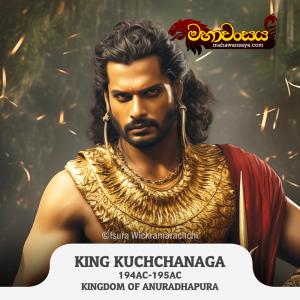
King Kudda Naga
194 AC-195 AC
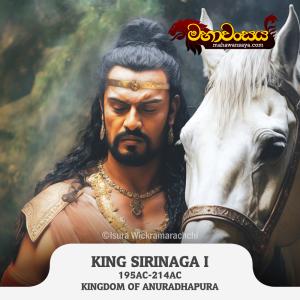
King Sirinaga I
195 AC-214 AC
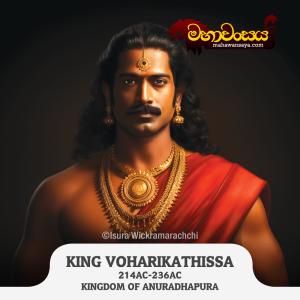
King Voharika Tissa
214 AC-236 AC
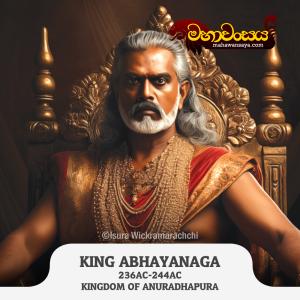
King Abhaya Naga
236 AC-244 AC
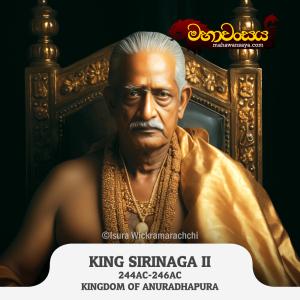
King Sirinaga II
244 AC-246 AC
King Vijaya Kumara
246 AC-247 AC
King Sangha Tissa I
247 AC-251 AC
King Siri Sangha Bodhi I
251 AC-253 AC
King Gotabhaya
253 AC-266 AC
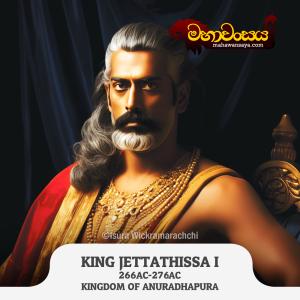
King Jetta Tissa I
266 AC-276 AC
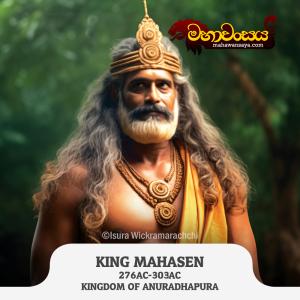
King Mahasen
276 AC-303 AC
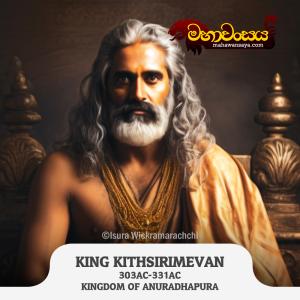
King Kithsirimewan
303 AC-331 AC
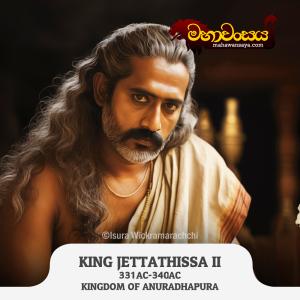
King Jetta Tissa II
331 AC-340 AC
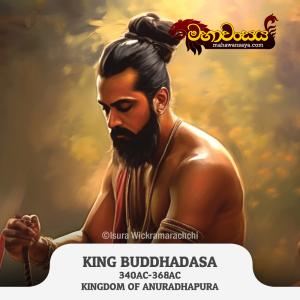
King Buddhadasa
340 AC-368 AC
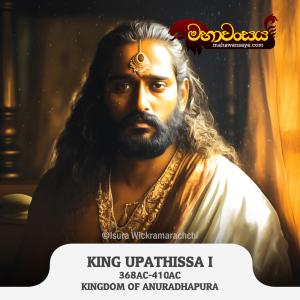
King Upatissa I
368 AC-410 AC
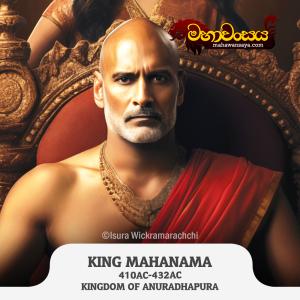
King Mahanama
410 AC-432 AC
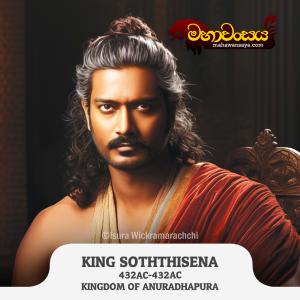
King Soththisena
432 AC-432 AC
King Jaththagahaka Janthu
432 AC-433 AC
King Miththasena
432 AC-433 AC
King Pandu
433 AC-438 AC
King Parinda
438 AC-441 AC
King Kuda Parinda
441 AC-456 AC
King Thirithara
456 AC-456 AC
King Datiya II
456 AC-459 AC
King Peetiya
459 AC-459 AC
King Dhathusena
459 AC-477 AC
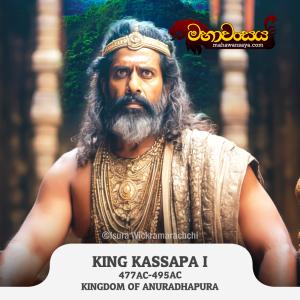
King Kassapa I
477 AC-495 AC
King Mugalan I
495 AC-512 AC
King Kumaradasa
512 AC-520 AC
King Kiththisena
520 AC-521 AC
King Siva II
521 AC-521 AC
King Upatissa II
521 AC-522 AC
King Silakala
522 AC-535 AC
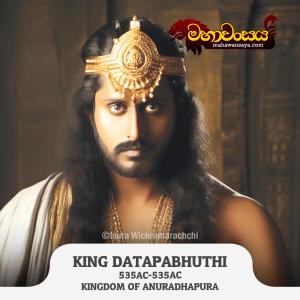
King Datappabhuthi
535 AC-535 AC
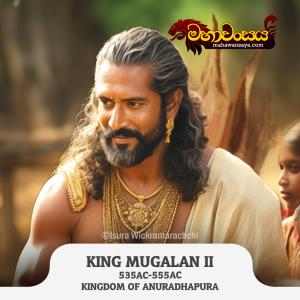
King Mugalan II
535 AC-555 AC
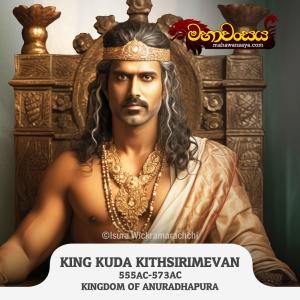
King Kiththisirimegha
555 AC-573 AC
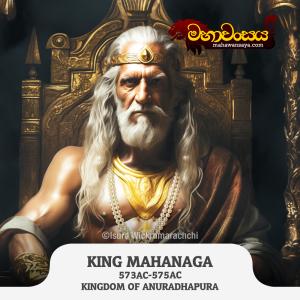
King Mahanaga
573 AC-575 AC
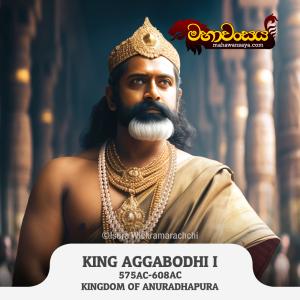
King Aggabodhi I
575 AC-608 AC
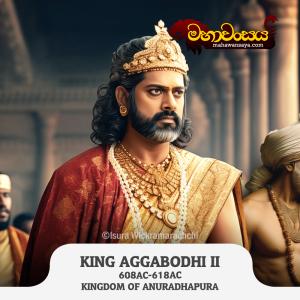
King Aggabodhi II
608 AC-618 AC
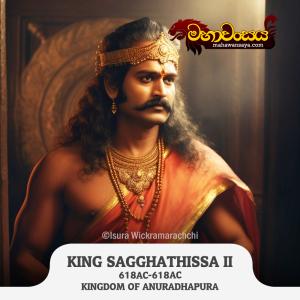
King Sangha Tissa II
618 AC-618 AC
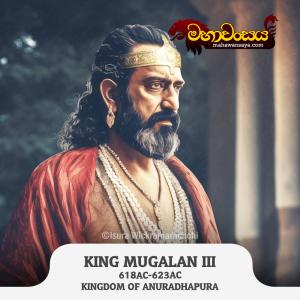
King Mugalan III
618 AC-623 AC

King Silameghavanna
623 AC-632 AC
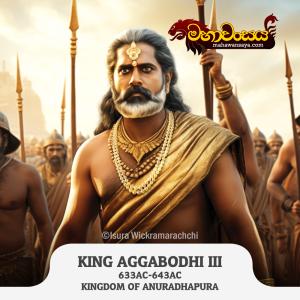
King Aggabodhi III
633 AC-643 AC
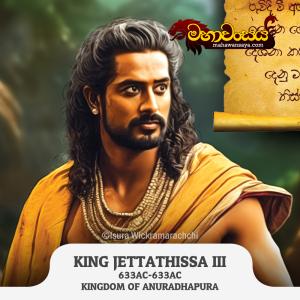
King Jetta Tissa III
633 AC-633 AC
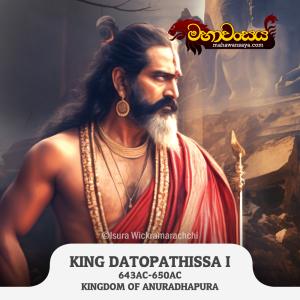
King Datopathissa i
643 AC-650 AC
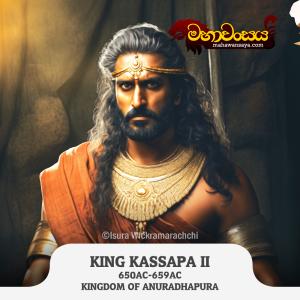
King Kassapa II
650 AC-659 AC
King Dappula I
659 AC-659 AC
King Datopathissa II
659 AC-667 AC
King Aggabodhi IV
667 AC-683 AC
King Daththa
683 AC-684 AC
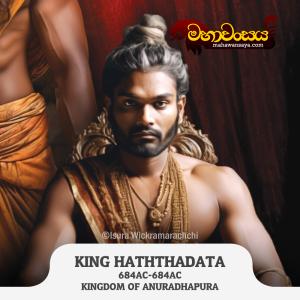
King Haththadata
684 AC-684 AC
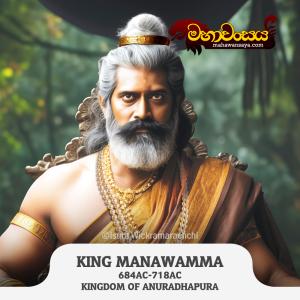
King Manavamma
684 AC-718 AC
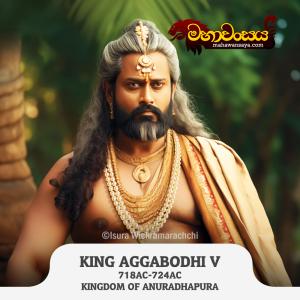
King Aggabodhi V
718 AC-724 AC
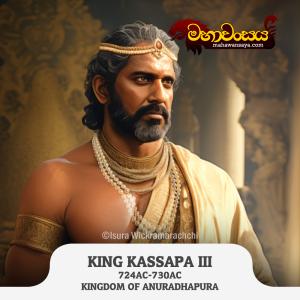
King Kassapa III
724 AC-730 AC
King Mahinda I
730 AC-733 AC
King Aggabodhi VI
733 AC-772 AC
King Aggabodhi VII
772 AC-777 AC
King Mahinda II
777 AC-797 AC
King Udaya I
797 AC-801 AC
King Mahinda III
801 AC-804 AC
King Aggabodhi VIII
804 AC-815 AC
King Dappula II
815 AC-831 AC
King Aggabodhi IX
831 AC-833 AC
King Sena I
833 AC-853 AC
King Sena II
853 AC-887 AC
King Udaya II
887 AC-898 AC
King Kassapa IV
898 AC-914 AC
King Kassapa V
914 AC-923 AC
King Dappula III
923 AC-923 AC
King Dappula IV
923 AC-935 AC

King Udaya III
935 AC-938 AC
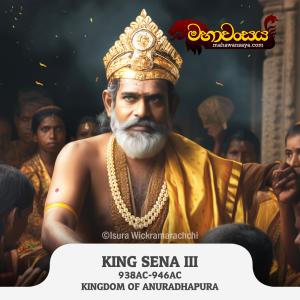
King Sena III
938 AC-946 AC
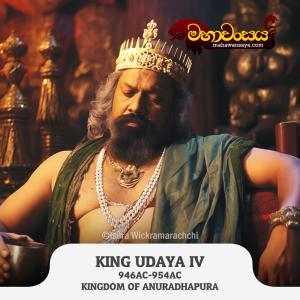
King Udaya IV
946 AC-954 AC
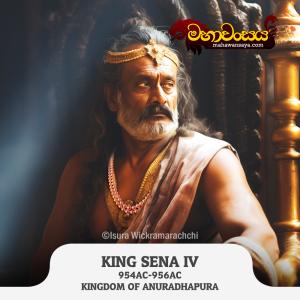
King Sena IV
954 AC-956 AC
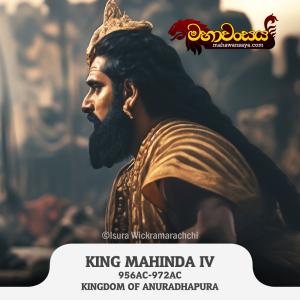
King Mahinda IV
956 AC-972 AC
King Sena V
972 AC-982 AC
King Mahinda V
982 AC-1017 AC
Rajendra Chola I
1017 AC-1044 AC
Rajadhiraja Chola
1044 AC-1054 AC
Rajendra Chola II
1052 AC-1064 AC
Virarajendra Chola
1064 AC-1070 AC
Athirajendra Chola
1070 AC-1070 AC

King Wickramabahu I
1029 AC-1040 AC
King General Keerthi
1040 AC-1040 AC
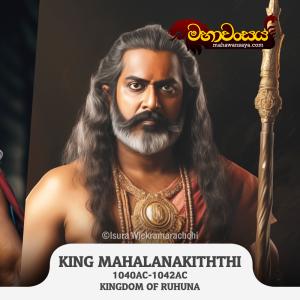
King Mahalana Kiththi
1040 AC-1042 AC
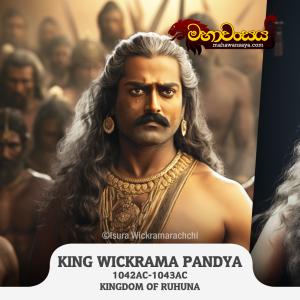
King Wickrama Pandu
1042 AC-1043 AC
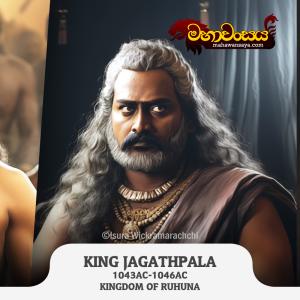
King Jagathpala
1043 AC-1046 AC
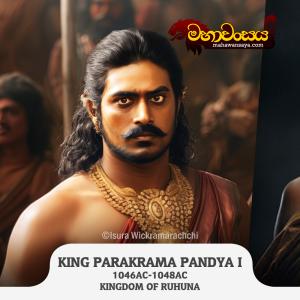
King Parakrama Pandu
1046 AC-1048 AC
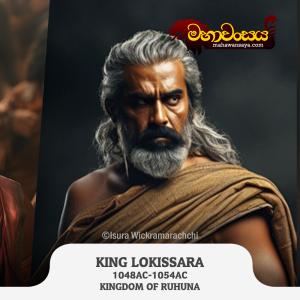
King Lokissara
1048 AC-1054 AC
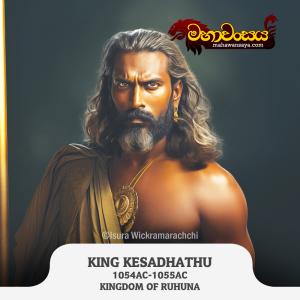
King Kesadhathu
1054 AC-1055 AC
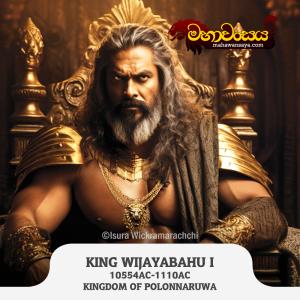
King Vijayabahu I
1055 AC-1110 AC
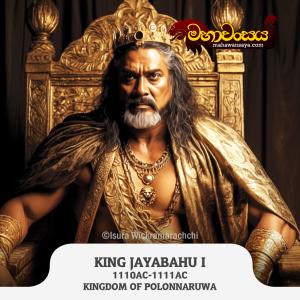
King Jayabahu I
1110 AC-1111 AC

King Wickramabahu II
1111 AC-1132 AC
King Gajabahu II
1032 AC-1053 AC

King Parakramabahu I
1053 AC-1086 AC
King Vijayabahu II
1186 AC-1187 AC
King Mahinda VI
1187 AC-1187 AC
King Nissanka Malla
1187 AC-1196 AC

King Weerabahu I
1196 AC-1196 AC

King Wickramabahu III
1196 AC-1196 AC
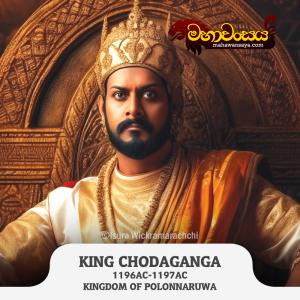
King Chodaganga
1196 AC-1197 AC

Queen Leelawathie
1197 AC-1200 AC
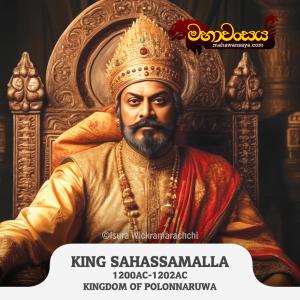
King Sahasamalla
1200 AC-1202 AC

Queen Kalyanawathie
1202 AC-1208 AC

King Dharmasoka
1208 AC-1209 AC

King Anikanga
1209 AC-1209 AC
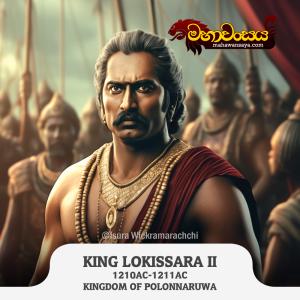
King Lokissara ii
1210 AC-1211 AC
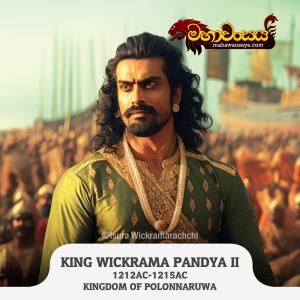
King Parakrama Pandu II
1212 AC-1215 AC
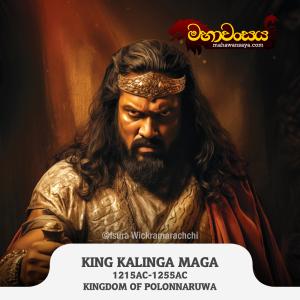
King Kalinga Magha
1215 AC-1255 AC
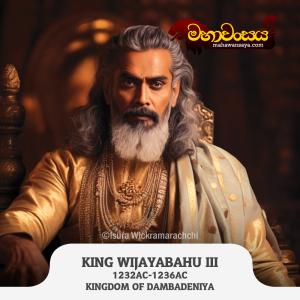
King Vijayabahu III
1232 AC-1236 AC
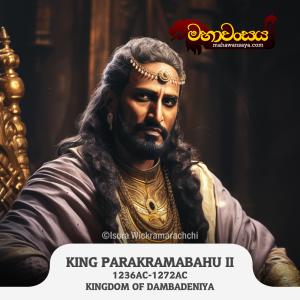
King Parakramabahu II
1236 AC-1272 AC
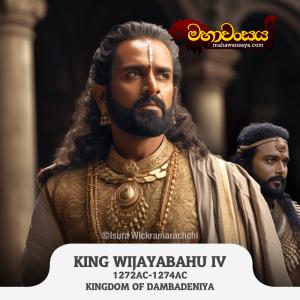
King Vijayabahu IV
1272 AC-1274 AC
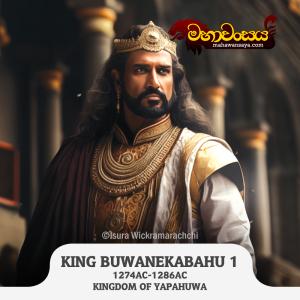
King Buvanekabahu I
1274 AC-1286 AC
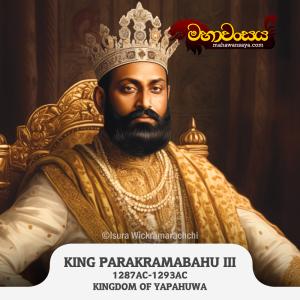
King Parakramabahu III
1287 AC-1293 AC
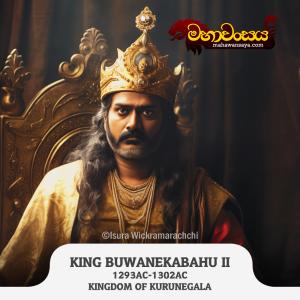
King Buvanekabahu II
1293 AC-1302 AC

King Parakramabahu IV
1302 AC-1326 AC
-208.jpg)
King Buvanekabahu III (Vanni B
1326 AC-1335 AC
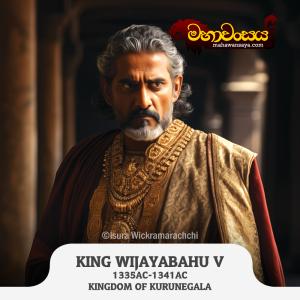
King Vijayabahu V
1335 AC-1341 AC
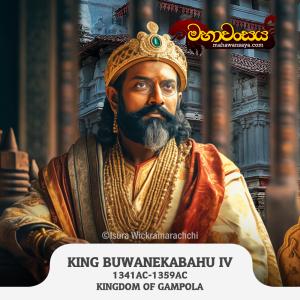
King Buvanekabahu IV
1341 AC-1359 AC
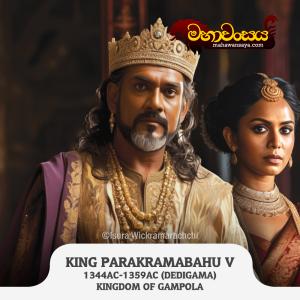
King Parakramabahu V
1344 AC-1359 AC
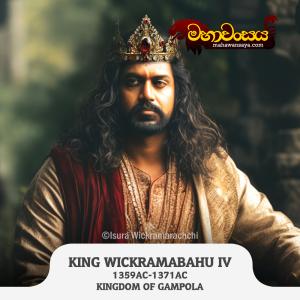
King Wickramabahu IV
1359 AC-1371 AC

King Buvanekabahu V
1371 AC-1407 AC
-544.jpg)
King Kumara Alakeshwara (Alake
1391 AC-1391 AC
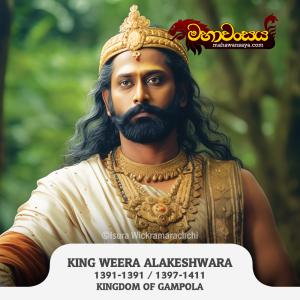
King Weera Alakesvara
1397 AC-1411 AC
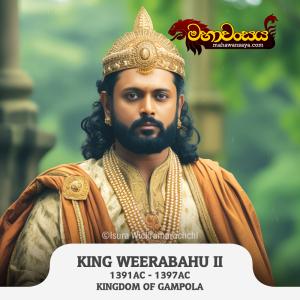
King Weerabahu II
1391 AC-1397 AC

King Parakramabahu Epa
1410 AC-1415 AC
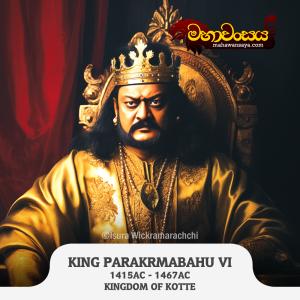
King Parakramabahu VI
1415 AC-1467 AC
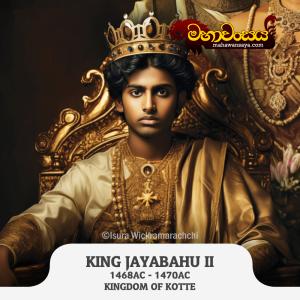
King Jayabahu II
1468 AC-1470 AC
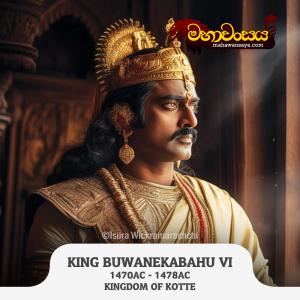
King Buvanekabahu VI
1470 AC-1478 AC
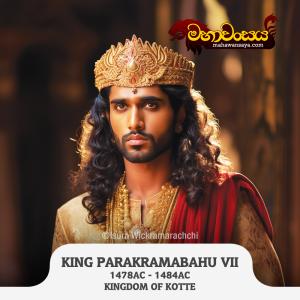
King Panditha Parakramabahu VI
1478 AC-1484 AC
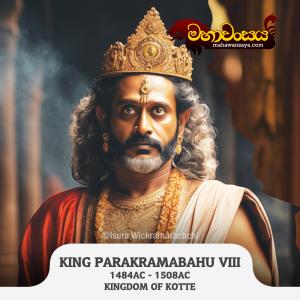
King Weera Parakramabahu VIII
1484 AC-1508 AC
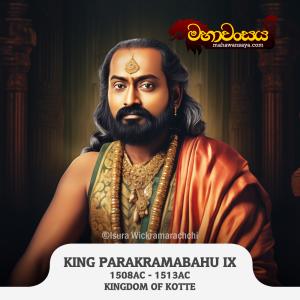
King Darma Parakramabahu IX
1508 AC-1513 AC
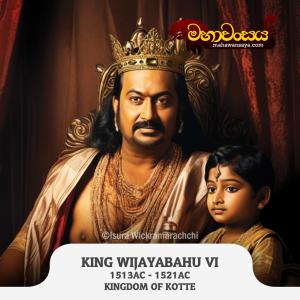
King Vijayabahu VI
1513 AC-1521 AC
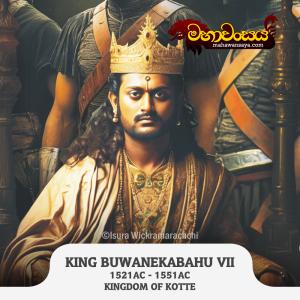
King Buvanekabahu VII
1521 AC-1551 AC

King Don Juwan Dharmapala
1551 AC-1597 AC
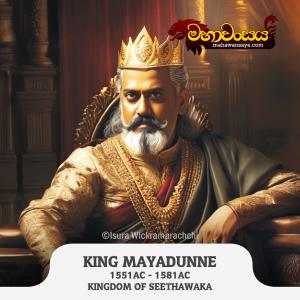
King Mayadunne
1551 AC-1581 AC
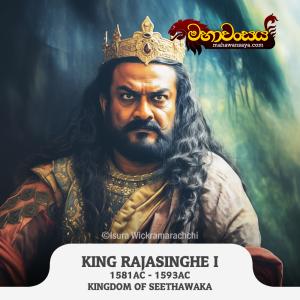
King Rajasinha I
1581 AC-1593 AC
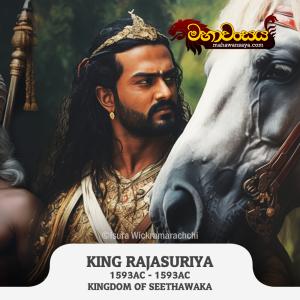
King Rajasooriya
1593 AC-1593 AC
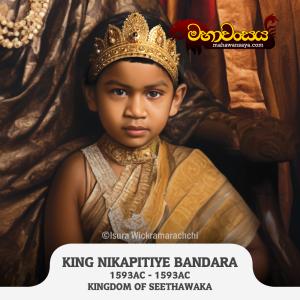
King Nikapitiye Bandara
1593 AC-1593 AC
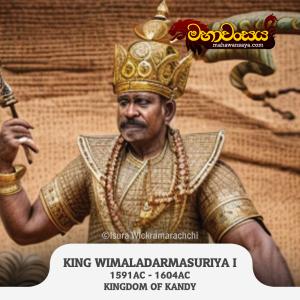
King Wimaladharmasuriya I
1591 AC-1604 AC

King Senarat
1604 AC-1635 AC
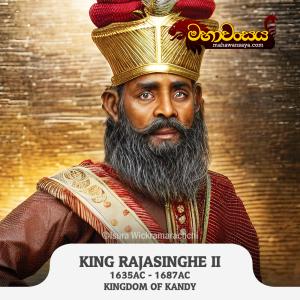
King Rajasinha II
1635 AC-1687 AC
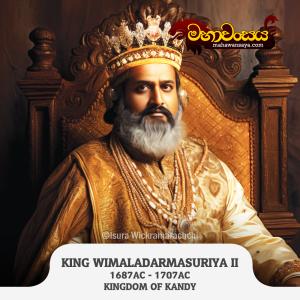
King Wimaladharmasuriya II
1687 AC-1707 AC

King Sri Weera Parakrama Naren
1707 AC-1739 AC
King Sri Wijaya Rajasingha
1739 AC-1747 AC
King Keerthi Sri Rajasingha
1747 AC-1782 AC
King Rajadhi Rajasinha
1782 AC-1798 AC
King Sri Wikrama Rajasinha
1798 AC-1815 AC

Pedro Lopes de Sousa
1594 AC-1594 AC
Joao da Silveira
1518 AC-1518 AC
Lopo de Brito
1518 AC-1522 AC
Fernao Gomes de Lemos
1522 AC-1524 AC
Joao Henriques
1551 AC-1552 AC
Diogo de Melo Coutinho
1552 AC-1552 AC
Duarte de Eca
1552 AC-1553 AC
Fernao Carvalho
1553 AC-1555 AC

Willem Jacobszoon Coster
1640 AC-1640 AC
Jan Thyszoon Payart
1640 AC-1646 AC
King Dhatusena unfortunately was put to death, and the throne was taken over by Prince Kashyapa (477–495). He is recognized as the first king known by that name and, because he built Sigiriya, modern scholars also refer to him as King Kashyapa of Sigiriya.
The Mahavamsa clearly describes the actions of the commander who incited Prince Kashyapa to kill his father. King Dhatusena’s daughter was entrusted to the commander’s care. One day, the commander assaulted her with a ceremonial weapon. Seeing his daughter with torn clothes, the king severely punished the commander’s mother. Some say she was beaten to death, but the Mahavamsa does not mention any execution, only that she was flogged; perhaps only a part of her body was punished. The king showed deep affection for his daughter. By familial relation, the commander’s mother was the king’s sister. Because of the severe punishment, the commander became hostile toward the king.
Therefore, motivated by resentment toward King Dhatusena, the commander could not inherit the kingdom himself, and he incited Prince Kashyapa to do so. Kashyapa, not looking far ahead, seized the opportunity, ascended the throne, and later ordered the death of his father.
The process unfolded as follows: The commander, having devised a method to kill the king, reported to King Kashyapa that King Dhatusena would keep his wealth for Prince Mogallana. Upon hearing this, King Kashyapa questioned his father. Dhatusena said, “If my wealth goes to the reservoir, inform me.” To claim the wealth, King Dhatusena was sent under protection to the Kalavapi reservoir by Prince Kashyapa. There, the king went to the Kalavapi temple, engaged in a discussion with the monks, and allowed the wealth to be deposited in the reservoir to show the nobles. When the royal nobles learned all this, Prince Kashyapa, filled with enmity, entrusted the commander with the task of destroying the king. Dhatusena’s demise followed.
Under these circumstances, Prince Mogallana could not intervene and fled to India. King Kashyapa was fully aware that in the future he would face the influence of Prince Mogallana. He sent assassins to India, but this attempt failed. He was thus haunted by two fears: the guilt of patricide and the certainty that Prince Mogallana, as the rightful heir, could appear at any moment. Fearing this, Kashyapa abandoned Anuradhapura and moved to the fortress of Sigiriya, about forty-seven leagues to the south, which was difficult to access.
The Mahavamsa states:
"That wicked tyrant, Kashyapa, failed to kill his brother due to fear. He fortified Sigiriya, inaccessible to humans, surrounded it with walls in a lion-shaped design, constructed magnificent palaces with stairways, and deposited wealth, appointing guards to ensure security."
From this description, the reasons for building and residing at Sigiriya, its structure, and the king’s other intentions become clear. Like the Mirror Wall at the Alakamandava, King Kashyapa of Sigiriya, like the king of Alakamandava, shone in his magnificence. Sigiriya was a fortress, not a palace offering proper protection; surrounded by enemy forces, no one inside could be guaranteed safety. Within a few days without food or water, one would face death.
The Mahasangha in Anuradhapura and many townspeople did not support King Kashyapa. The psychological weight of killing his father notwithstanding, living far from the general populace and Sangha ensured a relatively safer existence. The Sigiriya rock is about forty-seven leagues from Anuradhapura and approximately 600 feet high from the base. The summit covers about three acres, containing the king’s palace and other necessary buildings. The surrounding land protected by walls measures more than a hundred acres. The eastern wall is rectangular, the western similarly rectangular. The eastern steps were about one cubit wide, though the western fortifications had three ramparts, two of which are still visible.
The fort had five gates; the main one was on the western side, with two smaller gates to the north and south. The western entrance leads to three terraced gardens:
The first is a rectangular area about 300×396 feet, with walls five feet high, accessible through the western gate.
The second is a water garden, about 528×78 feet, with two levels and complex water channels.
The third is a rock garden with eight pools, surrounded by rugged rocks, with carved stone faces.
These gardens show sophisticated landscaping, with evidence of artistry on the rocks. The Sigiriya rock also contains inscriptions and murals, indicating it was a Buddhist monastery in the pre-Christian era. The western fortifications have galleries, stairways, and numerous intricate designs, including a “Broken Stone Wall,” named after a cracked stone used in construction.
The main path from the western gate divides into various routes, leading to a lion figure at the base. From there, steep steps ascend to the summit. Originally, the lion figure was complete, but now only the paws remain. This lion gave Sigiriya its modern name, and it was designed majestically.
On the western fortifications, the main path runs parallel to walls and a broken stone wall. Steps are meticulously constructed on the natural rock, leveling surfaces with stones to form a climbable path. Poetry carved along the route was created later, after King Kashyapa’s time, by visitors.
The western gate leads to a cliffside cave with murals known as the Sigiriya frescoes. Originally, there were about fifty frescoes, now only nineteen remain; some were destroyed in modern times. The female figures depicted are known as the Sigiriya Apsaras, some portrayed in gold and blue, possibly representing clouds or lightning, according to scholars.
Other areas of Sigiriya, such as Mapagala (possibly named after a prince’s section) and Ramakela to the south, contain stupas, inscriptions, and remnants of buildings. The Mahānaga Pabbata Vihara, a monastery, is evidenced by inscriptions. The upper rock has a large cistern, presumably for religious offerings.
After ascending the throne, King Kashyapa engaged in many meritorious deeds to atone for his grave sins: cultivating mango gardens across the island, repairing irrigation systems, promoting meditation and moral development, compiling sermons, and constructing numerous shrines. He had two daughters, Bodhi and Uppalavanna. He restored the Isurumuni Vihara and dedicated the daughters’ names to the Mahavihara for worship.
The commander Migara is mentioned in the Mahavamsa; he did not participate in acts of filial rebellion against King Dhatusena and is distinct from the earlier commander who assisted in the king’s death. Thanks to King Dhatusena’s developmental projects, King Kashyapa was able to enjoy the resulting prosperity. Commercial relations with India and other countries flourished, with major ports like Mahatittha and Gonavampattana serving as trade centers. Roman coins found at Sigiriya indicate active international trade.
During King Kashyapa’s reign, his authority extended across the island. Even in Ruhuna, his rule was undisputed. Administrative records from nearby areas show governance under local ministers. Despite these dangers, King Kashyapa’s reign lasted about eighteen years.