66
King Upatissa I
Kingdom of Anuradhapura
368 AC - 410 AC
368 AC - 410 AC

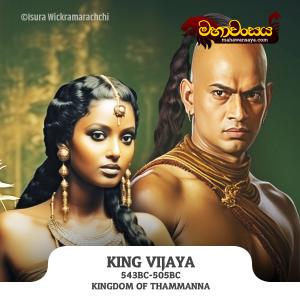
King Vijaya
543 BC-505 BC
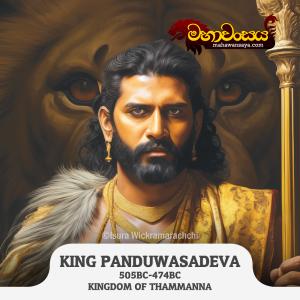
King Panduvasdeva
504 BC-474 BC
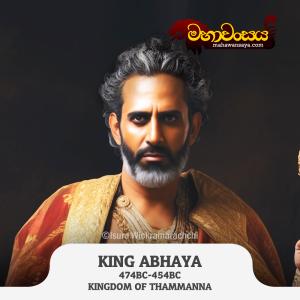
King Abhaya
474 BC-454 BC
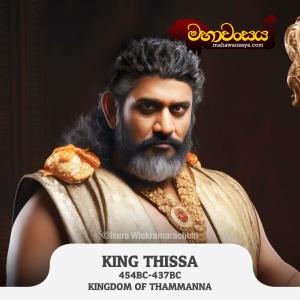
King Tissa
454 BC-437 BC
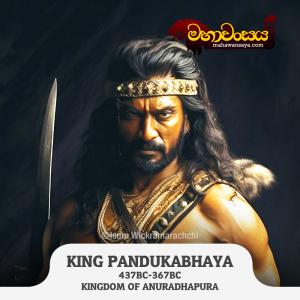
King Pandukabhaya
437 BC-367 BC
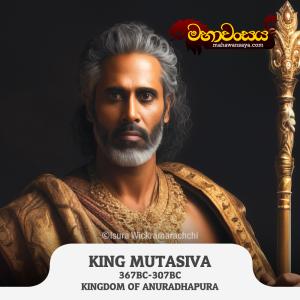
King Mutasiva
367 BC-307 BC
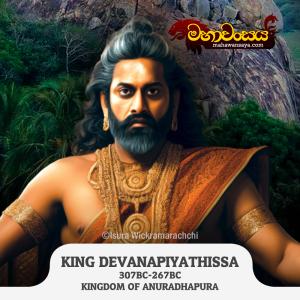
King Devanampiya Tissa
307 BC-267 BC
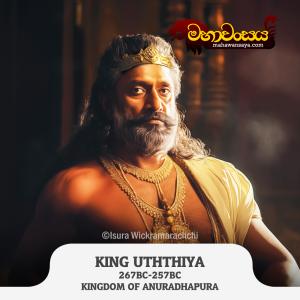
King Uttiya
267 BC-257 BC
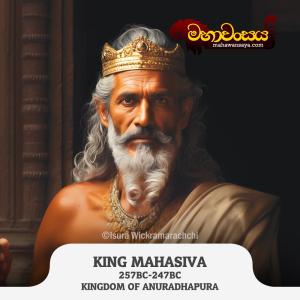
King Mahasiva
257 BC-247 BC
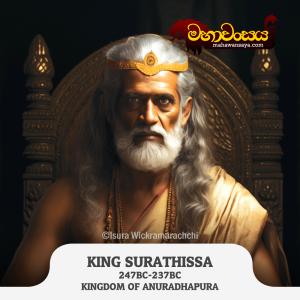
King Suratissa
247 BC-237 BC
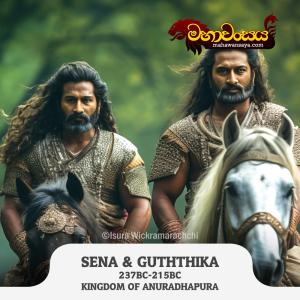
Sena and Guttika
237 BC-215 BC
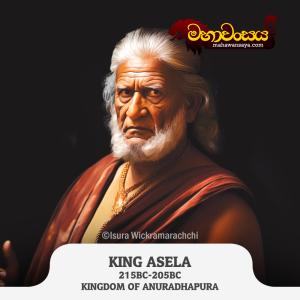
King Asela
215 BC-205 BC
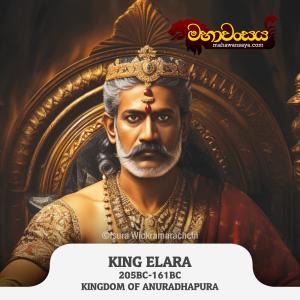
King Elara
205 BC-161 BC
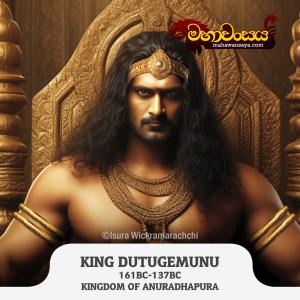
King Dutugemunu
161 BC-137 BC
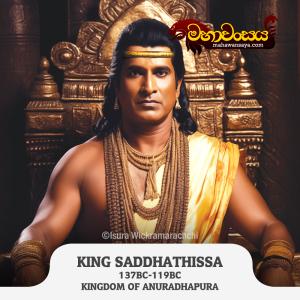
King Saddha Tissa
137 BC-119 BC
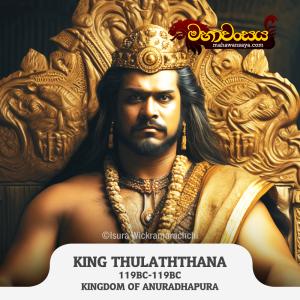
King Thulatthana
119 BC-119 BC
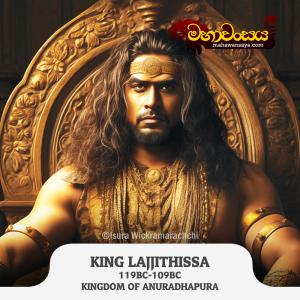
King Lajjithissa
119 BC-109 BC
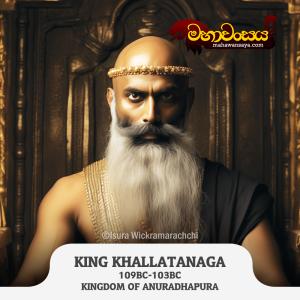
King Khallata Naga
109 BC-103 BC
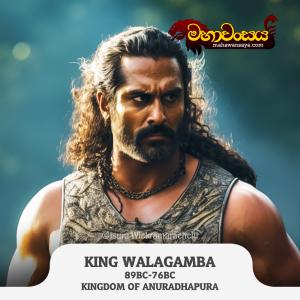
King Walagamba
89 BC-76 BC
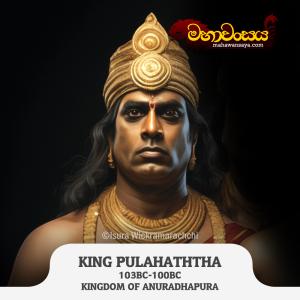
King Pulahaththa
103 BC-100 BC
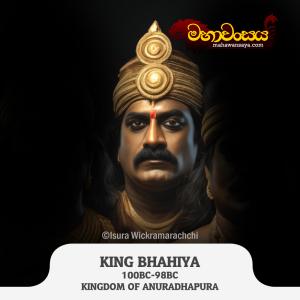
King Bhahiya
100 BC-98 BC
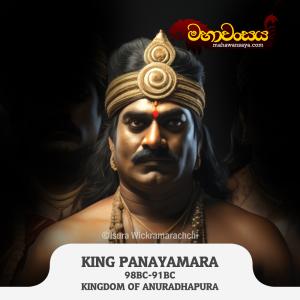
King Panayamara
98 BC-91 BC
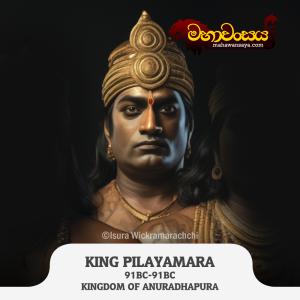
King Piliyamara
91 BC-91 BC
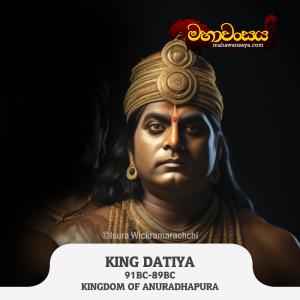
King Dathiya
91 BC-89 BC
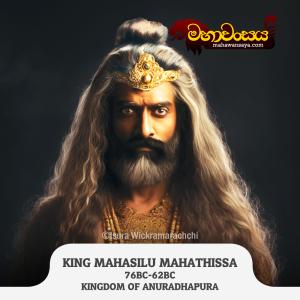
King Mahachulikamahathissa
76 BC-62 BC
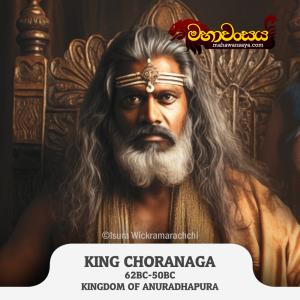
King Choranaga
62 BC-50 BC
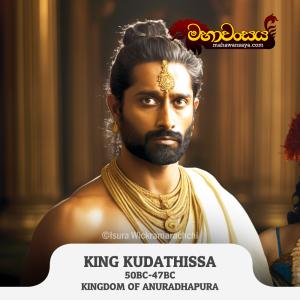
King Kuda Thissa
50 BC-47 BC
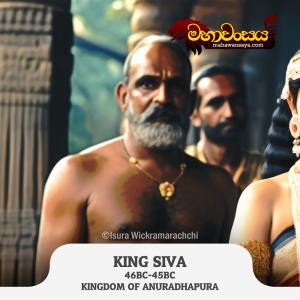
King Siva I
47 BC-45 BC
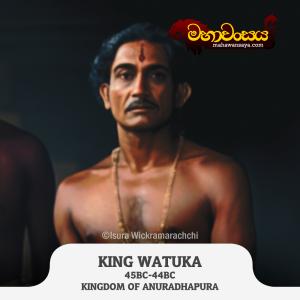
King Vatuka
45 BC-44 BC
King Darubhatika Tissa
44 BC-43 BC
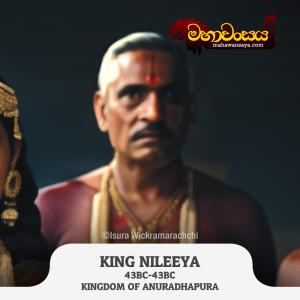
King Neeliya
43 BC-43 BC
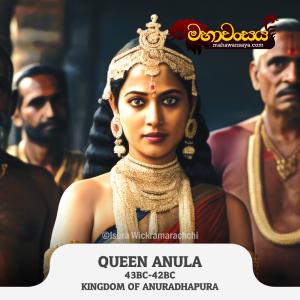
Queen Anula
43 BC-42 BC
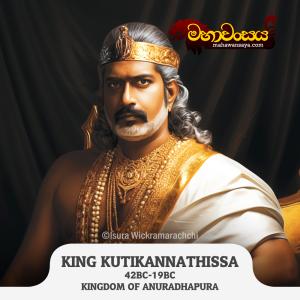
King Kutikanna Tissa
42 BC-19 BC
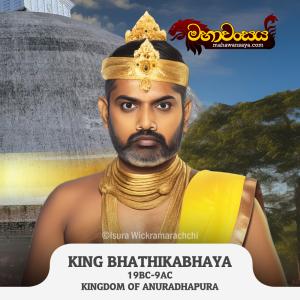
King Bhathikabhaya
19 BC-9 AC
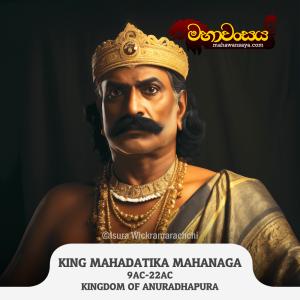
King Mahadatika Mahanaga
9 AC-22 AC
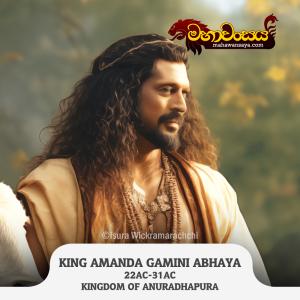
King Amandagamani Abhaya
22 AC-31 AC
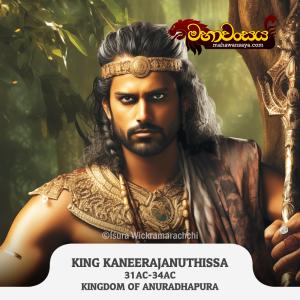
King Kanirajanu Tissa
31 AC-34 AC
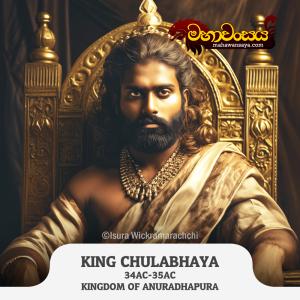
King Chulabhaya
34 AC-35 AC
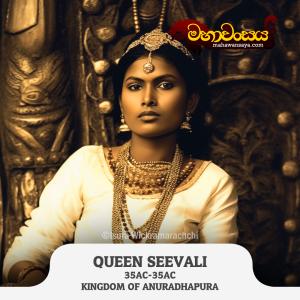
Queen Seevali
35 AC-35 AC
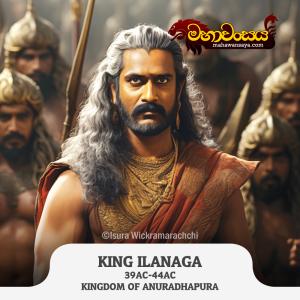
King Ilanaga
39 AC-44 AC
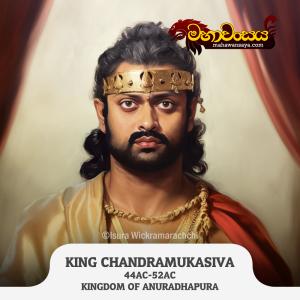
King Chandra Mukha Siva
44 AC-52 AC
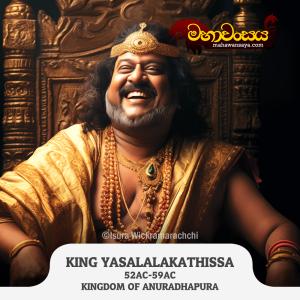
King Yassalalaka Thissa
52 AC-59 AC
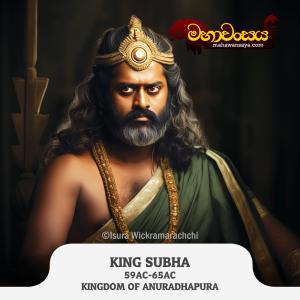
King Subha
59 AC-65 AC
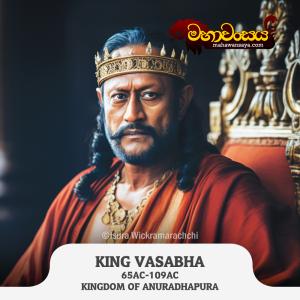
King Vasabha
65 AC-109 AC
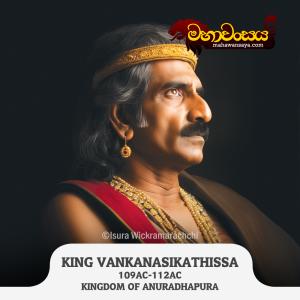
King Vankanasika Tissa
109 AC-112 AC
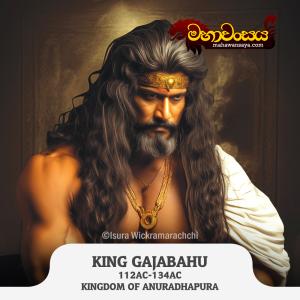
King Gajabahu I
112 AC-134 AC
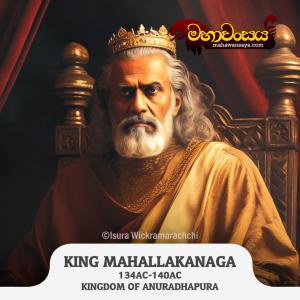
King Mahallaka Naga
134 AC-140 AC
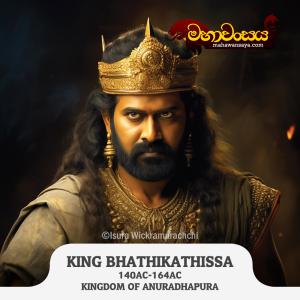
King Bhathika Thissa
140 AC-164 AC
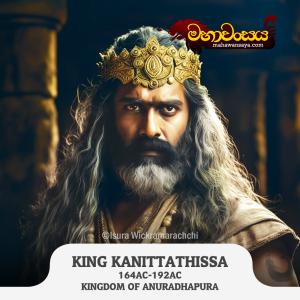
King Kanitta Tissa
164 AC-192 AC
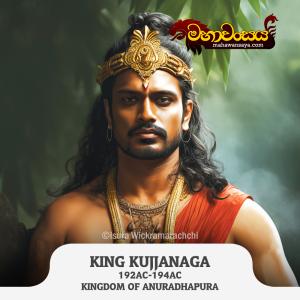
King Kujjanaga
192 AC-194 AC
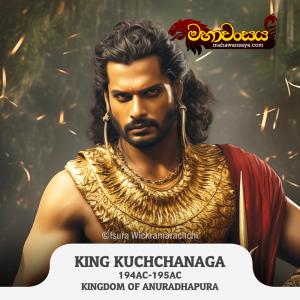
King Kudda Naga
194 AC-195 AC
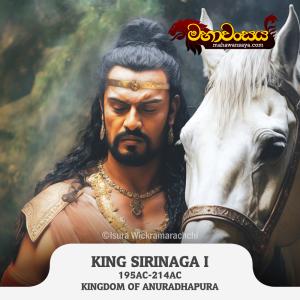
King Sirinaga I
195 AC-214 AC
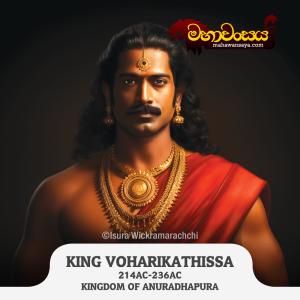
King Voharika Tissa
214 AC-236 AC
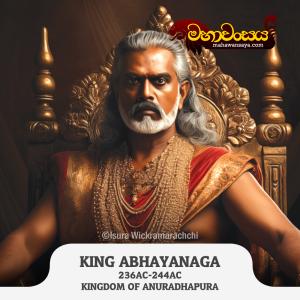
King Abhaya Naga
236 AC-244 AC
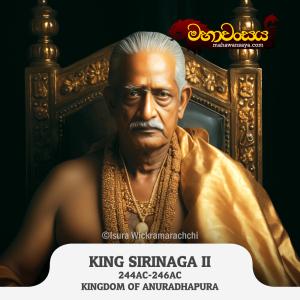
King Sirinaga II
244 AC-246 AC
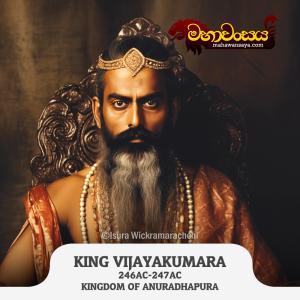
King Vijaya Kumara
246 AC-247 AC
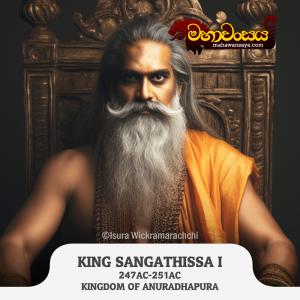
King Sangha Tissa I
247 AC-251 AC
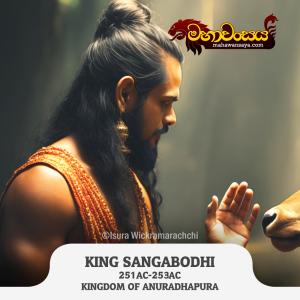
King Siri Sangha Bodhi I
251 AC-253 AC
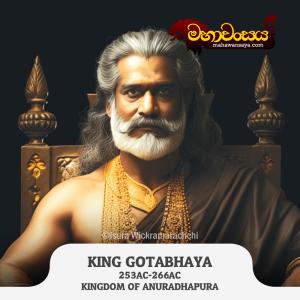
King Gotabhaya
253 AC-266 AC
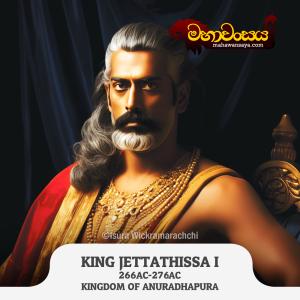
King Jetta Tissa I
266 AC-276 AC
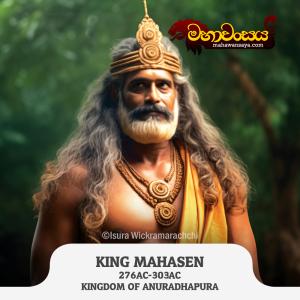
King Mahasen
276 AC-303 AC
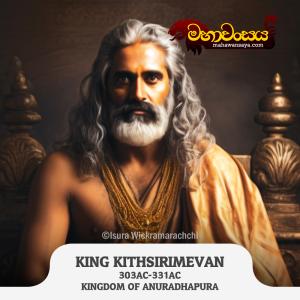
King Kithsirimewan
303 AC-331 AC
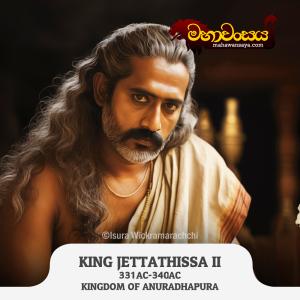
King Jetta Tissa II
331 AC-340 AC
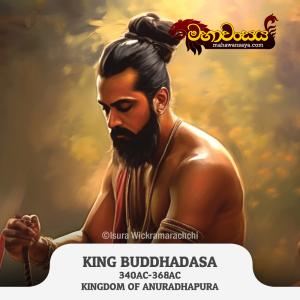
King Buddhadasa
340 AC-368 AC
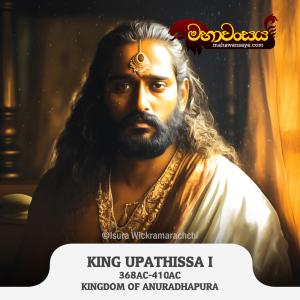
King Upatissa I
368 AC-410 AC
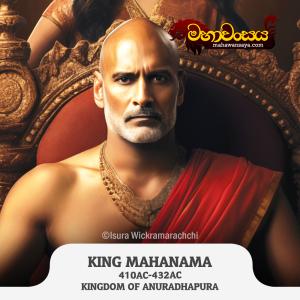
King Mahanama
410 AC-432 AC
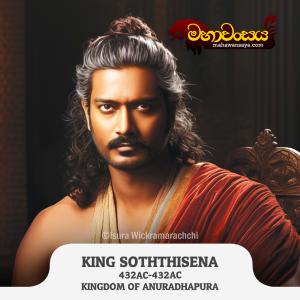
King Soththisena
432 AC-432 AC
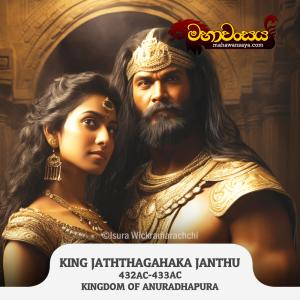
King Jaththagahaka Janthu
432 AC-433 AC
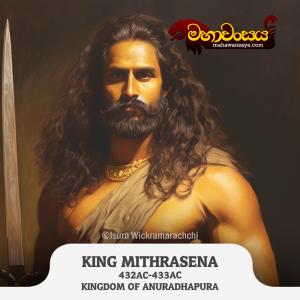
King Miththasena
432 AC-433 AC
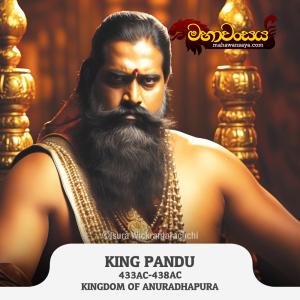
King Pandu
433 AC-438 AC
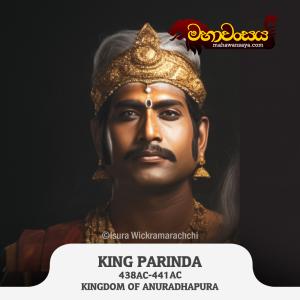
King Parinda
438 AC-441 AC
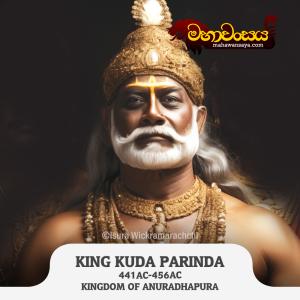
King Kuda Parinda
441 AC-456 AC
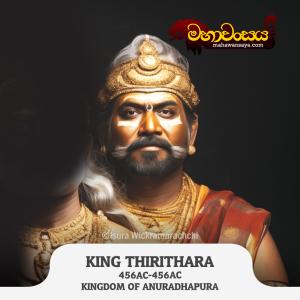
King Thirithara
456 AC-456 AC
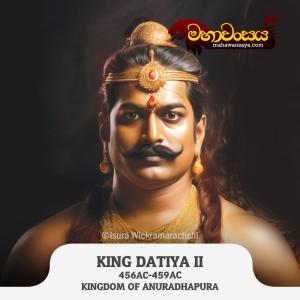
King Datiya II
456 AC-459 AC
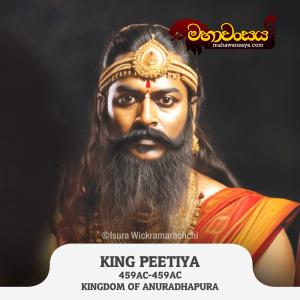
King Peetiya
459 AC-459 AC
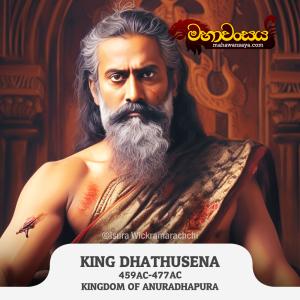
King Dhathusena
459 AC-477 AC
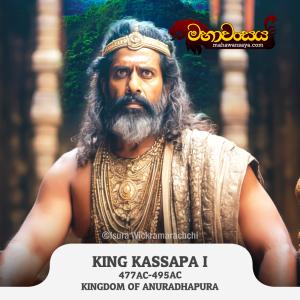
King Kassapa I
477 AC-495 AC
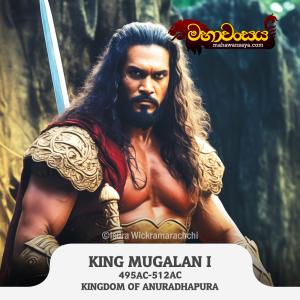
King Mugalan I
495 AC-512 AC
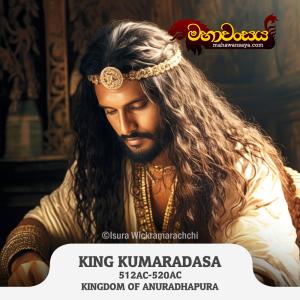
King Kumaradasa
512 AC-520 AC
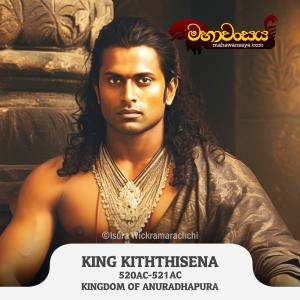
King Kiththisena
520 AC-521 AC
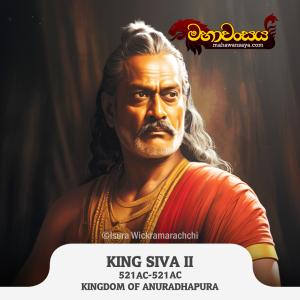
King Siva II
521 AC-521 AC
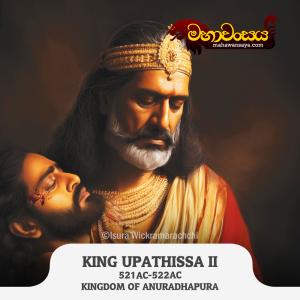
King Upatissa II
521 AC-522 AC
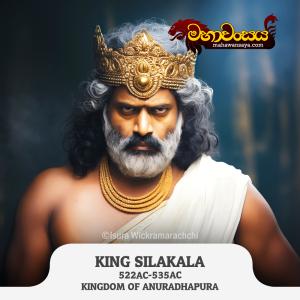
King Silakala
522 AC-535 AC
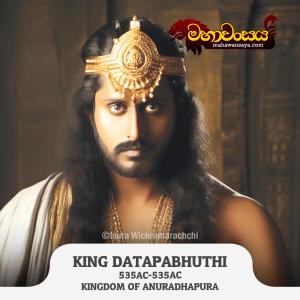
King Datappabhuthi
535 AC-535 AC
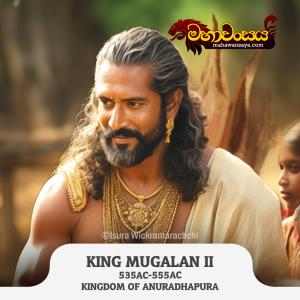
King Mugalan II
535 AC-555 AC
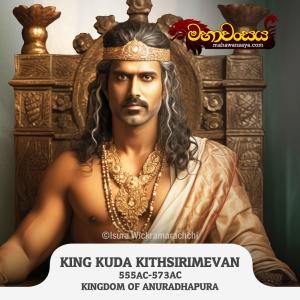
King Kiththisirimegha
555 AC-573 AC
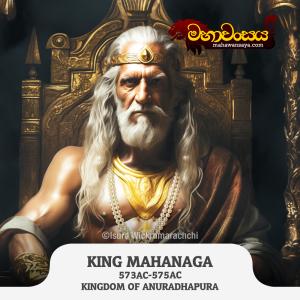
King Mahanaga
573 AC-575 AC
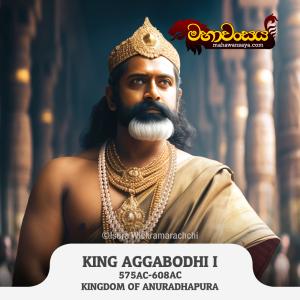
King Aggabodhi I
575 AC-608 AC
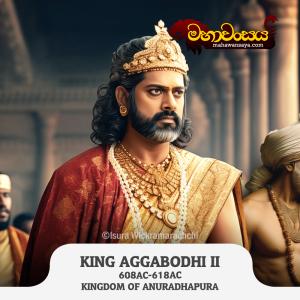
King Aggabodhi II
608 AC-618 AC
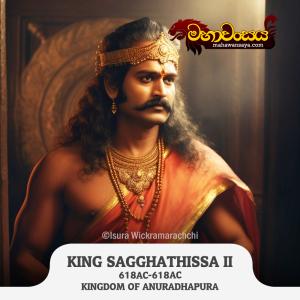
King Sangha Tissa II
618 AC-618 AC
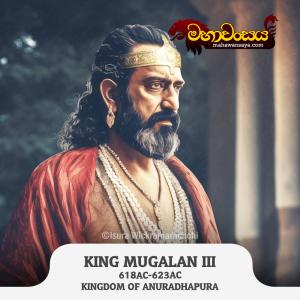
King Mugalan III
618 AC-623 AC
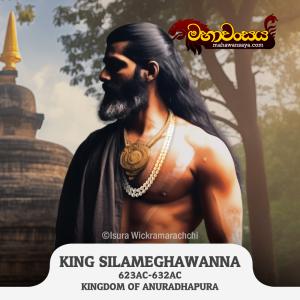
King Silameghavanna
623 AC-632 AC
King Aggabodhi III
633 AC-643 AC
King Jetta Tissa III
633 AC-633 AC
King Datopathissa i
643 AC-650 AC
King Kassapa II
650 AC-659 AC
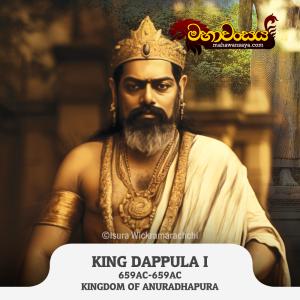
King Dappula I
659 AC-659 AC
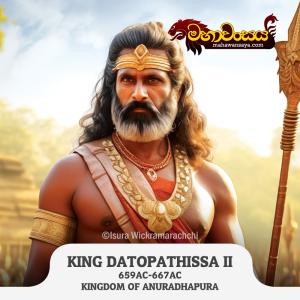
King Datopathissa II
659 AC-667 AC
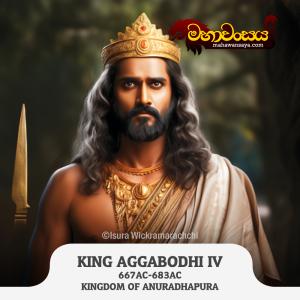
King Aggabodhi IV
667 AC-683 AC
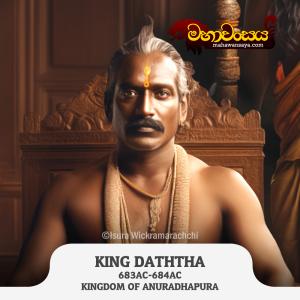
King Daththa
683 AC-684 AC
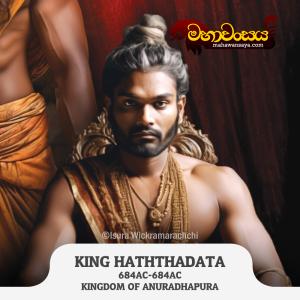
King Haththadata
684 AC-684 AC
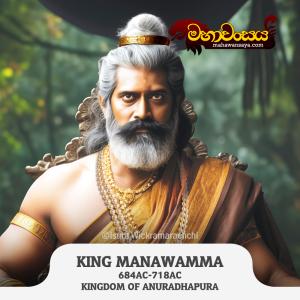
King Manavamma
684 AC-718 AC
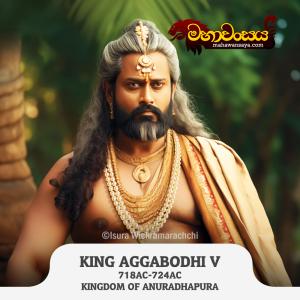
King Aggabodhi V
718 AC-724 AC
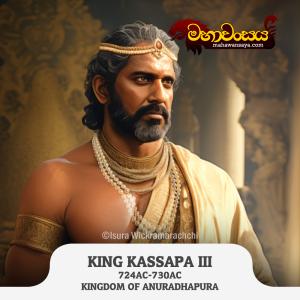
King Kassapa III
724 AC-730 AC
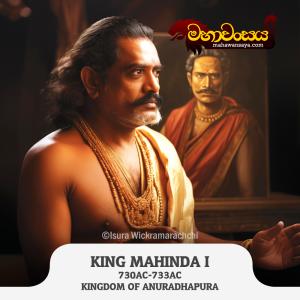
King Mahinda I
730 AC-733 AC
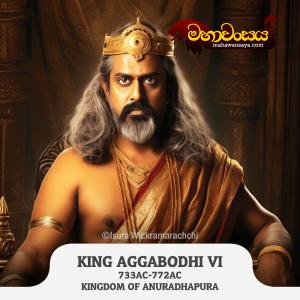
King Aggabodhi VI
733 AC-772 AC
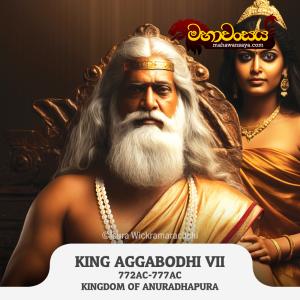
King Aggabodhi VII
772 AC-777 AC
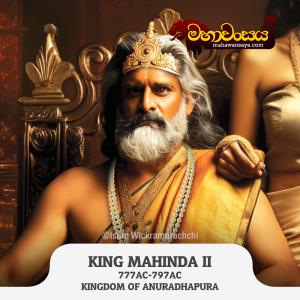
King Mahinda II
777 AC-797 AC
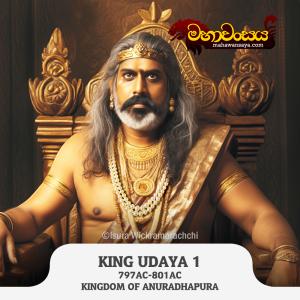
King Udaya I
797 AC-801 AC
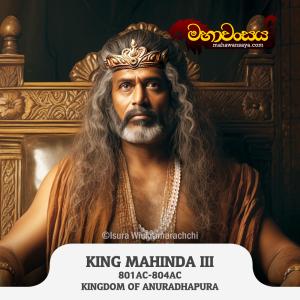
King Mahinda III
801 AC-804 AC
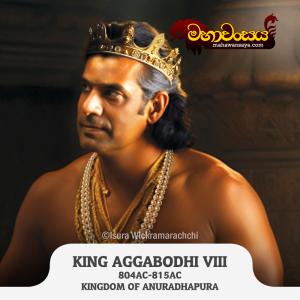
King Aggabodhi VIII
804 AC-815 AC
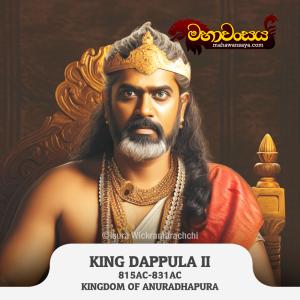
King Dappula II
815 AC-831 AC
King Aggabodhi IX
831 AC-833 AC
King Sena I
833 AC-853 AC
King Sena II
853 AC-887 AC
King Udaya II
887 AC-898 AC
King Kassapa IV
898 AC-914 AC
King Kassapa V
914 AC-923 AC
King Dappula III
923 AC-923 AC
King Dappula IV
923 AC-935 AC
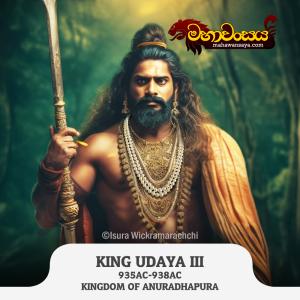
King Udaya III
935 AC-938 AC
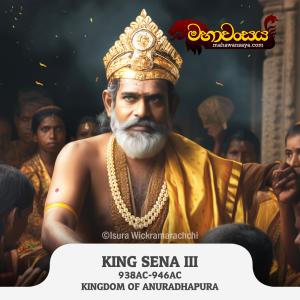
King Sena III
938 AC-946 AC
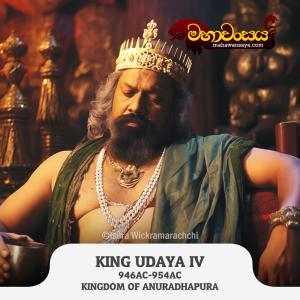
King Udaya IV
946 AC-954 AC
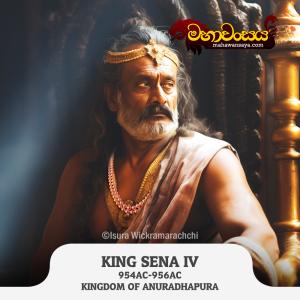
King Sena IV
954 AC-956 AC
King Mahinda IV
956 AC-972 AC
King Sena V
972 AC-982 AC
King Mahinda V
982 AC-1017 AC
Rajendra Chola I
1017 AC-1044 AC
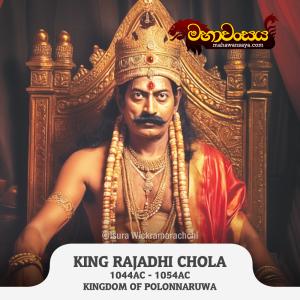
Rajadhiraja Chola
1044 AC-1054 AC
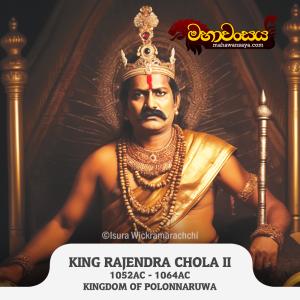
Rajendra Chola II
1052 AC-1064 AC
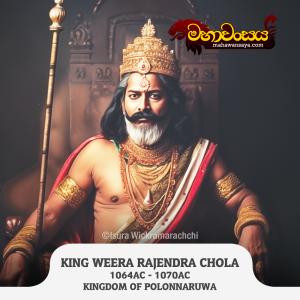
Virarajendra Chola
1064 AC-1070 AC
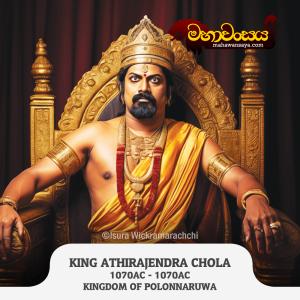
Athirajendra Chola
1070 AC-1070 AC
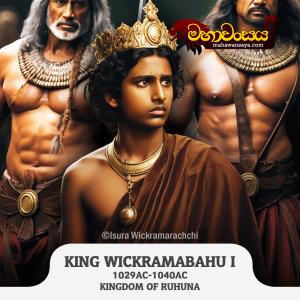
King Wickramabahu I
1029 AC-1040 AC
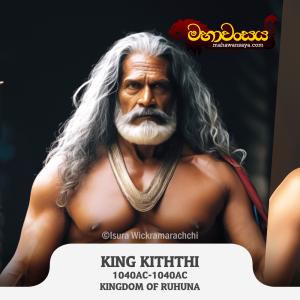
King General Keerthi
1040 AC-1040 AC
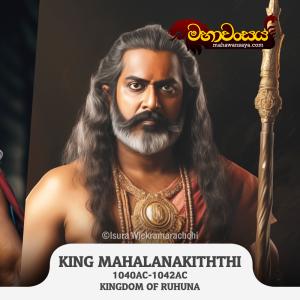
King Mahalana Kiththi
1040 AC-1042 AC
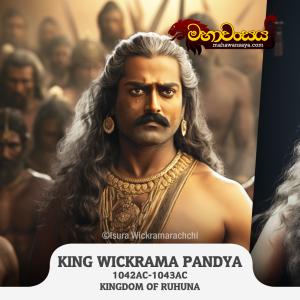
King Wickrama Pandu
1042 AC-1043 AC
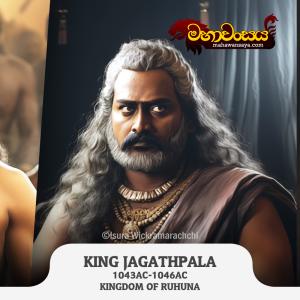
King Jagathpala
1043 AC-1046 AC
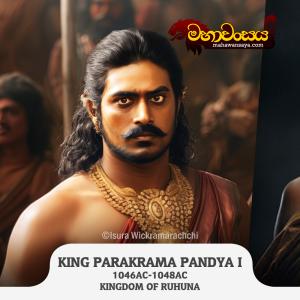
King Parakrama Pandu
1046 AC-1048 AC
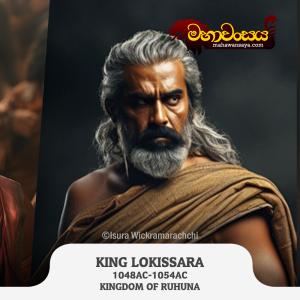
King Lokissara
1048 AC-1054 AC
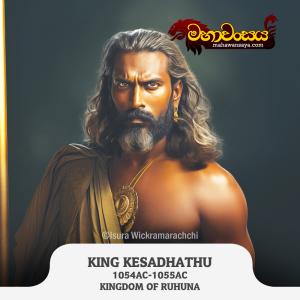
King Kesadhathu
1054 AC-1055 AC
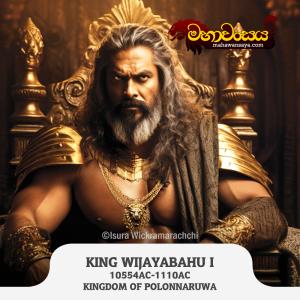
King Vijayabahu I
1055 AC-1110 AC
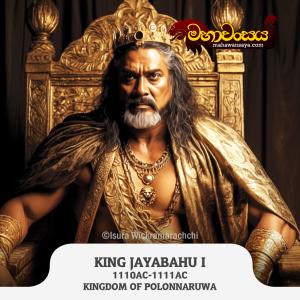
King Jayabahu I
1110 AC-1111 AC
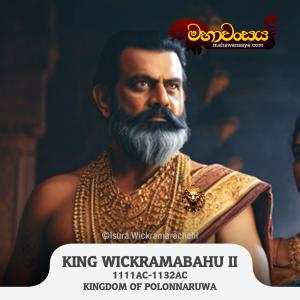
King Wickramabahu II
1111 AC-1132 AC
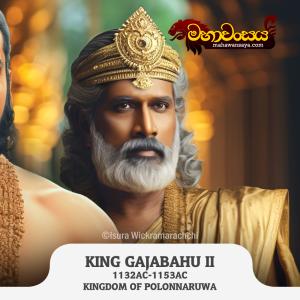
King Gajabahu II
1032 AC-1053 AC
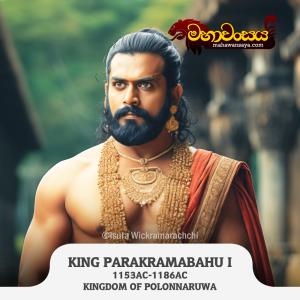
King Parakramabahu I
1053 AC-1086 AC
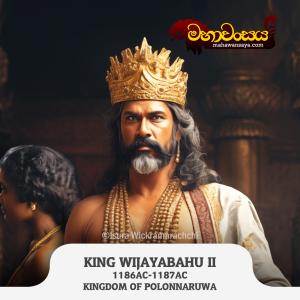
King Vijayabahu II
1186 AC-1187 AC
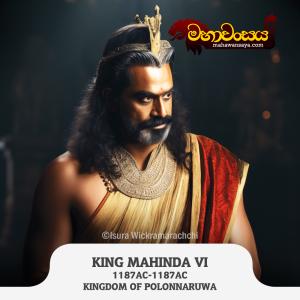
King Mahinda VI
1187 AC-1187 AC
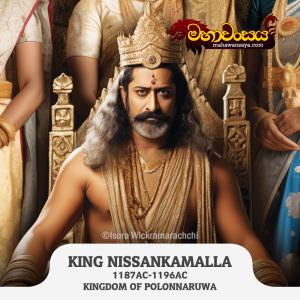
King Nissanka Malla
1187 AC-1196 AC
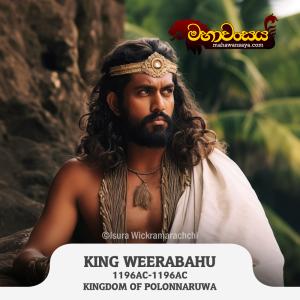
King Weerabahu I
1196 AC-1196 AC
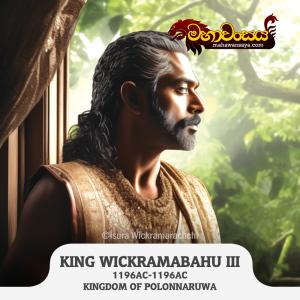
King Wickramabahu III
1196 AC-1196 AC
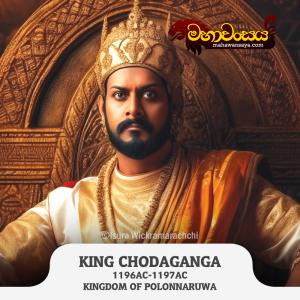
King Chodaganga
1196 AC-1197 AC
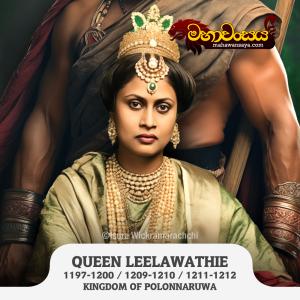
Queen Leelawathie
1197 AC-1200 AC
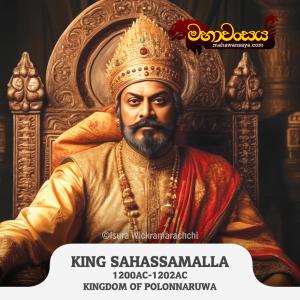
King Sahasamalla
1200 AC-1202 AC
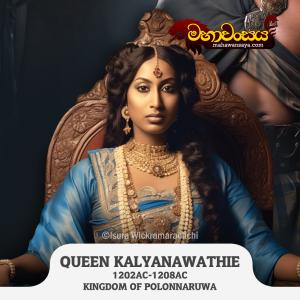
Queen Kalyanawathie
1202 AC-1208 AC
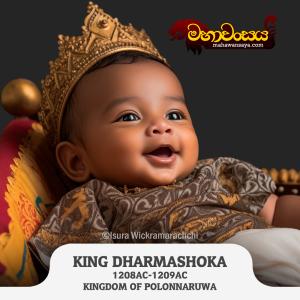
King Dharmasoka
1208 AC-1209 AC
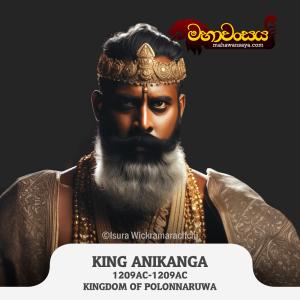
King Anikanga
1209 AC-1209 AC
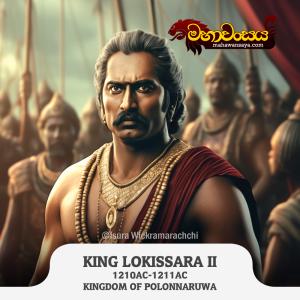
King Lokissara ii
1210 AC-1211 AC
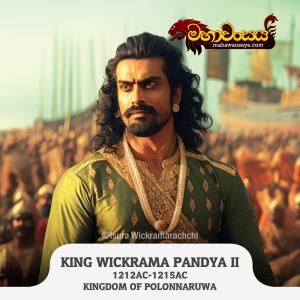
King Parakrama Pandu II
1212 AC-1215 AC
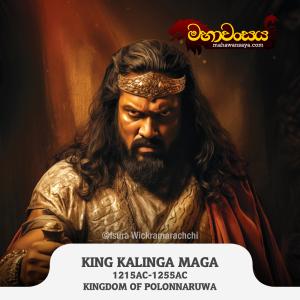
King Kalinga Magha
1215 AC-1255 AC
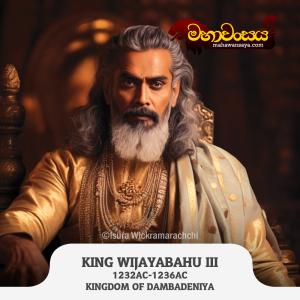
King Vijayabahu III
1232 AC-1236 AC
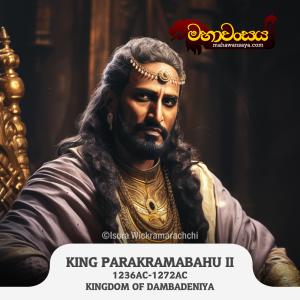
King Parakramabahu II
1236 AC-1272 AC
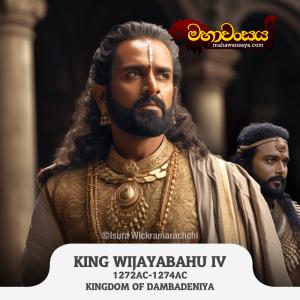
King Vijayabahu IV
1272 AC-1274 AC
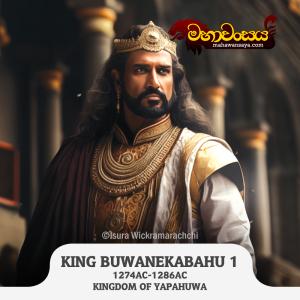
King Buvanekabahu I
1274 AC-1286 AC
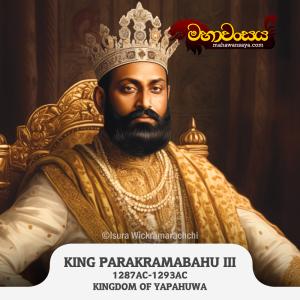
King Parakramabahu III
1287 AC-1293 AC
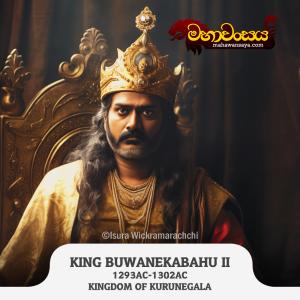
King Buvanekabahu II
1293 AC-1302 AC
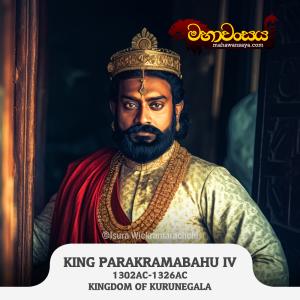
King Parakramabahu IV
1302 AC-1326 AC
-208.jpg)
King Buvanekabahu III (Vanni B
1326 AC-1335 AC
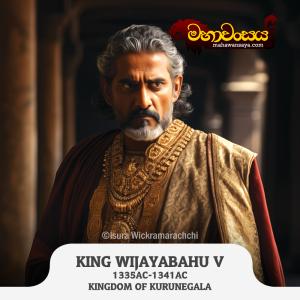
King Vijayabahu V
1335 AC-1341 AC
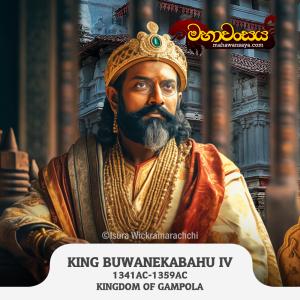
King Buvanekabahu IV
1341 AC-1359 AC
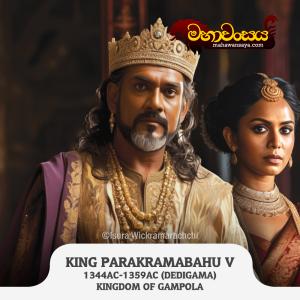
King Parakramabahu V
1344 AC-1359 AC
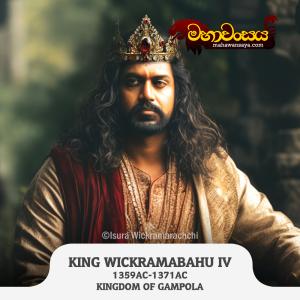
King Wickramabahu IV
1359 AC-1371 AC
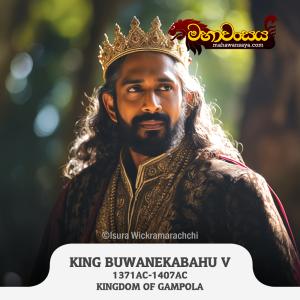
King Buvanekabahu V
1371 AC-1407 AC
-544.jpg)
King Kumara Alakeshwara (Alake
1391 AC-1391 AC
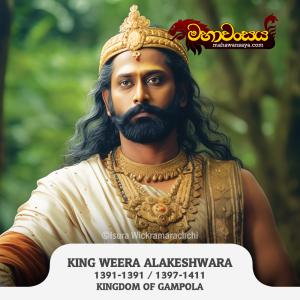
King Weera Alakesvara
1397 AC-1411 AC
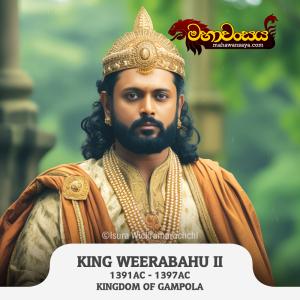
King Weerabahu II
1391 AC-1397 AC
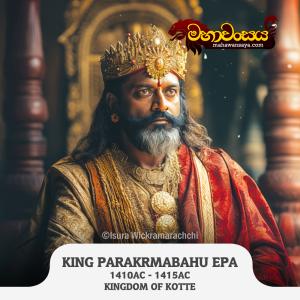
King Parakramabahu Epa
1410 AC-1415 AC
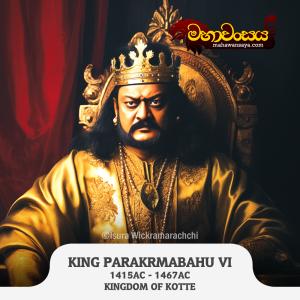
King Parakramabahu VI
1415 AC-1467 AC
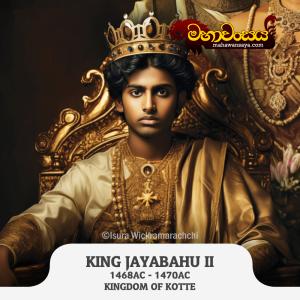
King Jayabahu II
1468 AC-1470 AC
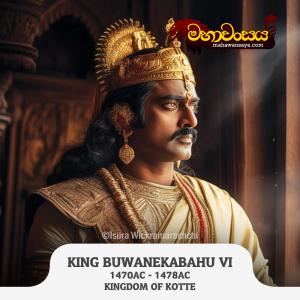
King Buvanekabahu VI
1470 AC-1478 AC
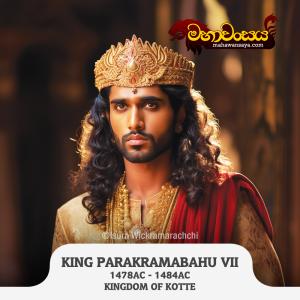
King Panditha Parakramabahu VI
1478 AC-1484 AC
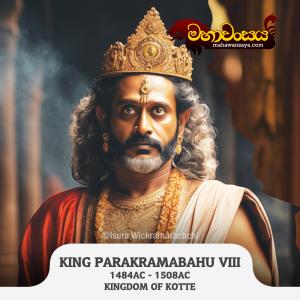
King Weera Parakramabahu VIII
1484 AC-1508 AC
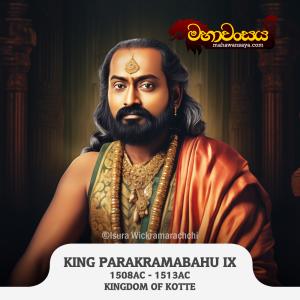
King Darma Parakramabahu IX
1508 AC-1513 AC
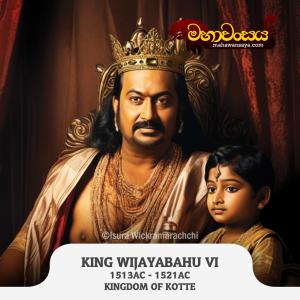
King Vijayabahu VI
1513 AC-1521 AC
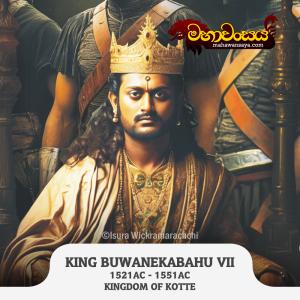
King Buvanekabahu VII
1521 AC-1551 AC
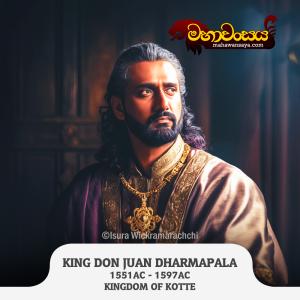
King Don Juwan Dharmapala
1551 AC-1597 AC
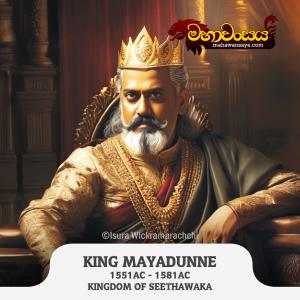
King Mayadunne
1551 AC-1581 AC
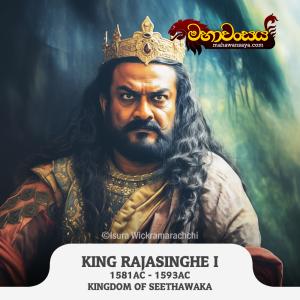
King Rajasinha I
1581 AC-1593 AC
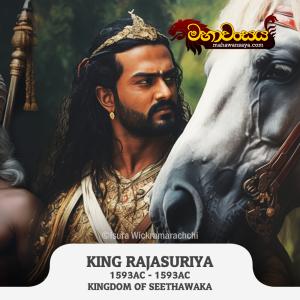
King Rajasooriya
1593 AC-1593 AC
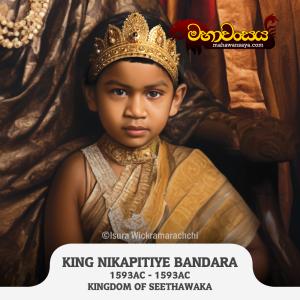
King Nikapitiye Bandara
1593 AC-1593 AC
King Wimaladharmasuriya I
1591 AC-1604 AC
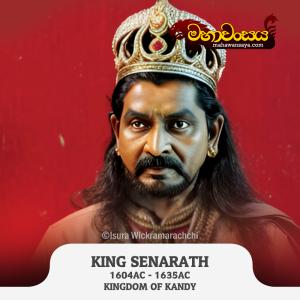
King Senarat
1604 AC-1635 AC
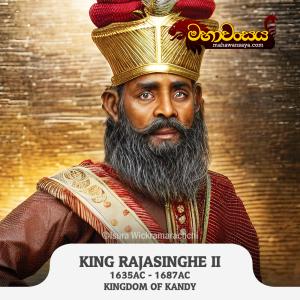
King Rajasinha II
1635 AC-1687 AC
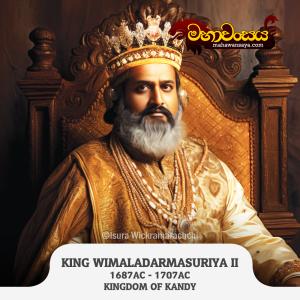
King Wimaladharmasuriya II
1687 AC-1707 AC
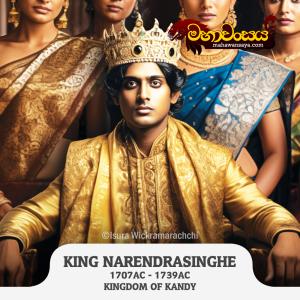
King Sri Weera Parakrama Naren
1707 AC-1739 AC
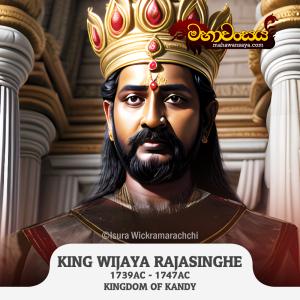
King Sri Wijaya Rajasingha
1739 AC-1747 AC
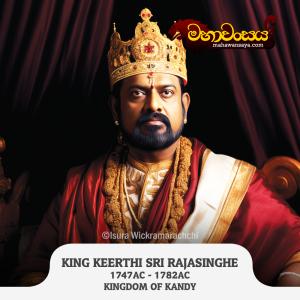
King Keerthi Sri Rajasingha
1747 AC-1782 AC
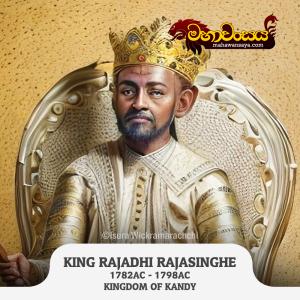
King Rajadhi Rajasinha
1782 AC-1798 AC
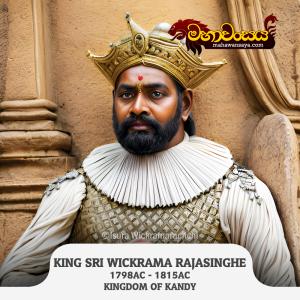
King Sri Wikrama Rajasinha
1798 AC-1815 AC

Pedro Lopes de Sousa
1594 AC-1594 AC
Joao da Silveira
1518 AC-1518 AC
Lopo de Brito
1518 AC-1522 AC
Fernao Gomes de Lemos
1522 AC-1524 AC
Joao Henriques
1551 AC-1552 AC
Diogo de Melo Coutinho
1552 AC-1552 AC
Duarte de Eca
1552 AC-1553 AC
Fernao Carvalho
1553 AC-1555 AC

Willem Jacobszoon Coster
1640 AC-1640 AC
Jan Thyszoon Payart
1640 AC-1646 AC
The Mahavamsa mentions that King Buddhadasa had several sons. However, these individuals could not have been the children of his coronation consort. Therefore, it cannot be assumed that all of them were legitimate heirs to the throne. The description further states that among Buddhadasa’s sons, two were remarkable for their valor, heroism, and handsome appearance, as described by the great elders (Maha Savvans). Among these sons, the eldest was Prince Upatissa. After the passing of King Buddhadasa, Prince Upatissa ascended the throne.
Some modern historians, due to confusion with this name, have referred to him as the “second Upatissa.” This is incorrect, because no king by this name had existed earlier. From the time of King Vijaya until Prince Panduwasadeva, no ruler named Upatissa reigned; any period when an Upatissa was mentioned refers to unruly times. Due to this misunderstanding, he has sometimes been regarded as the second Upatissa, though in fact he was the first.
This king was a greatly compassionate ruler, endowed with all royal virtues. He administered the kingdom according to the ten royal virtues (Dasa Raja Dhamma). Through the fourfold compassion, he looked after the people. He took special care of thieves, pregnant women, orphans, the sick, and others in need. His compassion was such that even when he slept at night and rain drenched the roads, he secretly ensured that no one suffered from it. He cleared large pits filled with black mud by hand, built separate houses for the sick during full moon days, and daily received food from the main kitchen.
Like King Sirisangabo, he punished thieves and returned their wealth after having them endure proper justice. The extended description of King Upatissa in the Mahavamsa is not exaggeration; rather, it is an explanation of how the people and the ruler coexisted under wise governance. A king should be gentle when necessary and firm when required. In moments requiring strictness, he must act directly.
In steadfast royal dharma, this was essential. Even under a nonviolent policy, the judiciary should not be weak. King Upatissa followed these principles diligently. Virtue does not permit tolerating actions against the law. Nevertheless, the influence of natural order (swabhava dharma) could not be evaded by King Upatissa.
According to the Mahavamsa, during the reign of this righteous king, the threats of disease and famine were averted through ceremonies such as the Gangarohana Pooja. By securing all valuable metals, a solid golden Buddha statue was completed, and water from the Shailemaye vessel of Buddhadasa was poured into it. The golden Buddha statue was placed on a chariot, surrounded by monks, and paraded along the royal streets. The king himself, practicing virtue and meditation, guided the people. Animals in the city were protected. Monks preached the Ratana Sutta. In both directions along the roads and around the city, protective recitations (pirith) were conducted. Even heavy rains at sunrise were mitigated, and evil forces were kept away. The king decreed that if similar threats arose in the future, they should be handled in the same manner. These reports were recorded in royal chronicles to serve as an example and guidance for later rulers.
Generally, sources indicate that famines and disease in the country occurred during periods of insufficient rainfall. Through the irrigation techniques established by great kings like Mahasena, the country often became self-sufficient, though sometimes natural adversities, such as large-scale deforestation, could not be fully prevented. It is reasonable to consider that the famine during King Upatissa’s reign was handled wisely by the king.
Although historical sources mainly describe the religious and military activities of kings, many other details can also be inferred. This king employed a clever method for constructing stupas, image houses, and statues: he involved children in the work by giving them sweetmeats made of rice and sugar, a strategy that could also serve to educate them. At the same time, it is clear that he was attentive to the development of the country. He built six tanks, three of which were renovated and expanded. These tanks were Rajupal, Walahassa, and Ambutthi. Other tanks built by him, such as Gijjakuta, Pobbarapasa, and Gondigama, have not been identified. According to Sinhala sources, the Thopaväva in Polonnaruwa was constructed by this king. The above-mentioned Pokkarapasa is also considered to be Thopaväva by some.
Three inscriptions from the era of King Upatissa have been discovered. One of these, the Kandakadu inscription, mentions him as Denupé Upatissa. The term Denupé is equivalent to Devanampiya or Devānuppiya. However, the title, used by Mauryan kings, had long fallen out of use. It seems that this king revived it, yet no subsequent king used it for his name. The inscription indicates that the king established a vihara in Chittanagara and allocated land and worship privileges for its maintenance. This is a detail not mentioned in the Mahavamsa.
A short inscription from the ancient Kārṇikā area in Ruhuna, near Pāna, records that in the year corresponding to the reign of Jetthatissa, King Upatissa built a tank named Bayuthari for the Sangha. In this inscription, he is referred to as Jetthatissa Upatissa. Since no previous king named Detuthissa reigned for a long period, this inscription identifies Jetthatissa Upatissa as the ruler.
The Basavakukulam inscription was established in the 28th year of the king’s reign. This is the oldest known inscription that provides a precise year, corresponding to RA.VA. 396–12–6 in the Kuj calendar.
No matter how wisely a king governs, if there are ambitious individuals within the royal family, his life is always at risk. This is especially true if the queen directs her attention elsewhere. King Upatissa faced such a situation. The queen, secretly allied with his cousin, killed the king with a weapon at the palace, apparently intending to place the allied prince on the throne. However, there is no evidence that the prince himself was involved in the assassination. The prematurely deceased King Upatissa’s reign lasted about forty-two years.