61
King Jetta Tissa I
Kingdom of Anuradhapura
266 AC - 276 AC
266 AC - 276 AC

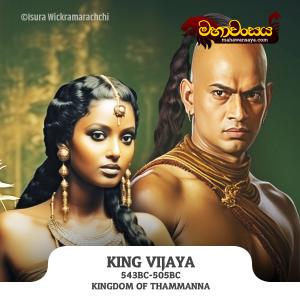
King Vijaya
543 BC-505 BC
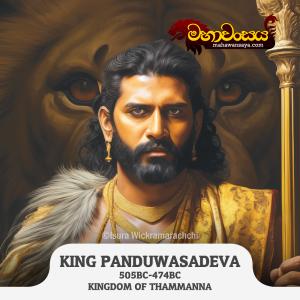
King Panduvasdeva
504 BC-474 BC
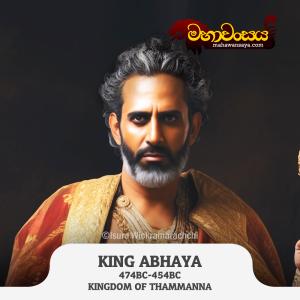
King Abhaya
474 BC-454 BC
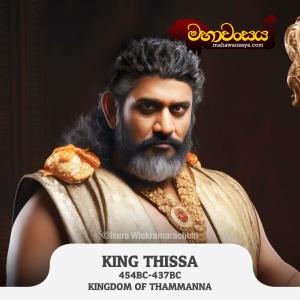
King Tissa
454 BC-437 BC
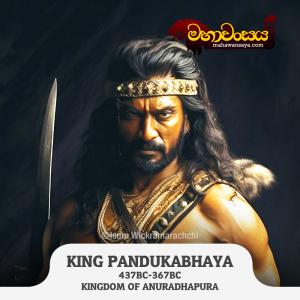
King Pandukabhaya
437 BC-367 BC
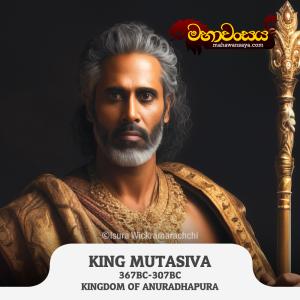
King Mutasiva
367 BC-307 BC
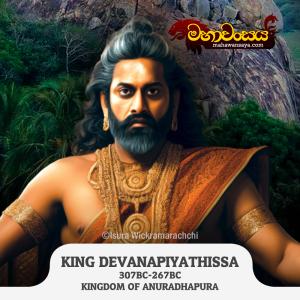
King Devanampiya Tissa
307 BC-267 BC
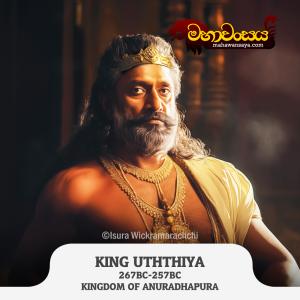
King Uttiya
267 BC-257 BC
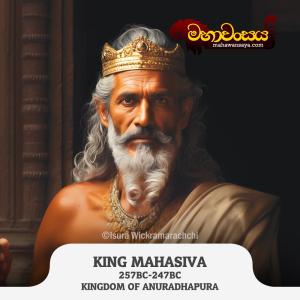
King Mahasiva
257 BC-247 BC
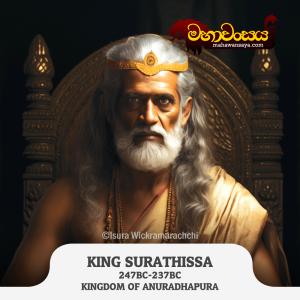
King Suratissa
247 BC-237 BC
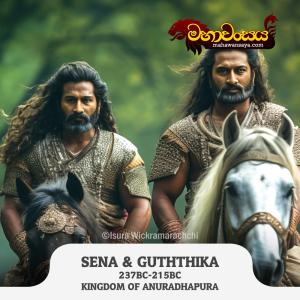
Sena and Guttika
237 BC-215 BC
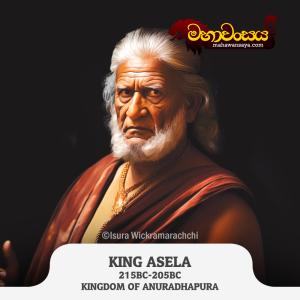
King Asela
215 BC-205 BC
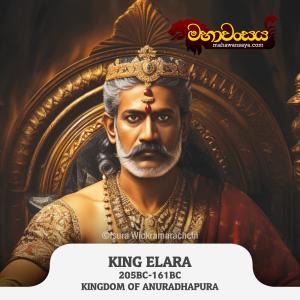
King Elara
205 BC-161 BC
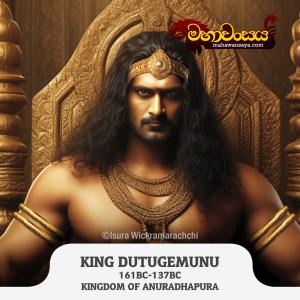
King Dutugemunu
161 BC-137 BC
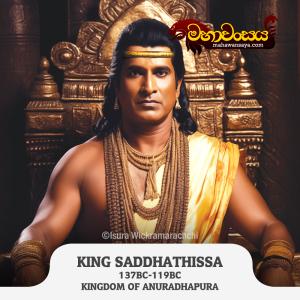
King Saddha Tissa
137 BC-119 BC
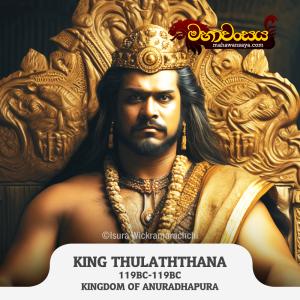
King Thulatthana
119 BC-119 BC
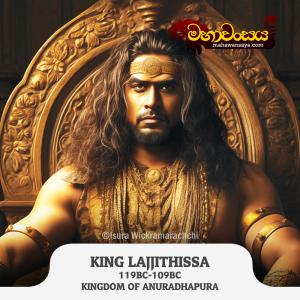
King Lajjithissa
119 BC-109 BC
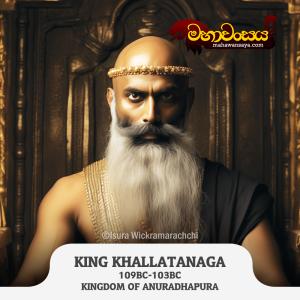
King Khallata Naga
109 BC-103 BC
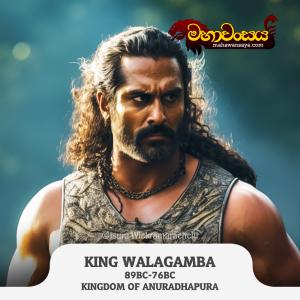
King Walagamba
89 BC-76 BC
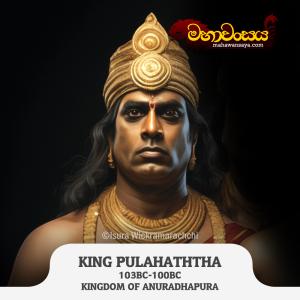
King Pulahaththa
103 BC-100 BC
King Bhahiya
100 BC-98 BC
King Panayamara
98 BC-91 BC
King Piliyamara
91 BC-91 BC
King Dathiya
91 BC-89 BC
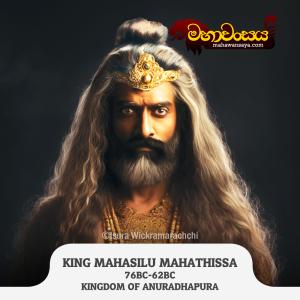
King Mahachulikamahathissa
76 BC-62 BC
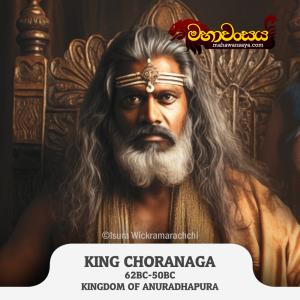
King Choranaga
62 BC-50 BC
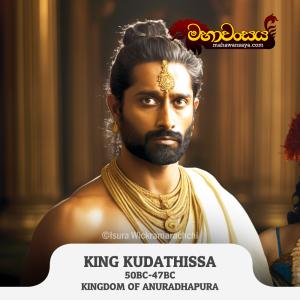
King Kuda Thissa
50 BC-47 BC
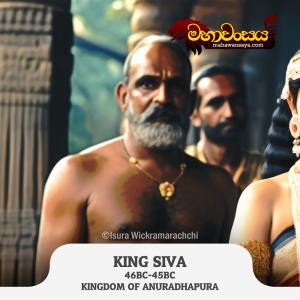
King Siva I
47 BC-45 BC
King Vatuka
45 BC-44 BC
King Darubhatika Tissa
44 BC-43 BC
King Neeliya
43 BC-43 BC
Queen Anula
43 BC-42 BC
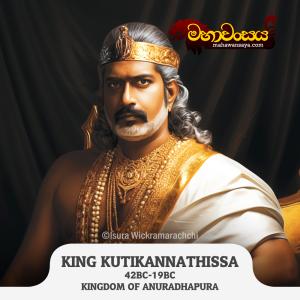
King Kutikanna Tissa
42 BC-19 BC
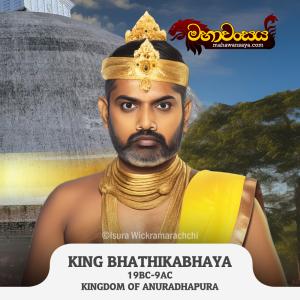
King Bhathikabhaya
19 BC-9 AC
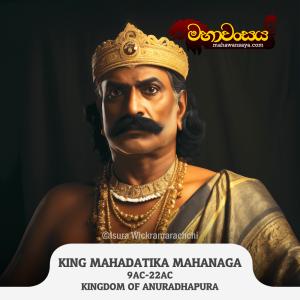
King Mahadatika Mahanaga
9 AC-22 AC
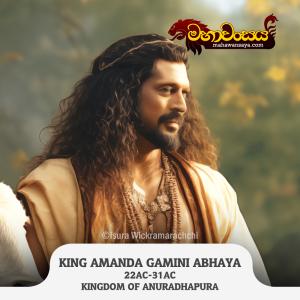
King Amandagamani Abhaya
22 AC-31 AC
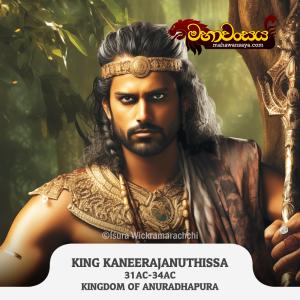
King Kanirajanu Tissa
31 AC-34 AC
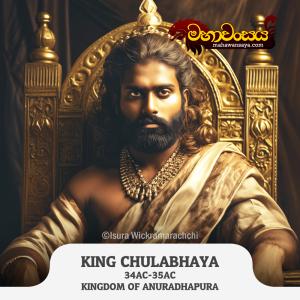
King Chulabhaya
34 AC-35 AC
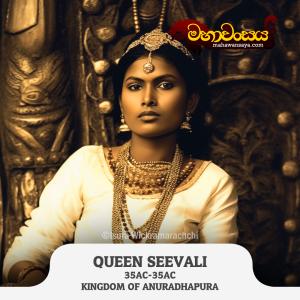
Queen Seevali
35 AC-35 AC
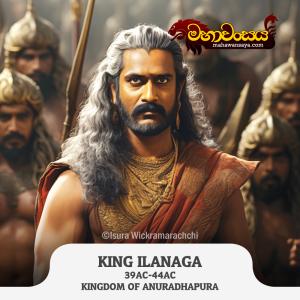
King Ilanaga
39 AC-44 AC
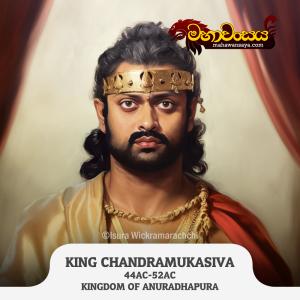
King Chandra Mukha Siva
44 AC-52 AC
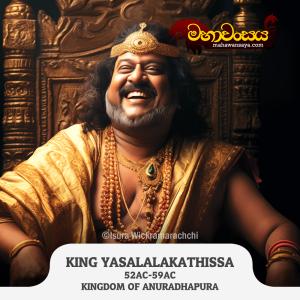
King Yassalalaka Thissa
52 AC-59 AC
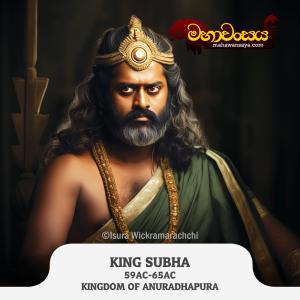
King Subha
59 AC-65 AC
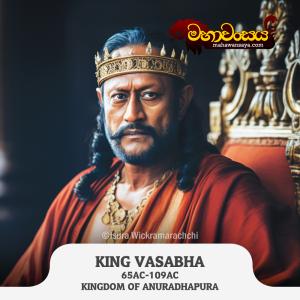
King Vasabha
65 AC-109 AC
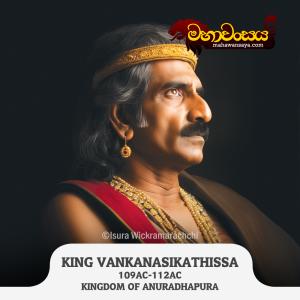
King Vankanasika Tissa
109 AC-112 AC
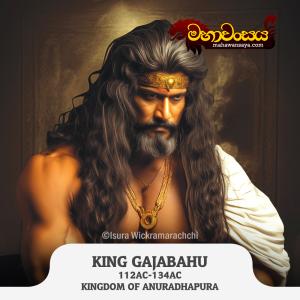
King Gajabahu I
112 AC-134 AC
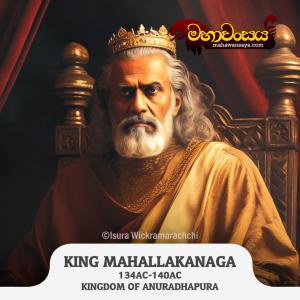
King Mahallaka Naga
134 AC-140 AC
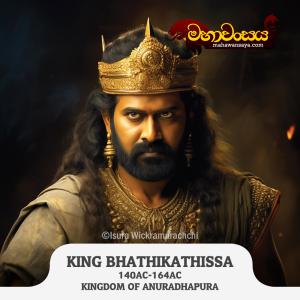
King Bhathika Thissa
140 AC-164 AC
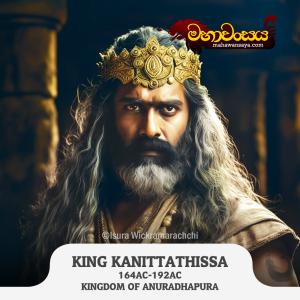
King Kanitta Tissa
164 AC-192 AC
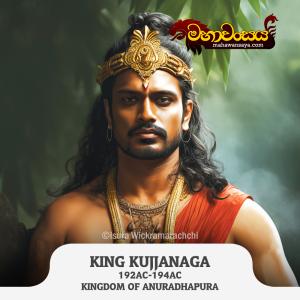
King Kujjanaga
192 AC-194 AC
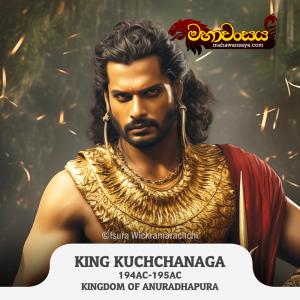
King Kudda Naga
194 AC-195 AC
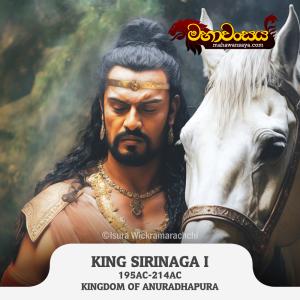
King Sirinaga I
195 AC-214 AC
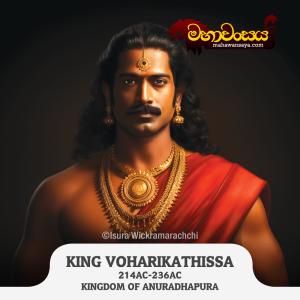
King Voharika Tissa
214 AC-236 AC
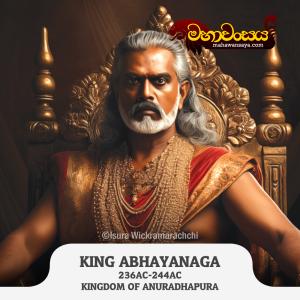
King Abhaya Naga
236 AC-244 AC
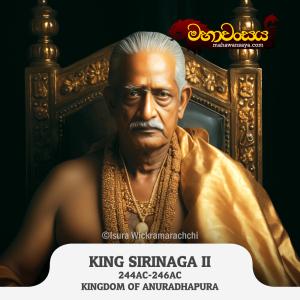
King Sirinaga II
244 AC-246 AC
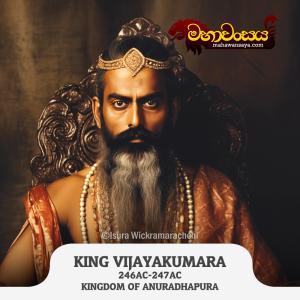
King Vijaya Kumara
246 AC-247 AC
King Sangha Tissa I
247 AC-251 AC
King Siri Sangha Bodhi I
251 AC-253 AC
King Gotabhaya
253 AC-266 AC
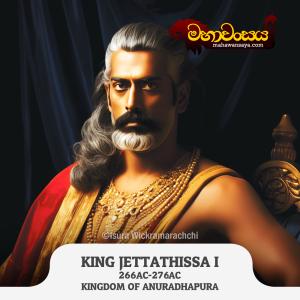
King Jetta Tissa I
266 AC-276 AC
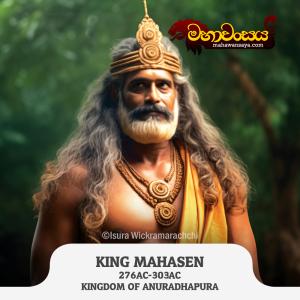
King Mahasen
276 AC-303 AC
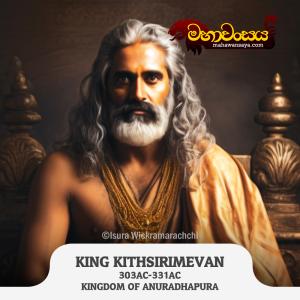
King Kithsirimewan
303 AC-331 AC
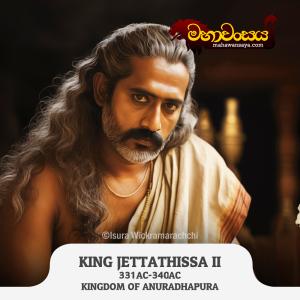
King Jetta Tissa II
331 AC-340 AC
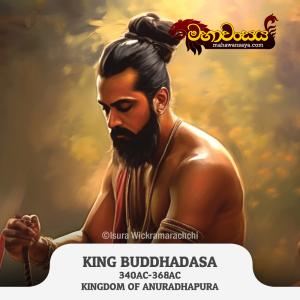
King Buddhadasa
340 AC-368 AC
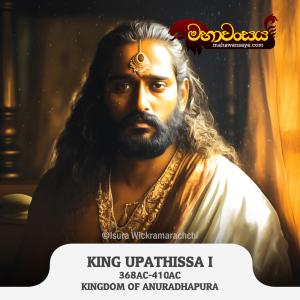
King Upatissa I
368 AC-410 AC
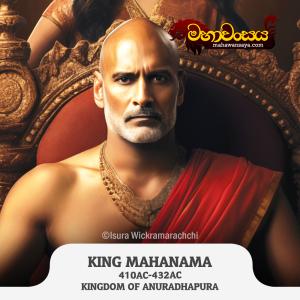
King Mahanama
410 AC-432 AC
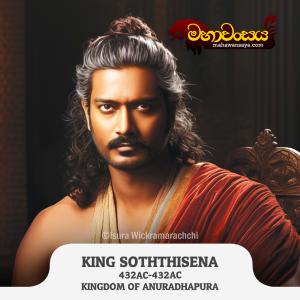
King Soththisena
432 AC-432 AC
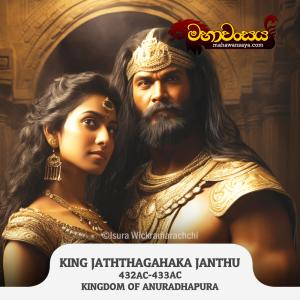
King Jaththagahaka Janthu
432 AC-433 AC
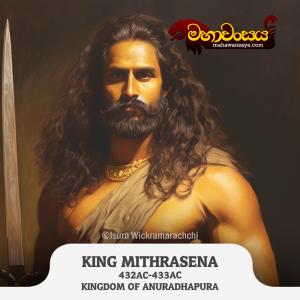
King Miththasena
432 AC-433 AC
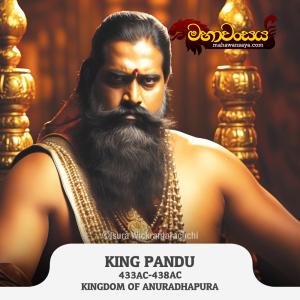
King Pandu
433 AC-438 AC
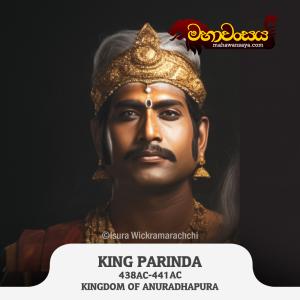
King Parinda
438 AC-441 AC
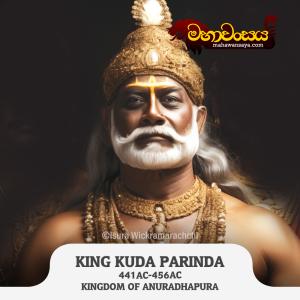
King Kuda Parinda
441 AC-456 AC
King Thirithara
456 AC-456 AC
King Datiya II
456 AC-459 AC
King Peetiya
459 AC-459 AC
King Dhathusena
459 AC-477 AC
King Kassapa I
477 AC-495 AC
King Mugalan I
495 AC-512 AC
King Kumaradasa
512 AC-520 AC
King Kiththisena
520 AC-521 AC
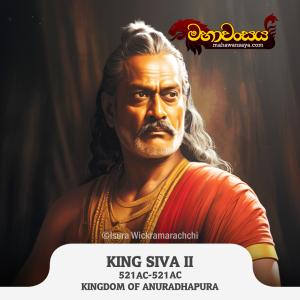
King Siva II
521 AC-521 AC
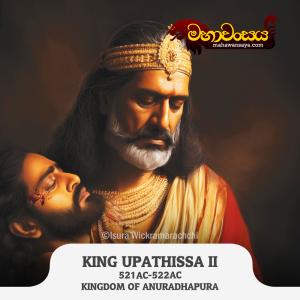
King Upatissa II
521 AC-522 AC
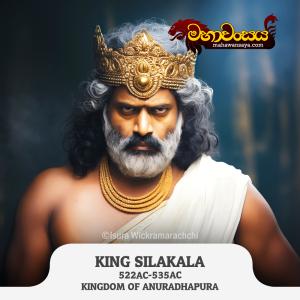
King Silakala
522 AC-535 AC
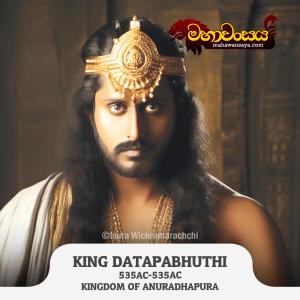
King Datappabhuthi
535 AC-535 AC
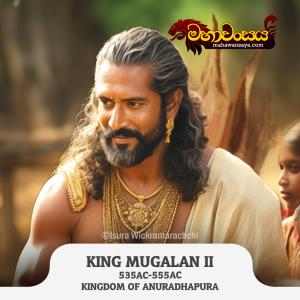
King Mugalan II
535 AC-555 AC
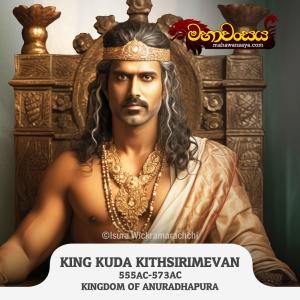
King Kiththisirimegha
555 AC-573 AC
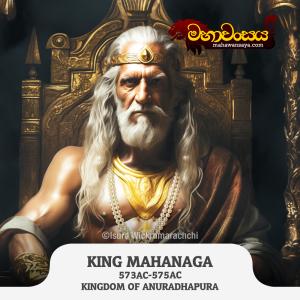
King Mahanaga
573 AC-575 AC
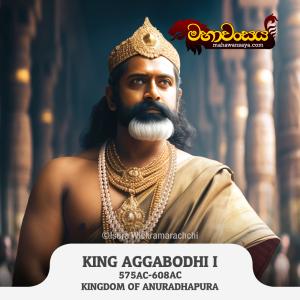
King Aggabodhi I
575 AC-608 AC
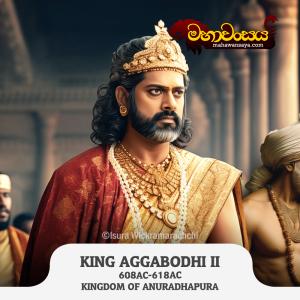
King Aggabodhi II
608 AC-618 AC
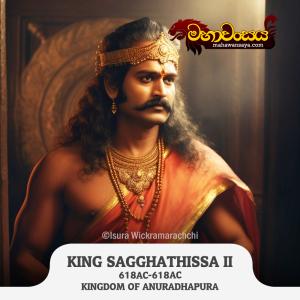
King Sangha Tissa II
618 AC-618 AC
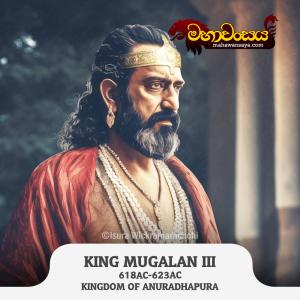
King Mugalan III
618 AC-623 AC
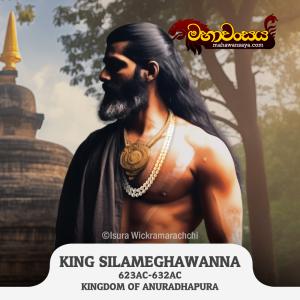
King Silameghavanna
623 AC-632 AC
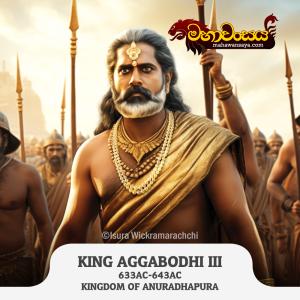
King Aggabodhi III
633 AC-643 AC
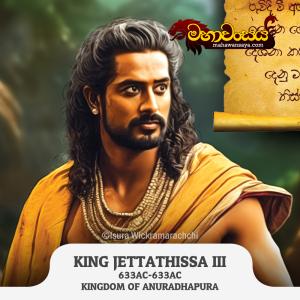
King Jetta Tissa III
633 AC-633 AC
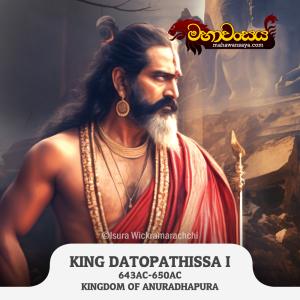
King Datopathissa i
643 AC-650 AC
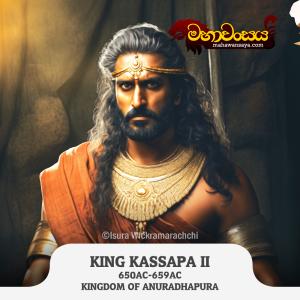
King Kassapa II
650 AC-659 AC
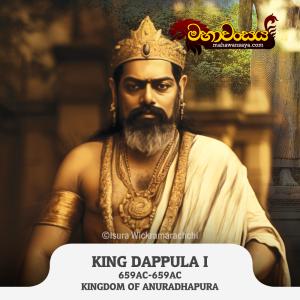
King Dappula I
659 AC-659 AC
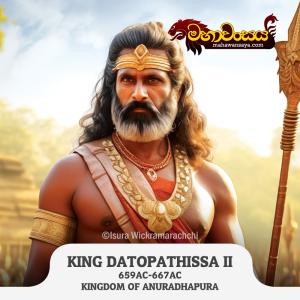
King Datopathissa II
659 AC-667 AC
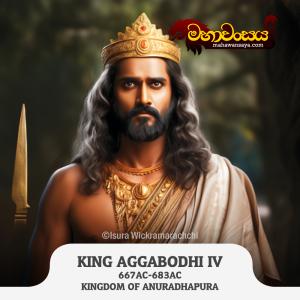
King Aggabodhi IV
667 AC-683 AC
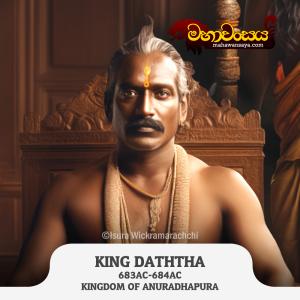
King Daththa
683 AC-684 AC
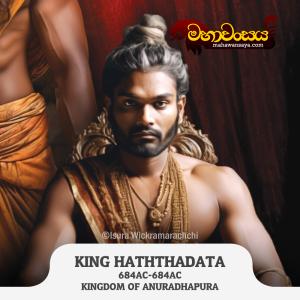
King Haththadata
684 AC-684 AC
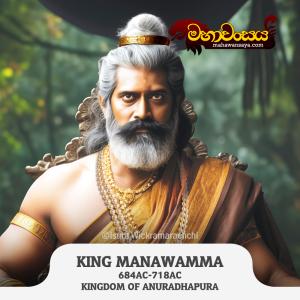
King Manavamma
684 AC-718 AC
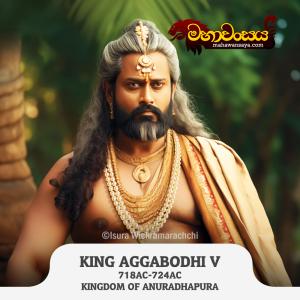
King Aggabodhi V
718 AC-724 AC
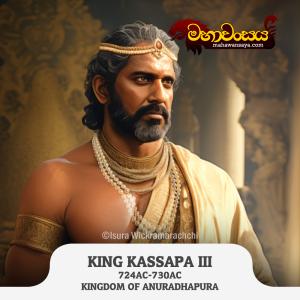
King Kassapa III
724 AC-730 AC
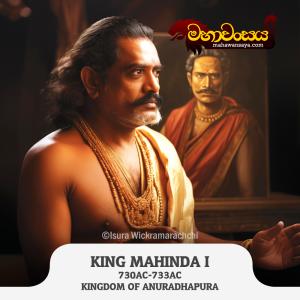
King Mahinda I
730 AC-733 AC
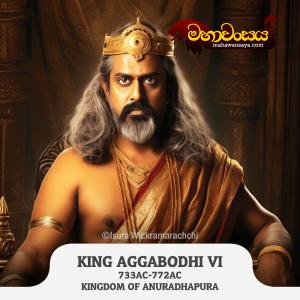
King Aggabodhi VI
733 AC-772 AC
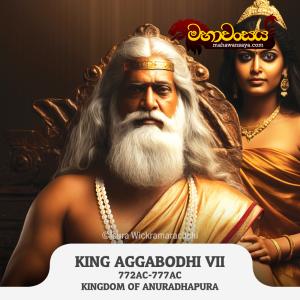
King Aggabodhi VII
772 AC-777 AC
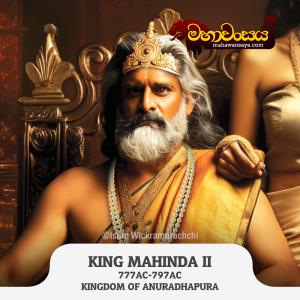
King Mahinda II
777 AC-797 AC
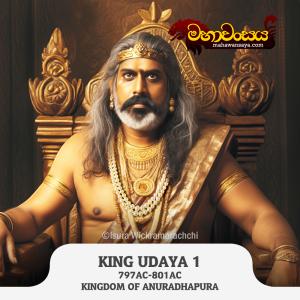
King Udaya I
797 AC-801 AC
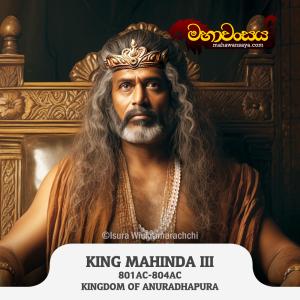
King Mahinda III
801 AC-804 AC
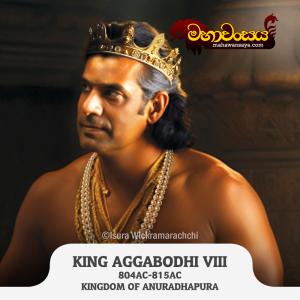
King Aggabodhi VIII
804 AC-815 AC
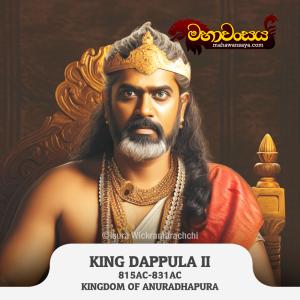
King Dappula II
815 AC-831 AC
King Aggabodhi IX
831 AC-833 AC
King Sena I
833 AC-853 AC
King Sena II
853 AC-887 AC
King Udaya II
887 AC-898 AC
King Kassapa IV
898 AC-914 AC
King Kassapa V
914 AC-923 AC
King Dappula III
923 AC-923 AC
King Dappula IV
923 AC-935 AC
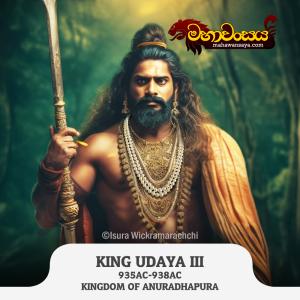
King Udaya III
935 AC-938 AC
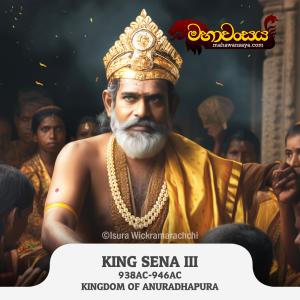
King Sena III
938 AC-946 AC
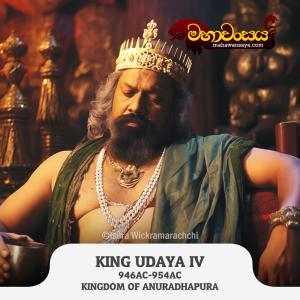
King Udaya IV
946 AC-954 AC
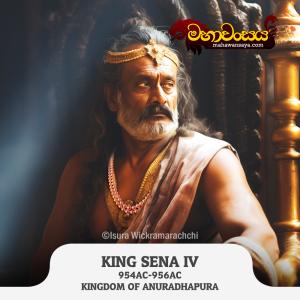
King Sena IV
954 AC-956 AC
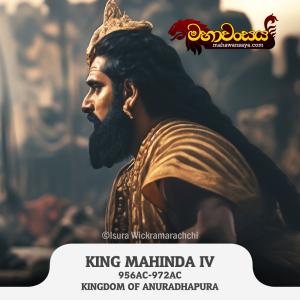
King Mahinda IV
956 AC-972 AC
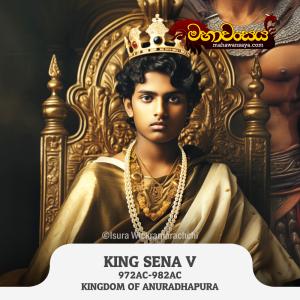
King Sena V
972 AC-982 AC
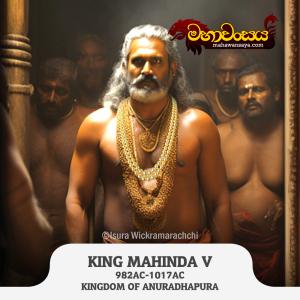
King Mahinda V
982 AC-1017 AC
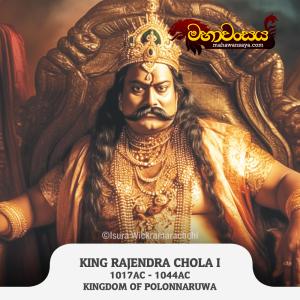
Rajendra Chola I
1017 AC-1044 AC
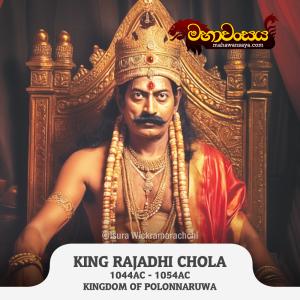
Rajadhiraja Chola
1044 AC-1054 AC
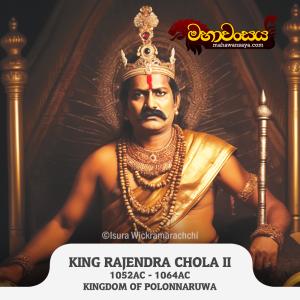
Rajendra Chola II
1052 AC-1064 AC
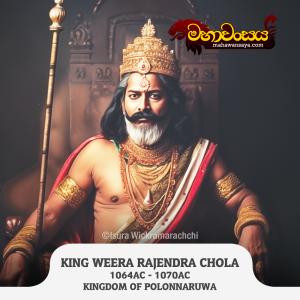
Virarajendra Chola
1064 AC-1070 AC
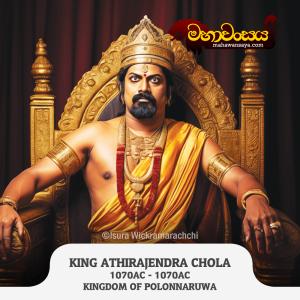
Athirajendra Chola
1070 AC-1070 AC
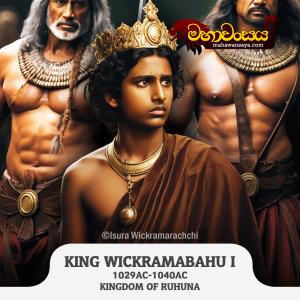
King Wickramabahu I
1029 AC-1040 AC
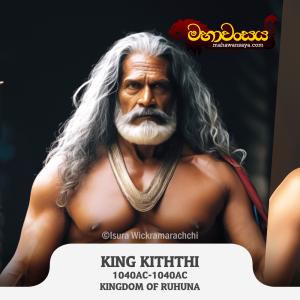
King General Keerthi
1040 AC-1040 AC
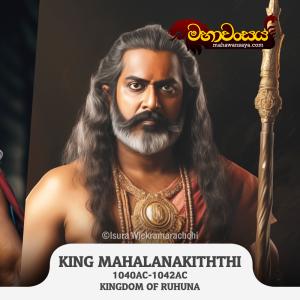
King Mahalana Kiththi
1040 AC-1042 AC
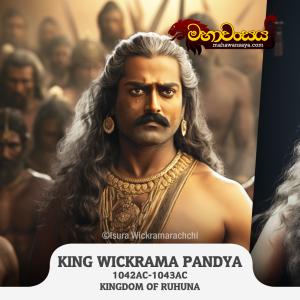
King Wickrama Pandu
1042 AC-1043 AC
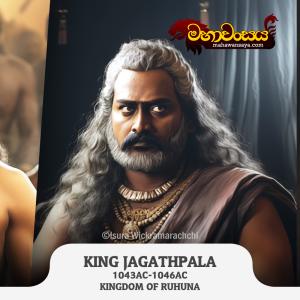
King Jagathpala
1043 AC-1046 AC
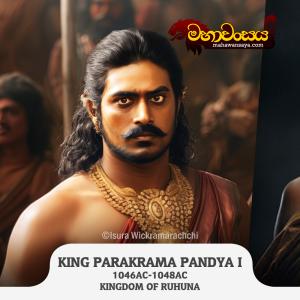
King Parakrama Pandu
1046 AC-1048 AC
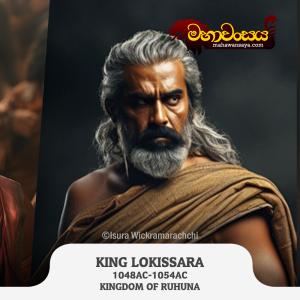
King Lokissara
1048 AC-1054 AC
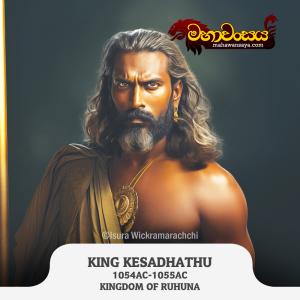
King Kesadhathu
1054 AC-1055 AC
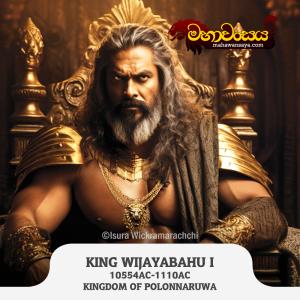
King Vijayabahu I
1055 AC-1110 AC
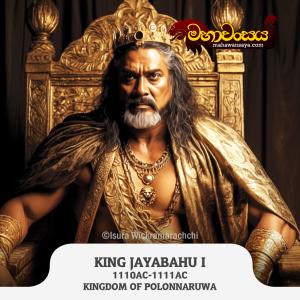
King Jayabahu I
1110 AC-1111 AC
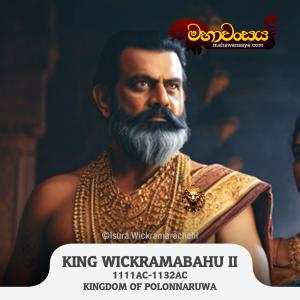
King Wickramabahu II
1111 AC-1132 AC
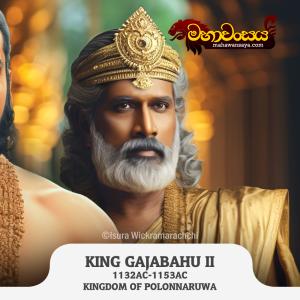
King Gajabahu II
1032 AC-1053 AC
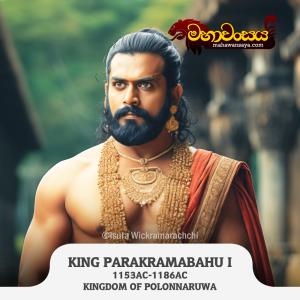
King Parakramabahu I
1053 AC-1086 AC
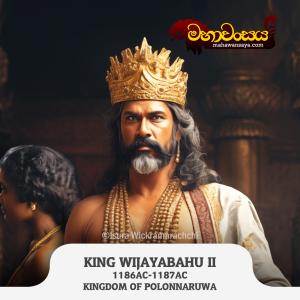
King Vijayabahu II
1186 AC-1187 AC
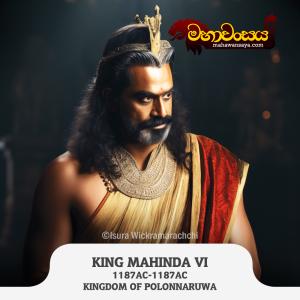
King Mahinda VI
1187 AC-1187 AC
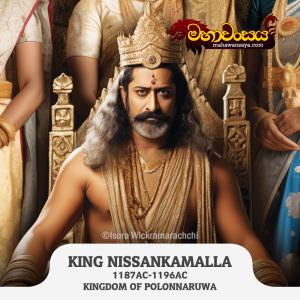
King Nissanka Malla
1187 AC-1196 AC
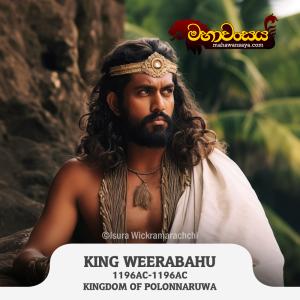
King Weerabahu I
1196 AC-1196 AC
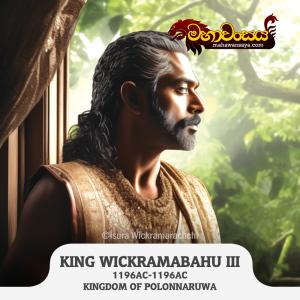
King Wickramabahu III
1196 AC-1196 AC
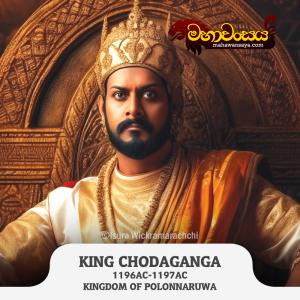
King Chodaganga
1196 AC-1197 AC
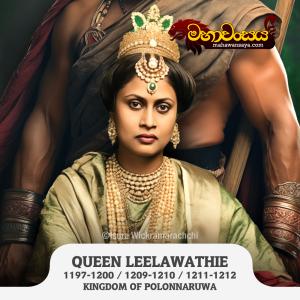
Queen Leelawathie
1197 AC-1200 AC
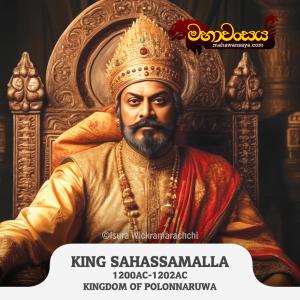
King Sahasamalla
1200 AC-1202 AC
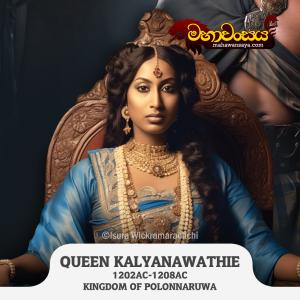
Queen Kalyanawathie
1202 AC-1208 AC
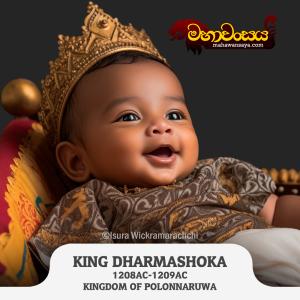
King Dharmasoka
1208 AC-1209 AC
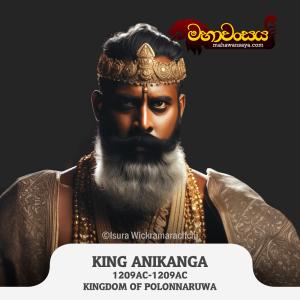
King Anikanga
1209 AC-1209 AC
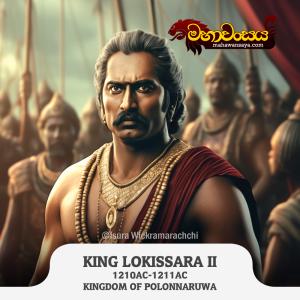
King Lokissara ii
1210 AC-1211 AC
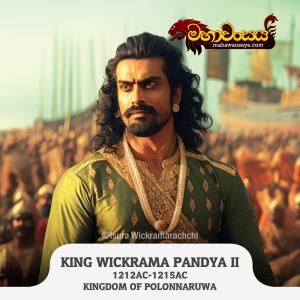
King Parakrama Pandu II
1212 AC-1215 AC
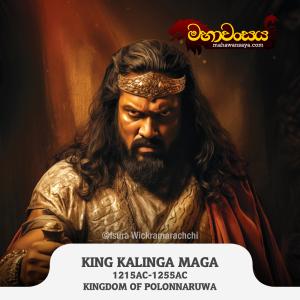
King Kalinga Magha
1215 AC-1255 AC
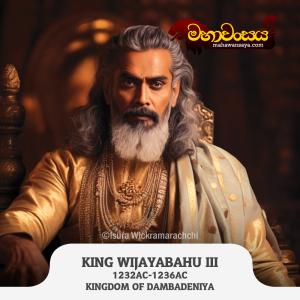
King Vijayabahu III
1232 AC-1236 AC
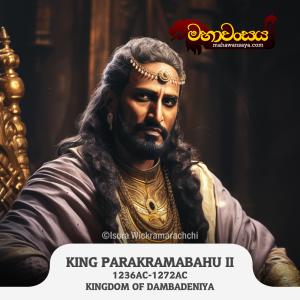
King Parakramabahu II
1236 AC-1272 AC
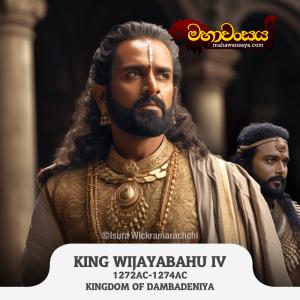
King Vijayabahu IV
1272 AC-1274 AC
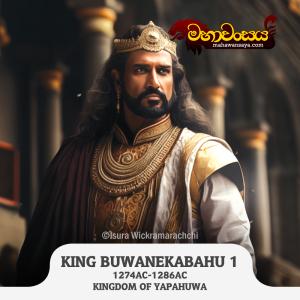
King Buvanekabahu I
1274 AC-1286 AC
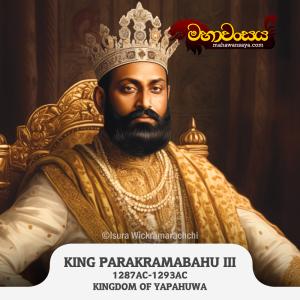
King Parakramabahu III
1287 AC-1293 AC
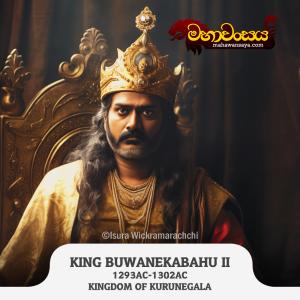
King Buvanekabahu II
1293 AC-1302 AC
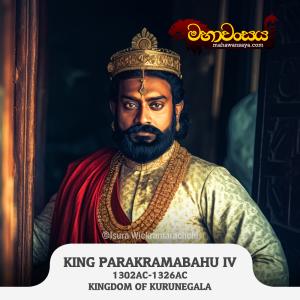
King Parakramabahu IV
1302 AC-1326 AC
-208.jpg)
King Buvanekabahu III (Vanni B
1326 AC-1335 AC
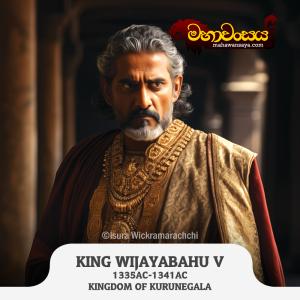
King Vijayabahu V
1335 AC-1341 AC
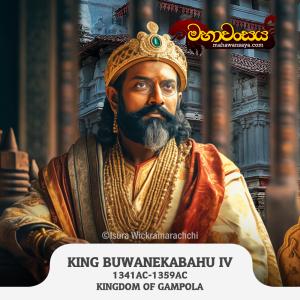
King Buvanekabahu IV
1341 AC-1359 AC
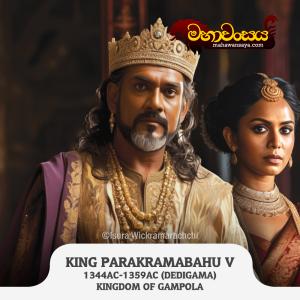
King Parakramabahu V
1344 AC-1359 AC
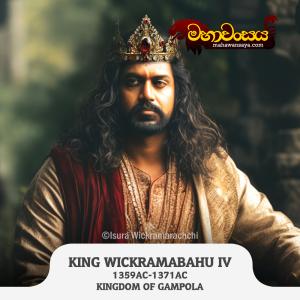
King Wickramabahu IV
1359 AC-1371 AC
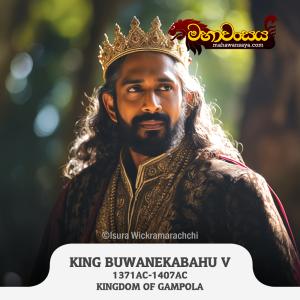
King Buvanekabahu V
1371 AC-1407 AC
-544.jpg)
King Kumara Alakeshwara (Alake
1391 AC-1391 AC
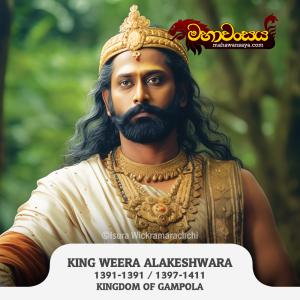
King Weera Alakesvara
1397 AC-1411 AC
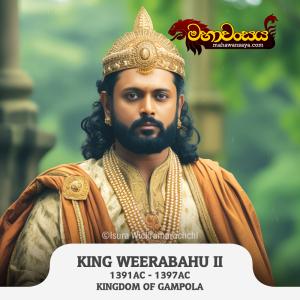
King Weerabahu II
1391 AC-1397 AC
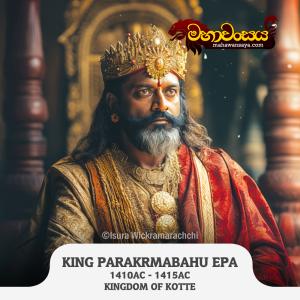
King Parakramabahu Epa
1410 AC-1415 AC
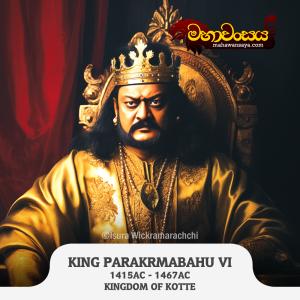
King Parakramabahu VI
1415 AC-1467 AC
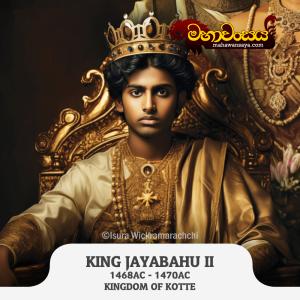
King Jayabahu II
1468 AC-1470 AC
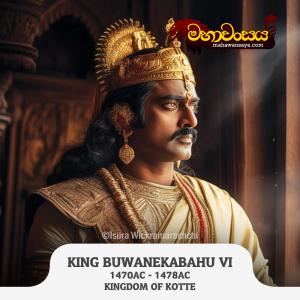
King Buvanekabahu VI
1470 AC-1478 AC
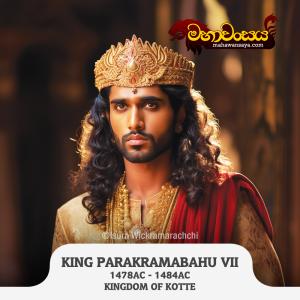
King Panditha Parakramabahu VI
1478 AC-1484 AC
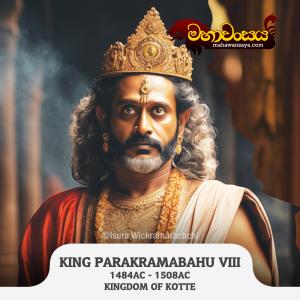
King Weera Parakramabahu VIII
1484 AC-1508 AC
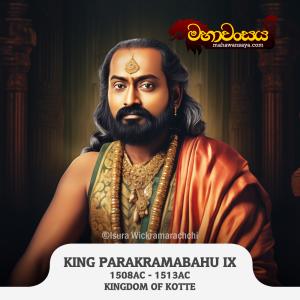
King Darma Parakramabahu IX
1508 AC-1513 AC
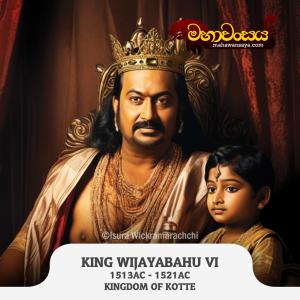
King Vijayabahu VI
1513 AC-1521 AC
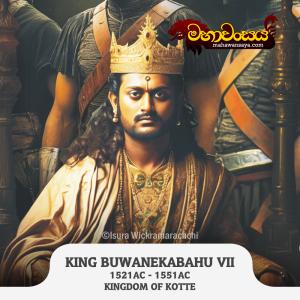
King Buvanekabahu VII
1521 AC-1551 AC
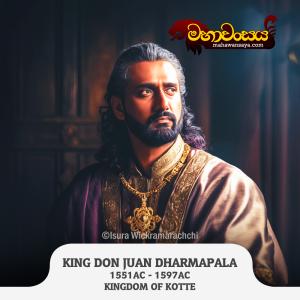
King Don Juwan Dharmapala
1551 AC-1597 AC
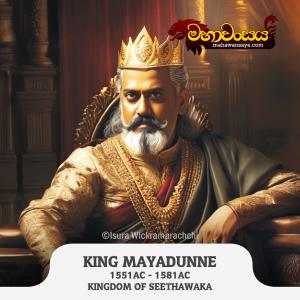
King Mayadunne
1551 AC-1581 AC
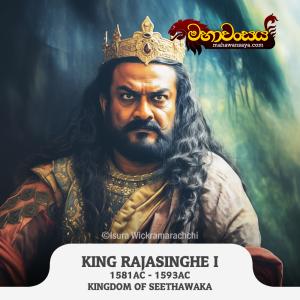
King Rajasinha I
1581 AC-1593 AC
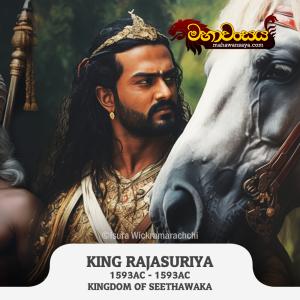
King Rajasooriya
1593 AC-1593 AC
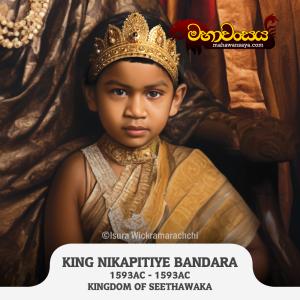
King Nikapitiye Bandara
1593 AC-1593 AC
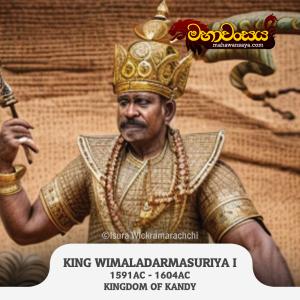
King Wimaladharmasuriya I
1591 AC-1604 AC
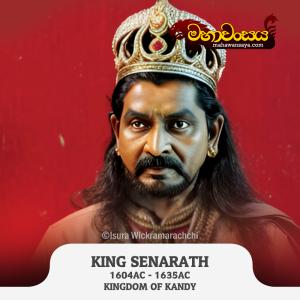
King Senarat
1604 AC-1635 AC
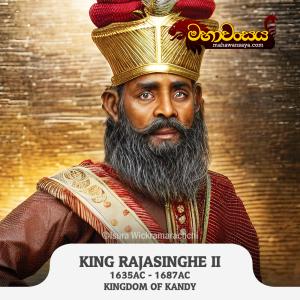
King Rajasinha II
1635 AC-1687 AC
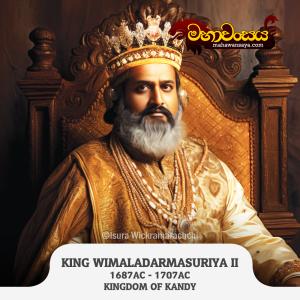
King Wimaladharmasuriya II
1687 AC-1707 AC
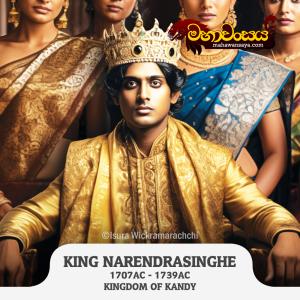
King Sri Weera Parakrama Naren
1707 AC-1739 AC
King Sri Wijaya Rajasingha
1739 AC-1747 AC
King Keerthi Sri Rajasingha
1747 AC-1782 AC
King Rajadhi Rajasinha
1782 AC-1798 AC
King Sri Wikrama Rajasinha
1798 AC-1815 AC

Pedro Lopes de Sousa
1594 AC-1594 AC
Joao da Silveira
1518 AC-1518 AC
Lopo de Brito
1518 AC-1522 AC
Fernao Gomes de Lemos
1522 AC-1524 AC
Joao Henriques
1551 AC-1552 AC
Diogo de Melo Coutinho
1552 AC-1552 AC
Duarte de Eca
1552 AC-1553 AC
Fernao Carvalho
1553 AC-1555 AC

Willem Jacobszoon Coster
1640 AC-1640 AC
Jan Thyszoon Payart
1640 AC-1646 AC
After the death of King Gothabhaya, who had dethroned the righteous King Sirisanghabodhi and seized the throne, his eldest son, Prince Jettatissa, ascended the throne. During the time when he was performing his father’s funeral rites, he took a severe action against a group of ministers. According to the Mahavamsa, this happened as follows:
King Jettatissa instructed the ministers to join the royal funeral procession that was organized for his father. However, some of the ministers were unwilling to participate. Enraged by this, the King sent his brother, Prince Mahasena, and the ministers who agreed with him to go ahead in the procession. When they had passed through the gates, the King ordered the gates to be shut, preventing the rebellious ministers from leaving, and had them all killed. Their corpses were piled around the tomb of the late King.
The Mahavamsa Tika further explains that the group entered through the western gate and, upon exiting the eastern gate, both gates were closed simultaneously, and the ministers were slain. It appears that, according to the customs of the time, the royal council of ministers was expected to walk ahead of the funeral procession of a deceased monarch. Their refusal to do so is recorded here as the cause for their execution.
It is not improper to consider that there might have been another underlying cause for this incident. For the ministers to decide not to participate in the funeral of the King they had served, there must have been some compelling reason. Yet, the Mahavamsa mentions nothing of the sort. The author of the Pujavaliya, in describing the enthronement of King Gothabhaya’s son, says:
“King Jettatissa, who performed the funeral of his father, captured sixty disobedient men who had not honored the late King, killed them, piled their bodies, and took the kingdom under his sole rule.”
The Rajavaliya records it as:
“He captured all the disobedient forest-dwellers who had not honored his father’s funeral, killed them by piling their corpses, and took the kingdom into his sole rule.”
From this, it is clear that there had been some opposing power that tried to prevent Prince Jettatissa from ascending the throne.
At this time, the monk Sanghamitta was residing in Anuradhapura. He is described as having come from Andhra Desha and was skilled in the science of spirits (Bhuta Vidya). According to the Mahavamsa, he arrived from Kaveri Pattanam, where he had been living. This period was one in which the influence of the Yogachara school, founded by teachers such as Asanga and Vasubandhu, had spread strongly throughout South India.
During this time, methods of Gupta Yoga, Yantra, Mantra, and Tantra practices had begun to enter the Buddhist tradition. The Yogachara doctrine itself was essentially a Mahayana philosophy. Sanghamitta Thera may have been a follower of these teachings.
When he arrived in Sri Lanka, he quickly gained royal favor and was elevated to the position of Royal Preceptor (Rajaguru). It is notable that although the Mahavihara had existed for centuries as a great seat of learning, no monk from there was chosen to educate the two royal princes — an omission that raises questions.
It is evident that Sanghamitta Thera’s educational intentions deviated from Prince Jettatissa and leaned toward Prince Mahasena. Therefore, it is likely that he acted against Jettatissa. Being well-versed in occult sciences, he also managed to gain the favor of many ministers.
However, it is possible that Prince Mahasena had no involvement in this. If he did not, then it must be assumed that a large number of Lambakarna nobles who were disheartened by the killing of King Sirisanghabodhi were holding government posts during King Gothabhaya’s reign and posed opposition to his rule. That same opposing force may have resurfaced upon the King’s death, and Prince Jettatissa might have suppressed it by slaughtering the ministers.
Under the Lambakarna dynasty, there had been an expansion of the administrative structure — an increase in offices, the growth of the bureaucratic class, and an enhancement of the officials’ authority. The King’s position too became more elevated.
This is evident from two events that occurred during the reigns of King Gothabhaya and King Jettatissa. King Gothabhaya’s move to expel the Vaitulya monks who opposed the Mahavihara was a decisive act demonstrating royal power. Yet, his actions, though firm, appear to have been motivated not by hatred but by righteous intention.
On the other hand, it is clear that by the time of King Gothabhaya’s funeral, the officials’ power had grown so much that they dared to refuse participation in the royal rites. This indicates how the power balance between the monarchy and the officials had shifted.
Eventually, as can be seen from the chronicles, this struggle between royal authority and officialdom reached a point where officials even determined who would become king.
The great scholar Professor Senarath Paranavitana interprets these events differently. He states that toward the end of King Gothabhaya’s reign, discontent arose within the royal palace and that some considered Prince Mahasena, rather than Jettatissa, as the more suitable successor.
However, in an era where the rule of primogeniture was well established — that the eldest son should succeed in the absence of another brother — there must have been some extraordinary reason for passing over Prince Jettatissa in favor of Prince Mahasena. No such reason is mentioned in the sources, except possibly the influence of Sanghamitta Thera’s intrigues.
Professor Paranavitana further suggests that a conspiracy was brewing to dethrone Jettatissa and seize the kingdom. Since there is no evidence that King Gothabhaya had another son, the question of succession should not have been disputed. Thus, Jettatissa may have harbored suspicions or resentment regarding his brother.
If Mahasena had indeed been involved in the conspiracy, then it is certain that he too would have been killed by King Jettatissa. The fact that he was not implies that, despite tensions between the brothers, there was restraint on Jettatissa’s part. Professor Paranavitana notes that this is why Jettatissa, the elder brother, was later praised for not harming his younger sibling.
However, there is no record of any direct involvement of Prince Mahasena in these events. If we assume that a group of ministers, displeased by the murder of King Sirisanghabodhi, refused to attend King Gothabhaya’s funeral, that could justify their fate.
Nevertheless, due to these harsh actions, King Jettatissa came to be known as “Kakkhala” — meaning stern or ruthless. The word Makalan in the Pujavaliya and Kalakan in the Rajavaliya both appear to reflect this same notion of “Kakkhala.”
After his coronation, the monk Sanghamitta left the island for India (Dambadiva). The Mahavamsa Tika notes that he said to Prince Mahasena before his departure:
“The King bears hatred toward me; therefore, it is difficult for me to remain here. I will go to India. When your consecration ceremony is arranged and you ascend the throne, I shall return, bringing the consecration vessels.”
King Jettatissa, following the ancient tradition, acted in favor of the Mahavihara. He completed the unfinished work on the Lovamahapaya begun by his father, spending a crore (10 million) in wealth and constructing it as a seven-story edifice.
He also offered a gem valued at sixty lakhs and built a gem-studded pavilion called Manipasada. Two exquisite gems were offered to the Great Stupa (Mahathupa), and two gateways (Toranas) were built for the Sacred Bo Tree (Sri Maha Bodhi).
He built a monastery named Pacinatissapabbata Vihara and offered it to the monks of the Panchavasa. He also transferred the sacred image of the Buddha known as Urusilapattima, which had been enshrined in Thuparama by King Devanampiyatissa, to the Pacinatissapabbata Vihara.
The remains of this site are identified near the present Nuwara Wewa bund, north of the Mihintale road, surrounded by a small pond. It must have been a magnificent place of worship in ancient times.
The Mahavamsa further records that he opened the Lovamahapaya, organized the Vesak festival, and offered triple robes to thirty thousand monks during that celebration.
According to the Rajarathnakara, he built six tanks (wewas) and four monasteries, though none have yet been precisely identified.
Looking at this series of meritorious deeds and religious offerings, it is clear that during this time, the country enjoyed prosperity, peace, and internal stability.
The King’s authority was accepted throughout the land, and despite his initial execution of a large number of ministers, no opposition movement arose against him.
No inscriptions from his reign have yet been discovered. King Jettatissa ruled the kingdom for ten years.