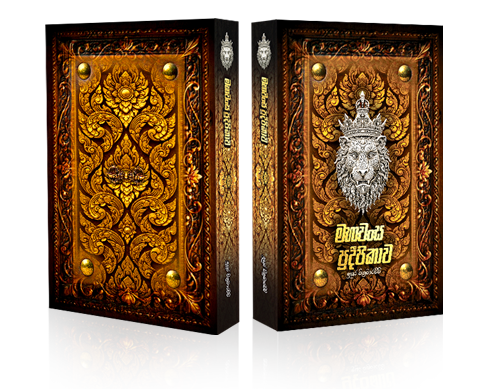
DEDICATION
Mahawansa Pradeepikawa – My Story
Whenever I went on educational excursions during my childhood, the places where I most enjoyed spending time were those that housed the magnificent creations of our ancient kings. I would often sit nearby, gazing at these monuments and drifting into a world of my own imagination. What would this place have looked like when it was first built? Surely, the great king himself must have visited this very spot. Where might he have stood to admire his creation? What would he have looked like? What kind of clothes would he have worn? Countless questions such as these filled my imagination. I would recreate those scenes in my mind and immerse myself in them. Countless times, I wished I could travel back in time and witness those moments with my own eyes. On many occasions, I would close my eyes and wish that I could catch even a fleeting glimpse of the face of an ancient king. To this day, I continue to make that same wish, and whenever I visit those historical sites, I experience the very same emotions.
Whenever I explored history, several questions constantly arose in my mind: Who built this? What might it have looked like? How were these individuals related to one another? Of these, the question that fascinated me most was “Who was related to whom?” Many distinguished scholars who have studied Sri Lankan history have provided answers to this question. Through their dedication and research, numerous historical relationships have been established. However, I strongly felt the absence of a systematic framework that connected these individual findings. I therefore wanted to provide a comprehensive and well-structured answer to the question, “Who was related to whom?” The curiosity inspired by this question, together with eight years of dedicated effort, ultimately resulted in the creation of Mahawansa Pradeepikawa.
From an early age, I possessed a natural talent for drawing, and I constantly explored ways of combining my artistic abilities with technology. In 1998, using Macromedia Flash, I created what I believe was Sri Lanka's first digital Vesak pandal, featuring more than 120 colourful lighting patterns. Later, in 2001, using the same software, I created a digital Vesak lantern consisting of twelve revolving satellite lanterns rotating in opposite directions. Whenever I encountered something meaningful and valuable, I was inspired to explore ways of integrating it with modern technology. My book, Mahawansa Pradeepikawa, is also a result of that very same philosophy.
My first attempt to integrate Sri Lankan history with technology was the launch of www.mahawansaya.com in 2009. The website was designed to enable users to conveniently explore the monarchs of Sri Lanka's various kingdoms, their achievements and the historical events associated with their reigns. In 2010, the website received recognition from the LK Domain Registry in a competition to select Sri Lanka's twenty most popular websites.
Who Was Related to Whom?
My search for answers to the question “Who was related to whom?” began with my website. I designed the website in such a way that, as historical data was entered, individual relationships were automatically interconnected. Through this process, an extensive network of relationships among monarchs gradually began to emerge. Encouraged by the success of the website, I decided to explore additional technological methods to present these relationships in a more systematic and comprehensive manner.
Using the information I had gathered, I incorporated every relationship into a methodology of my own design. Historical conclusions are established on the basis of available sources, and many scholars present historical information based on their interpretations of these sources. Therefore, I wanted to present the relationships among Sri Lanka's monarchs as clearly as possible, supported by relevant historical references.
In addition to the extensive collection of historical books I already owned, I purchased many more publications and borrowed numerous books from friends. I also gathered and systematically stored information on relationships revealed through ancient inscriptions, folklore and a wide range of other credible sources. Each documented relationship was accompanied by a reference identifying the source from which the information had been obtained.
Once all these names and relationships had been incorporated into the system, an extraordinarily extensive genealogical network emerged, far beyond anything I had initially imagined.
The First Genealogical Chart
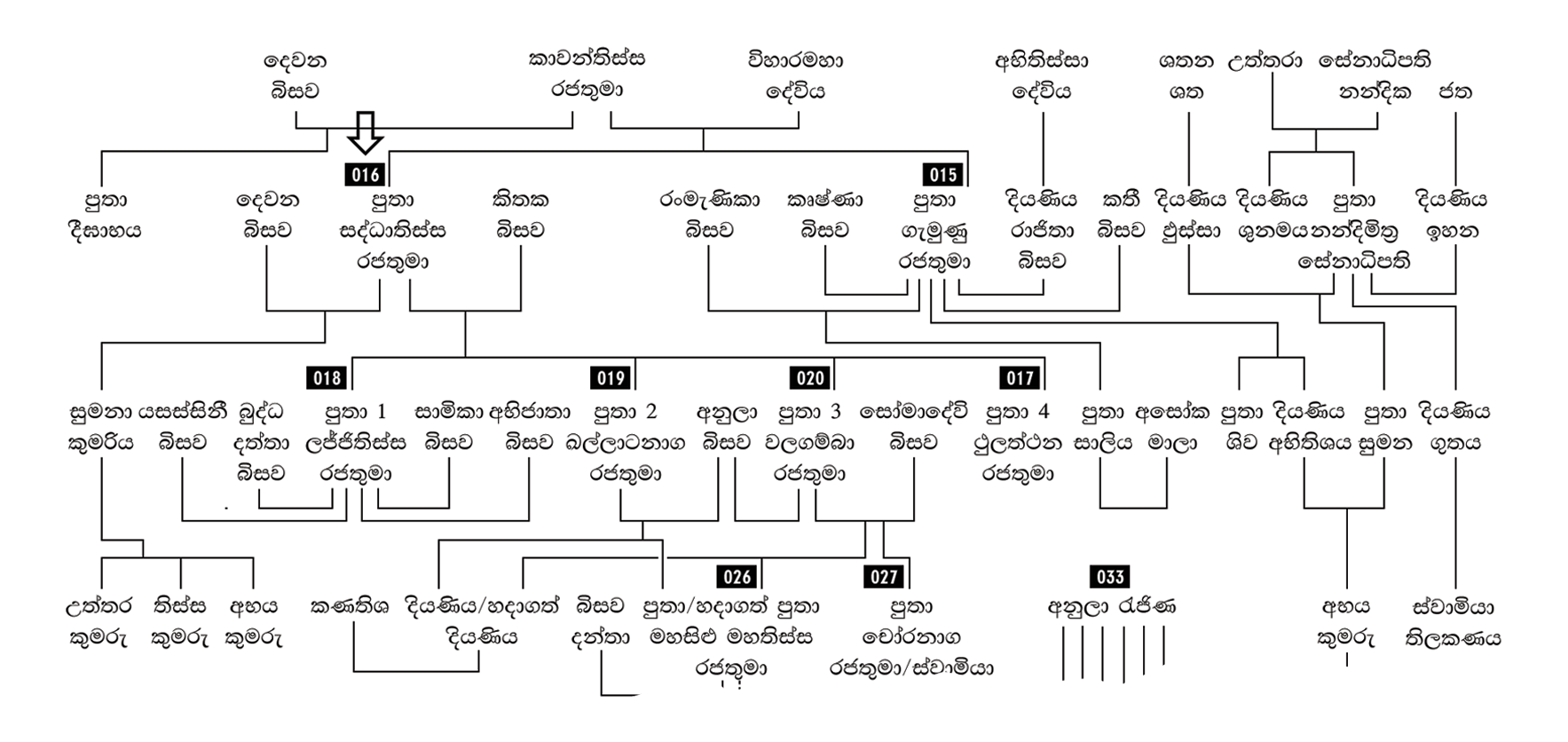
Having gathered this extensive collection of historical data, I wanted to present it in a systematic and well-structured manner. Accordingly, I studied internationally recognised methods of genealogical representation. However, applying these conventional methods presented numerous challenges due to the complexity of Sri Lanka's royal lineages.
I therefore sought to develop a methodology specifically suited to the intricate nature of our royal genealogies. As a result of these efforts, I created genealogical charts of Sri Lanka's monarchs using computer software, as illustrated here.
The Minds of Children
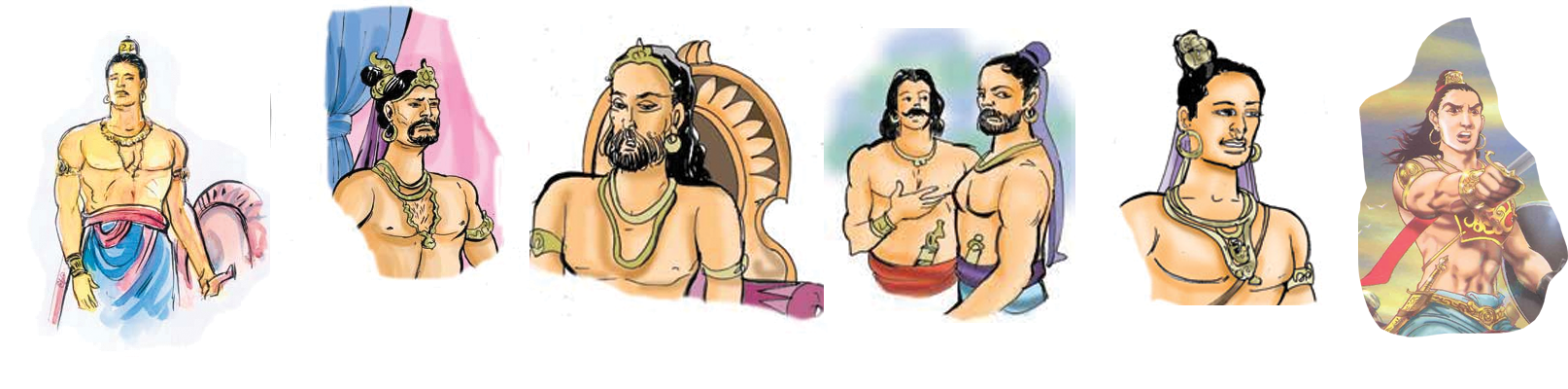
I still remember the illustrations of kings that appeared in the books I read during my childhood. Yet, whenever I looked at those illustrations, they never inspired a sense of pride or admiration within me. As I mentioned earlier, whenever I closed my eyes in search of those majestic figures, it was because the kings depicted in books were worlds apart from the kings I had envisioned in my imagination.
I had never encountered in any book the magnificent and majestic figures of our kings that I had imagined in my mind. I wanted to inspire that same sense of grandeur, admiration and pride in the hearts of our children. My next endeavour, therefore, was to bring that feeling to life through this book.
Bringing the Kings of My Imagination to Paper
There is a well-known saying that a picture is worth a thousand words. Whenever we see an image of a person, numerous memories and associations connected with that individual come to mind. Whenever we gaze upon an image of the Supreme Buddha, we are reminded of His boundless compassion. An image possesses the remarkable power to awaken our memories.
I believed that rather than encouraging children to memorise the achievements of kings through conventional study, associating those achievements with visual representations of the monarchs would enhance their ability to remember historical information. I therefore considered how bringing the kings of my imagination to life for future generations might help strengthen children's recollection of each monarch and their achievements. With this intention, I decided to illustrate the majestic and dignified kings that had long existed in my imagination.
As I mentioned earlier, I had a natural talent for drawing. I worked tirelessly, day and night, attempting to transfer the images in my mind onto paper. However, I realised that my artistic abilities were not sufficient to achieve the level of realism I envisioned. I therefore decided to seek the assistance of skilled artists.
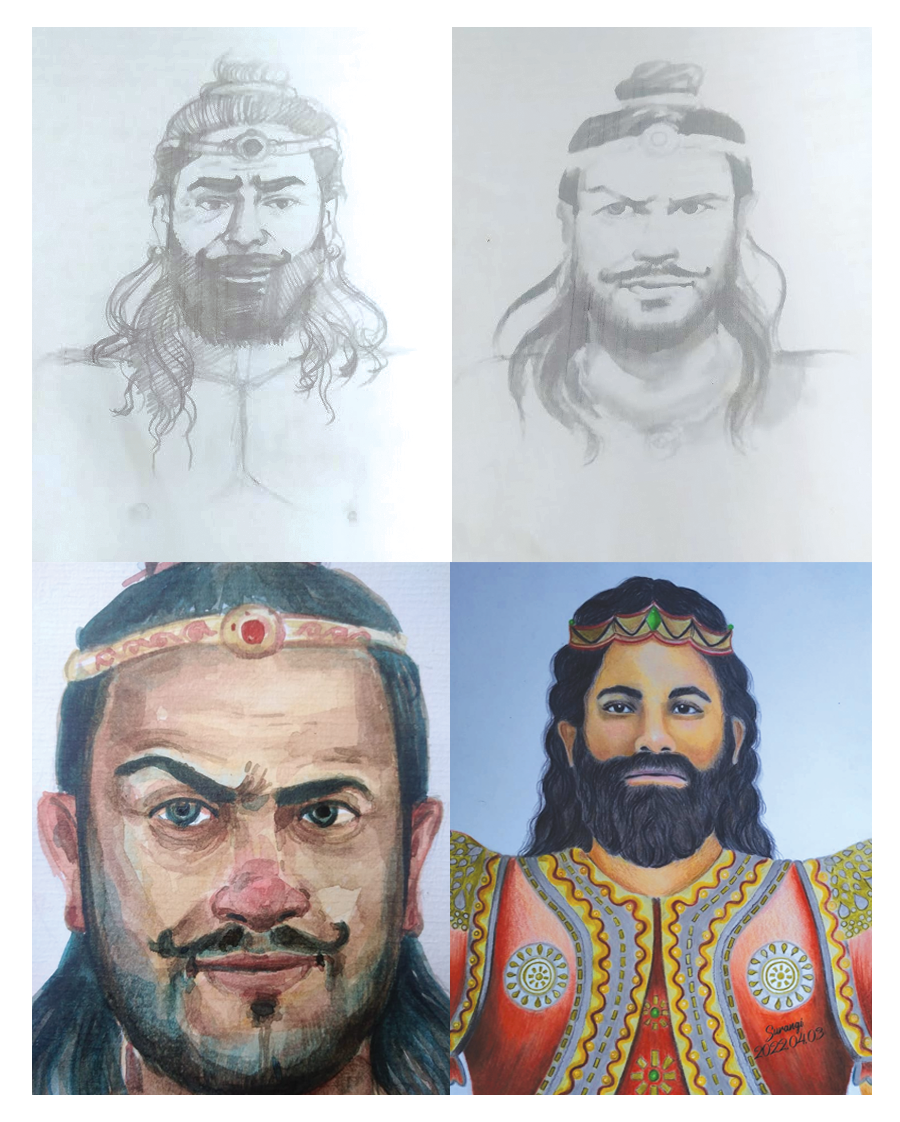
Through various means, I contacted both local and international artists, particularly those specialising in realistic character illustration. I selected several of them and began discussing my requirements. However, this presented yet another challenge, as the images I wished to create existed only in my imagination. I explained my vision to them in as much detail as possible.
Several artists accepted the challenge, but they requested considerable sums of money and substantial amounts of time to complete a single illustration. Nevertheless, I was determined to pursue my vision and decided to proceed with a few of those who had accepted the challenge.
Despite the considerable time, effort and financial resources invested, the results were disappointing. The illustrations I received were entirely different from the images I had envisioned. Furthermore, making alterations to the completed illustrations was not easy, as any significant changes required the artwork to be drawn again.
My hopes were shattered, and I eventually realised that this approach was not practical for achieving my vision.
AVATAR and James Cameron
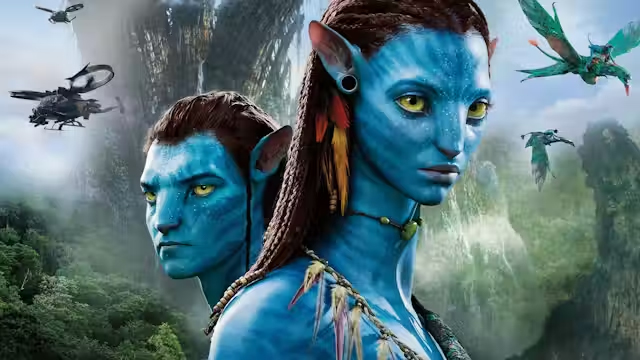
During this period, I happened to watch an interview with James Cameron, the director of the world-renowned film Avatar. Something he said during that interview deeply resonated with me and rekindled my hopes. At one point, he explained that he had waited for the technology he needed to become available.
It is difficult to put into words how profoundly that statement inspired me. I began studying the technology behind his work and realised how patiently he had waited to transform the vision in his imagination into reality. I believe that, had he wished, he could have used the technology available at the time to bring his vision to life with a certain degree of success. However, he chose to wait until the technology could faithfully realise what he had envisioned.
Inspired by his determination and patience, I, too, decided to wait until the technology I needed became available.